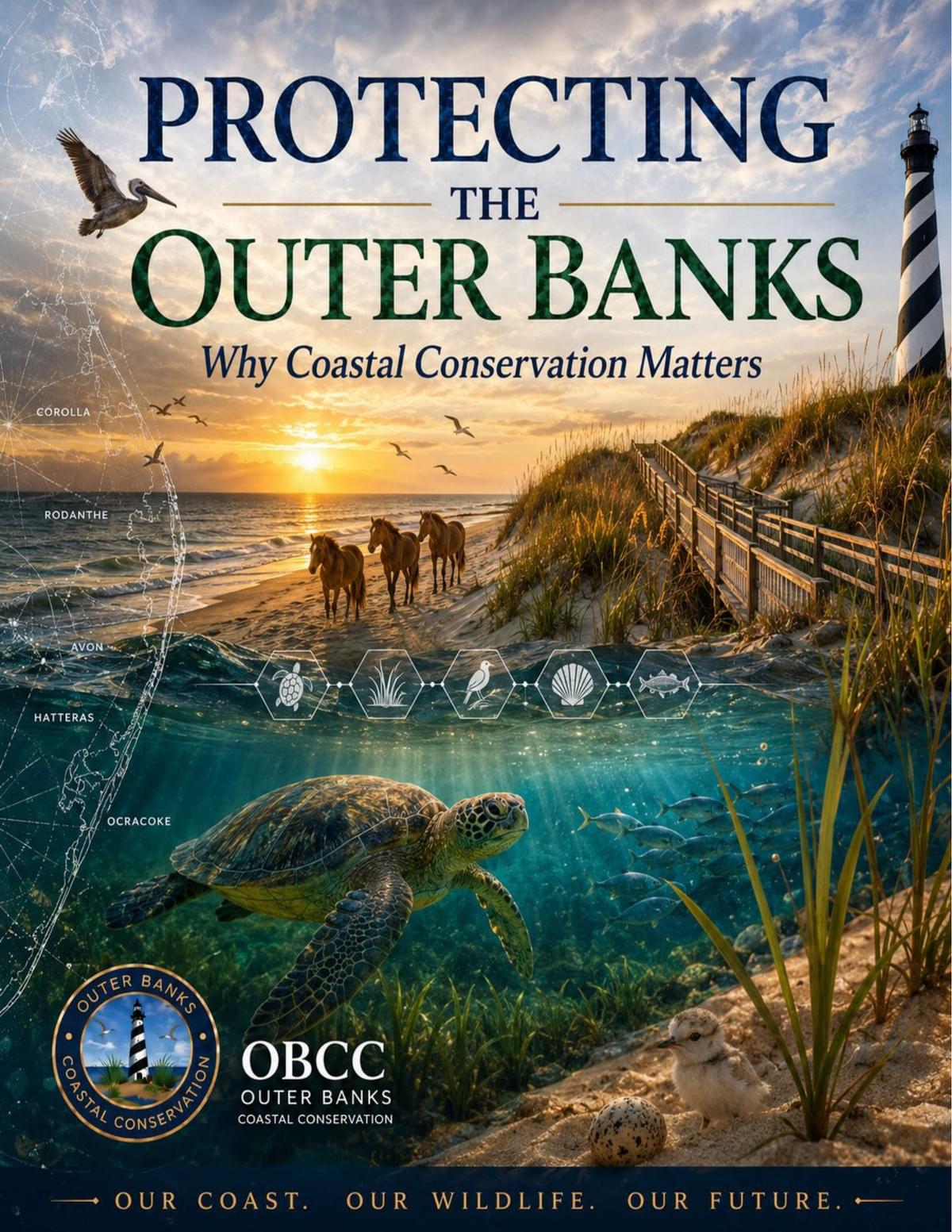
Outer Banks Coastal Conservation
Educational Resources and Outreach
Promoting awareness and action for coastal conservation
For Children:
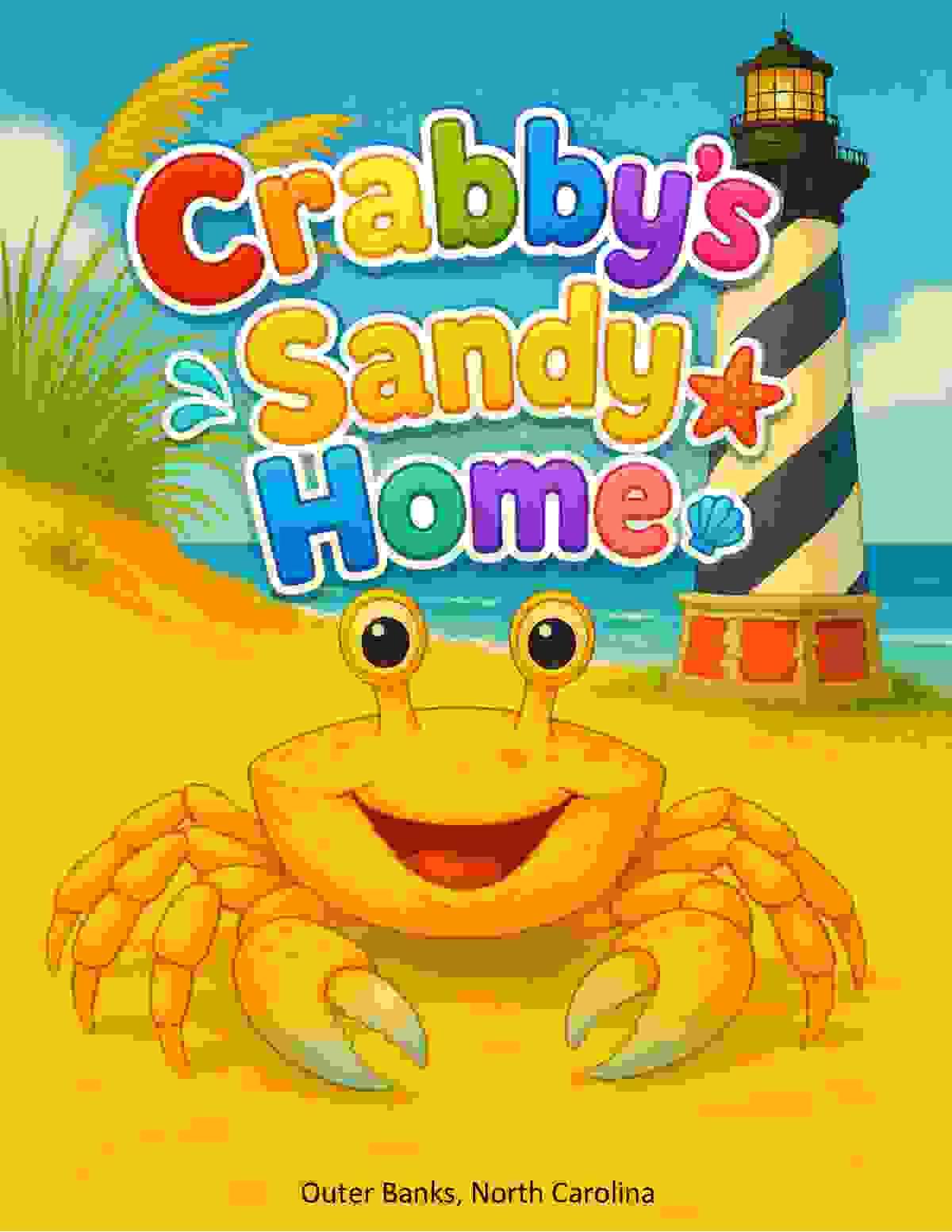
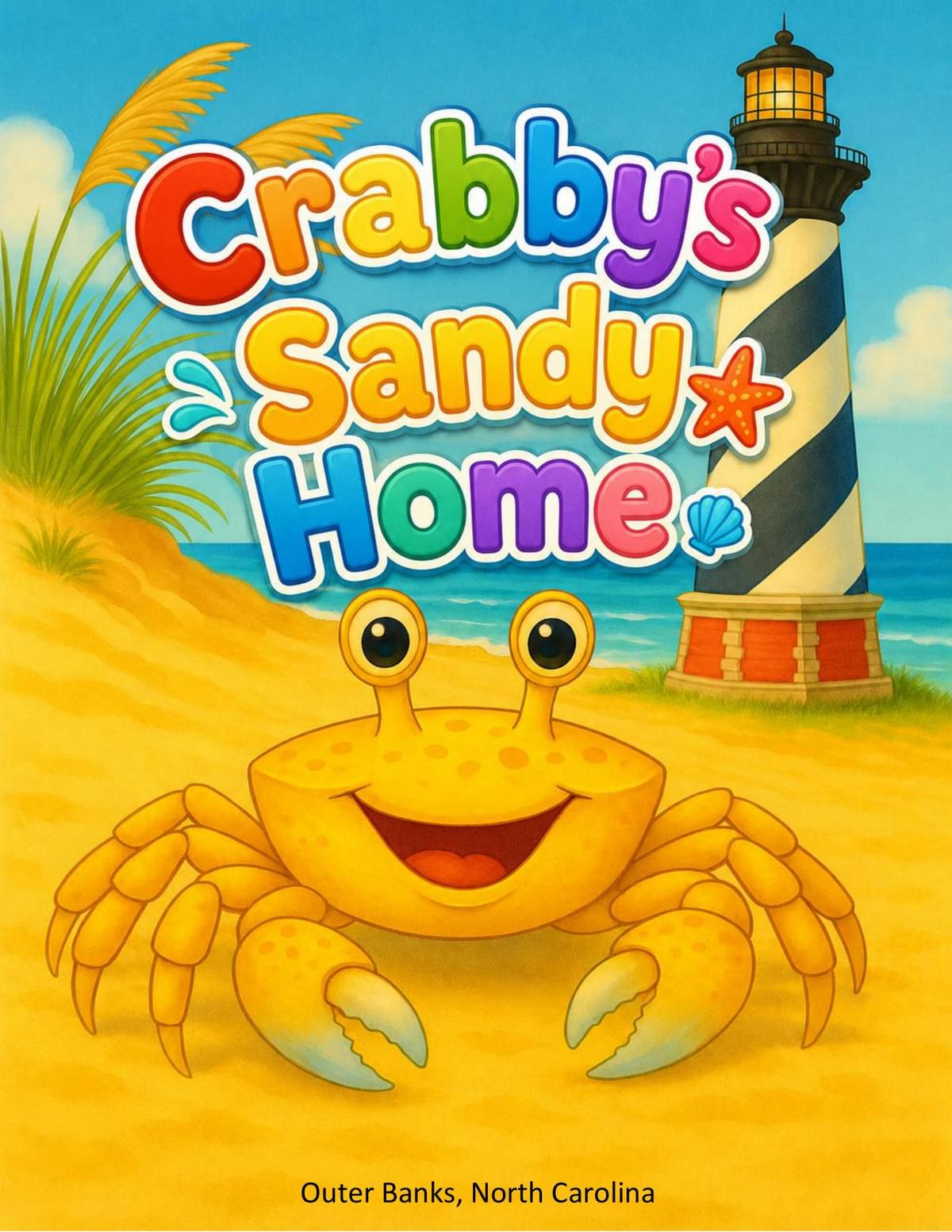
Crabby, a shy ghost crab, lives peacefully in the dunes of the Outer Banks. One day, two children, Clara and Ted, accidentally step on his burrow while playing. Surprised and feeling bad, they learn from their mom that dunes are homes for animals like Crabby. From then on, they stay on the paths and watch
from afar, careful not to disturb nature.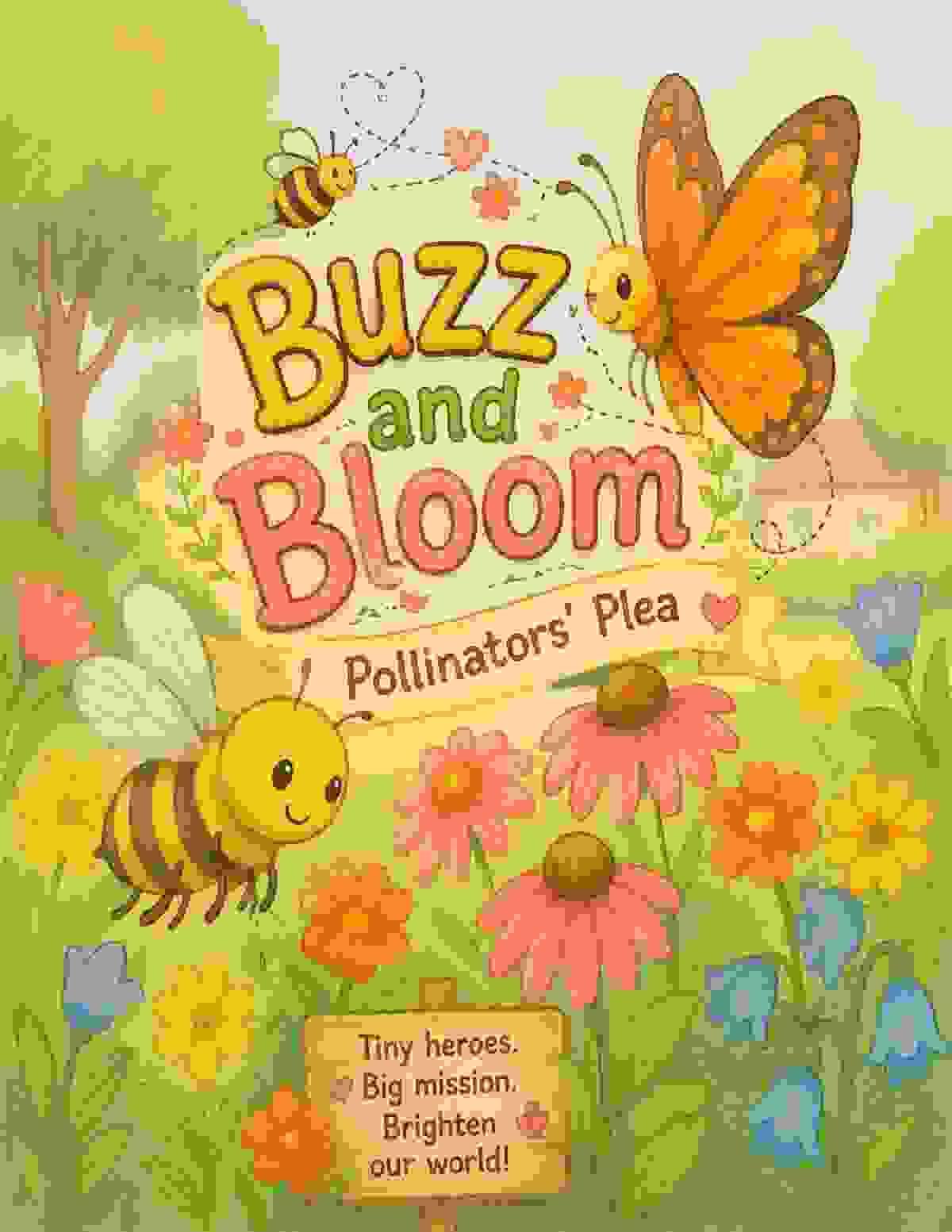
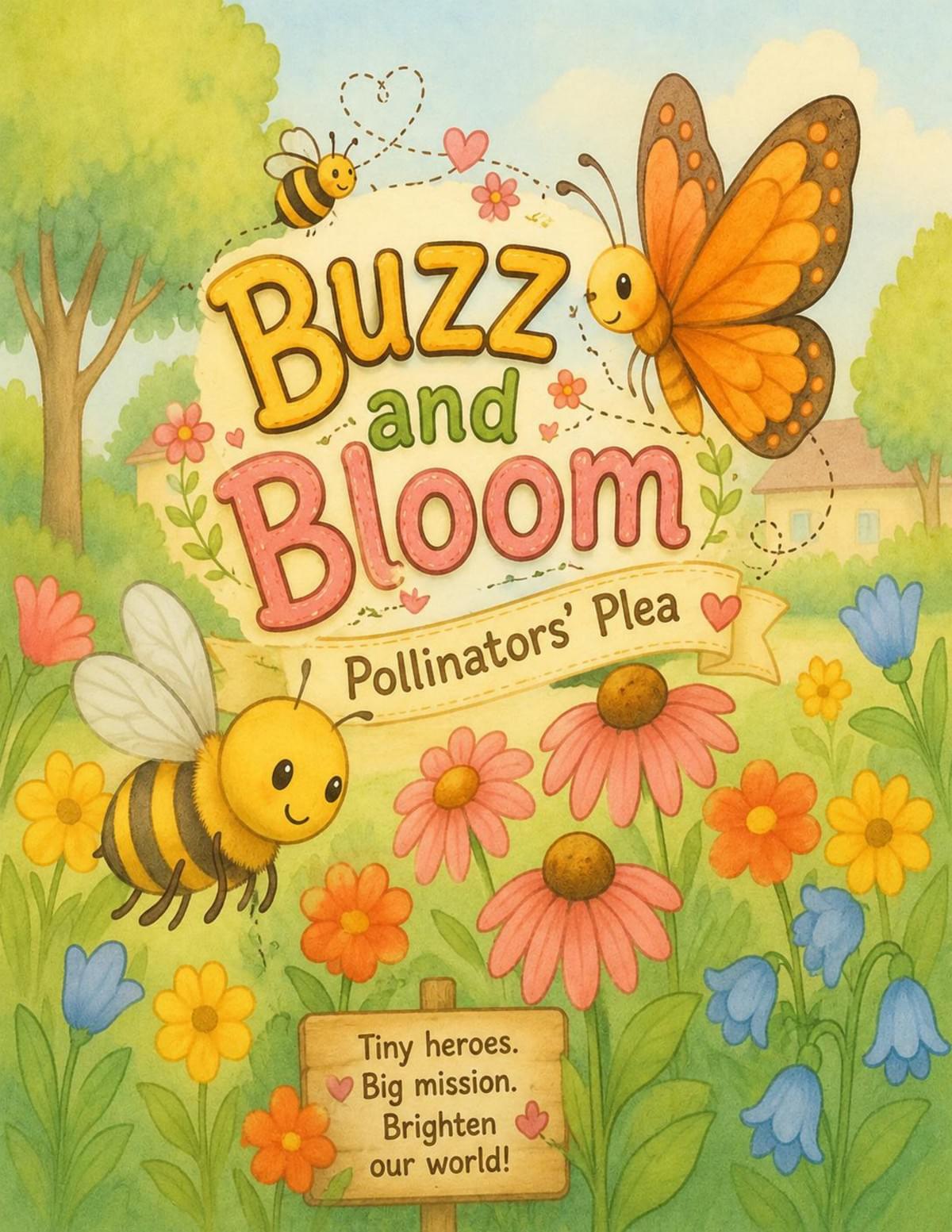
Buzz the bee and Bloom the butterfly visit a yard that smells funny. “Someone sprayed chemicals!” Bloom says. The flowers look droopy, and the nectar makes them feel sick. A boy named Eli notices there aren’t many bees or butterflies anymore. When he learns the spray hurt the good bugs, he wants to help.
Eli and his mom make a sign: “Bee‑Friendly Garden – No Harmful Sprays!” They plant marigolds, milkweed, and lavender. Buzz and Bloom come back the next day. “They listened!” Bloom cheers. The nectar is clean again, and the garden fills with happy pollinators. A little care helps everyone grow.Message: Avoid using harmful sprays—plant pollinator-friendly gardens to help bees, butterflies, and nature thrive.
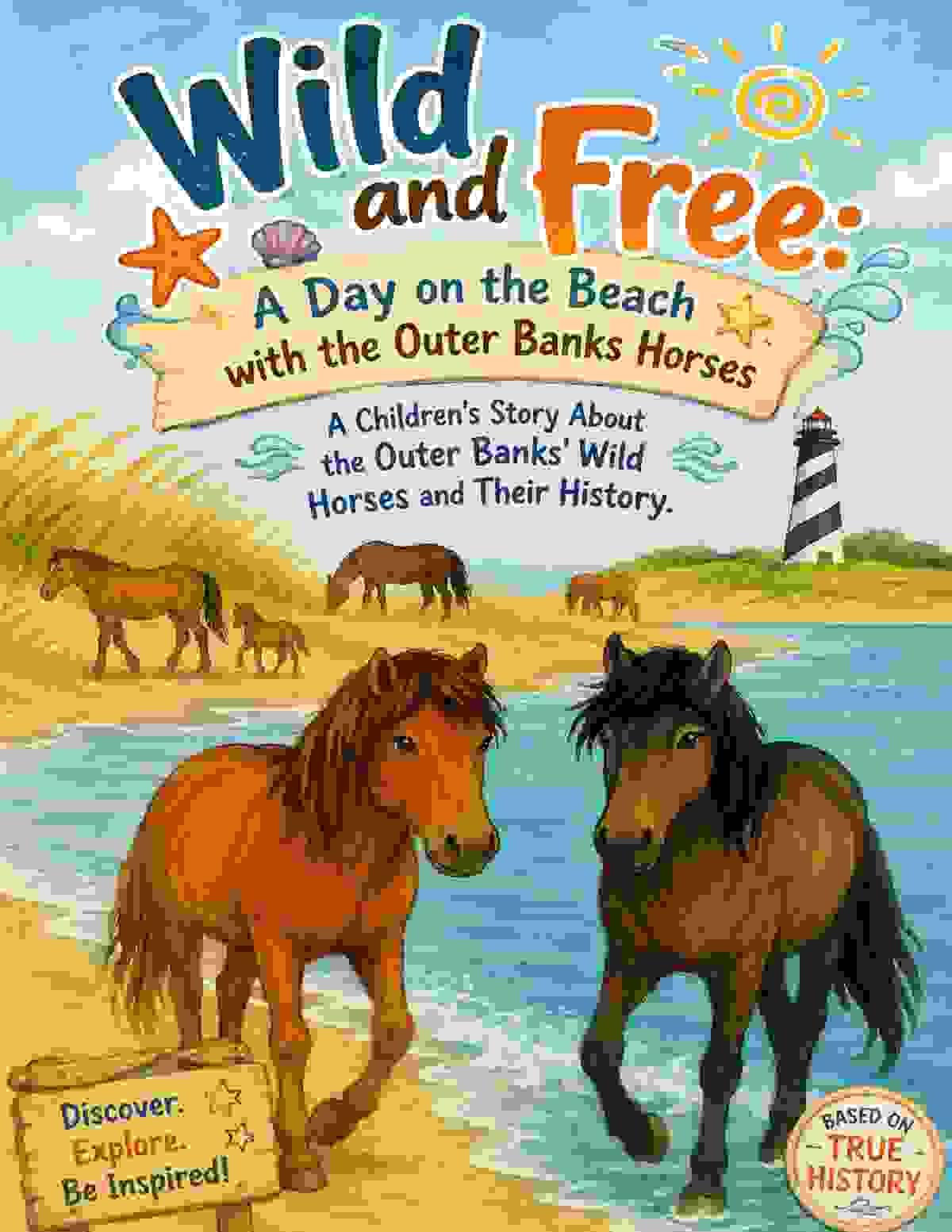
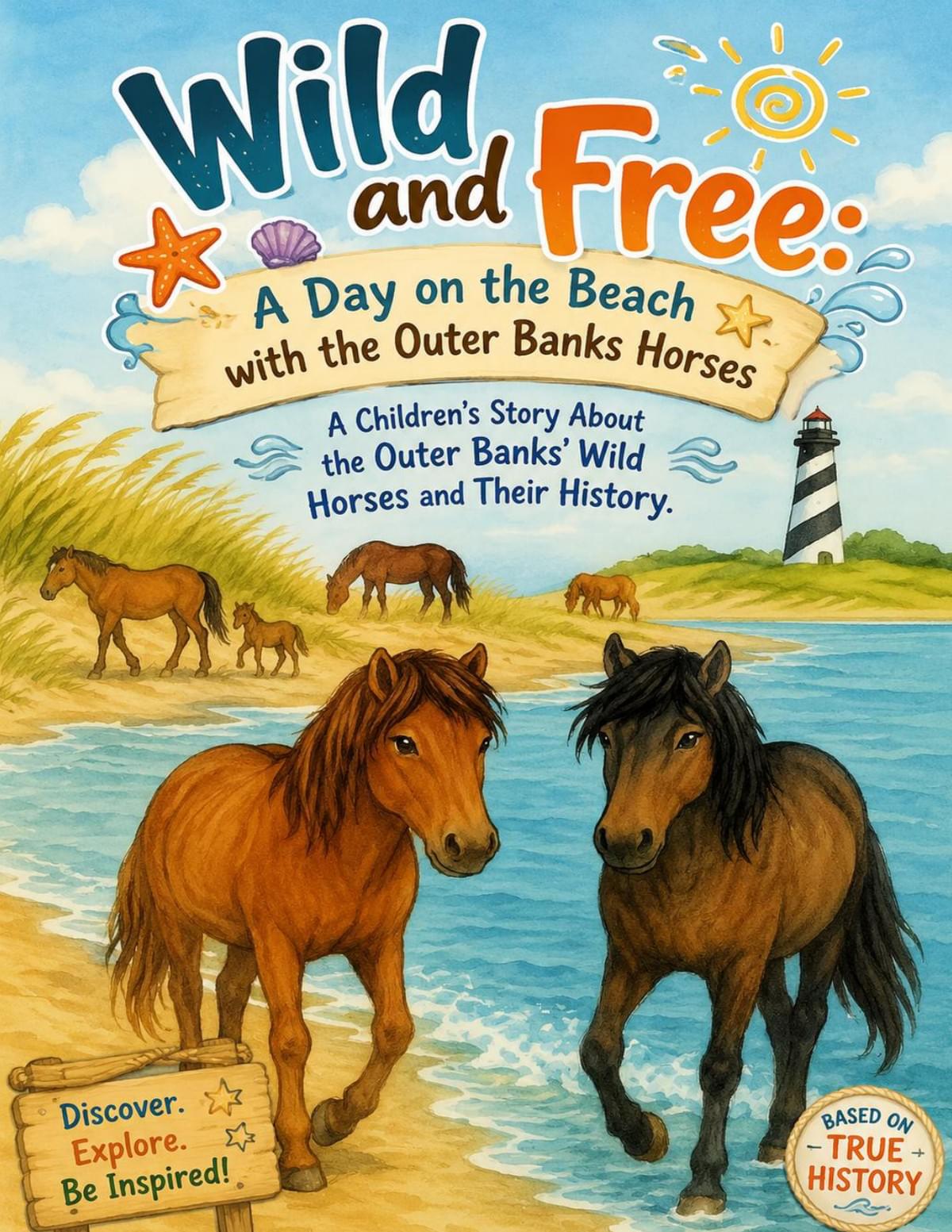
Wild and Free: A Day on the Beach with the Outer Banks Horses
A Children's Story About the Outer Banks' Wild Horses and Their History.
Jan and Jake visit the Outer Banks and are thrilled to see wild horses near the beach. As they get too close, a park ranger stops them and explains the importance of respecting these animals. The horses have lived there for over 400 years and must be admired from a distance. The ranger teaches them not to feed, touch, or chase the horses, and to always protect their habitat. The children learn to enjoy the horses safely and respectfully.
Message: Wild horses deserve space and protection—observe from afar and never feed or disturb them.
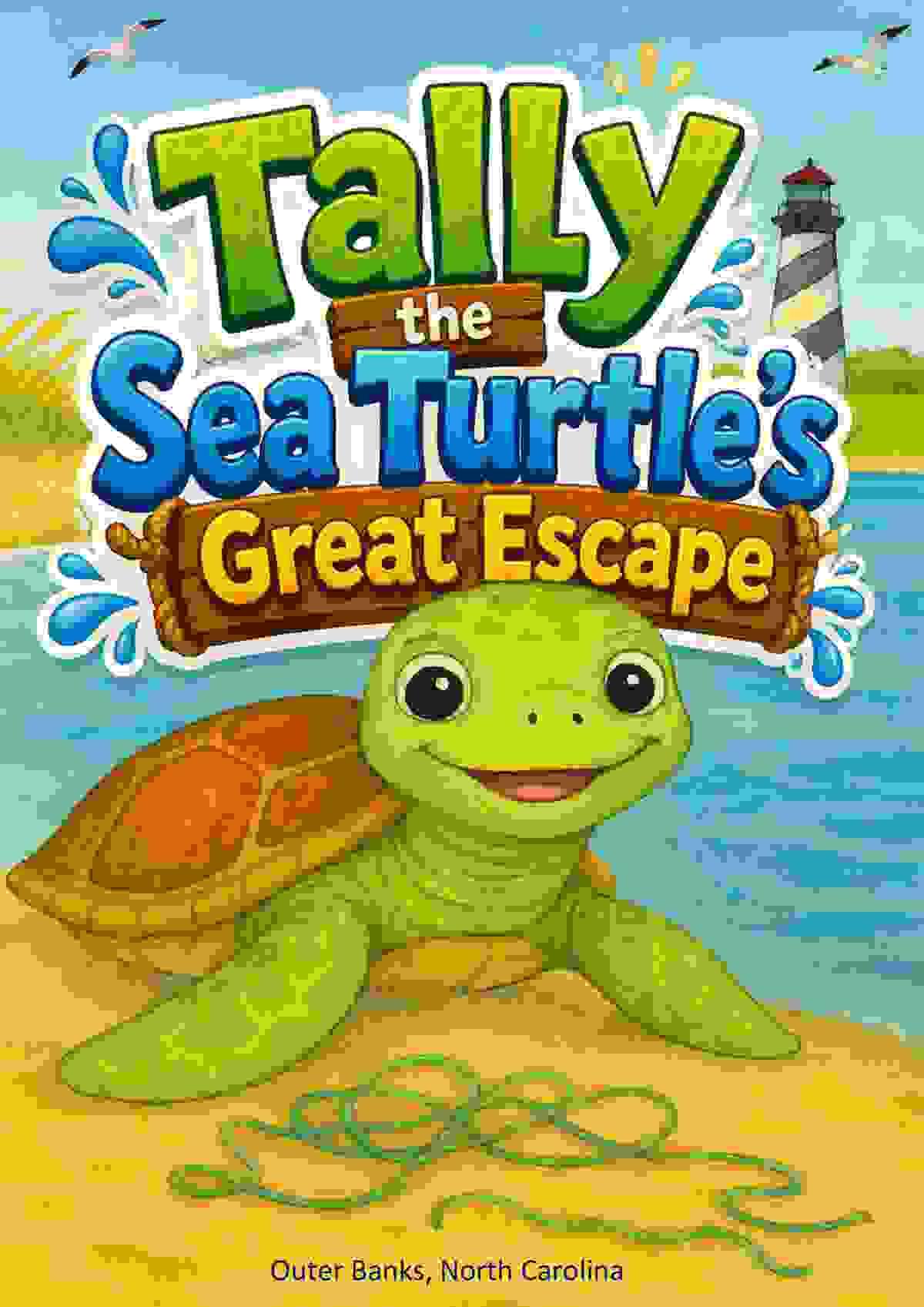
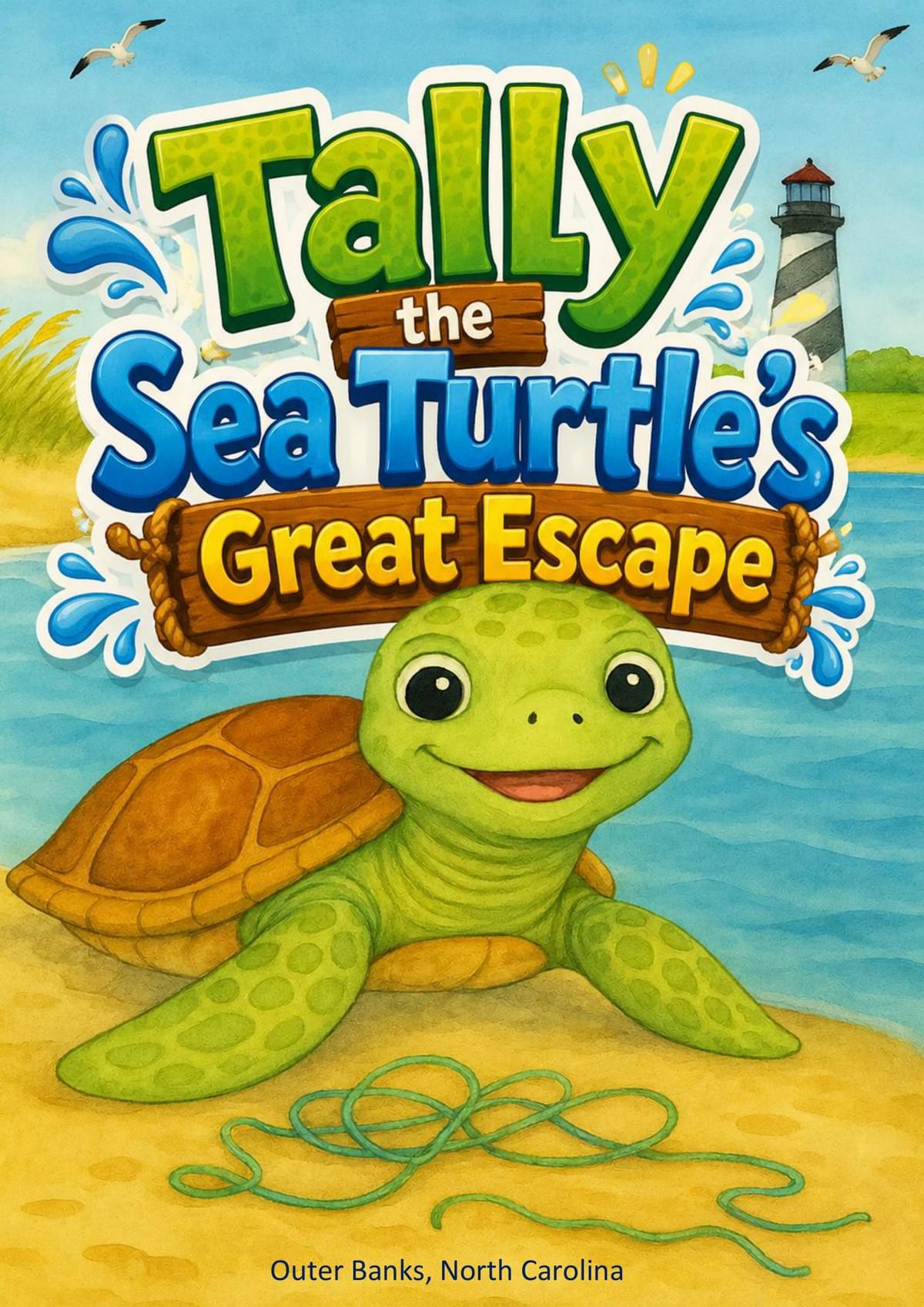
Tally, a sea turtle from the Outer Banks, gets tangled in fishing line while swimming. She struggles to escape but can’t free herself. Thankfully, a beachgoer sees her and calls a rescue team. They carefully cut the line and help her recover. Tally swims off happily, reminding readers to keep the ocean clean.
Message: Trash like fishing line harms ocean animals. Help protect wildlife by keeping beaches and oceans clean.
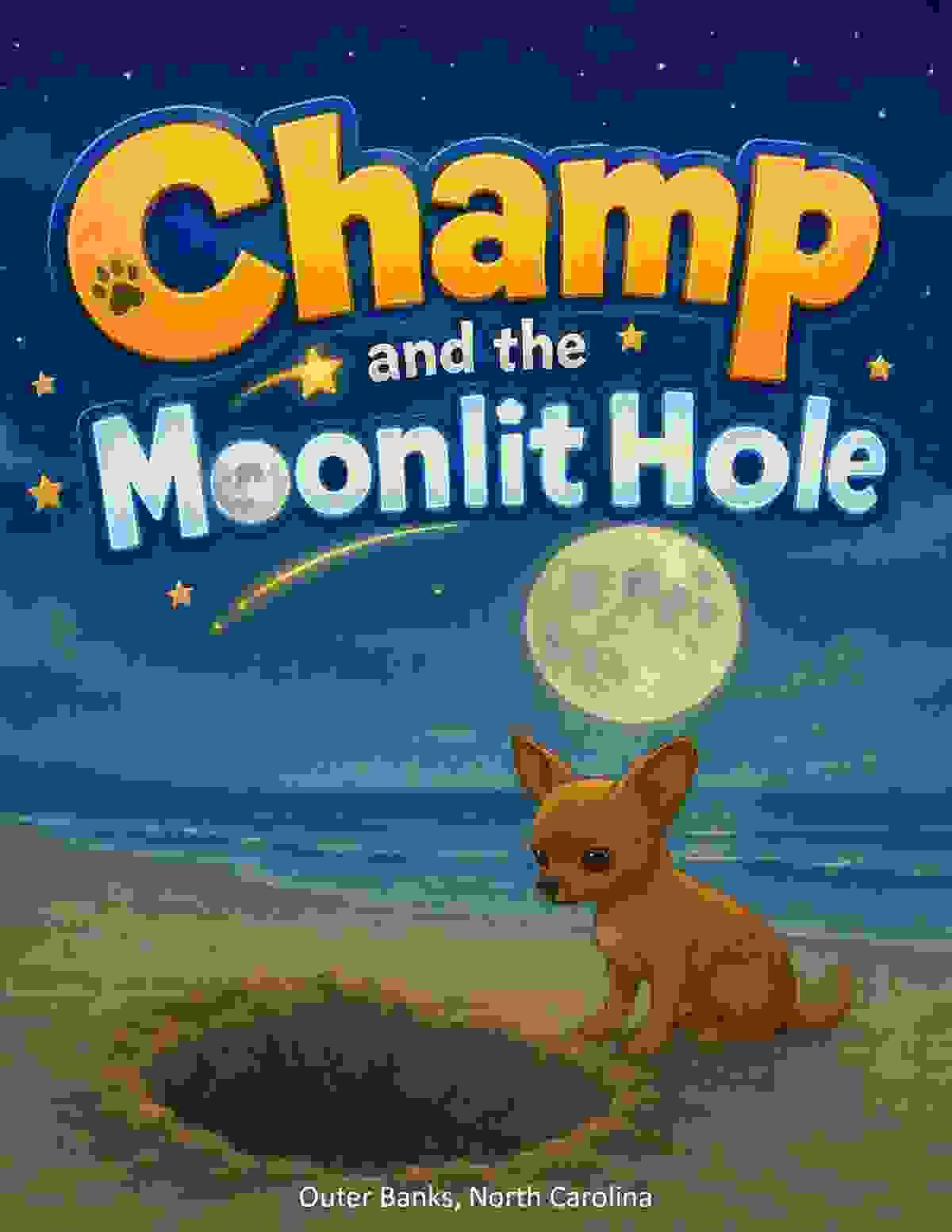
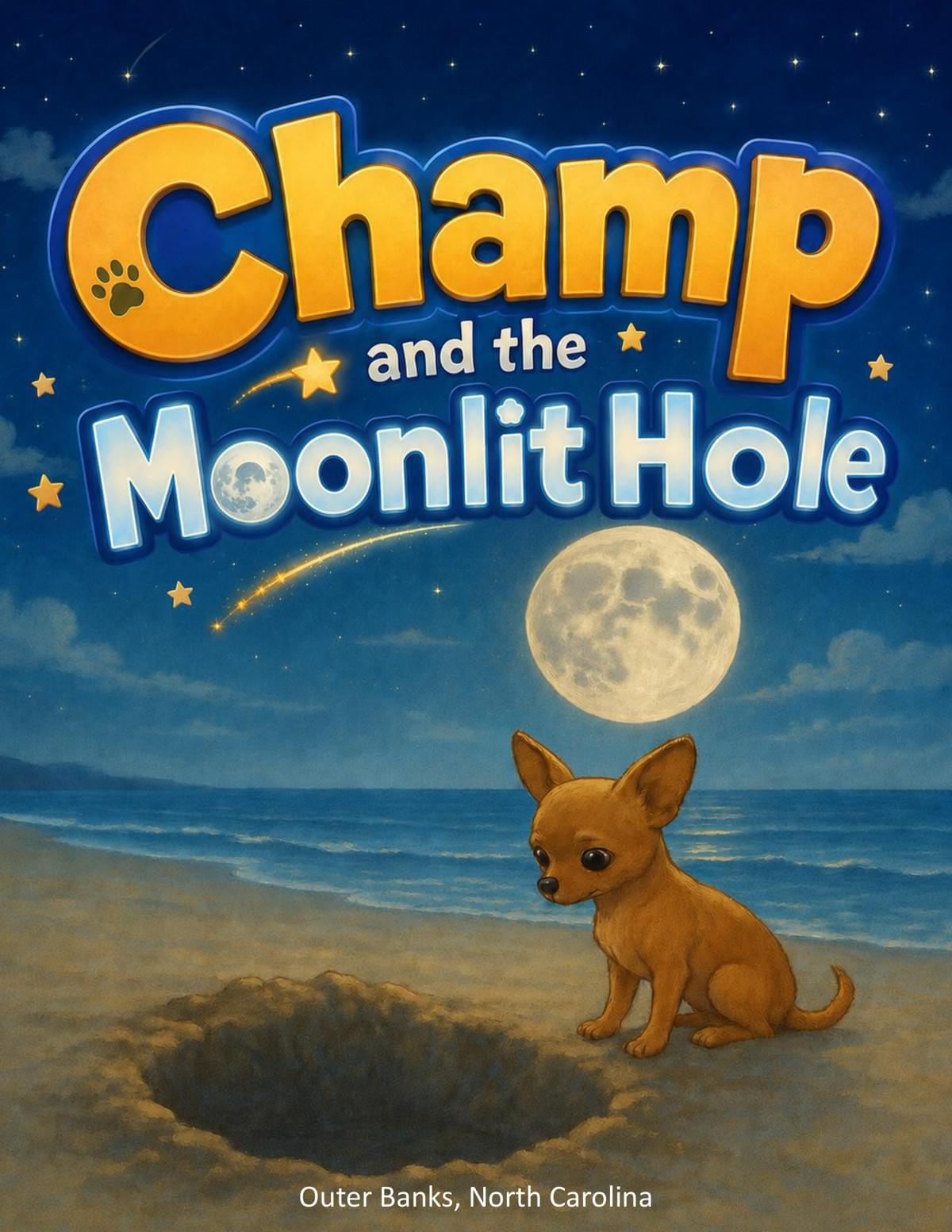
Champ and the Moonlit Hole is a children's story created by the Outer Banks Coastal Conservation to promote environmental awareness. It follows three siblings—Jimmy, Suzie, and Tommy—who vacation every summer at the Outer Banks, North Carolina. One day, they dig a giant hole in the sand but forget to fill it in before leaving. That night, their tiny dog, Champ, falls into the hole while enjoying the moonlight and gets stuck. Thankfully, a woman walking her dog hears Champ’s barks and rescues him. The next morning, the children find a note reminding them to fill in beach holes to protect animals and people. They feel remorseful and commit to filling in holes from then on. The story ends with a message encouraging everyone to fill beach holes for the safety of wildlife, pets, and people.
Message: Always fill in holes on the beach—it helps protect animals and people.
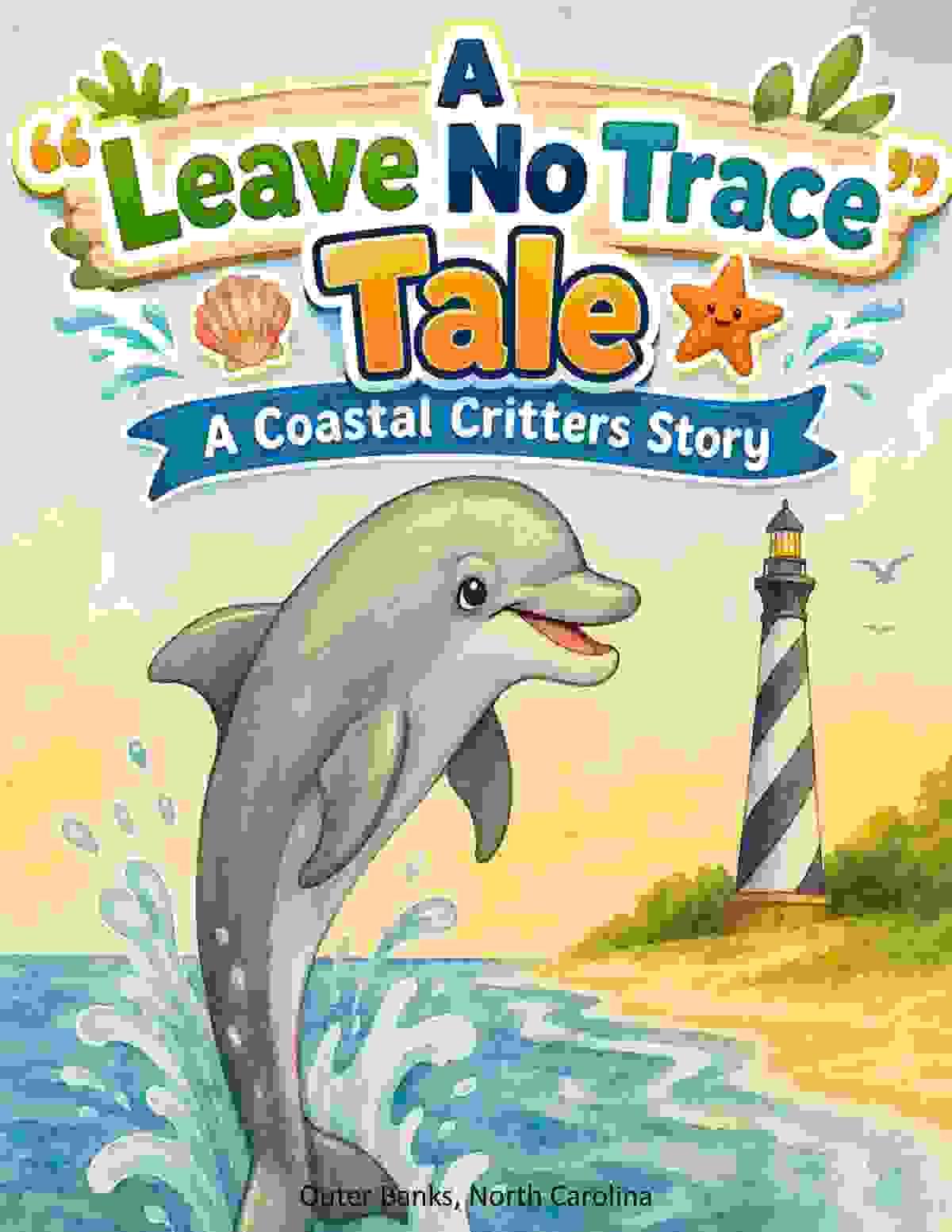
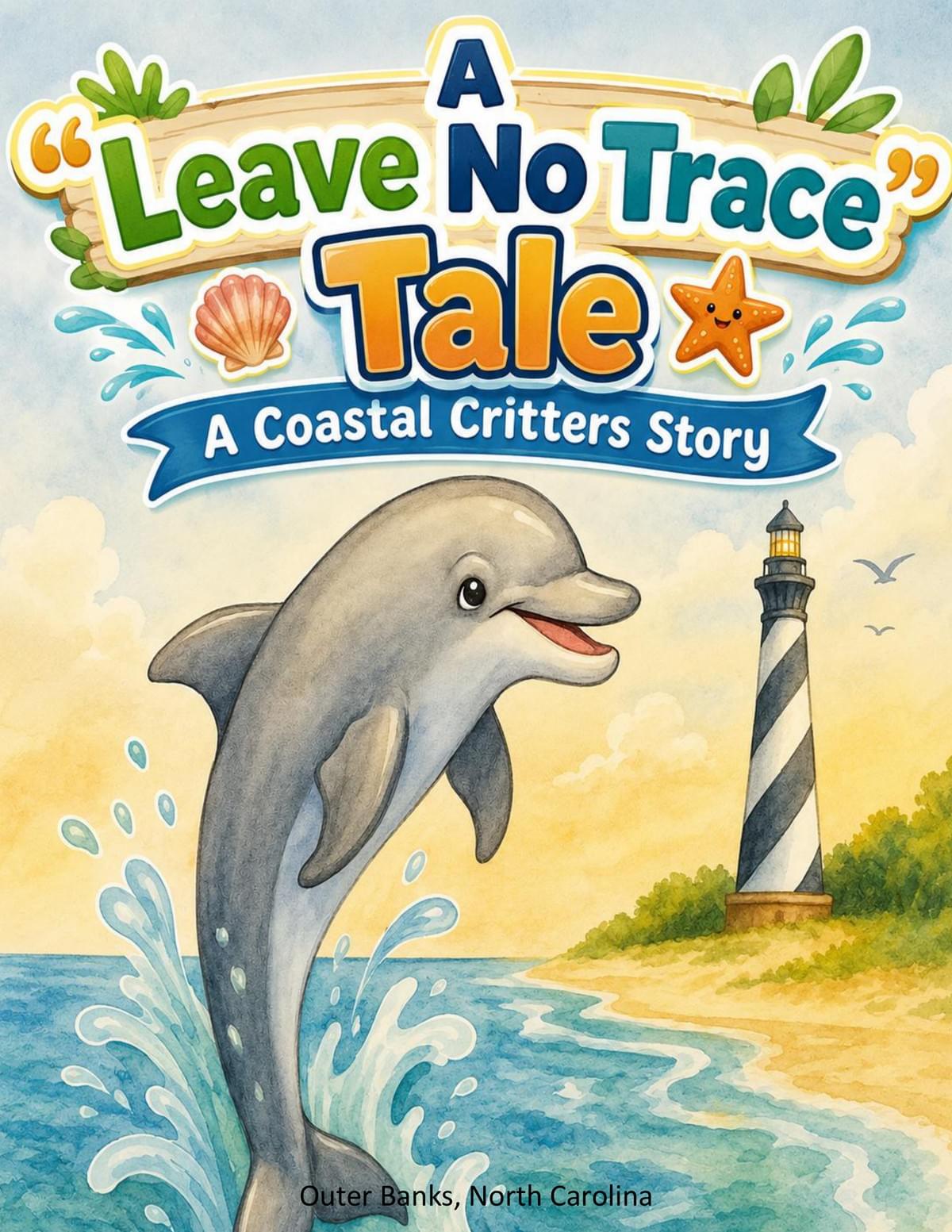
Sandy the ghost crab and her animal friends discover their beach home is being harmed by trash, holes, and disturbed habitats. When a group of children arrives and unknowingly adds to the damage, the critters draw attention to a “Leave No Trace” sign. The children quickly learn to respect nature, clean up their mess, and become “Beach Heroes.” The story teaches the importance of caring for coastal wildlife and leaving no trace behind.
Message: The story teaches the importance of caring for coastal wildlife and leaving no trace behind.
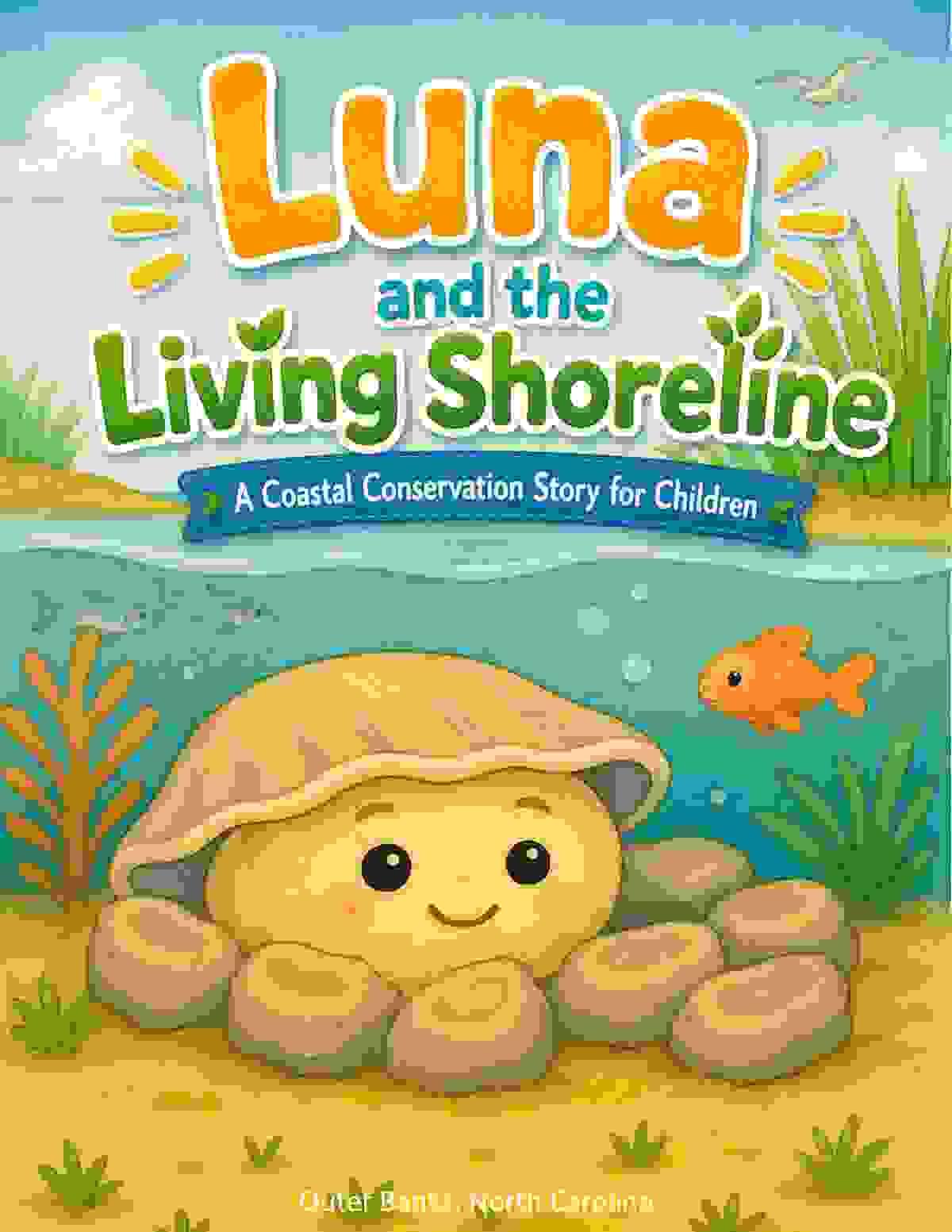
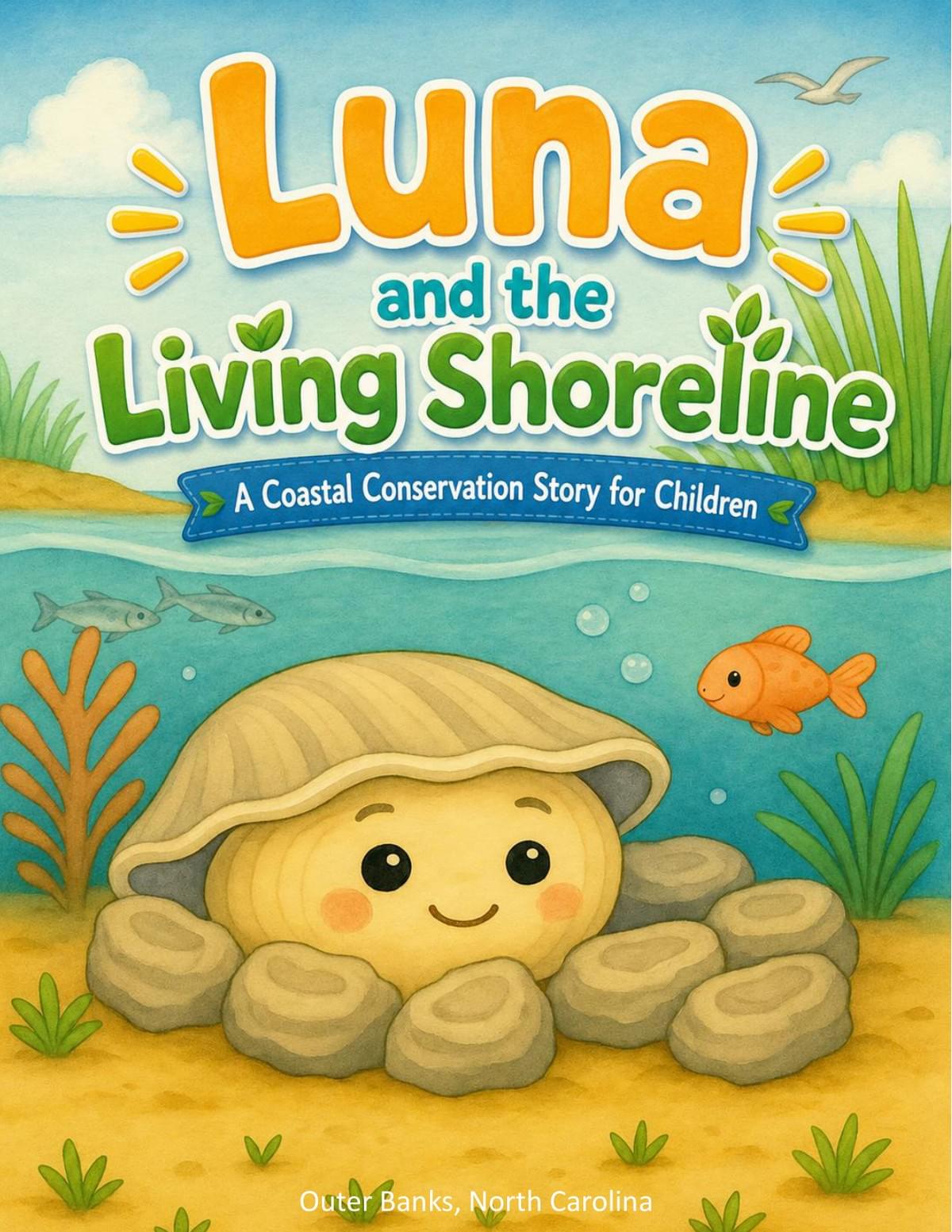
Luna and the Living Shoreline: A Coastal Conservation Story for Children tells the story of a young clam named Luna who notices that waves are washing away her shoreline home. Worried, she asks her friend Oscar the Oyster for help. Oscar teaches her that instead of building seawalls, people can create living shorelines using oyster reefs and marsh grasses. These natural barriers reduce erosion, protect wildlife, and keep the coast healthy. Luna learns that working with nature is the best way to protect the shoreline and shares this lesson with others.
Message: Living shorelines are a nature-based solution that preserves coastal ecosystems and supports wildlife—just the way Luna likes it.
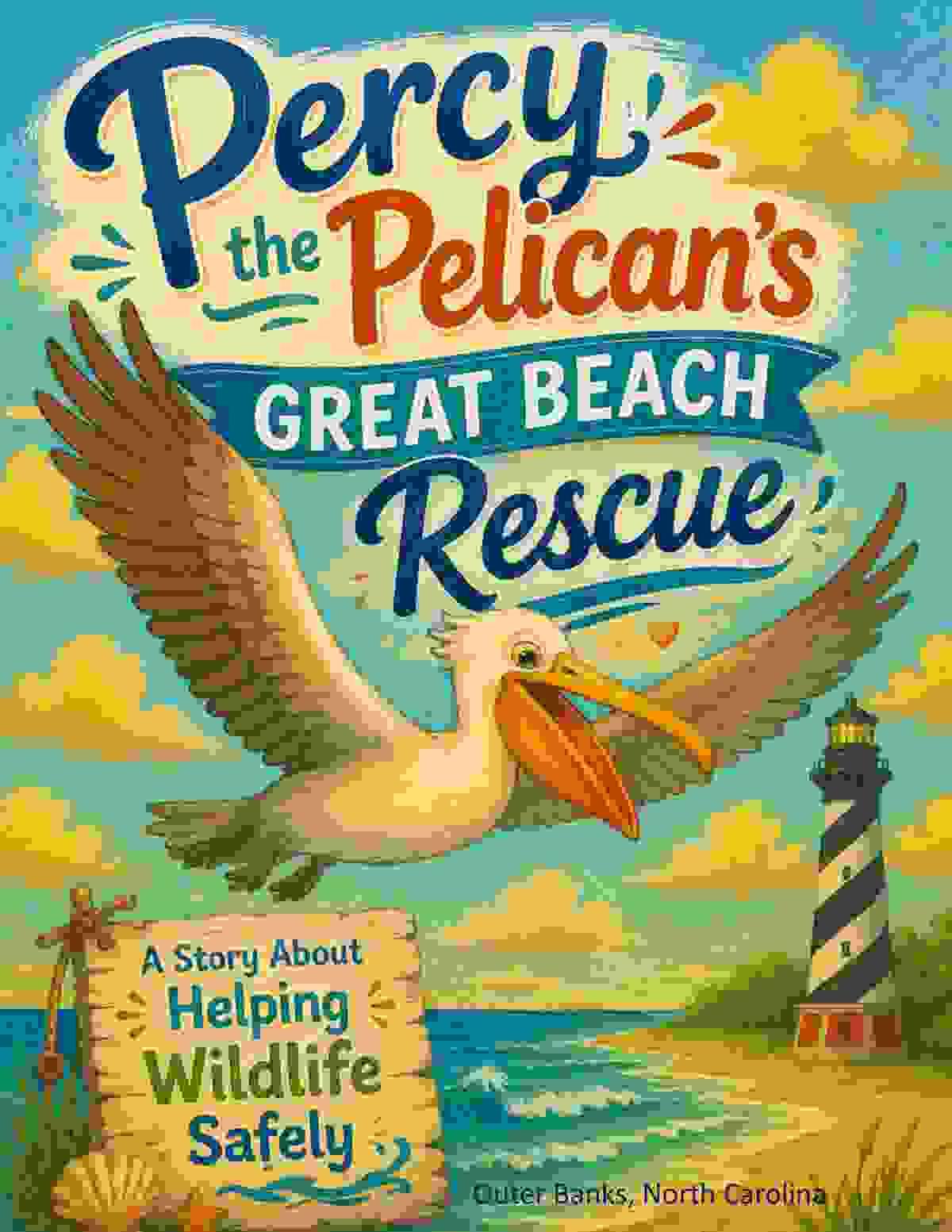
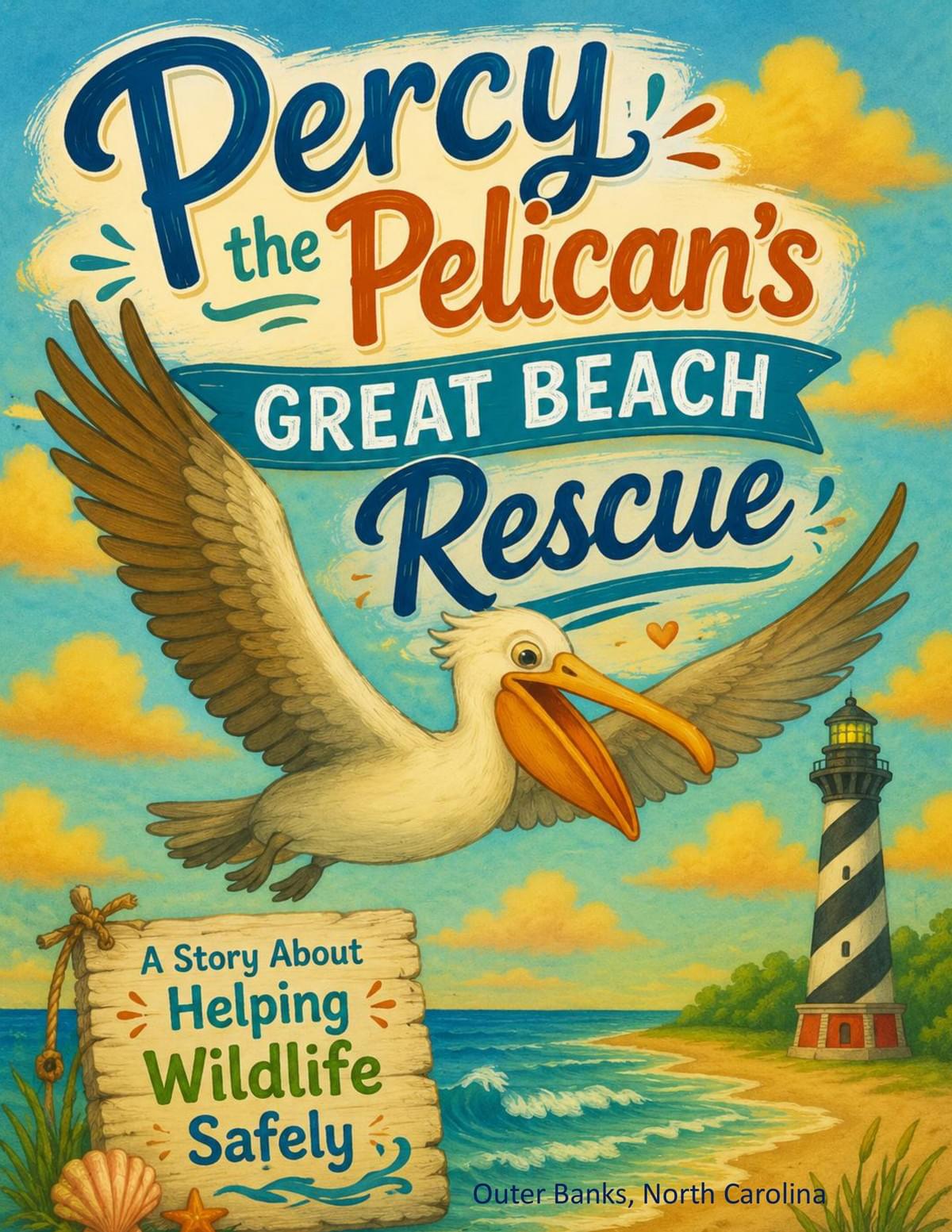
Percy the Pelican mistakes a fishing line for food and gets a hook stuck in his beak. Hurt and frightened, he flies to shore where a girl named Mary and her grandpa, a retired wildlife rescuer, spot him. They call a wildlife rescue center, and a trained rescuer named Jamie safely removes the hook. The story teaches children not to chase or touch injured birds but to call an adult and a wildlife rescue center instead. It also emphasizes the importance of cleaning up fishing gear to protect coastal wildlife.
Key Messages:
- Never leave behind fishing line or hooks.
- Don’t approach injured birds—get help from trained rescuers.
- Kindness includes being careful and responsible.
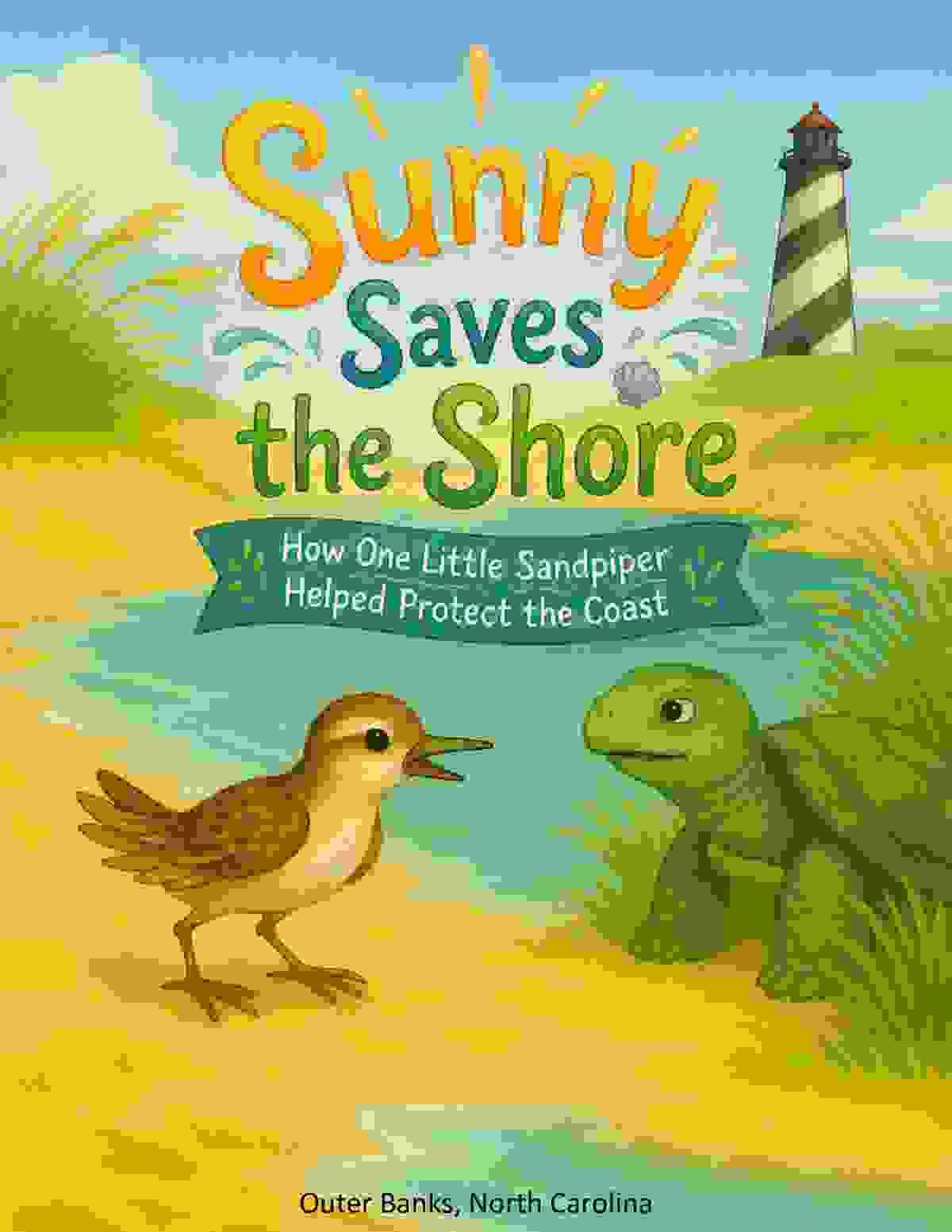
Sunny the sandpiper notices changes on her beach in the Outer Banks. Her friend Turtle Tom explains that climate change is causing sea levels to rise and storms to worsen. Sunny and her friends make a list of ways to help—like planting grass, saving energy, and cleaning up trash. Together, the animals work to protect their home, showing that small actions can make a big difference.
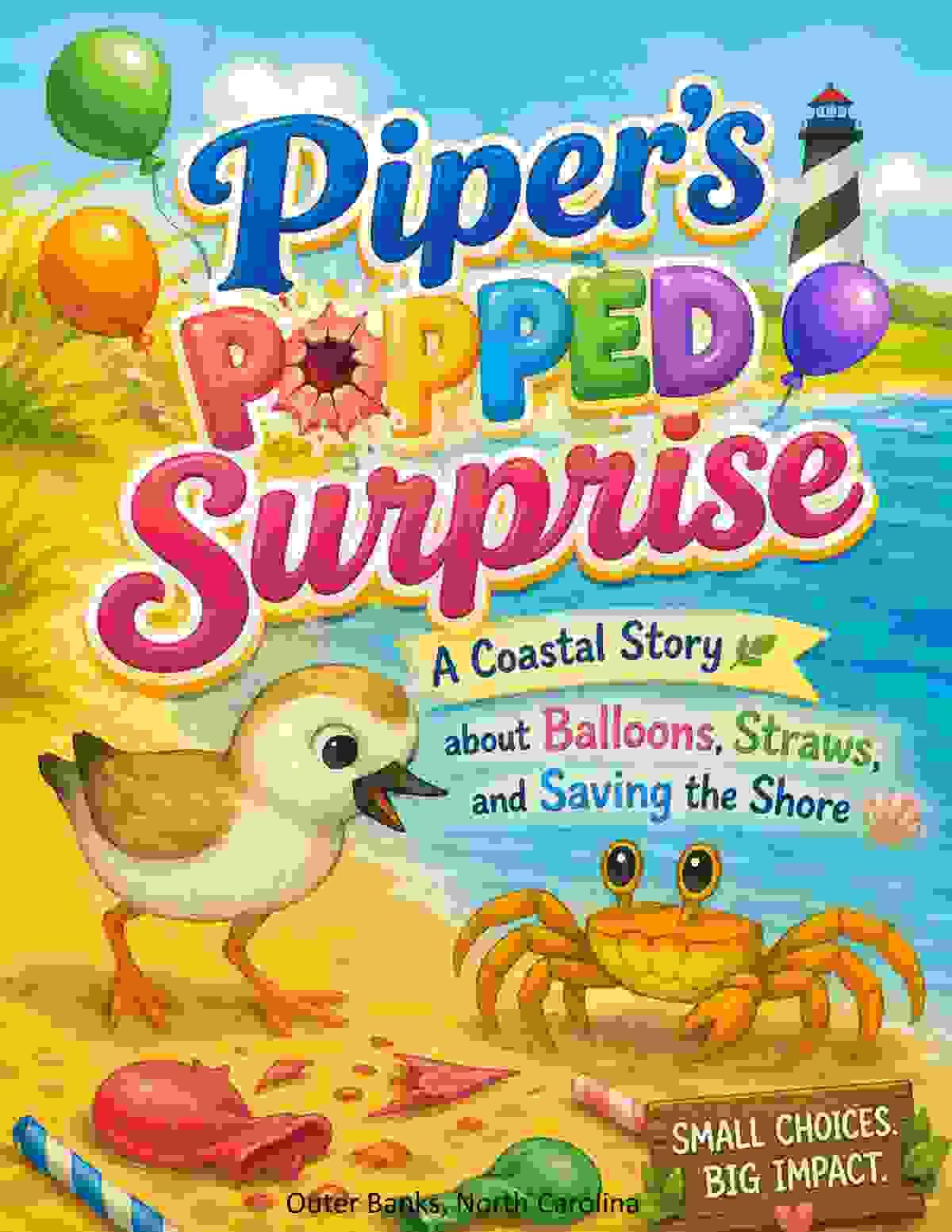
Piper the Piping Plover finds a balloon on the beach that gets tangled around her leg. Her friend Clawdia explains how balloons and plastic straws harm wildlife. Wise Old Heron teaches them safer ways to celebrate—like using reusable items and picking up litter. Piper and her friends throw a pollution-free beach party and spread the message:
- “Skip the balloon. Save a loon.”
- “Say ‘no straw, hoorah!’”
- “A clean coast is the best party of all.”
The story encourages children to protect the shore with eco-friendly choices.
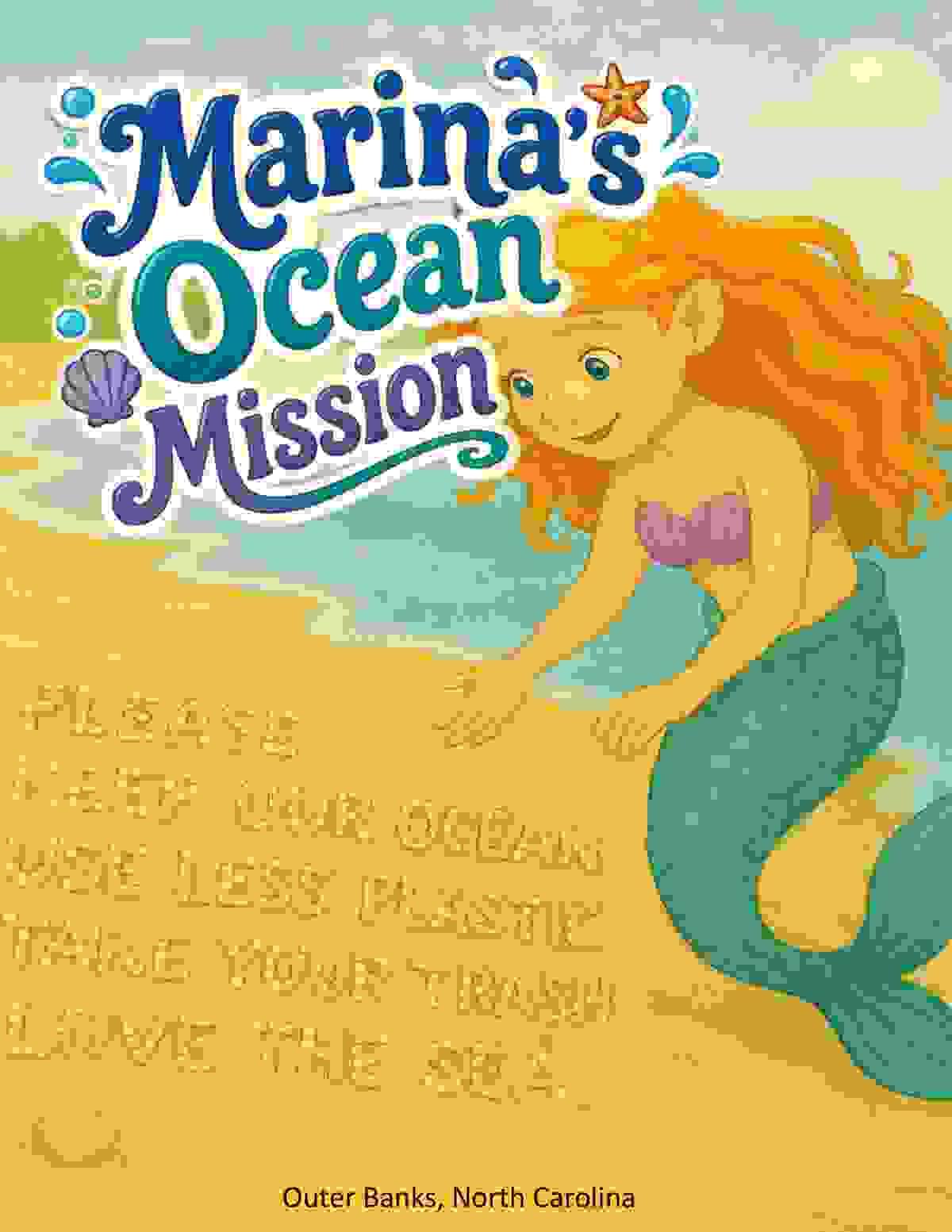
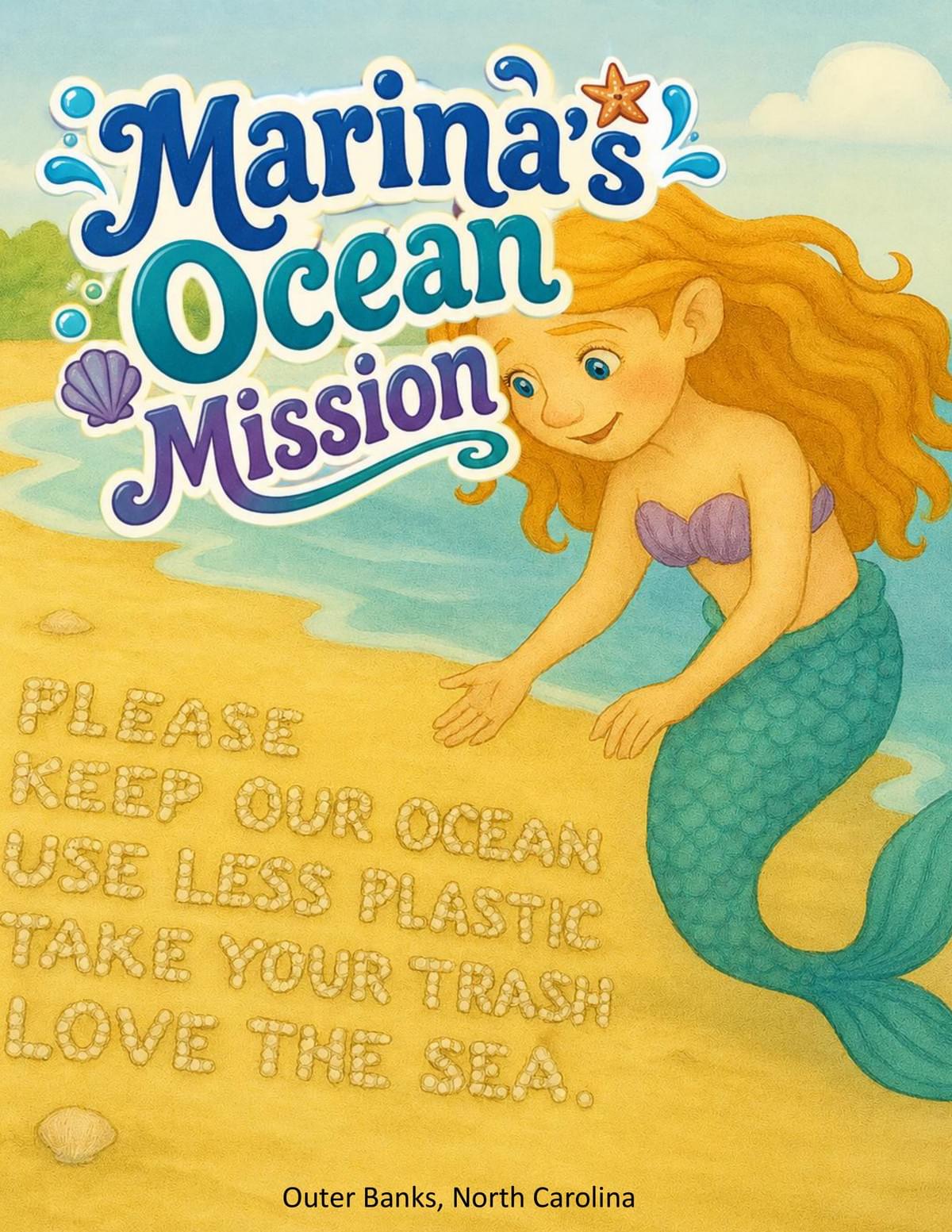
Marina the mermaid enjoys swimming through her beautiful ocean home until she discovers that sea creatures are getting hurt by trash—plastic rings, bags, and bottles—floating in the water. Realizing the pollution is coming from humans on the beach, Marina gathers her ocean friends to help clean up. After restoring the sea, she leaves a message onshore asking people to take care of the ocean. A young girl named Lily finds the message and inspires her family to help. Soon, both sea creatures and humans are working together to keep the ocean clean, proving that everyone can be a hero for the sea.
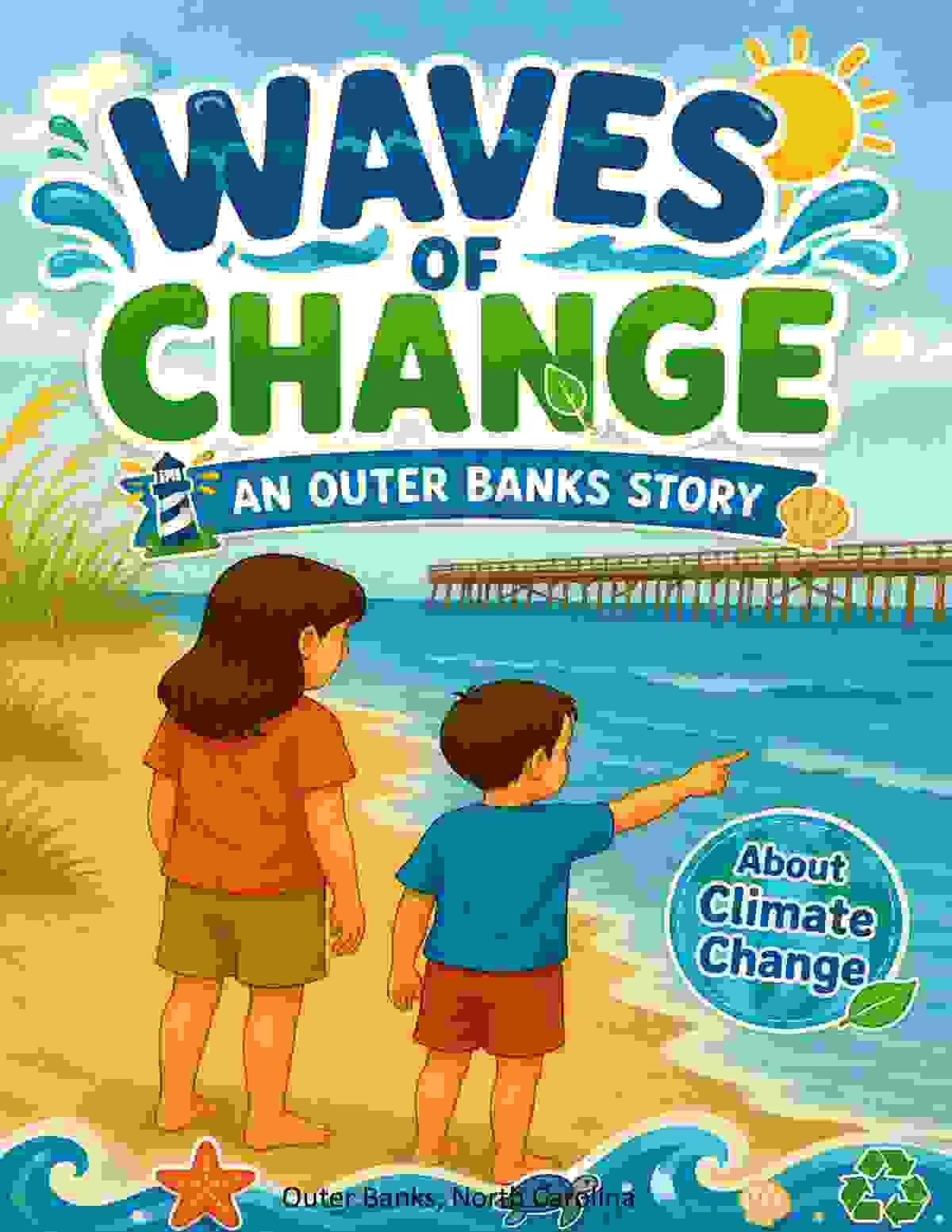
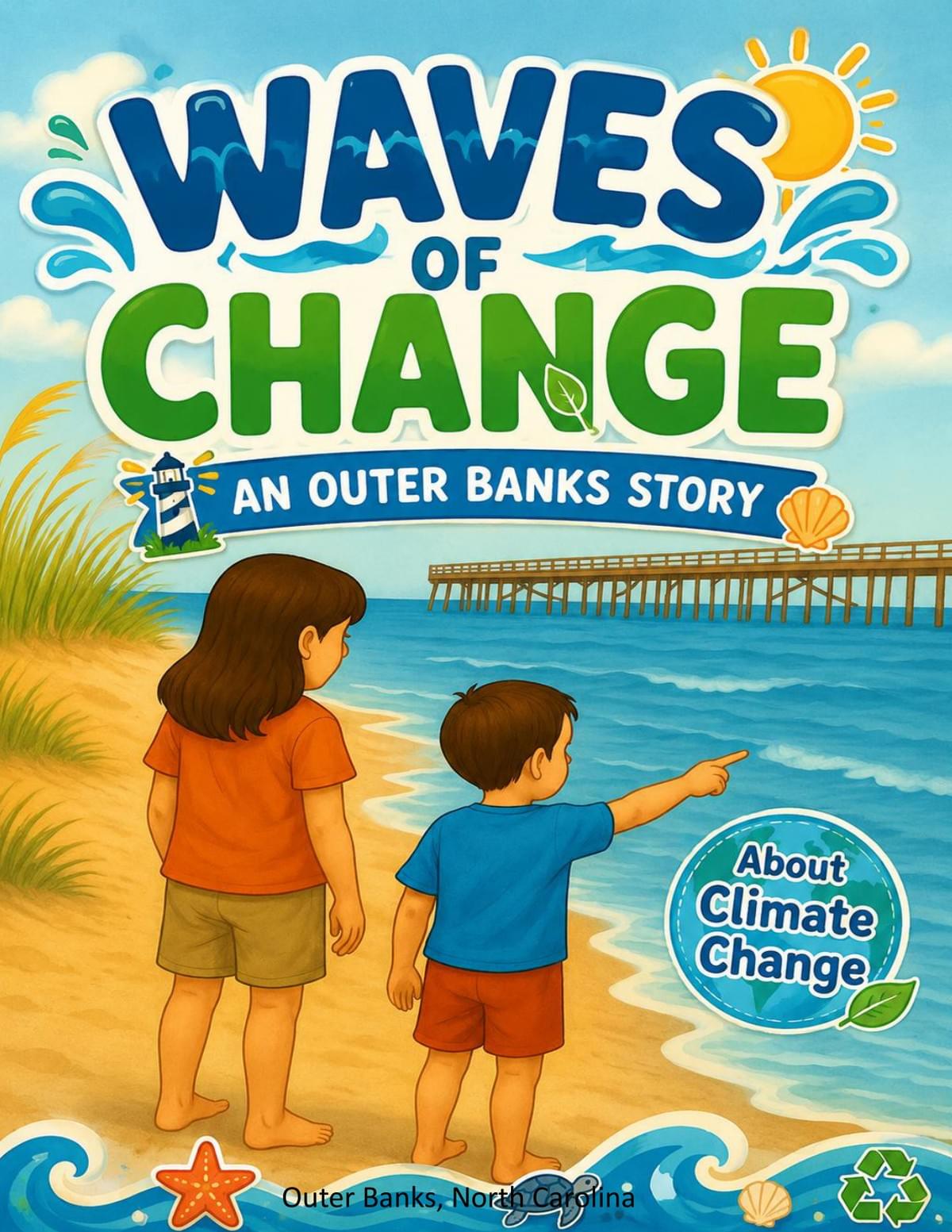
Diane and Jack visit Cape Hatteras, North Carolina and notice the beach is smaller and the water closer. Their mom explains climate change—how greenhouse gases warm the Earth, melt ice, raise sea levels, cause erosion, and make storms stronger. She shares ways kids can help, like saving energy, walking or biking, reducing plastic, cleaning up trash, and planting dune grass. Inspired, the children clean the beach and teach others. The book ends with Outer Banks facts and a quiz showing why eco-friendly choices help protect the planet.
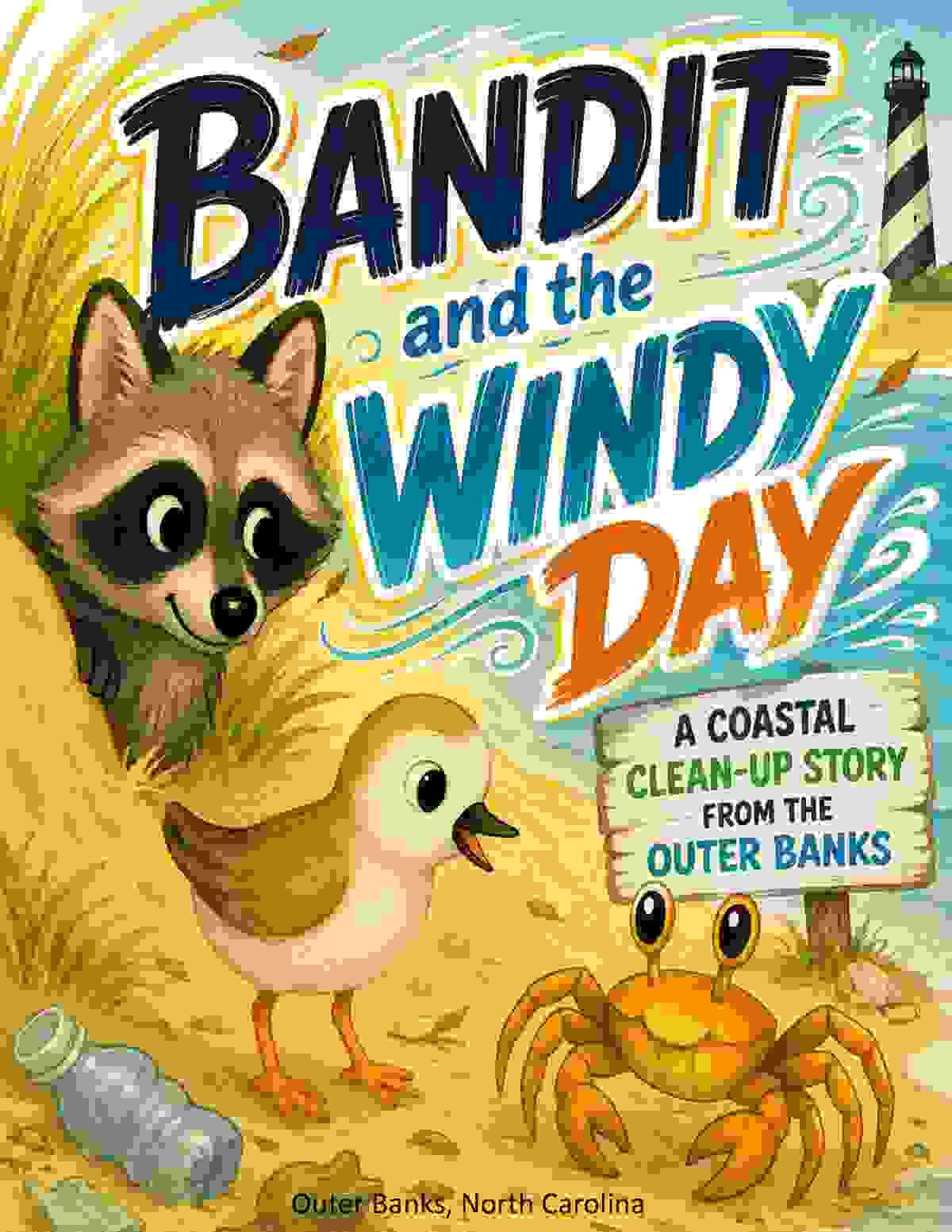
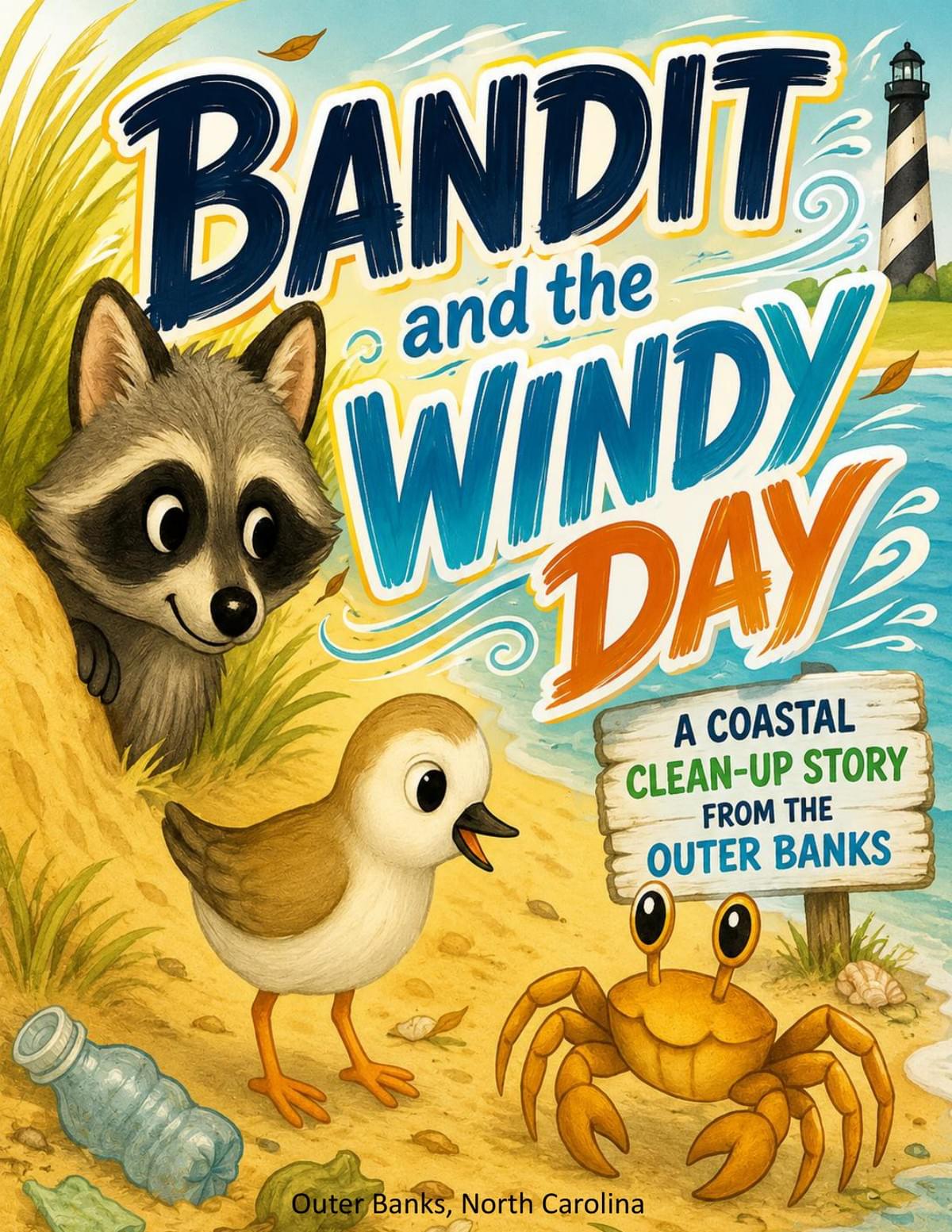
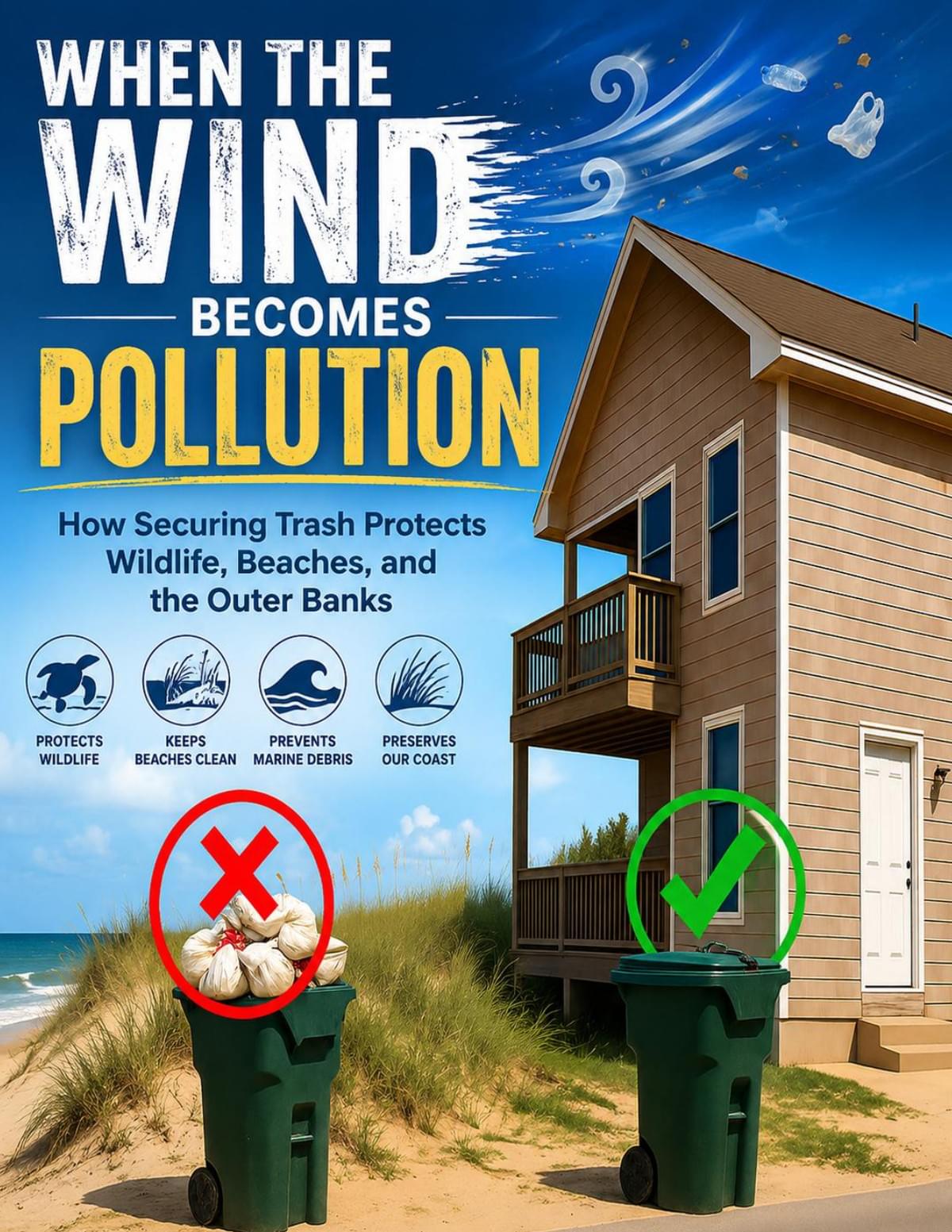
Bandit, a curious raccoon, discovers overflowing trash cans on a windy day in the Outer Banks. With help from Shells the gull and other animal friends, he secures lids, tucks trash inside, and posts friendly reminders to humans about keeping cans closed and bags tied. Their teamwork stops trash from blowing into marshes, the sound, and the ocean—protecting wildlife and keeping the coast clean. The story ends with a “Did You Know?” section explaining how wind carries litter and offering simple “Trash Hero” tips to keep the shore safe.
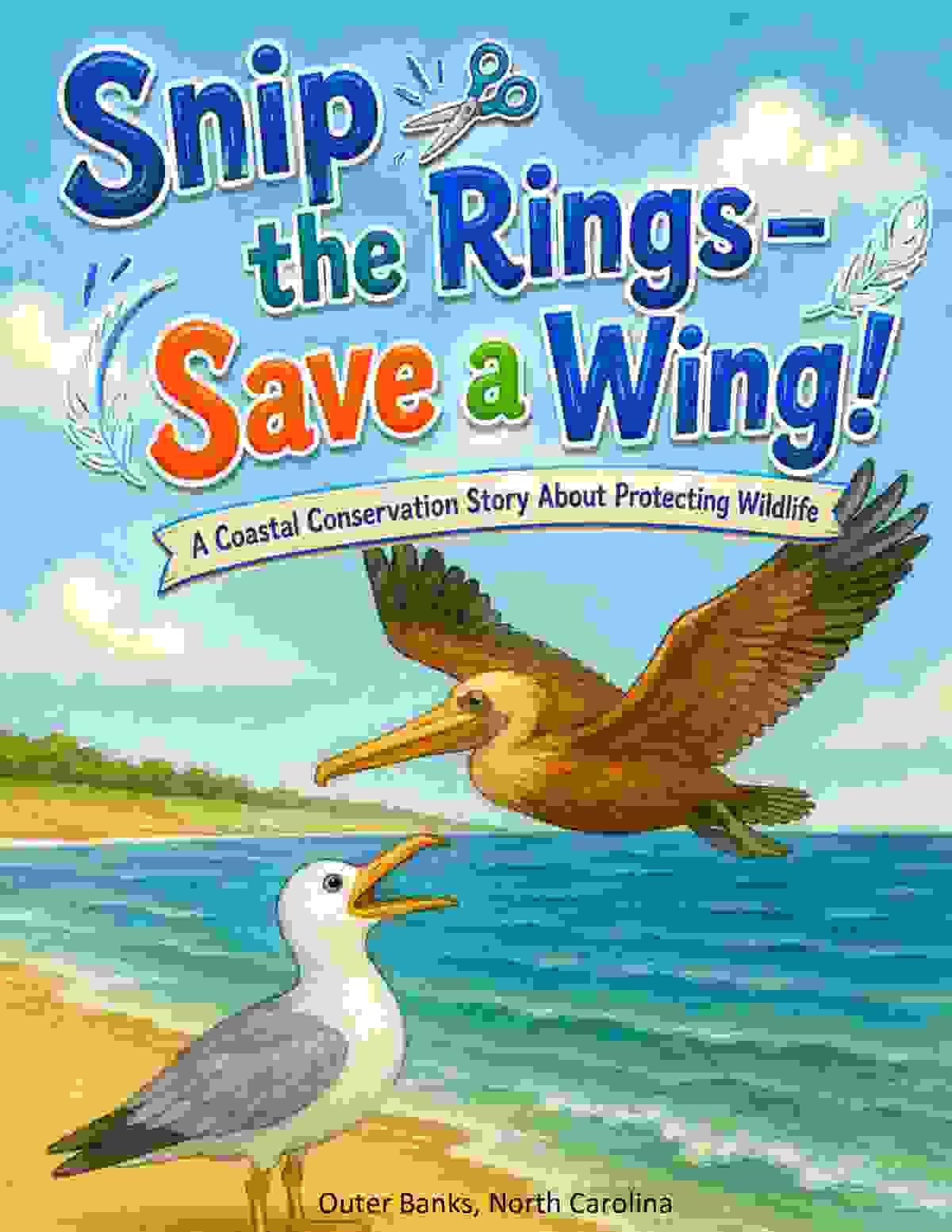
This children’s storybook follows Piper the pelican, who finds her friend Gulliver the gull trapped in plastic soda rings. A park ranger named Ann explains that soda rings can injure or kill animals if not cut before disposal. She cuts the rings, freeing Gulliver, and together they spread the message: “Cut the Rings – Save a Wing!”
The book also includes an educational note explaining that birds, crabs, sea turtles, and fish can become trapped in soda rings, preventing them from moving or eating. Thousands of animals die each year from such looped litter. The solution is simple—cut all rings before throwing them away to help protect wildlife.
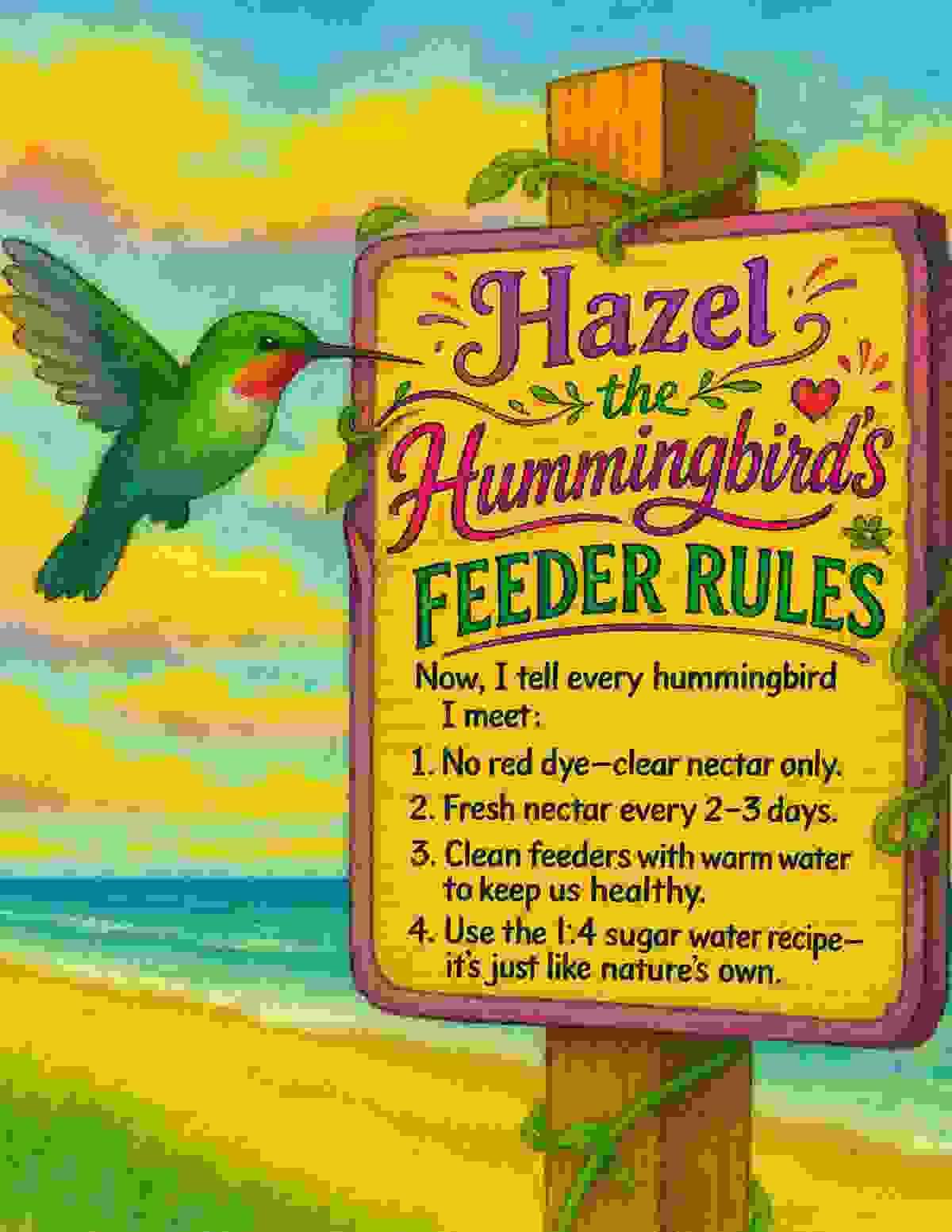
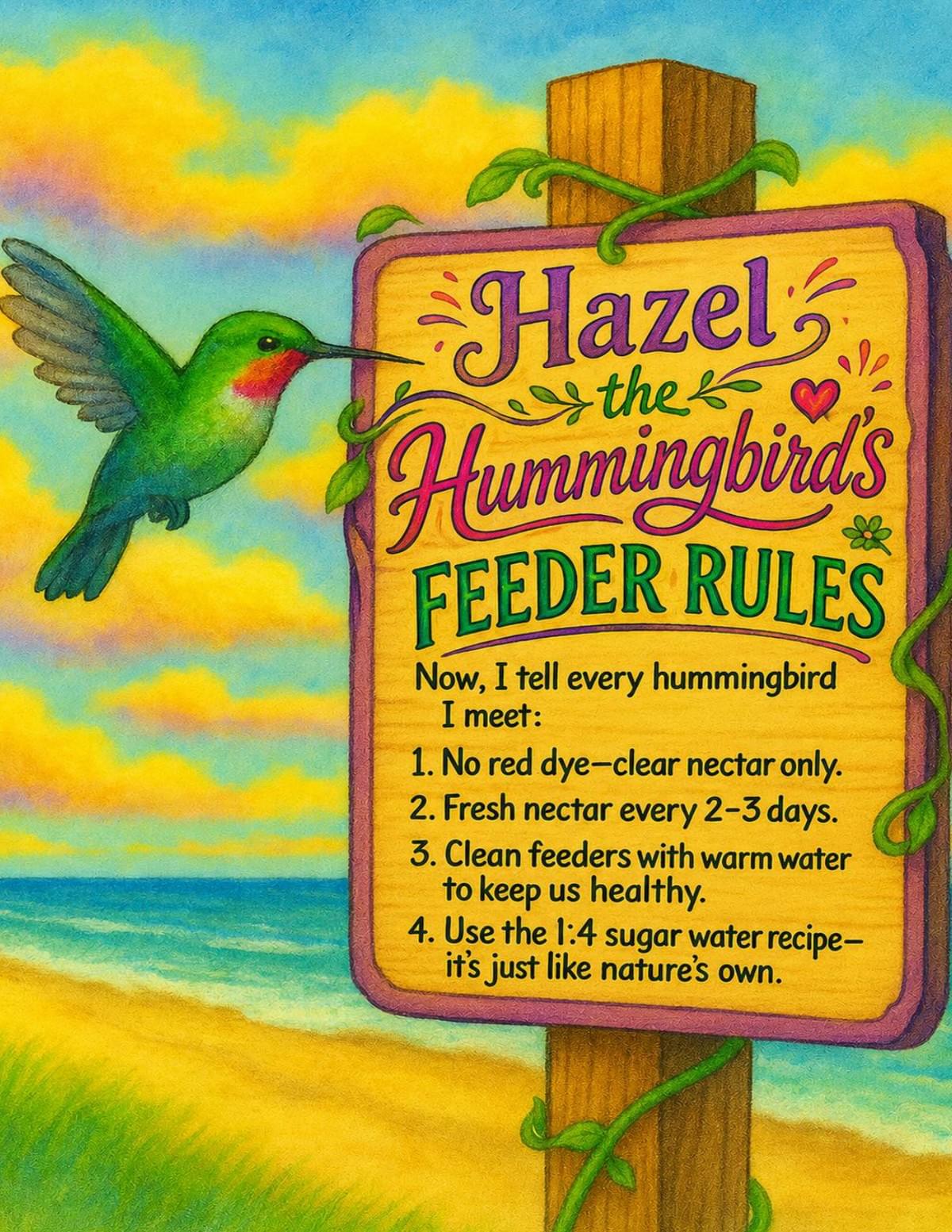
Hazel the hummingbird learns that red dye in nectar and dirty feeders can make birds sick. With help from her friend Benny and a kind human named Mia, she discovers the safe recipe—1 part sugar to 4 parts water, no dye—and the importance of cleaning feeders every 2–3 days. Hazel now shares four rules: clear nectar only, fresh nectar often, clean feeders, and use the 1:4 recipe.
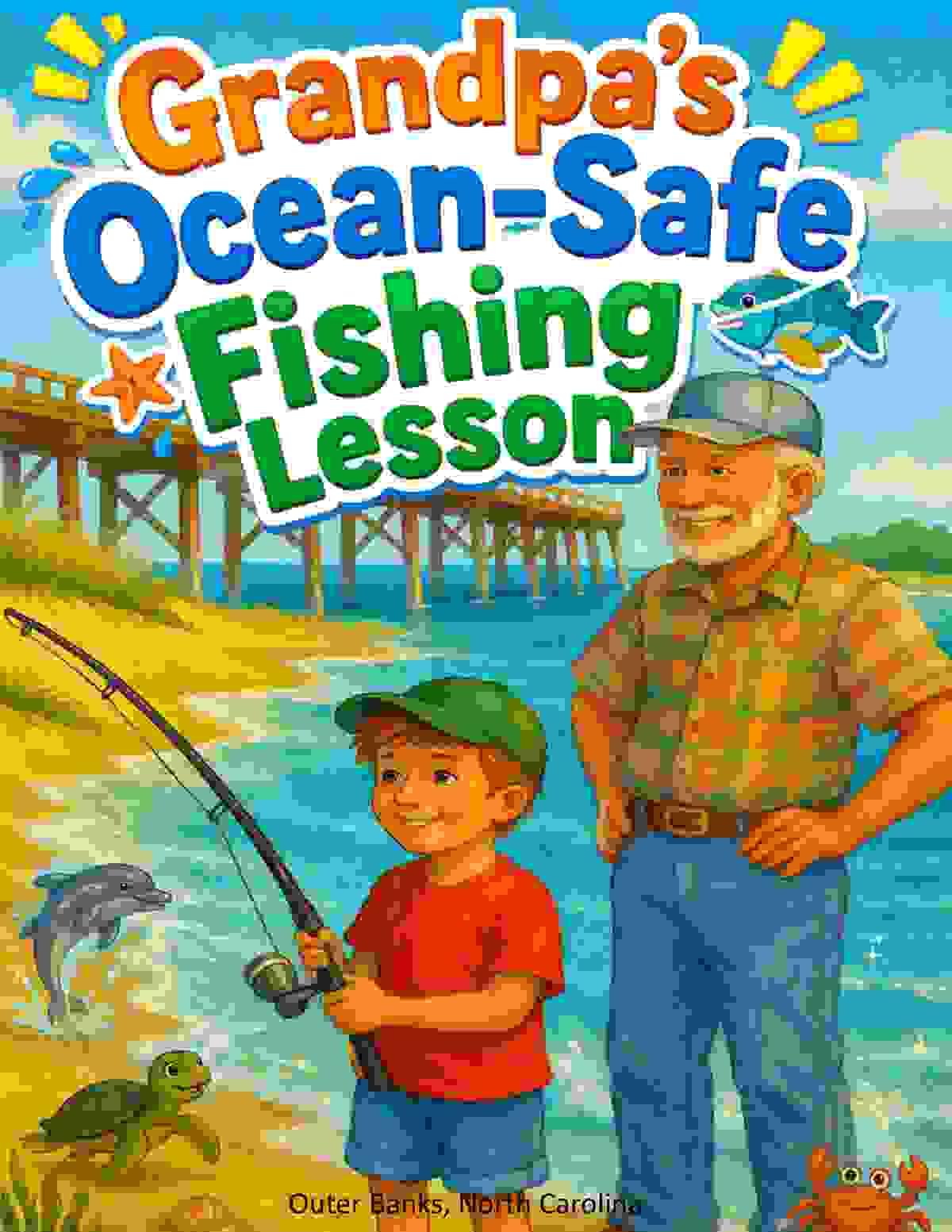
This children’s story, Grandpa’s Ocean-Safe Fishing Lesson, teaches safe, gentle fishing in the Outer Banks. Max learns from his grandpa how to catch and release fish without harming them—using circle or barbless hooks, wetting hands before handling, keeping fish in the water, removing hooks gently, cutting the line if the hook is too deep, and helping the fish breathe before release.
The book includes:
- Step-by-step hook removal tips using safe gear and minimal handling.
- Outer Banks–specific notes on fishing licenses, size limits, and catch-and-release species.
- A message that fishing responsibly helps keep the ocean healthy.
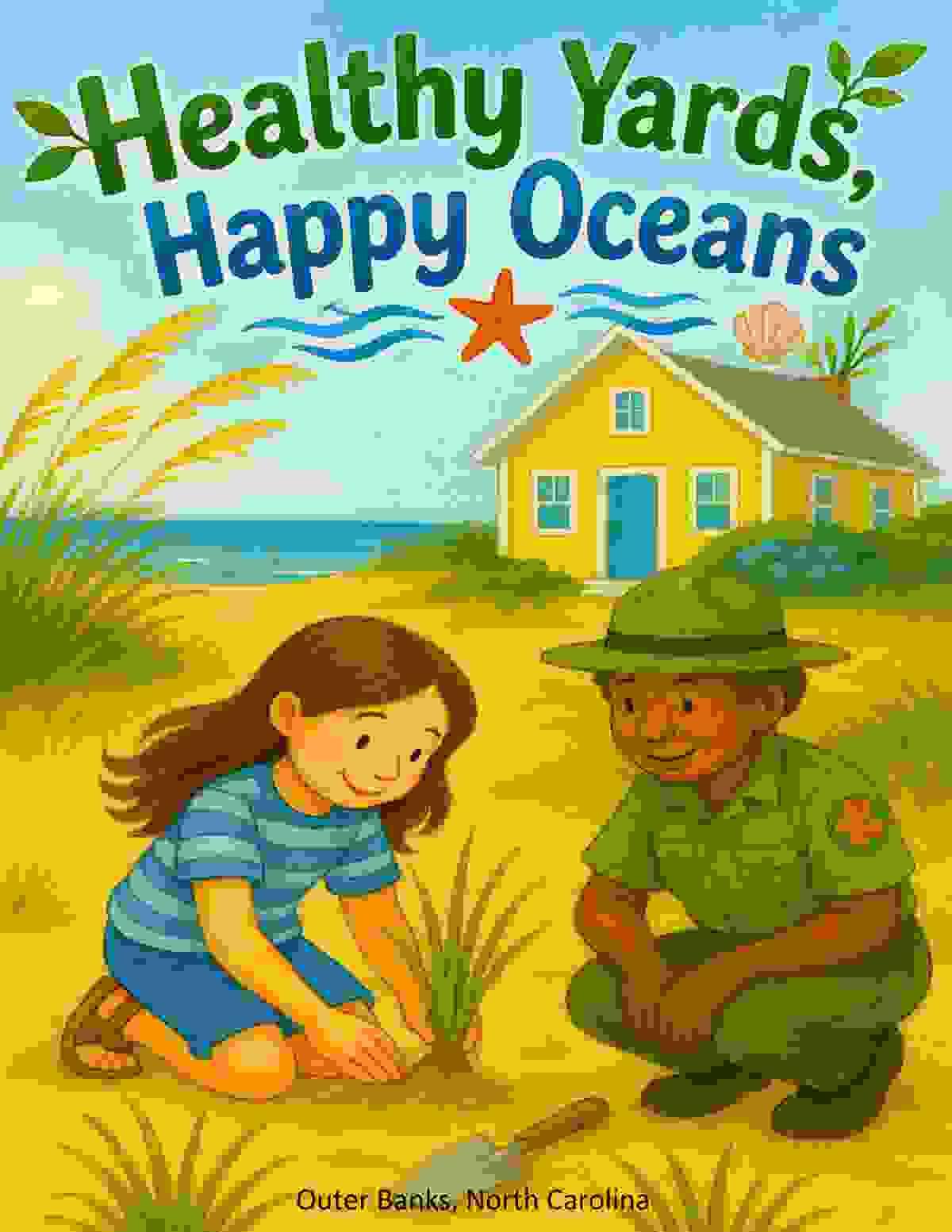
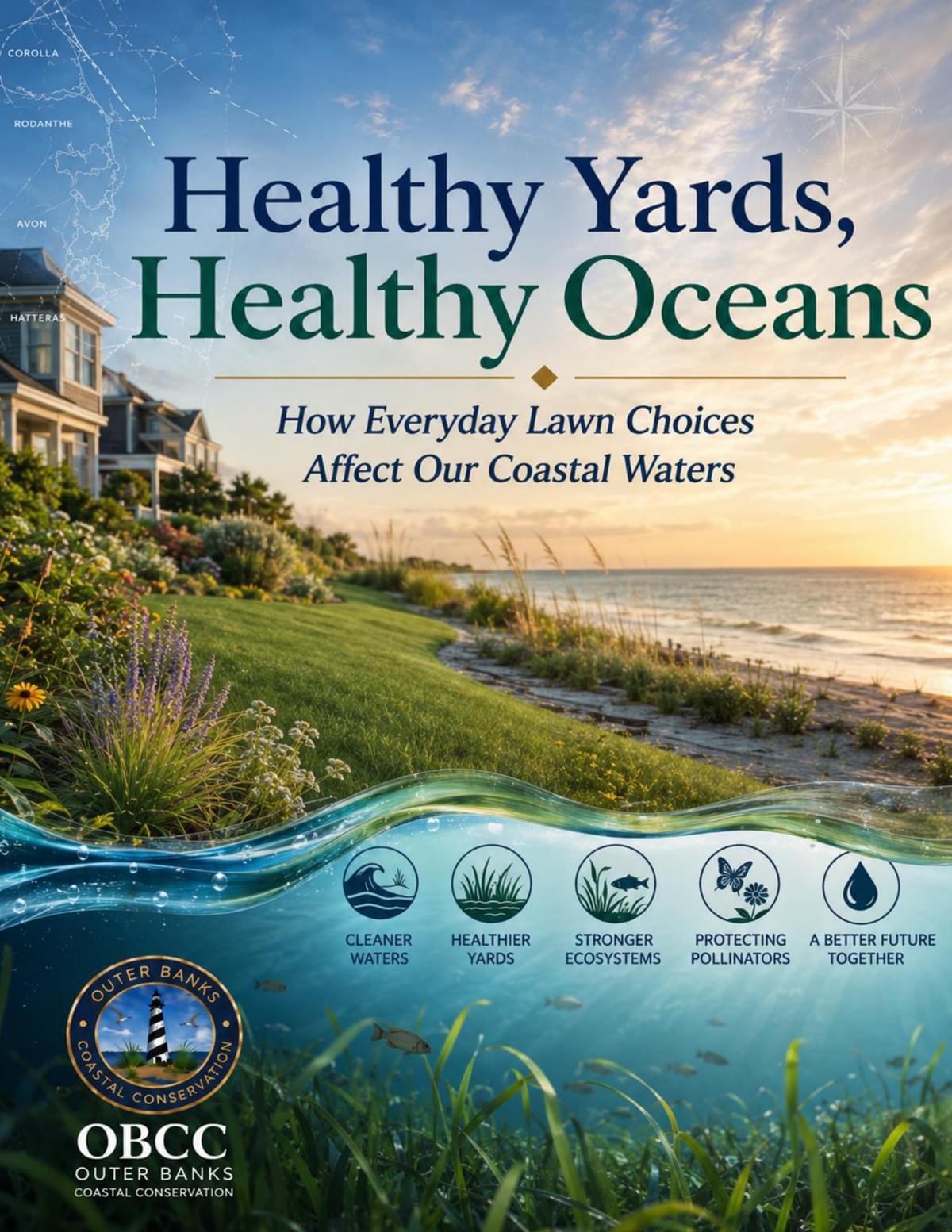
In the Outer Banks, Lila learns from park ranger Ms. June that lawn sprays—fertilizers and pesticides—wash into the ocean, causing algae blooms, low oxygen, and harm to sea life. With her friend Finn, she encourages neighbors to switch to eco-friendly yard care like planting native plants, pulling weeds by hand, using compost, and building rain gardens. Soon, the water clears and wildlife returns—proving that healthy yards mean healthy oceans.
Message: Healthy yards without chemicals help keep oceans and coastal wildlife thriving.
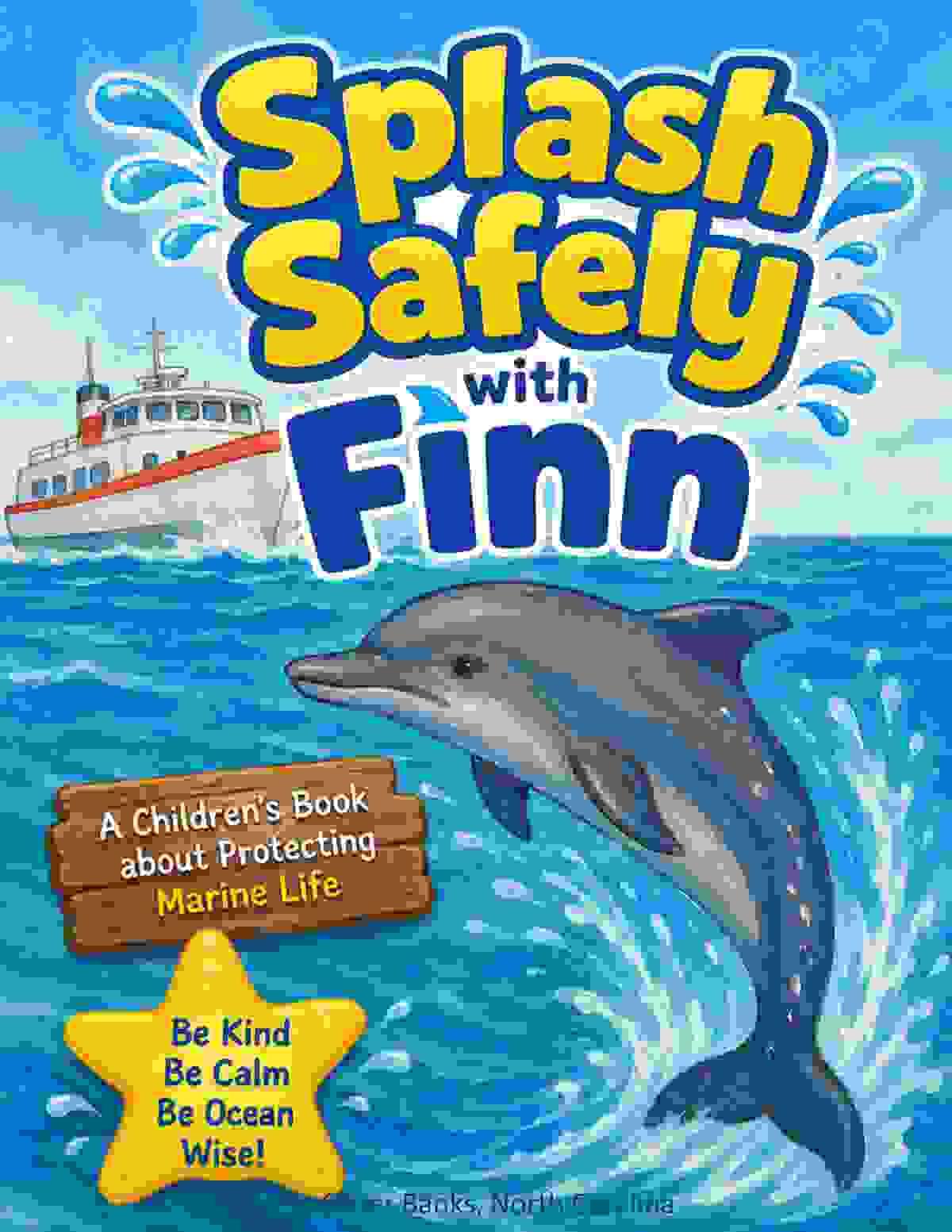
Finn the Dolphin enjoys swimming and playing in the ocean. One day, a large, noisy boat comes too close, making Finn nervous, so he swims away. Later, a kayak keeps a safe distance, allowing Finn to feel safe and happy. To show his gratitude, Finn blows a bubble ring. The story’s message is that good friends keep their distance from dolphins, seals, whales, and other marine animals.
A “Did You Know?” section explains that getting too close to sea animals can scare, injure, or disrupt them. Fast boats may hit them, and chasing them can cause exhaustion or illness. The best practice is to watch from afar, go slow, and never touch or feed wild animals, so they can live safely in their ocean home.
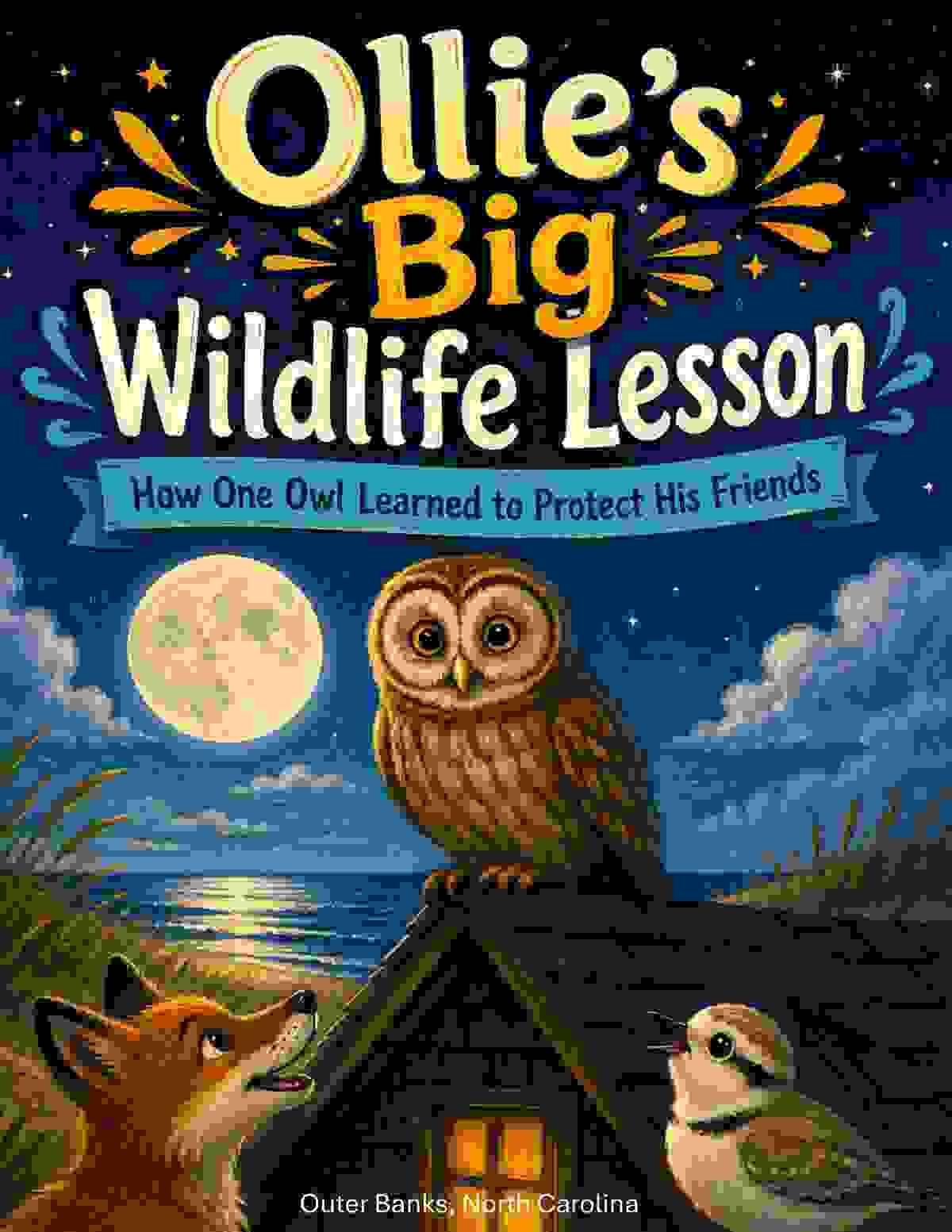
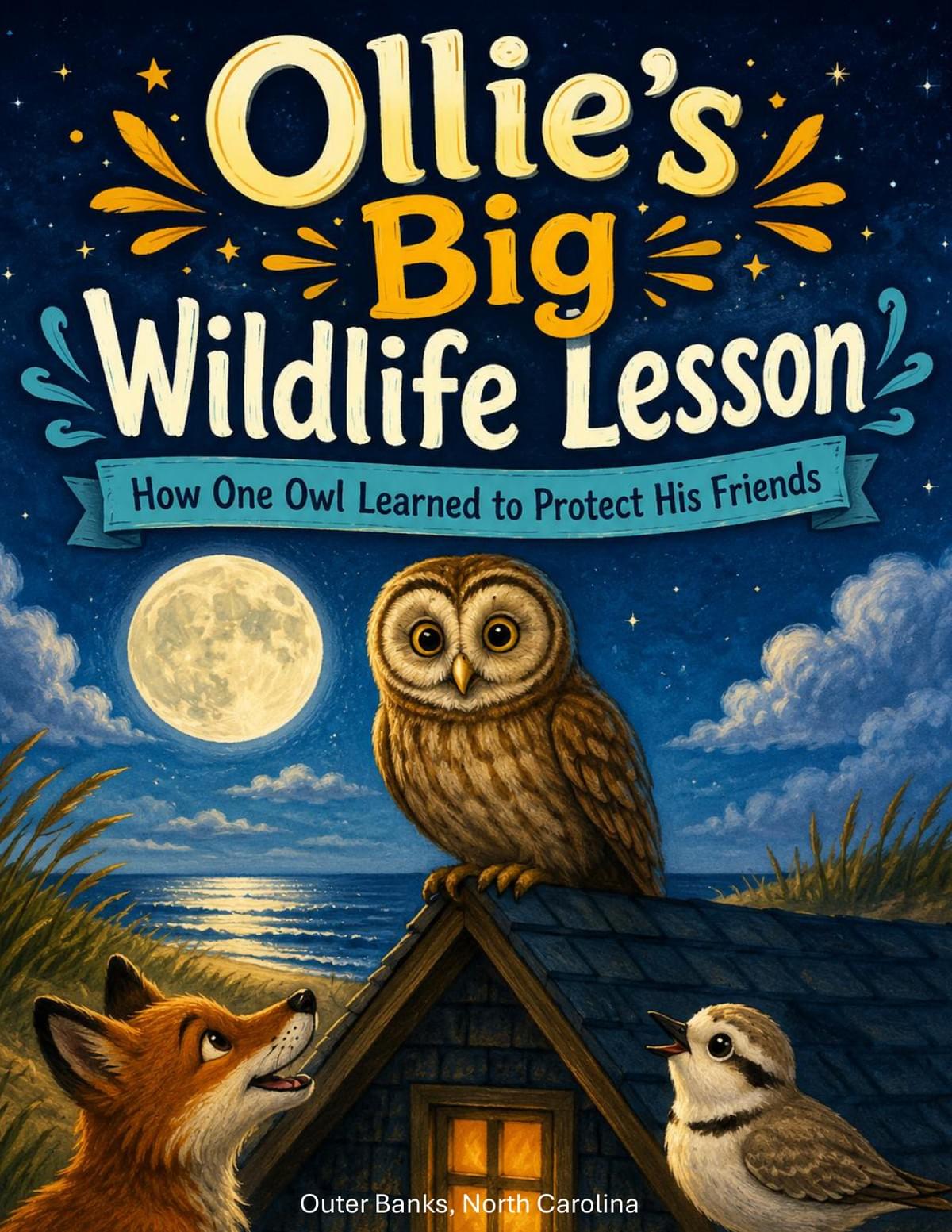
This children’s storybook follows Ollie the barred owl, who enjoys hunting mice in the marshes of the Outer Banks. One night, Ollie spots an easy catch near a cottage, but his friend Finn the fox warns him not to eat it—it may have consumed rat poison. Finn explains that poisoned rodents can pass the toxin to predators and pets, causing serious harm or death. Their friend Piper the piping plover joins in, adding that poison can also hurt other wildlife like crabs, turtles, and scavenger birds if it enters the environment. Together, they share safer alternatives for rodent control: sealing entry holes, storing food in sturdy containers, cleaning up crumbs, and using snap or live traps instead of poison. Ollie pledges to spread the message: “No poison, more life!”—protecting wildlife and keeping the Outer Banks wild and beautiful.
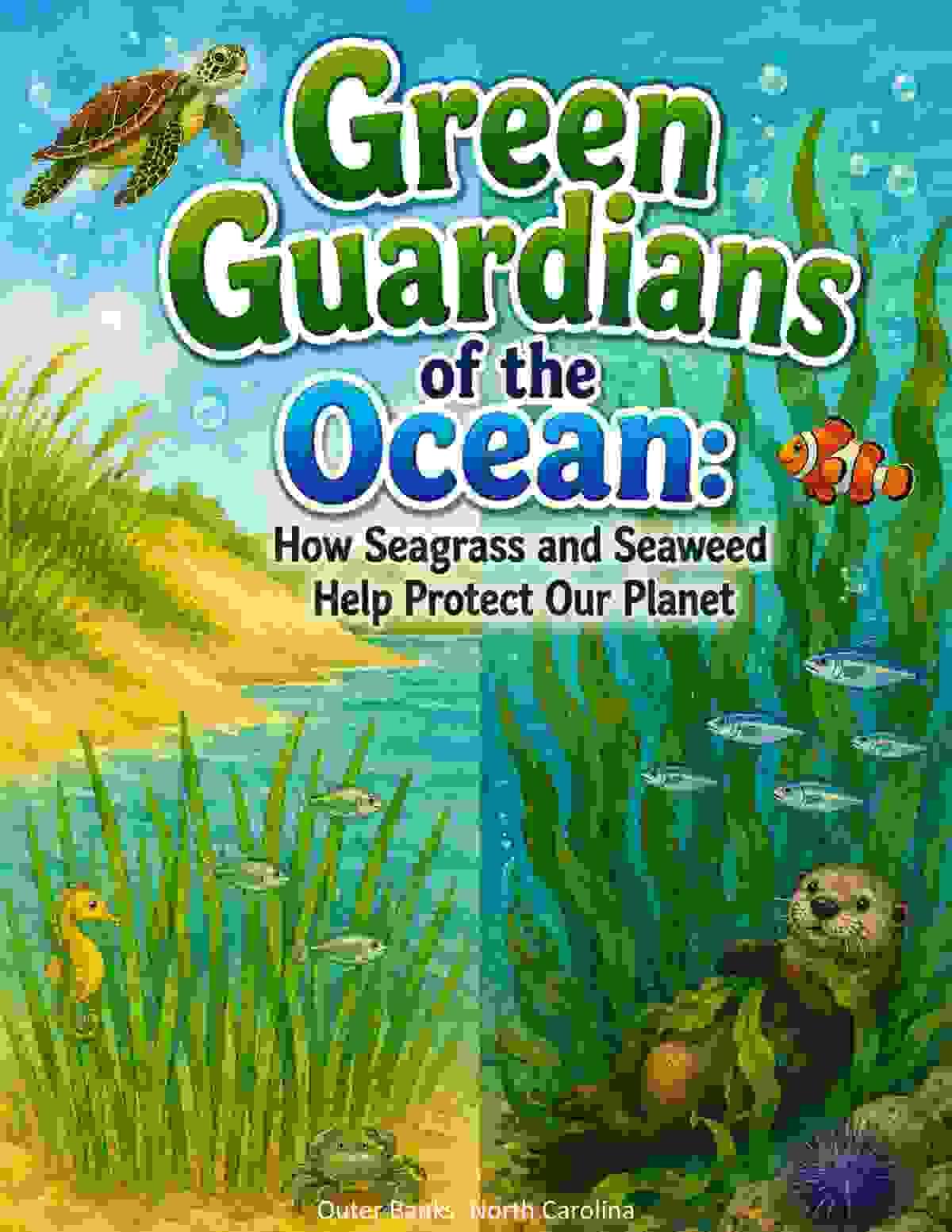
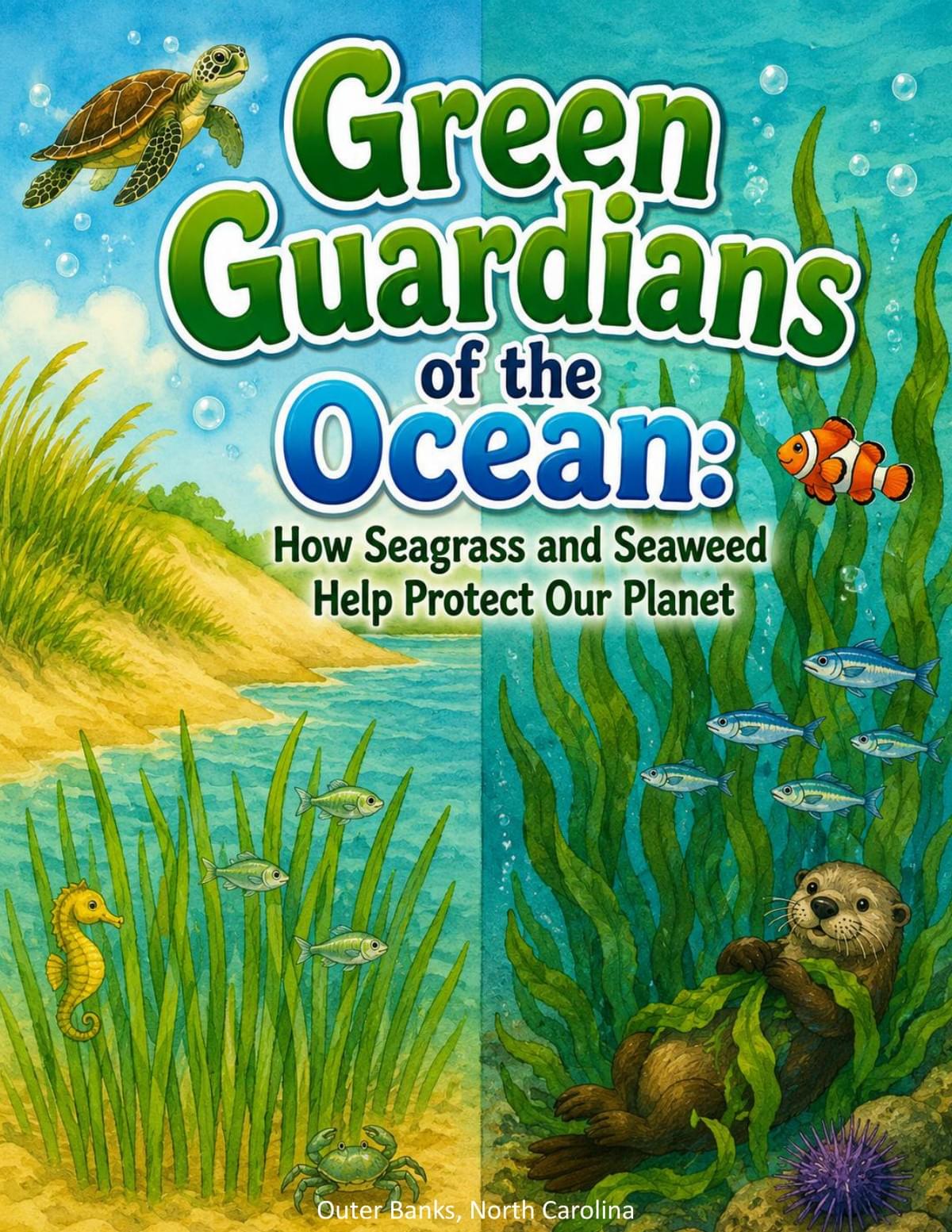
A children’s story about Sandy the Seagrass and Wally the Seaweed, showing how both provide food, shelter, and clean water for ocean life, help fight climate change, and protect shorelines. Despite being different — plant vs. algae — they’re both vital and need protection from pollution and climate change.
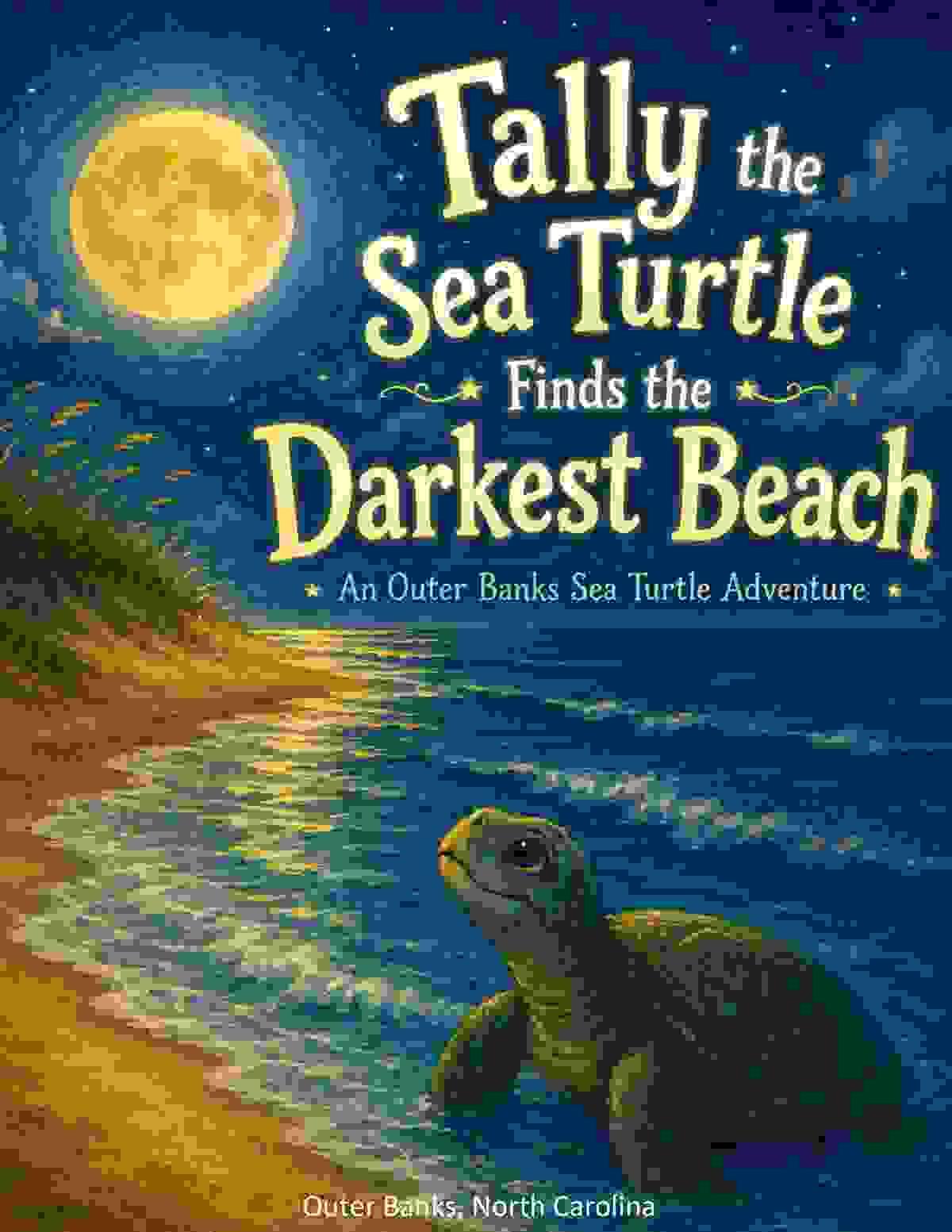
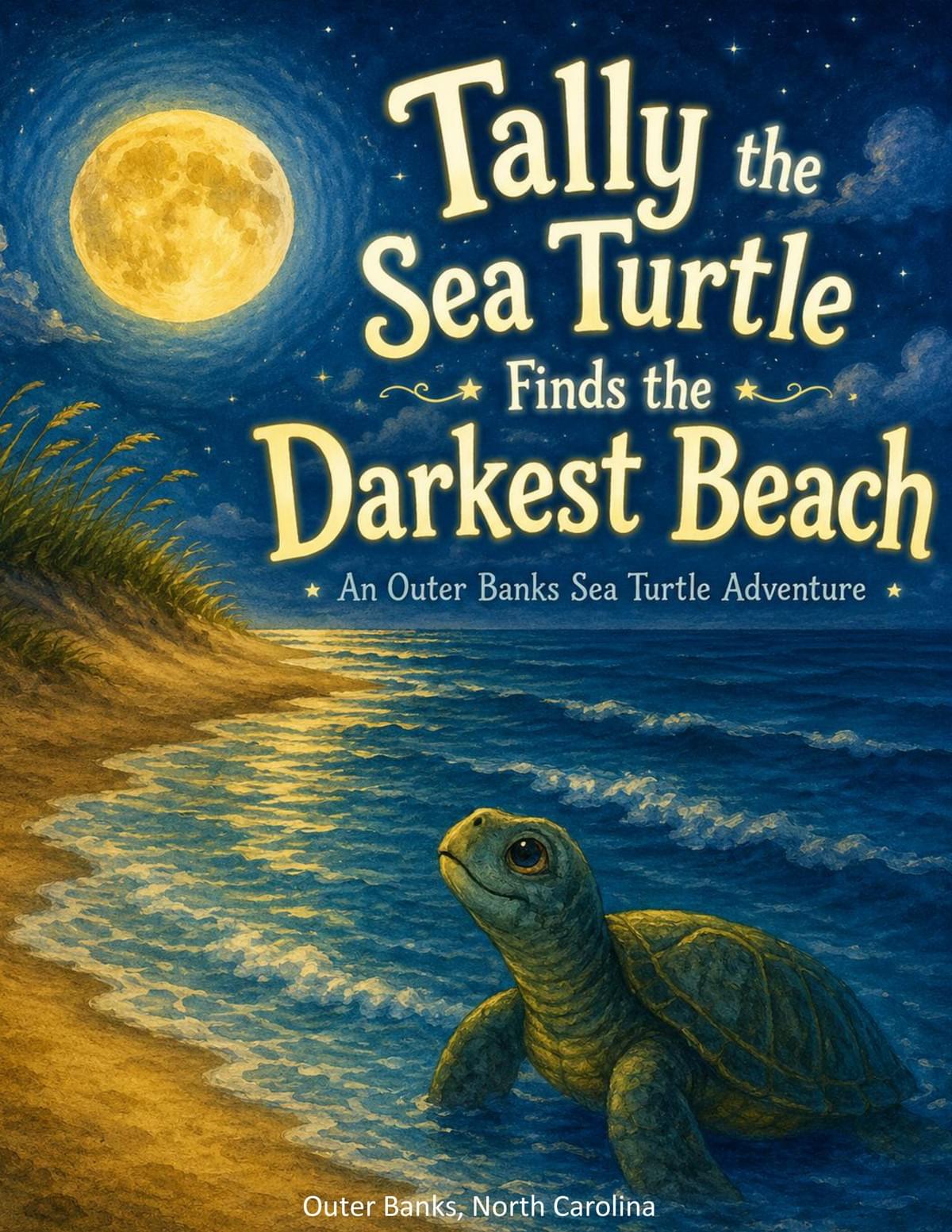
Tally the sea turtle looks for a safe beach to lay her eggs. One night, she and her friends swim along the Outer Banks searching for a dark beach. But bright lights from houses and flashlights confuse baby turtles and make them crawl away from the ocean. After searching,Tally finds a beach lit only by the moon and stars. She lays her eggs in the sand and covers them carefully. Weeks later, the baby turtles hatch and follow the moonlight and the sound of the waves safely to the sea. Tally shares an important message: “Keep beaches dark at night so baby sea turtles can find their way home.”
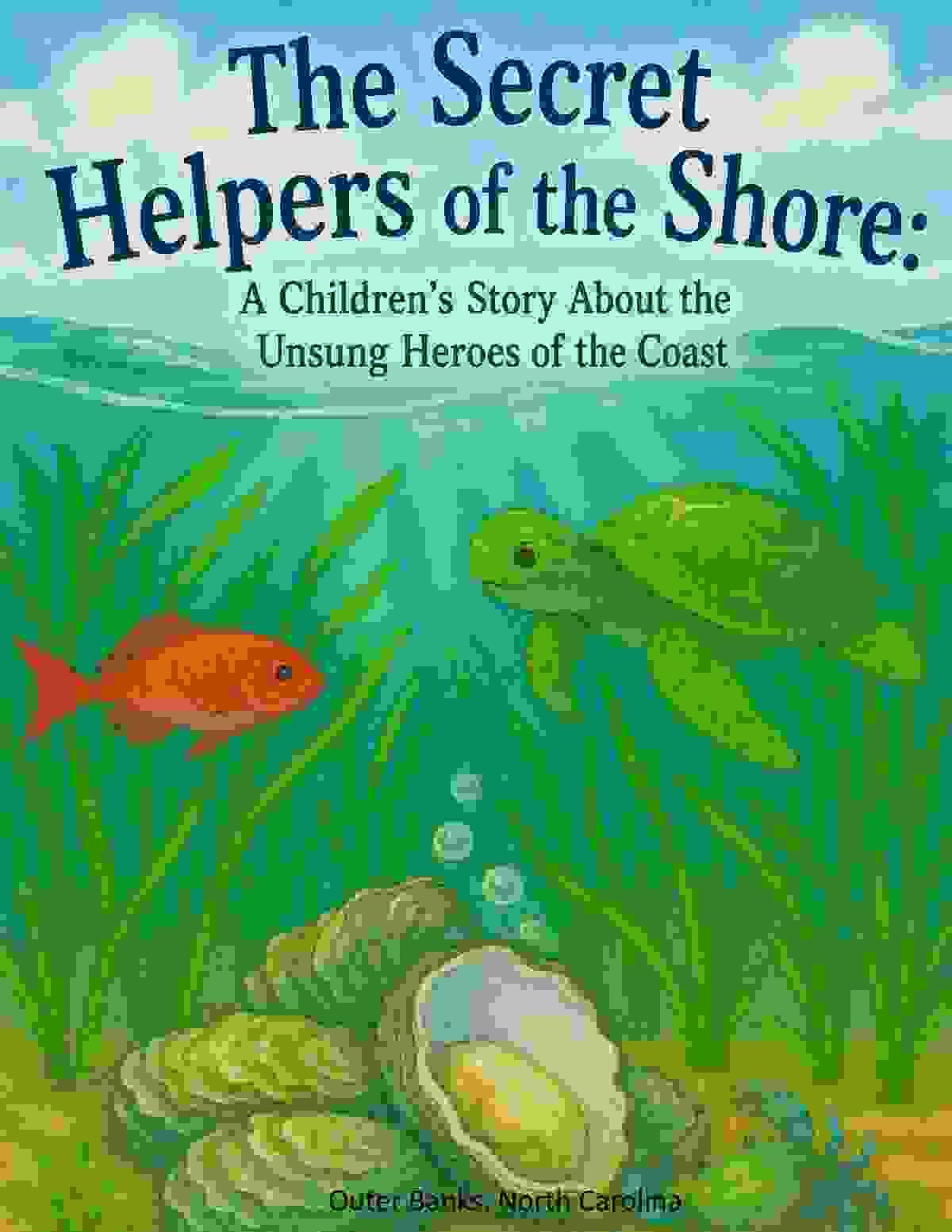
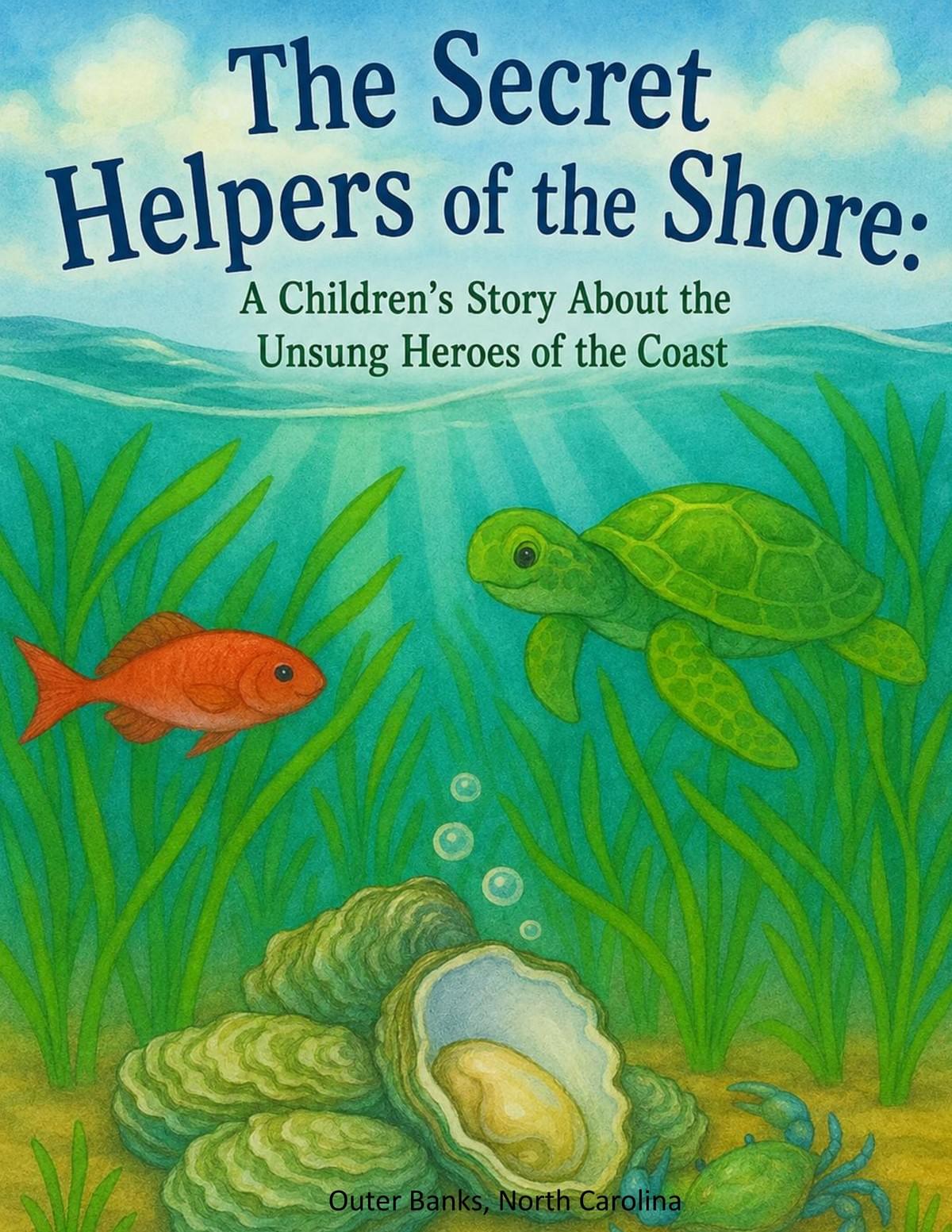
The story emphasizes that even the smallest animals are powerful environmental protectors. If people protect crabs, shellfish, and their habitats by avoiding littering, respecting burrows, and safeguarding reefs, they help the entire shoreline thrive.
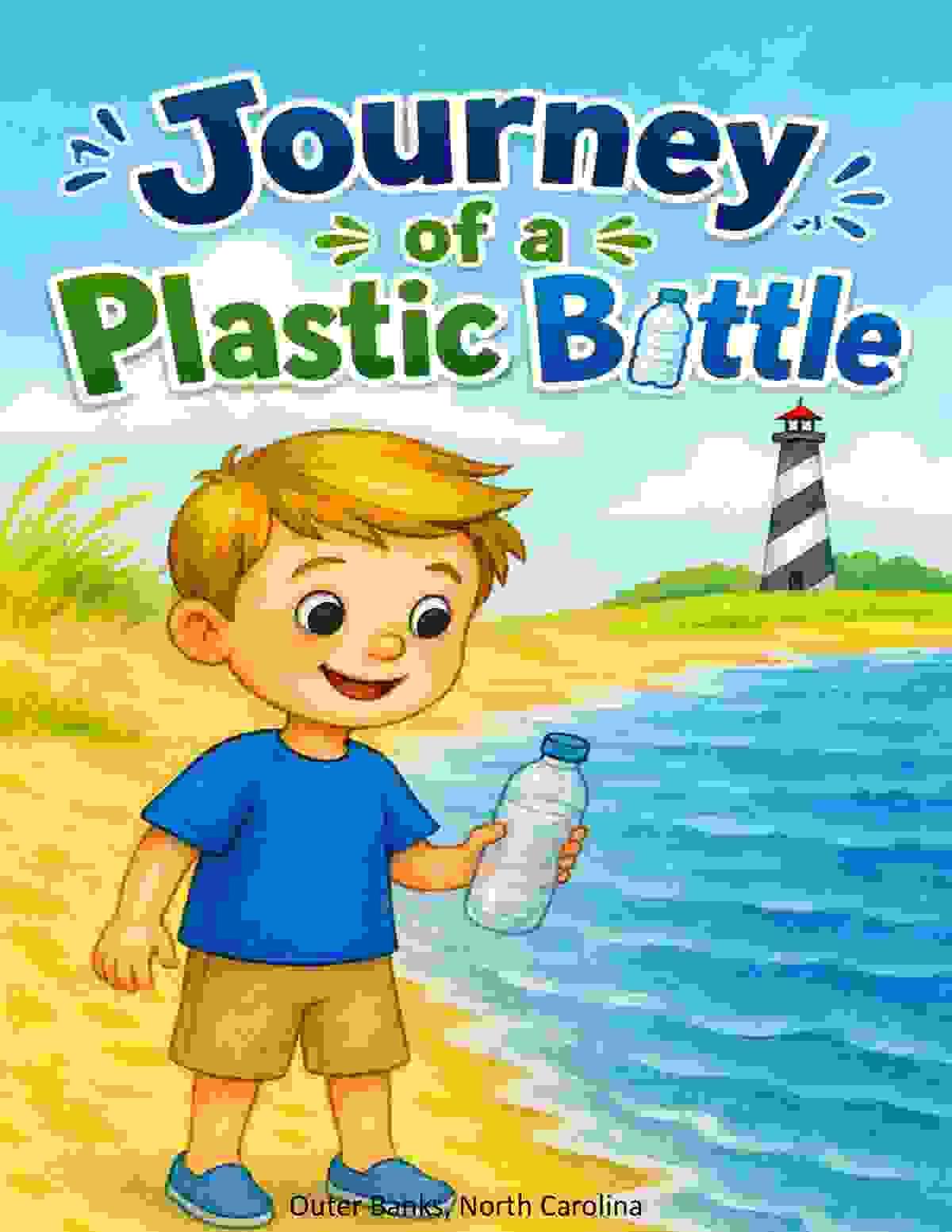
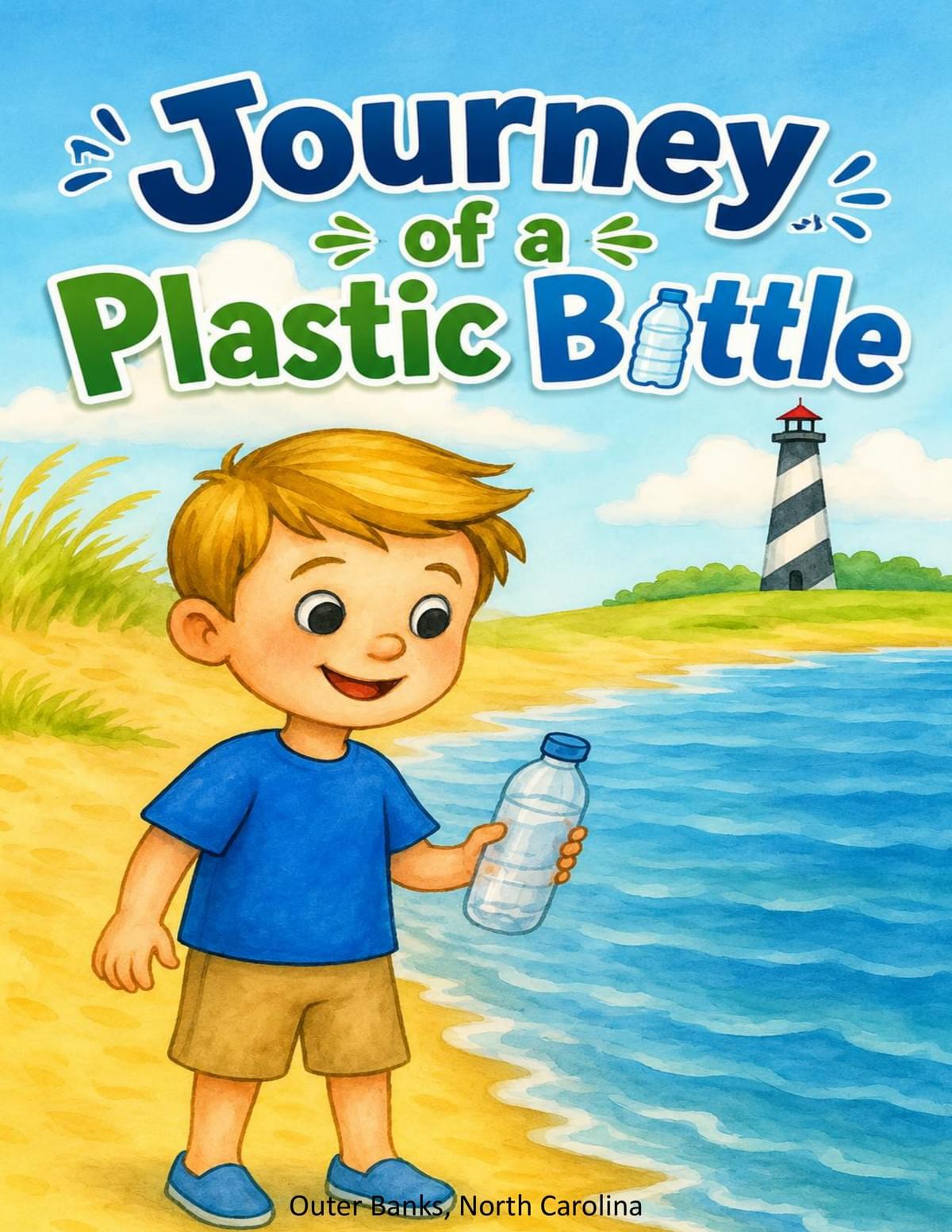
This illustrated children’s story was created to inspire environmental awareness and responsible behavior among young readers. It follows the path of a discarded plastic bottle in the Outer Banks, North Carolina, showing how a small act—like littering—can have far-reaching effects on marine life and ecosystems.
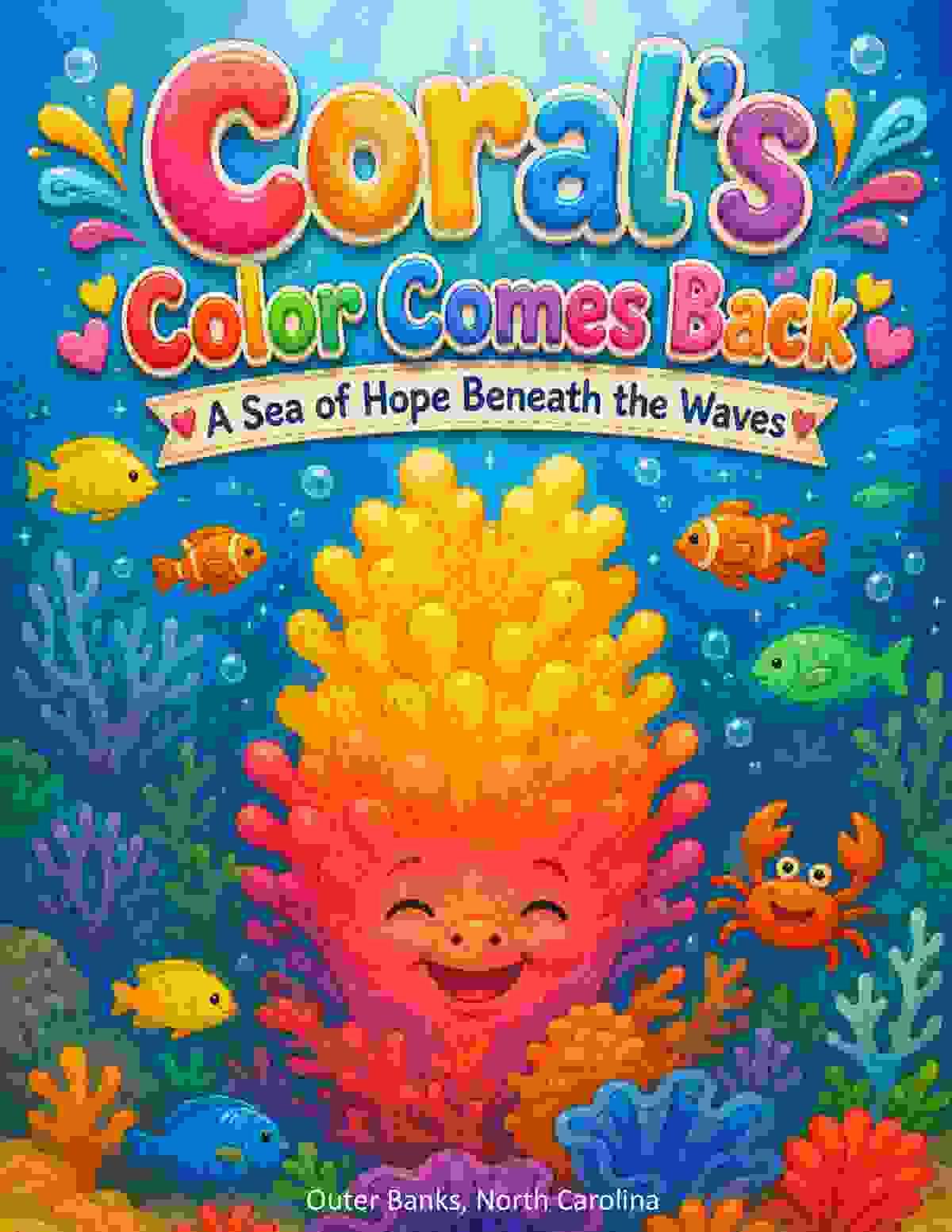
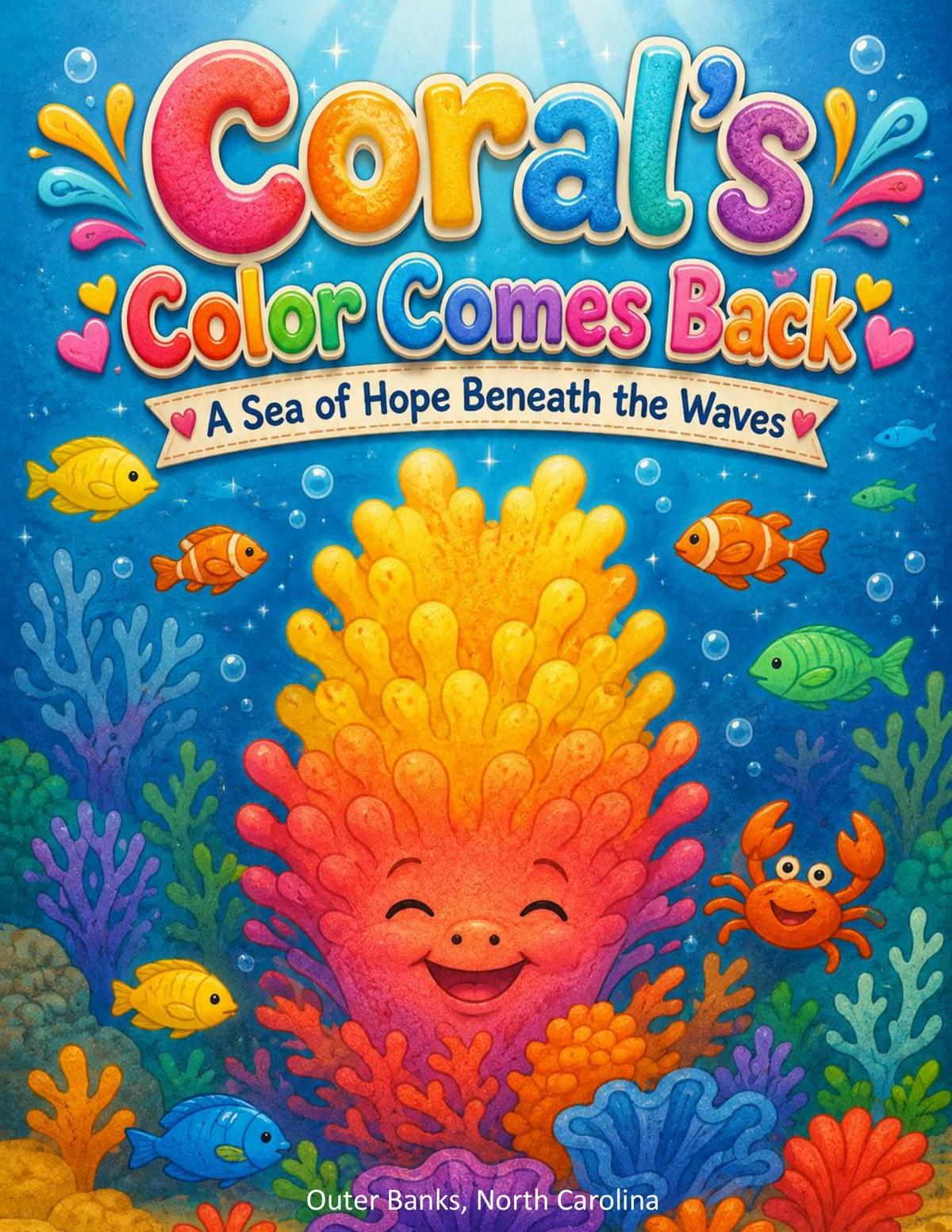
A tiny coral named Coralita lives in a colorful reef filled with sea life. When the ocean warms, she loses her algae helpers and her colors fade—a process called coral bleaching. Divers arrive to restore the reef, planting new coral and cleaning away algae. As the water cools, Coral’s colors return, and life comes back to the reef. The story teaches that caring for the ocean helps it heal, encouraging small actions like reducing pollution, saving energy, and using reef-safe sunscreen.
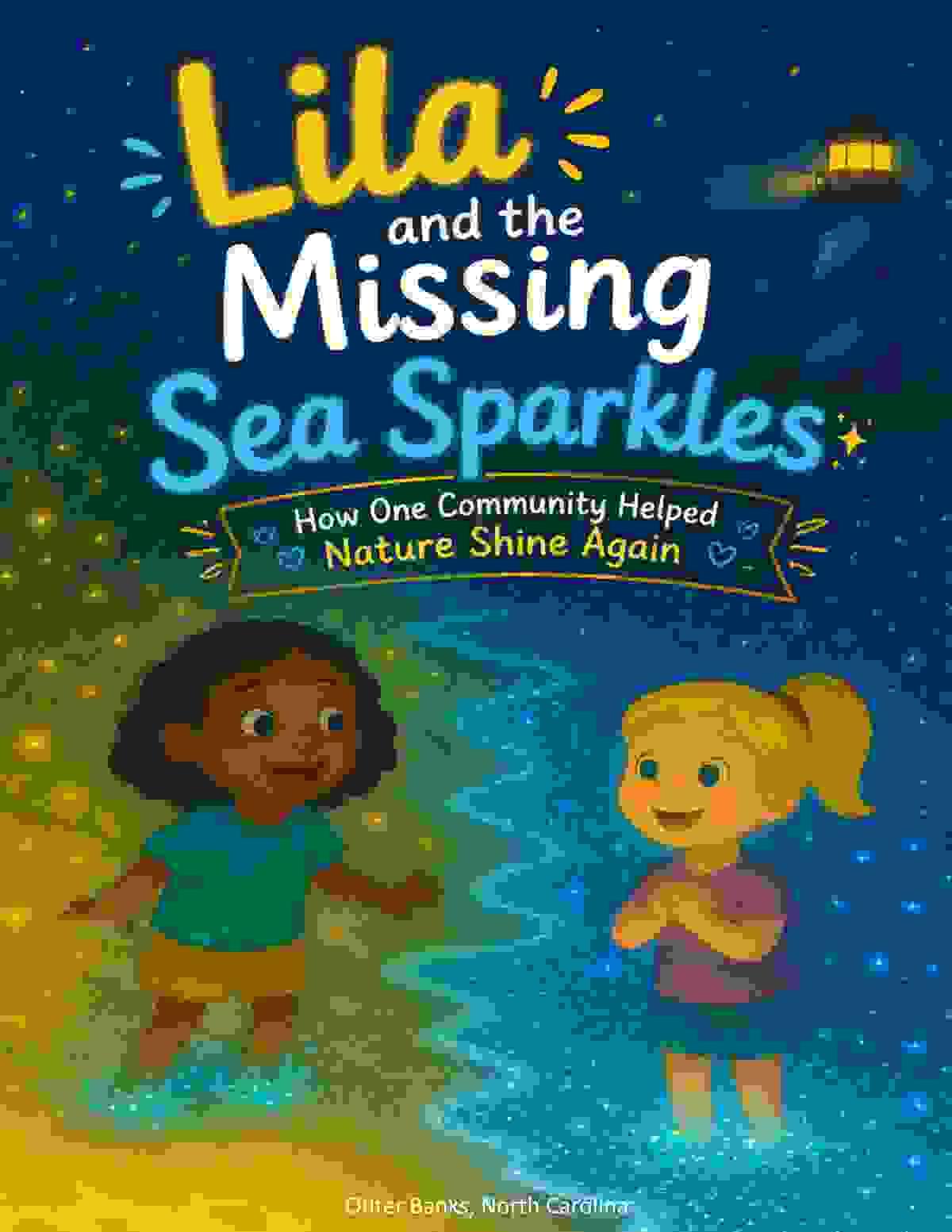
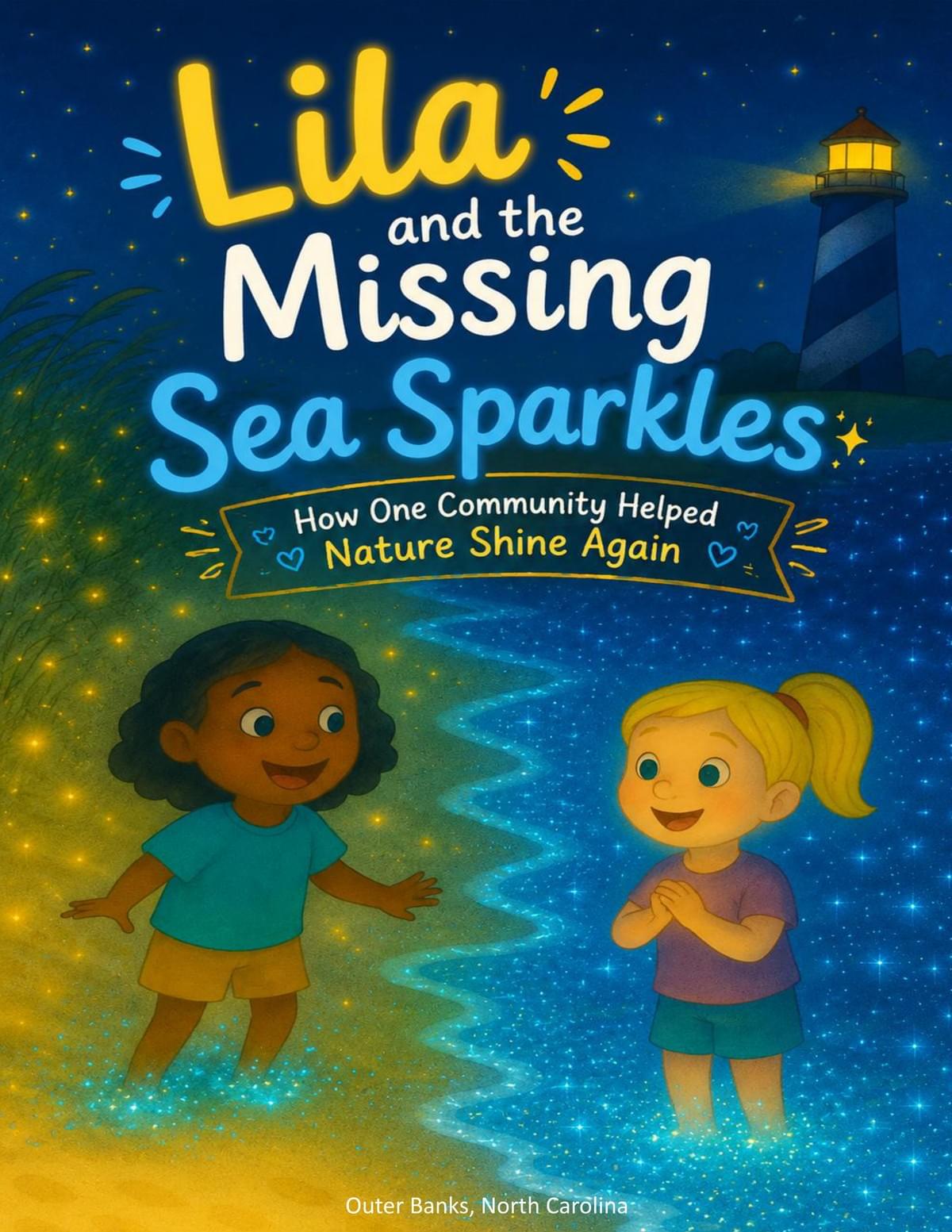
Lila notices that the glowing waves and fireflies at Cape Hatteras have disappeared. She learns that bright lights from new homes and boardwalks are causing light pollution, which confuses wildlife and stops nature’s nighttime glow. Lila and her friends encourage the community to use dimmer, motion-activated lights and turn lights off earlier. Soon, the glowing waves and fireflies return, teaching everyone that protecting natural darkness helps wildlife thrive.
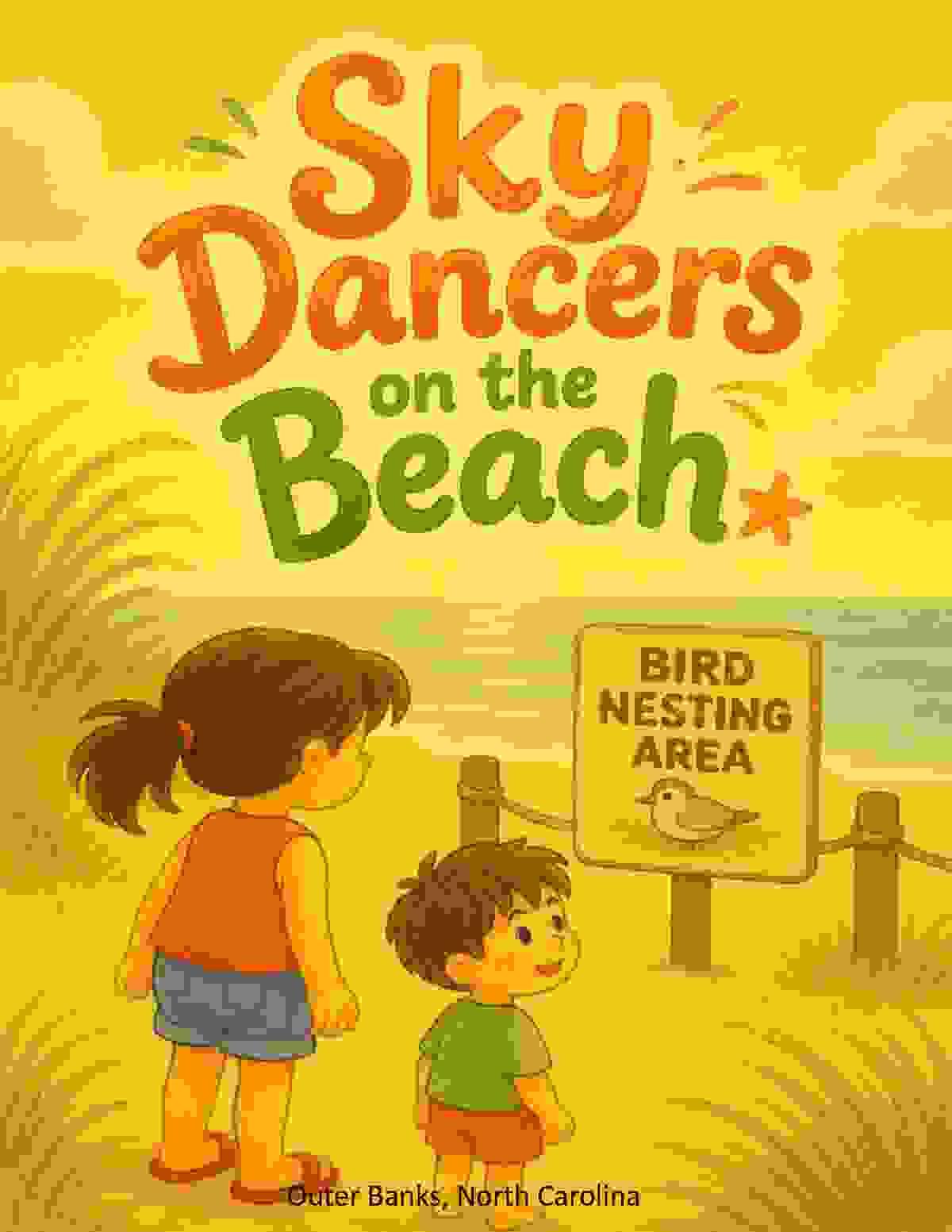
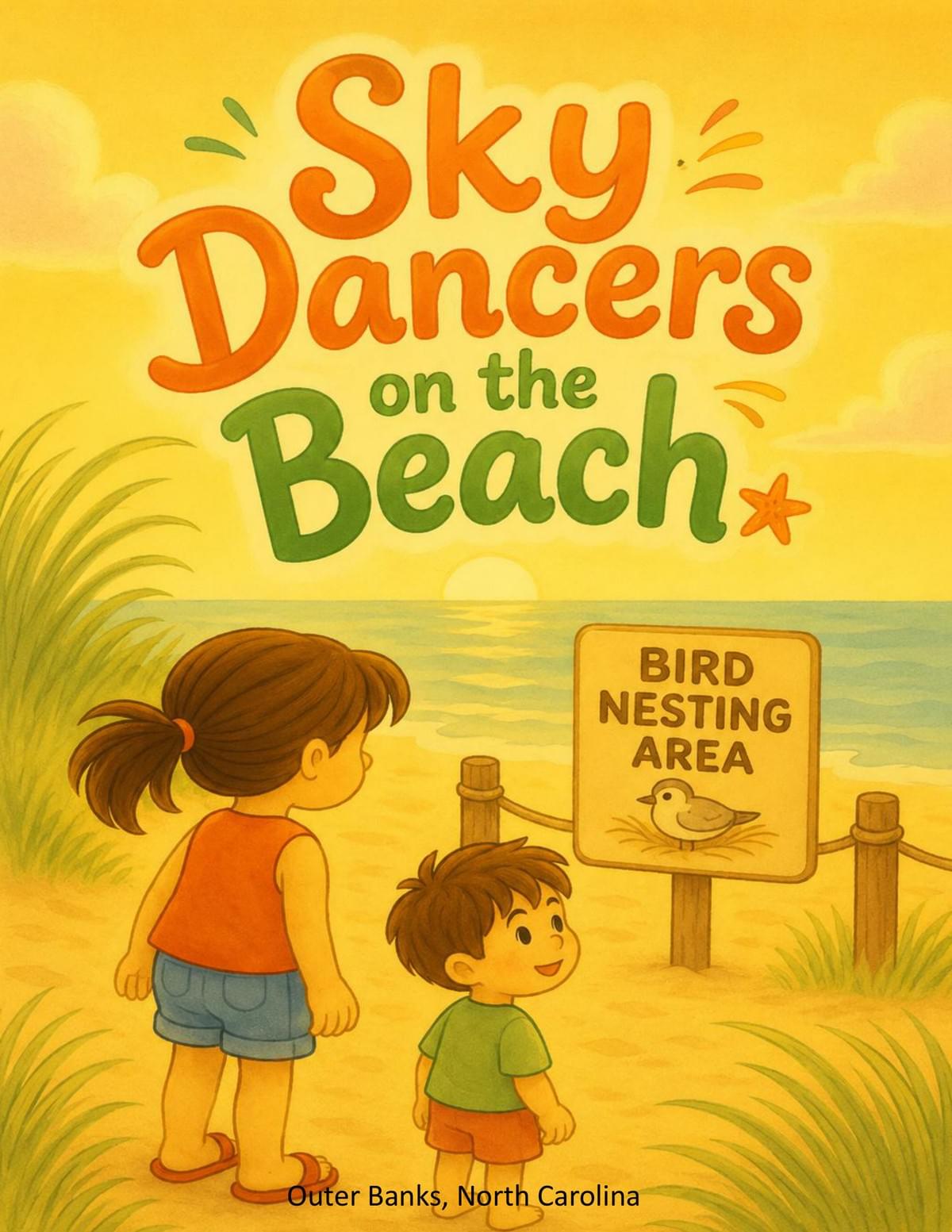
Mary and her little brother John discover shorebirds nesting on the beach in the Outer Banks. With help from their mom, they learn why it is important to give birds space and stay out of protected nesting areas.
By watching from a safe distance, they help keep the birds and their chicks safe while enjoying the beach together. A story about kindness, respect for wildlife, and sharing nature responsibly.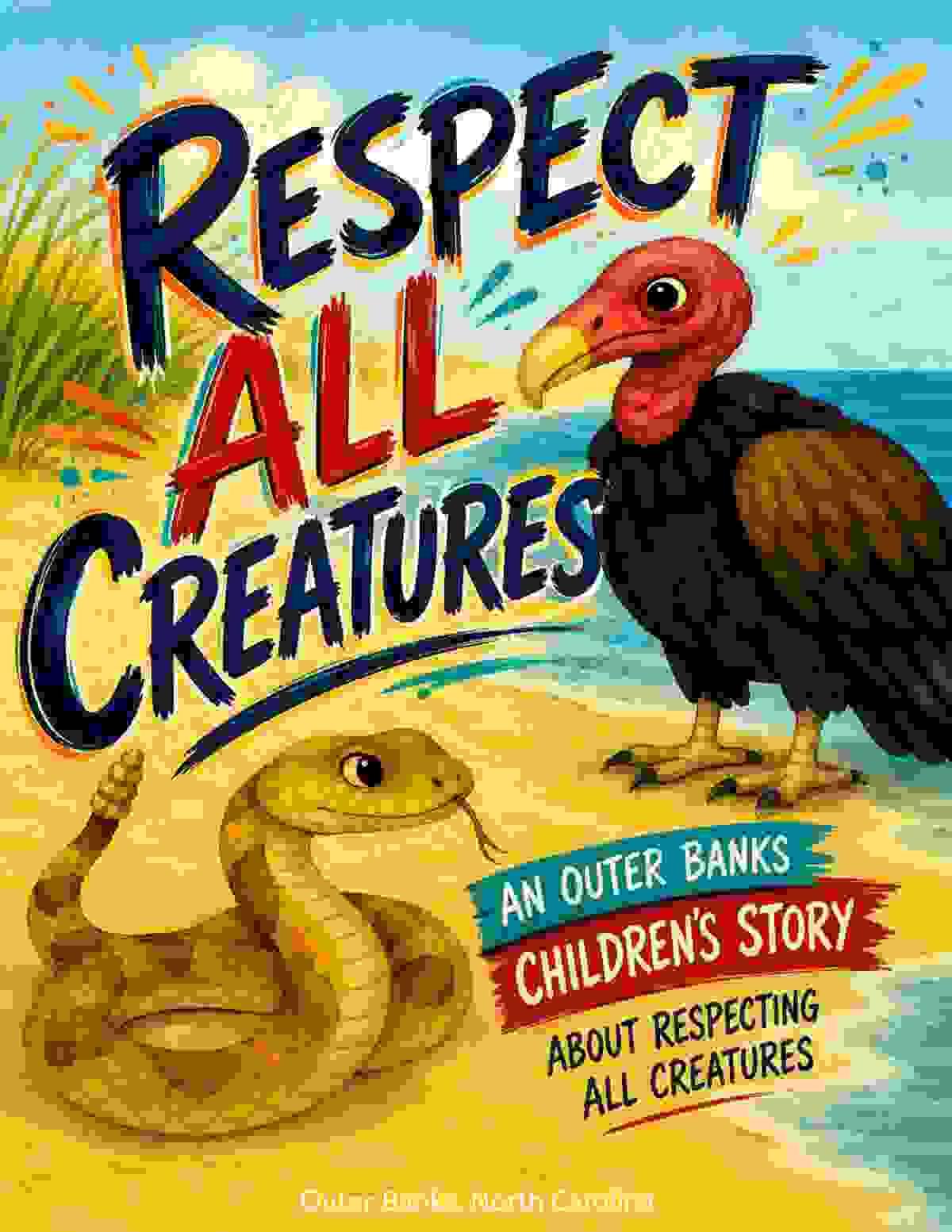
Juanita spends a day exploring the beach and dunes, learning to appreciate and protect all forms of life. She observes a variety of coastal creatures — a ghost crab, pelican, vulture, rattlesnake, jellyfish, spider, and dolphins — treating each with care and respect. When others might react with fear or harm, Juanita chooses kindness and understanding, recognizing that every animal has an important role in nature’s balance. By the end of the story, Juanita shares her realization with her mother: that even creatures people often fear, like rattlesnakes or jellyfish, deserve to live peacefully. The accompanying “Did You Know?” section explains the ecological importance of these creatures — rattlesnakes control rodents, vultures prevent disease, spiders limit pests, jellyfish support ocean food webs, and ghost crabs clean the beaches. The story closes with a simple message: Don’t kill — just respect. Every creature has a place and purpose.
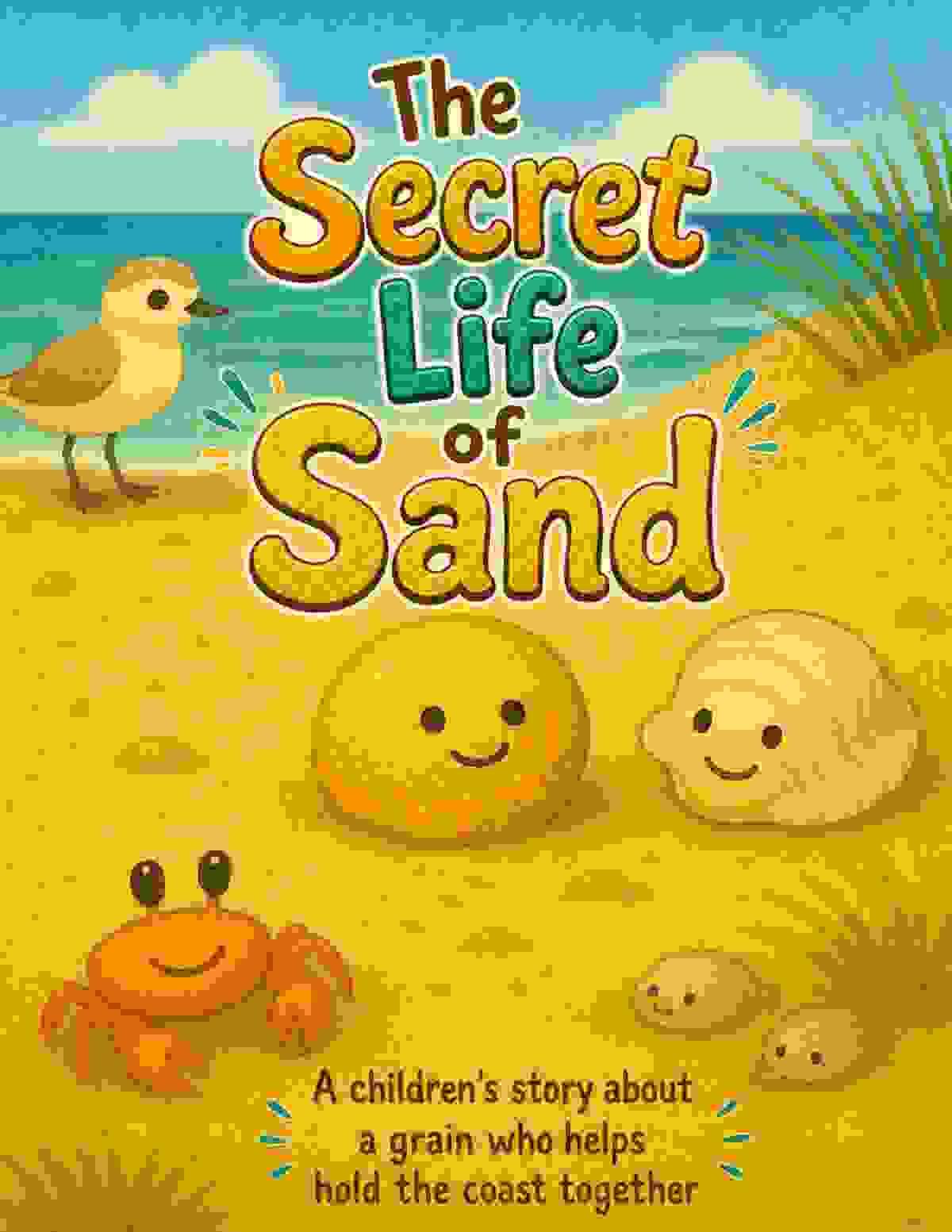
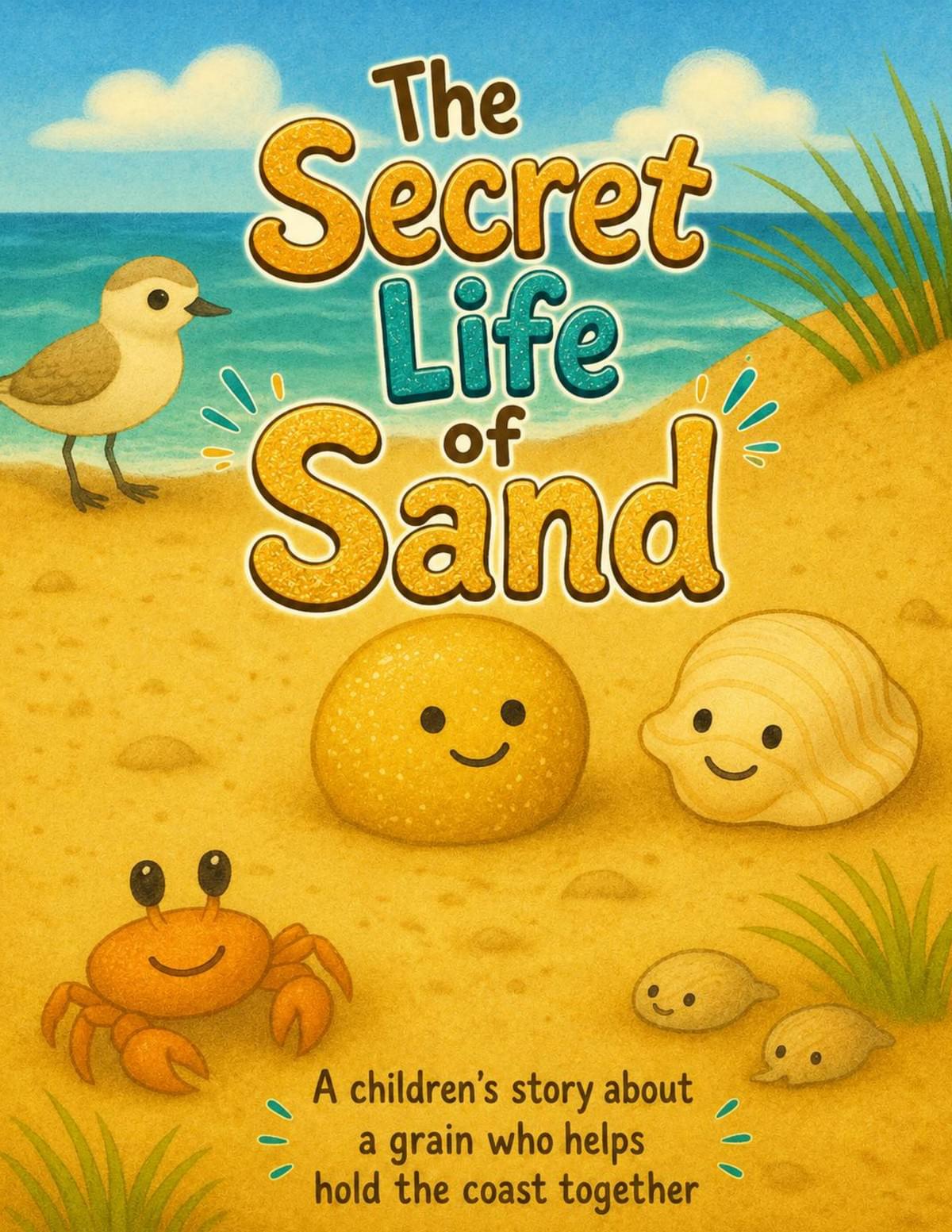
A tiny grain of sand named Sandy is born in the mountains and journeys through rivers to the sea, where she becomes part of a beach on the Outer Banks. Along the way, she learns how sand protects sea turtle nests, supports dunes, and provides homes for crabs, clams, and countless tiny creatures.
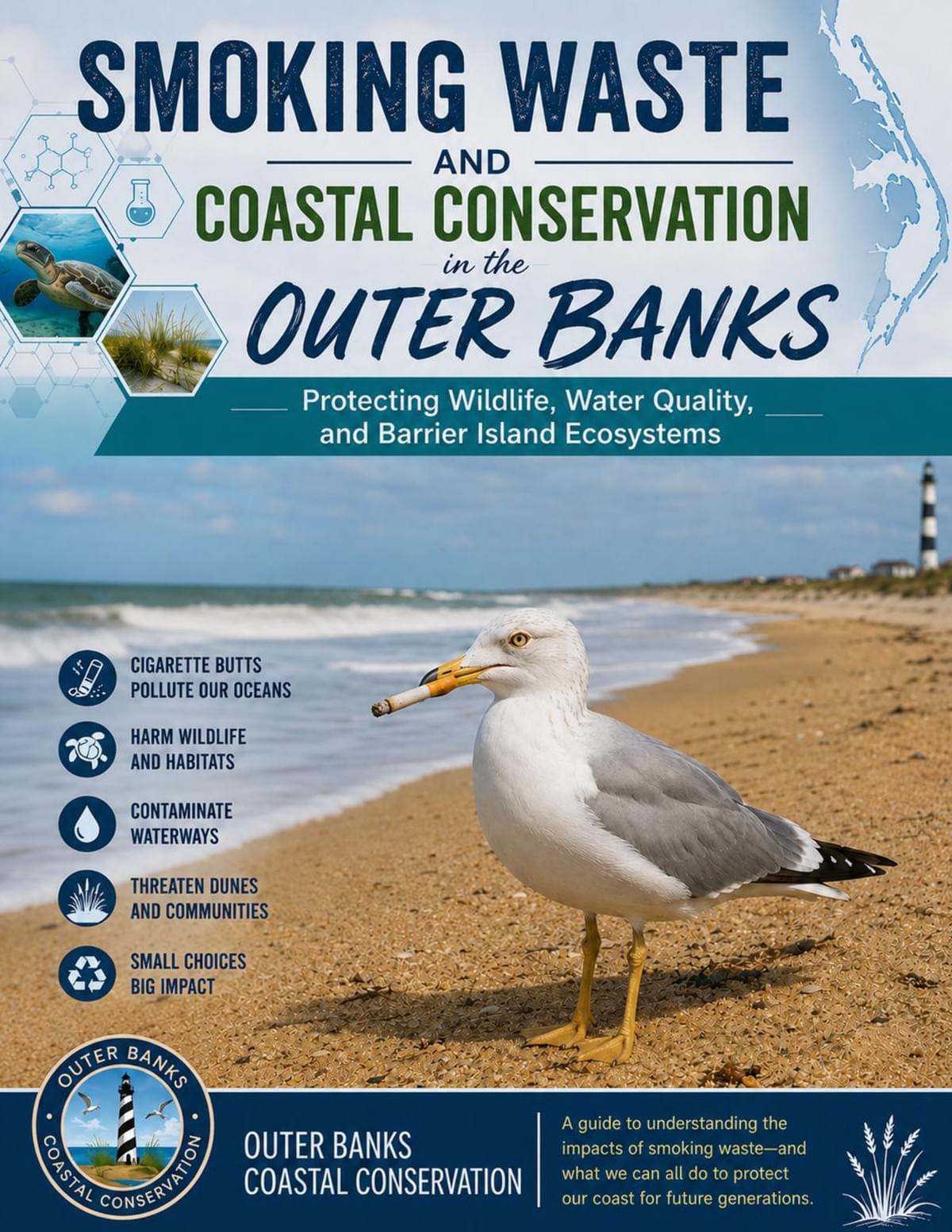
When someone extinguishes a cigarette in the sand, Sandy becomes sick, learning that cigarette filters contain plastic and toxins harmful to wildlife. Thankfully, a young boy named Juan and his mother clean it up, showing how small actions can make a difference. Later, Sandy witnesses beach nourishment—the process of adding sand to eroding beaches—and learns it can help if done responsibly but harm other ecosystems if overdone. In the end, Sandy reflects on her journey and declares that sand is more than dust—it’s the heartbeat of the beach, vital to the health of the coast and its creatures.
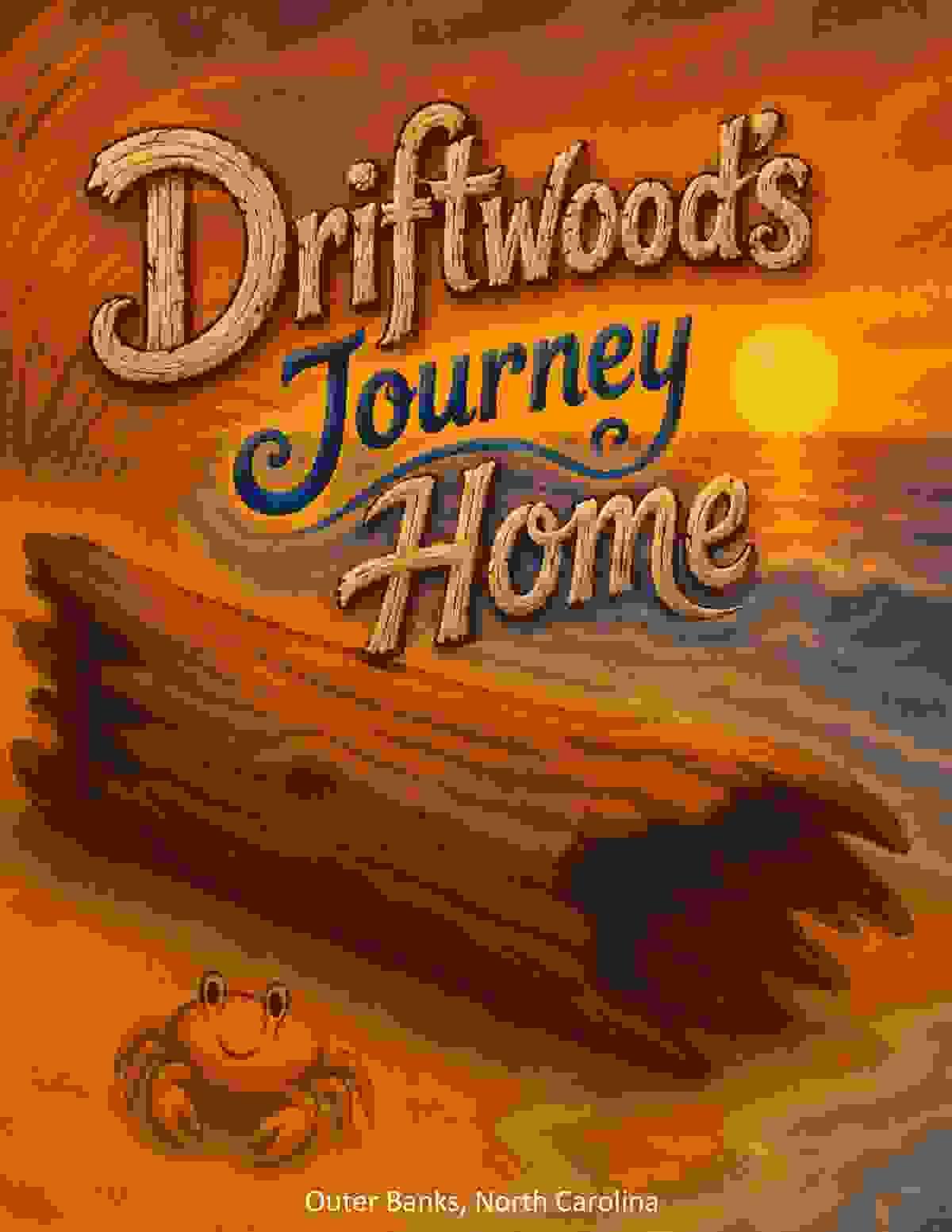
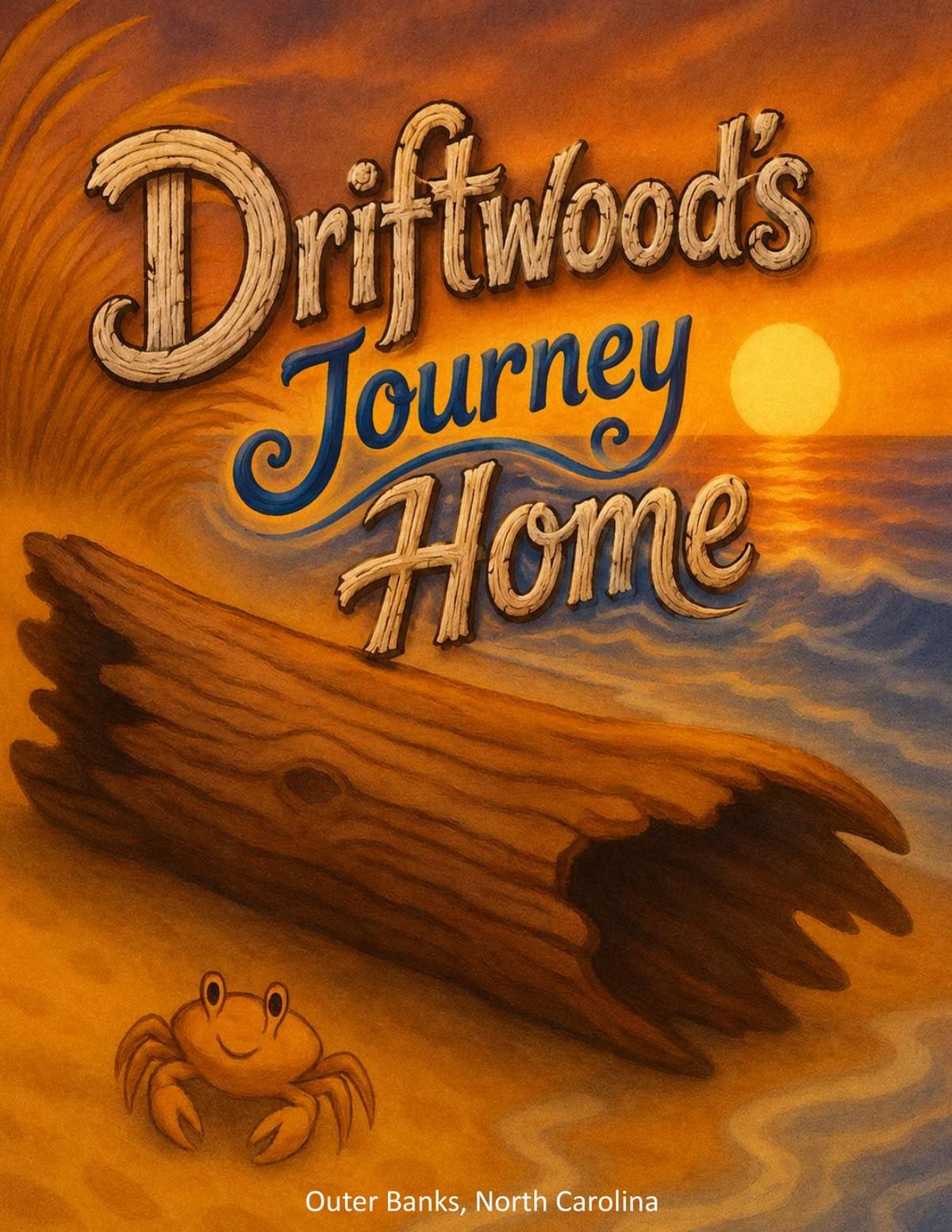
This illustrated storybook teaches children about the ecological importance of driftwood along the beaches of the Outer Banks, North Carolina. It combines a heartwarming narrative with educational science facts to inspire environmental stewardship.
On a quiet Outer Banks beach, a piece of driftwood rests among the dunes, providing shelter for crabs and plants. One stormy night, powerful waves sweep him out to sea, where he encounters floating plastic waste that will never biodegrade. Feeling lost and homesick, Driftwood longs to return to his natural home. A dolphin named Echo and a pelican help guide him back toward shore, riding the tides and winds. When he finally washes up on the beach, people are cleaning debris. A park ranger explains that Driftwood isn’t trash—he’s an important part of the beach ecosystem, providing food and shelter for wildlife and helping to stabilize dunes. As the sun sets, Driftwood feels proud to be “home again and doing his job.”
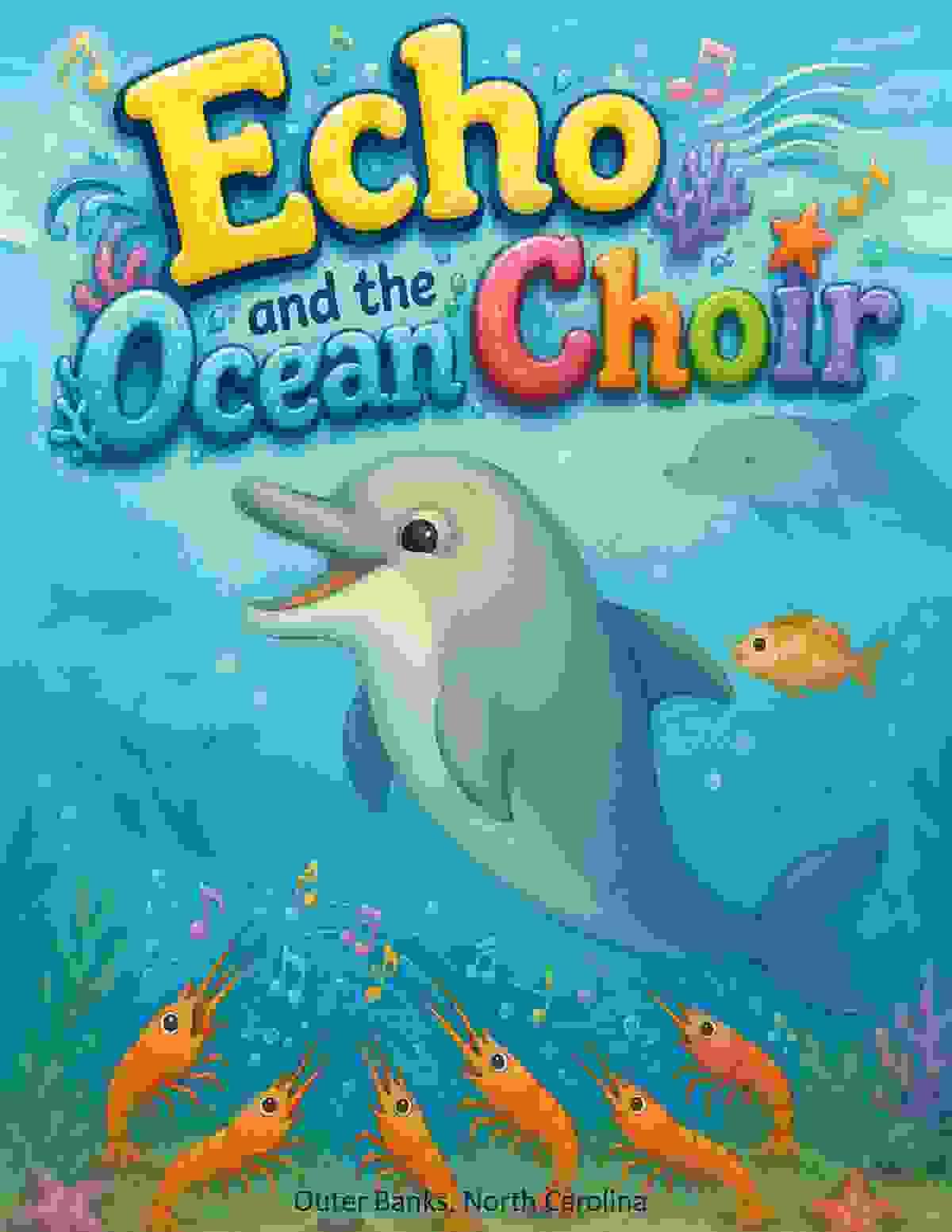
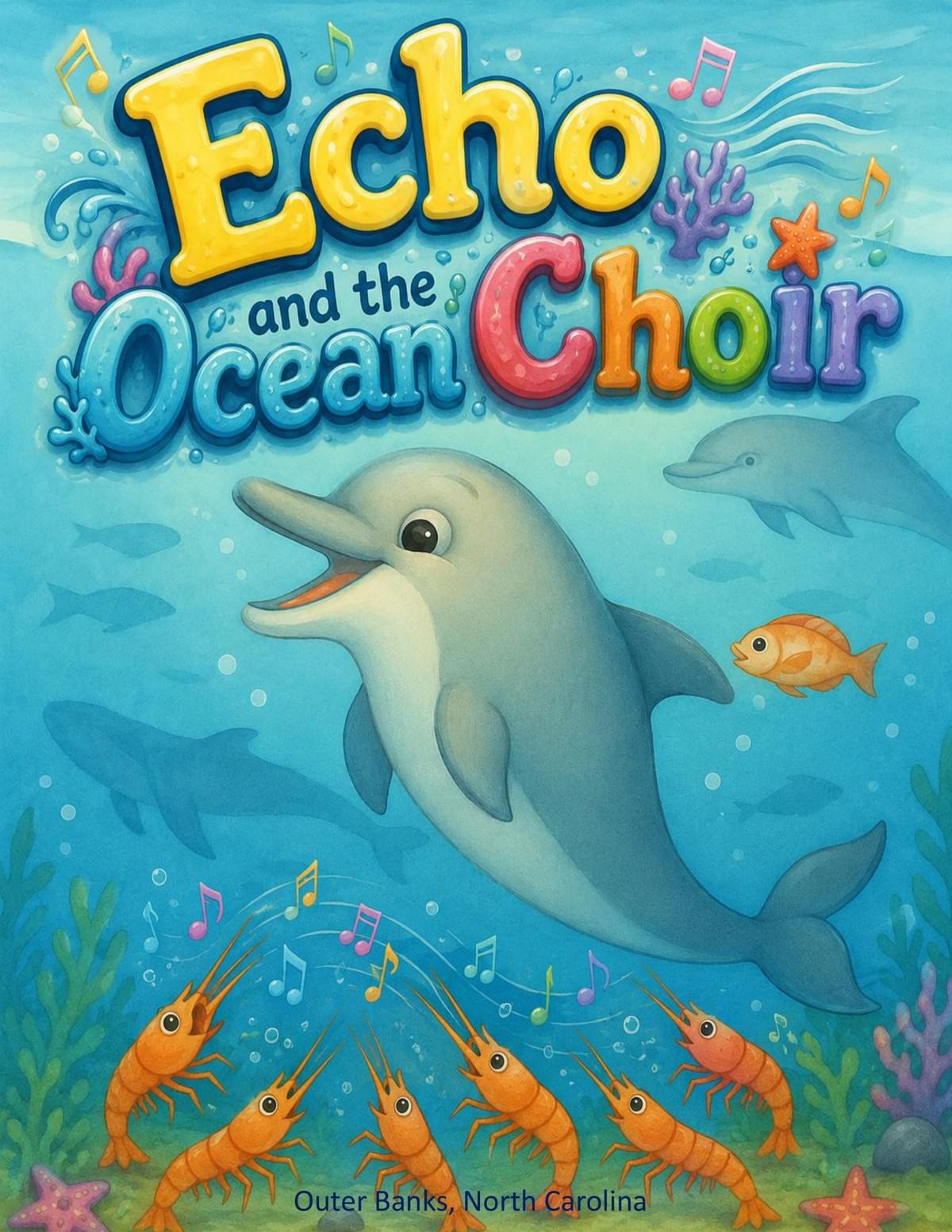
Echo and the Ocean Choir is an educational storybook created to teach children about ocean noise pollution and its impact on marine life. Set in the waters of the Outer Banks, North Carolina, it emphasizes the importance of quiet, balance, and respect for marine ecosystems.
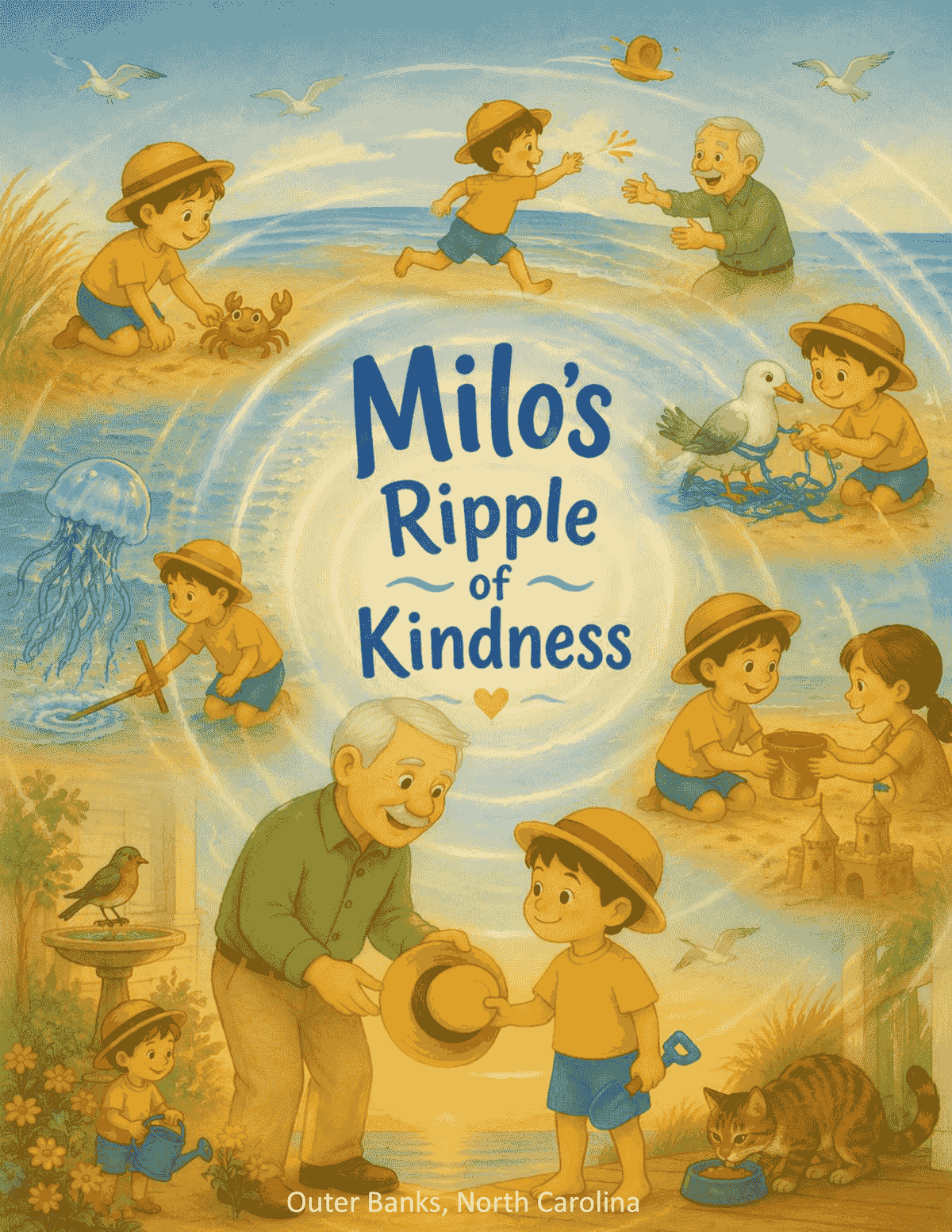
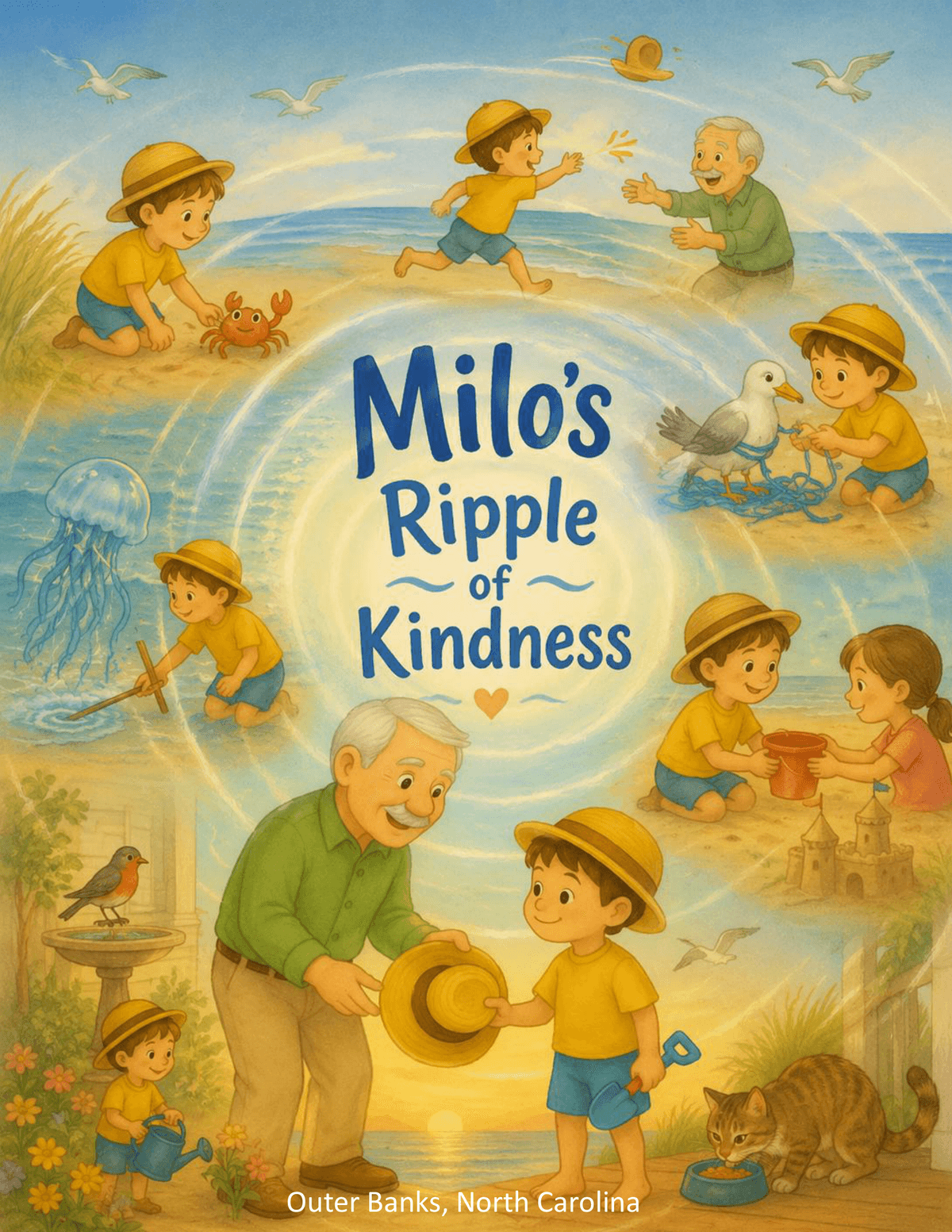
This children’s story follows Milo, a kind-hearted boy living by the sea in the Outer Banks, North Carolina. Through his simple, caring actions during one day, the story teaches young readers about empathy, environmental stewardship, and the ripple effect of kindness.
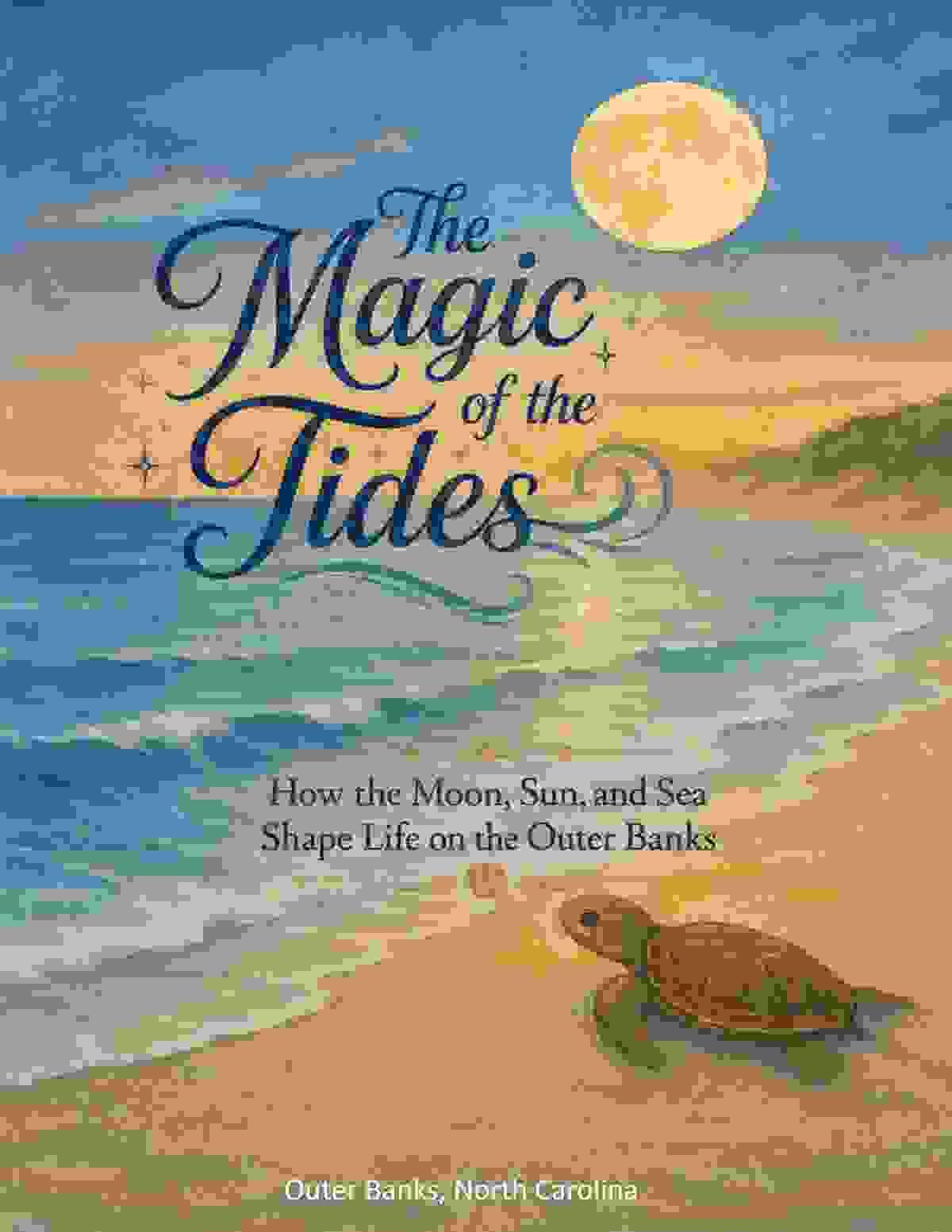
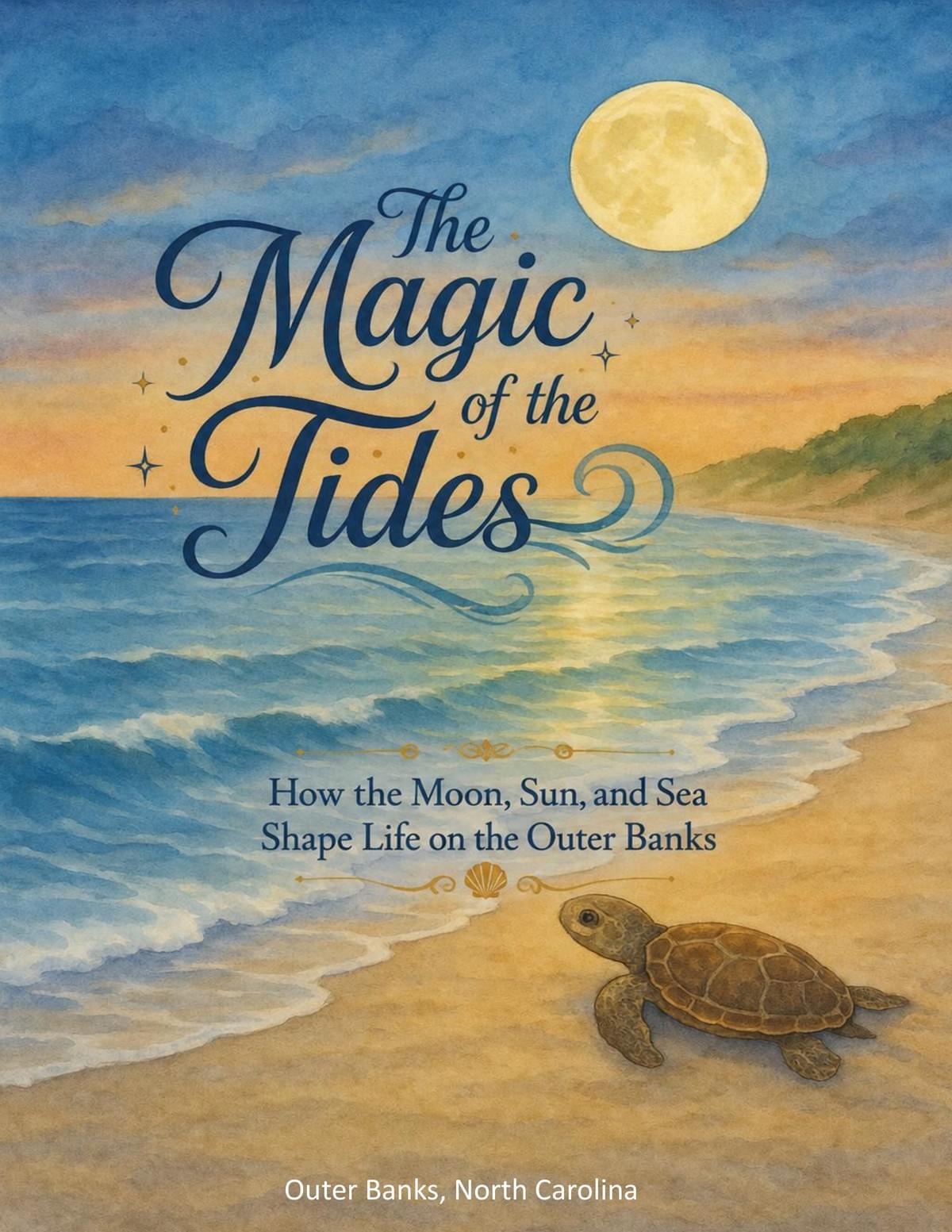
This illustrated children’s storybook explains how tides work and why they are vital to coastal ecosystems through the eyes of Luna, a curious loggerhead turtle hatchling, and her friend Percy the Pelican.
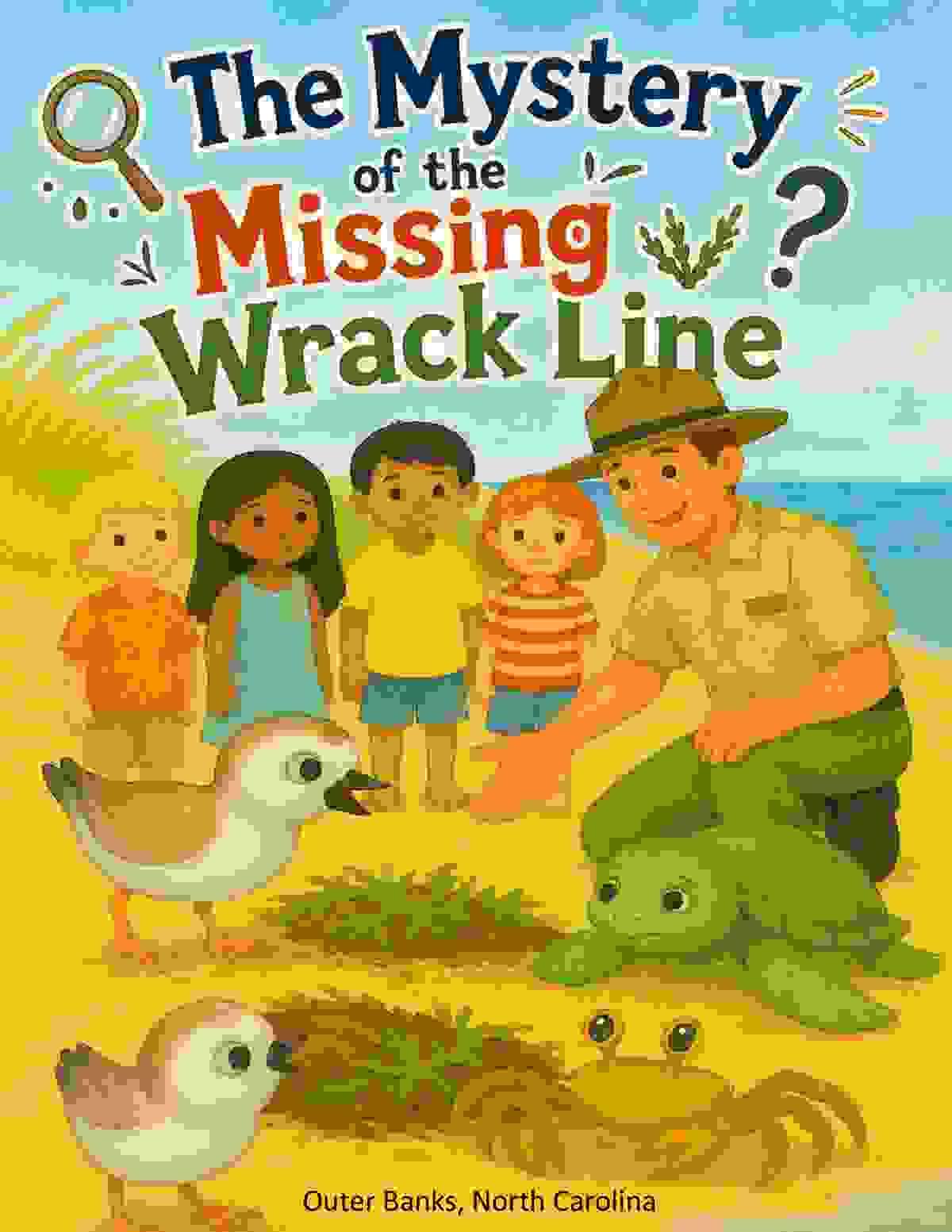
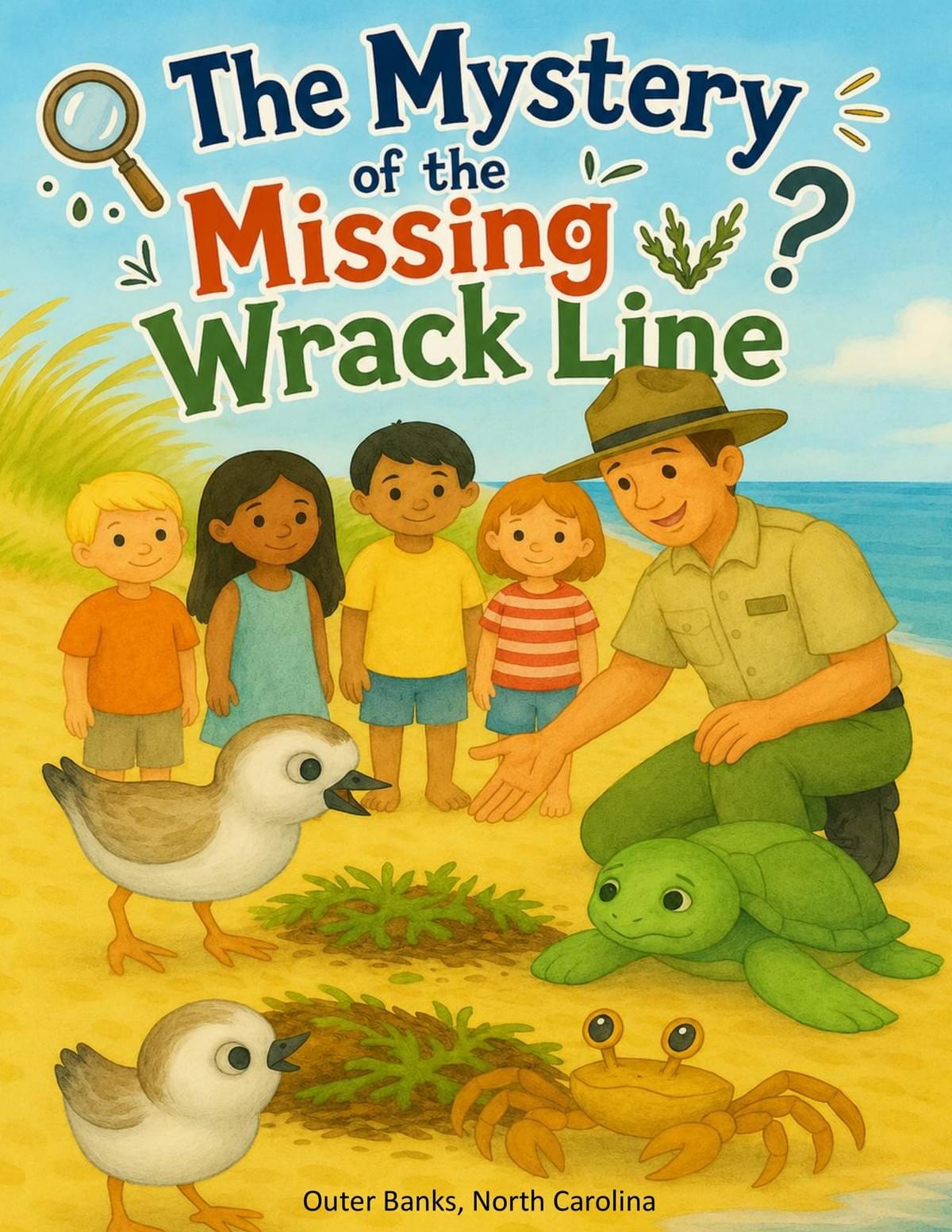
This storybook teaches children about the ecological importance of the wrack line — the band of seaweed, shells, and driftwood left behind by the tides — along the beaches of the Outer Banks, North Carolina.
Key Message: The story reminds readers that beach “cleanups” should remove trash, not natural materials like wrack. Healthy wrack lines are vital for wildlife, dune formation, and the overall balance of the coastal ecosystem.
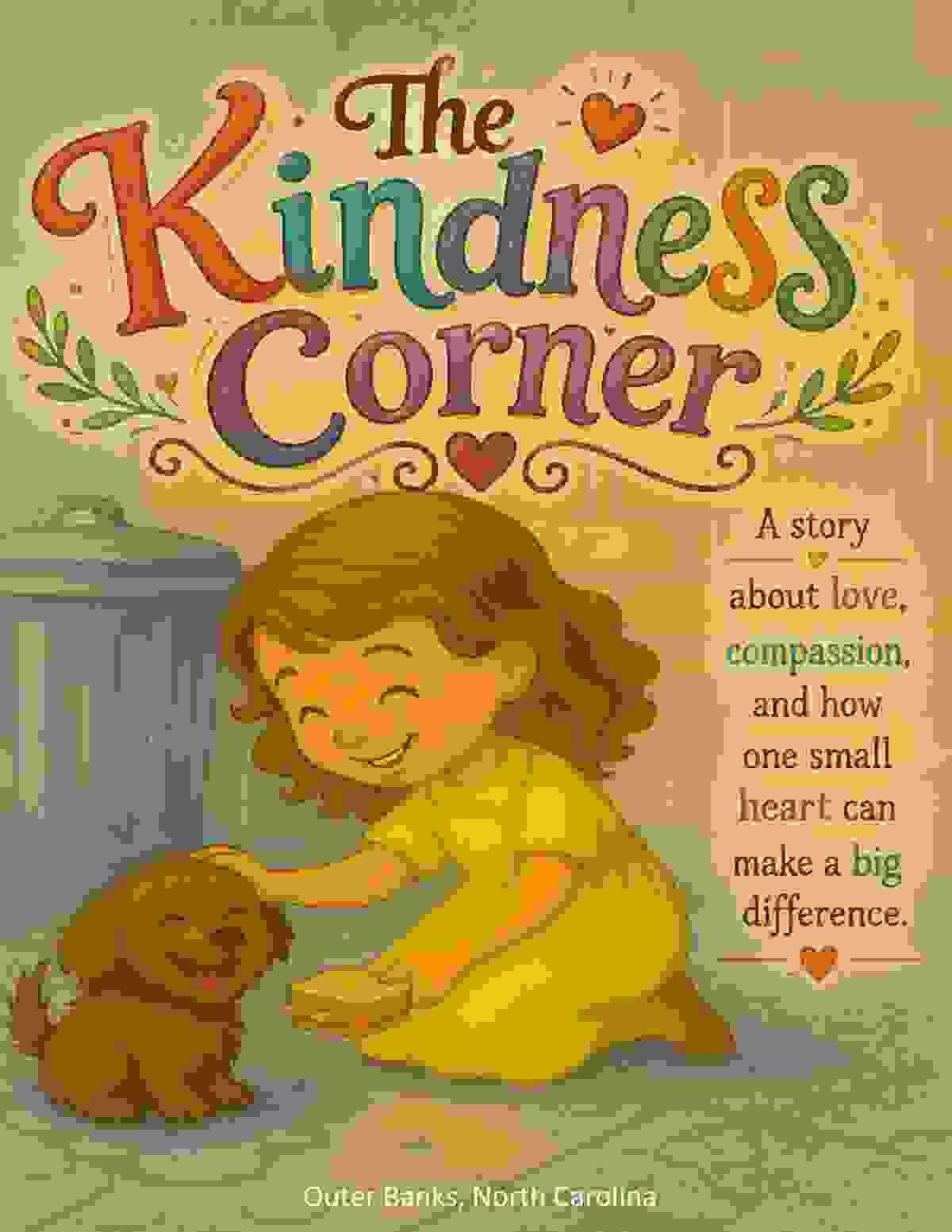
The Kindness Corner is a children’s storybook to teach compassion, empathy, and responsible care for animals. It encourages kindness toward all living creatures and demonstrates how one person’s small acts of love can make a big difference in the world.
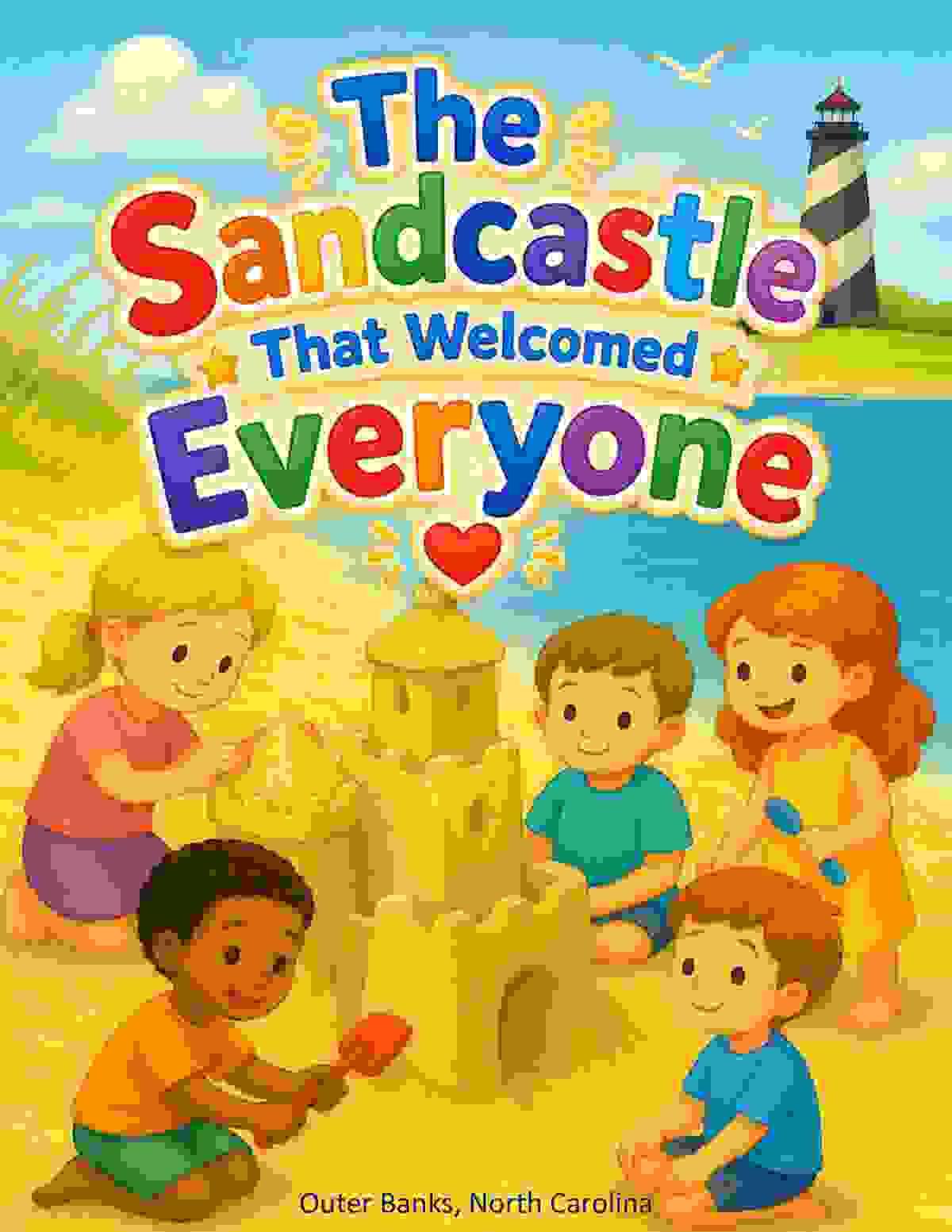
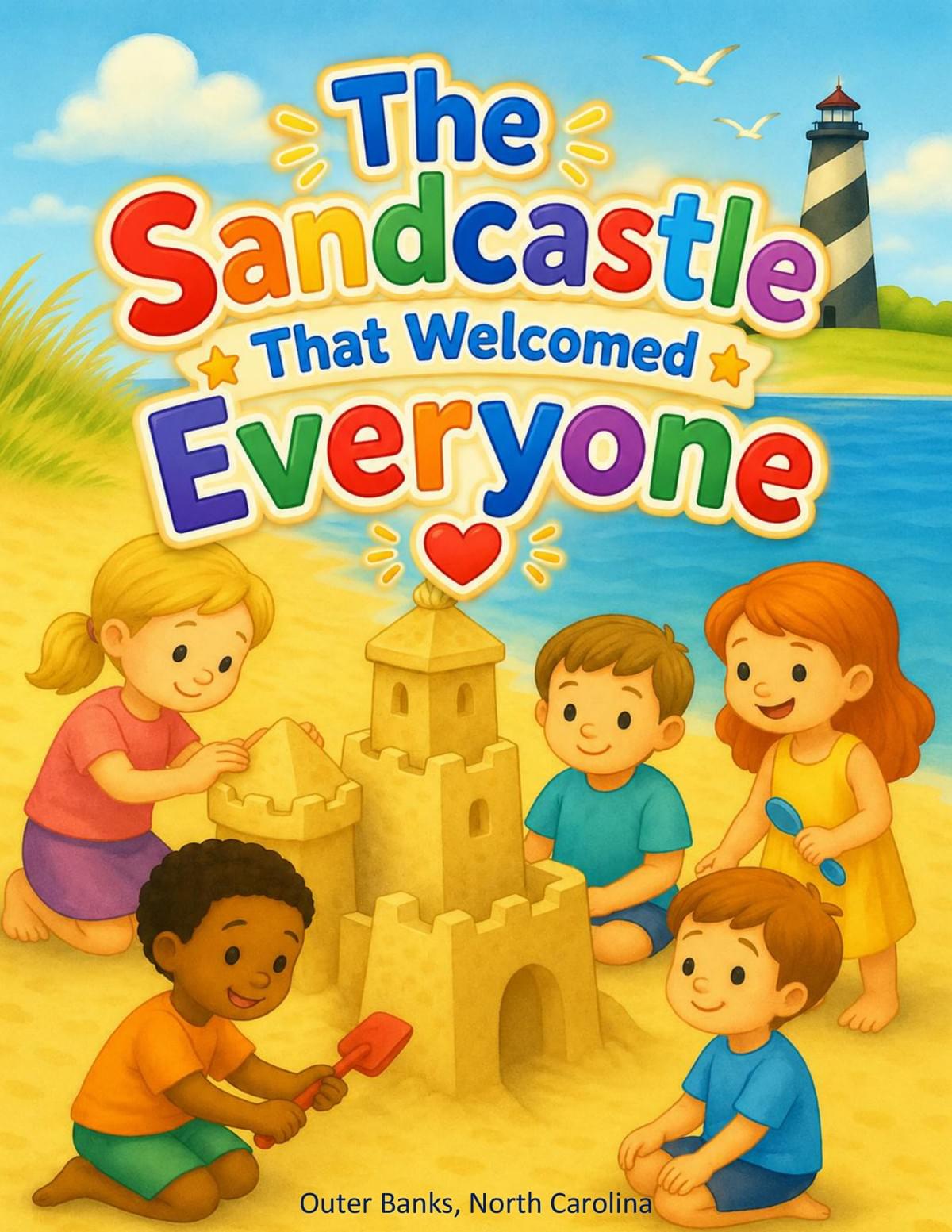
This illustrated children’s story promotes kindness, inclusion, and environmental appreciation. It is designed as a free educational resource to inspire teamwork and respect for others and nature, set on the beaches of Cape Hatteras, North Carolina. On a sunny day at Cape Hatteras Beach, four children—Sandy, Jay, Lily, and Noah—work together to build a magnificent sandcastle. Nearby, a new boy named Tom struggles alone to build his own, feeling discouraged as his towers collapse. Sandy notices and decides to invite him to join their group. The children welcome Tom, teach him how to pack sand and decorate the castle, and soon create their best sandcastle yet. As the tide washes it away, they realize what they built together—and the friendships they formed—matter most.
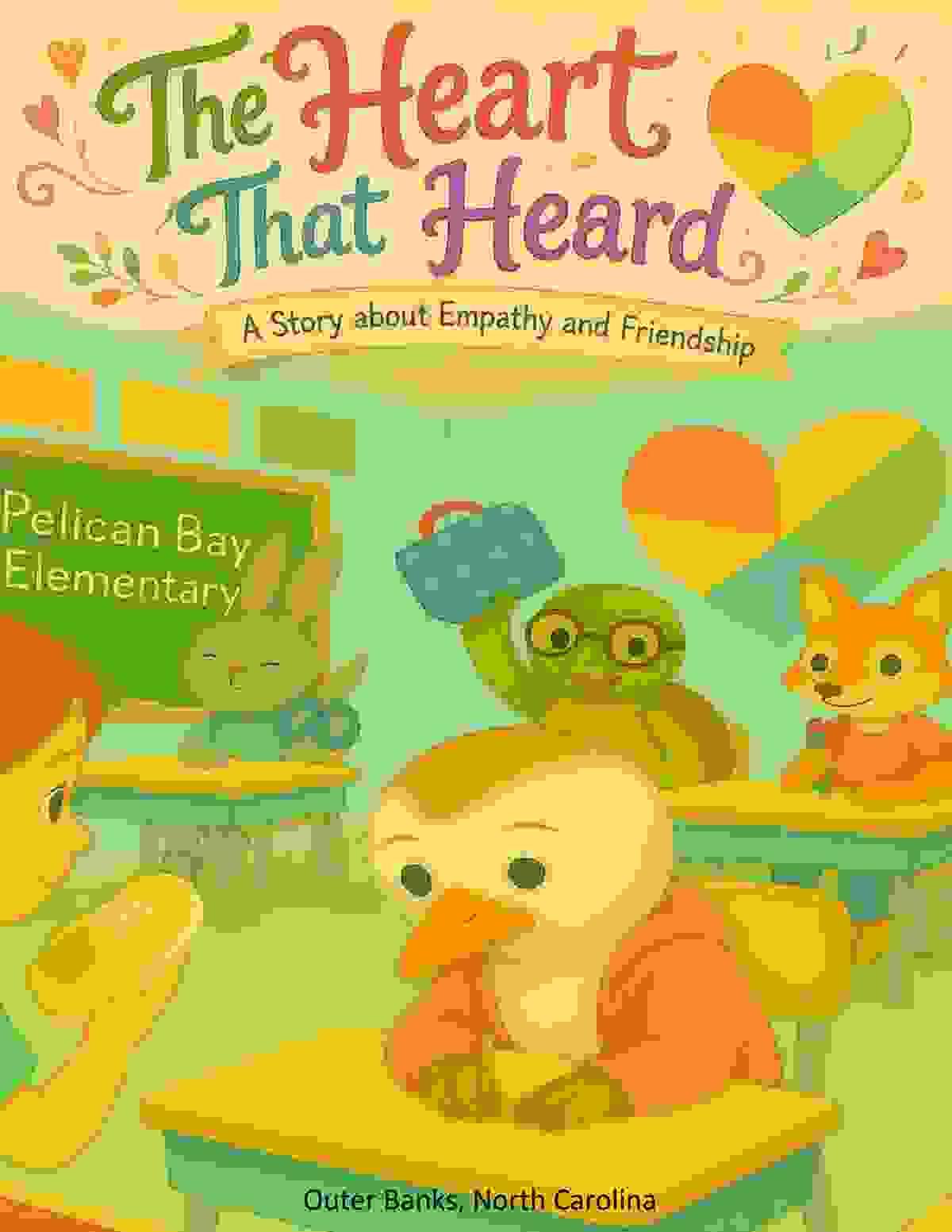
The Heart That Heard: A Story about Empathy and Friendship is a children’s storybook to promote empathy and kindness. It tells the story of Leo, a quiet boy at Pelican Bay Elementary who feels left out because he doesn’t have new things like his classmates. Sandy, noticing his sadness, decides to show kindness by giving him an extra granola bar. This small act brightens Leo’s day and inspires others to be kind as well. Soon, kindness spreads throughout the class—students begin helping, sharing, and caring for one another. Their teacher, Ms. Green, creates an “Empathy Heart” on the board, adding a new color each time someone shows kindness. By month’s end, the heart shines with every shade, symbolizing the warmth and unity empathy brings. In the end, Leo gives Sandy a small heart-shaped sticker as a token of friendship, and they promise to keep sharing kindness.
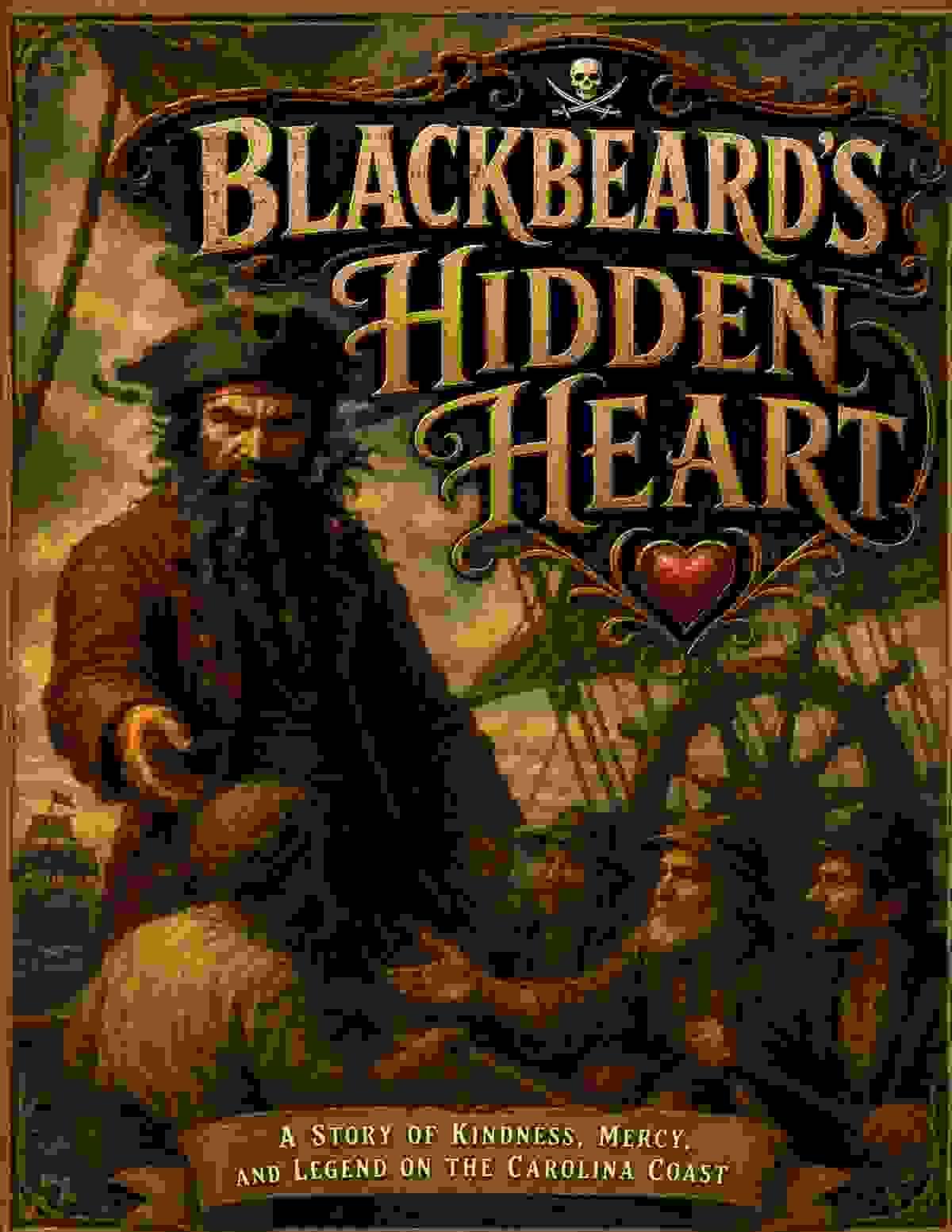
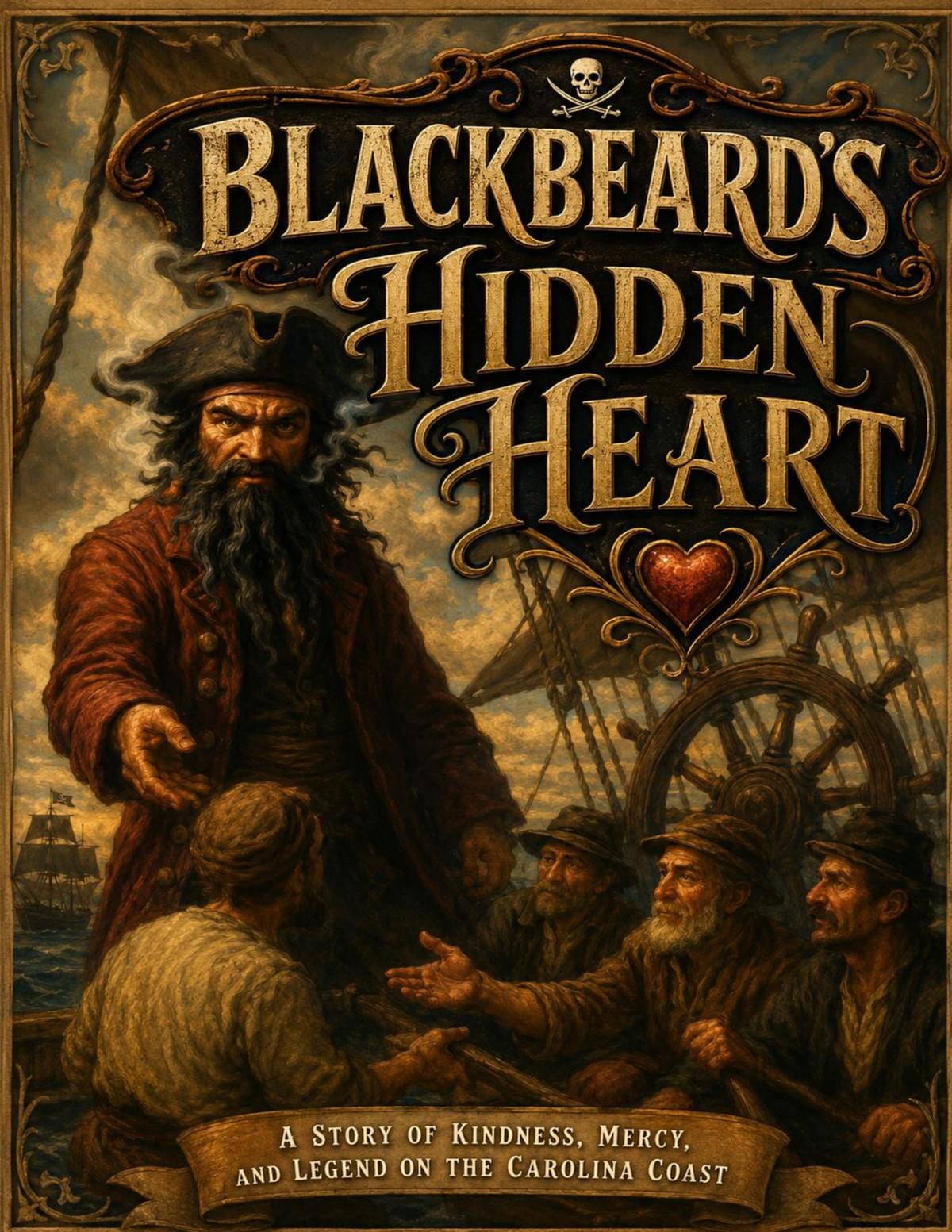
Blackbeard’s Hidden Heart: A Story of Kindness, Mercy, and Legend on the Carolina Coast tells the story of Edward Teach—better known as Blackbeard—not as a ruthless pirate, but as a man guided by mercy and fairness. Set along the North Carolina coast, the story recounts moments when Blackbeard spared sailors who surrendered, shared supplies with hungry families, and helped locals on Ocracoke Island after storms. Even during the blockade of Charleston, he sought medicine rather than gold and released prisoners unharmed. Remembered by the Outer Banks community as a “gentleman pirate,” Blackbeard’s true treasure was his kindness and honor—proof that compassion can live even in the most unexpected place.
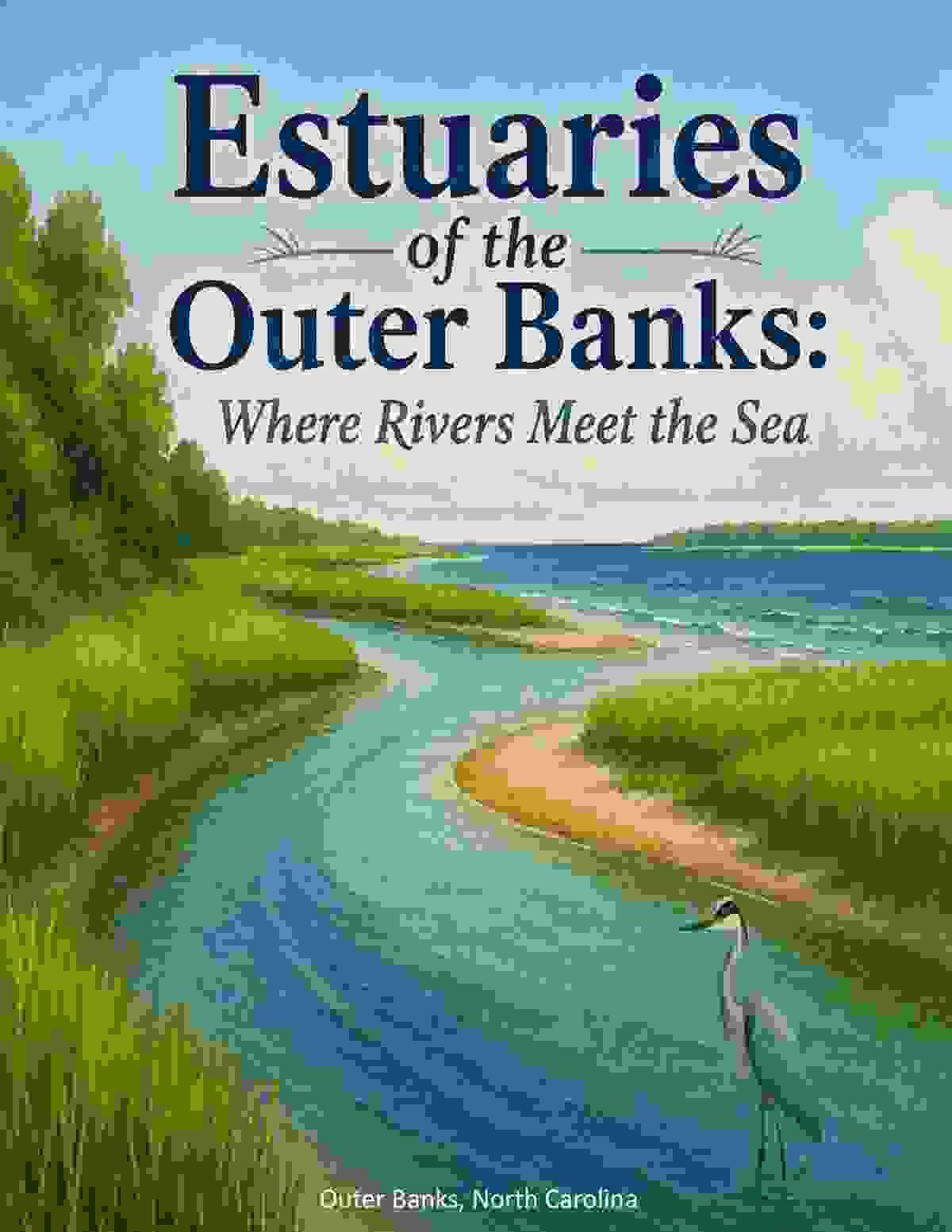
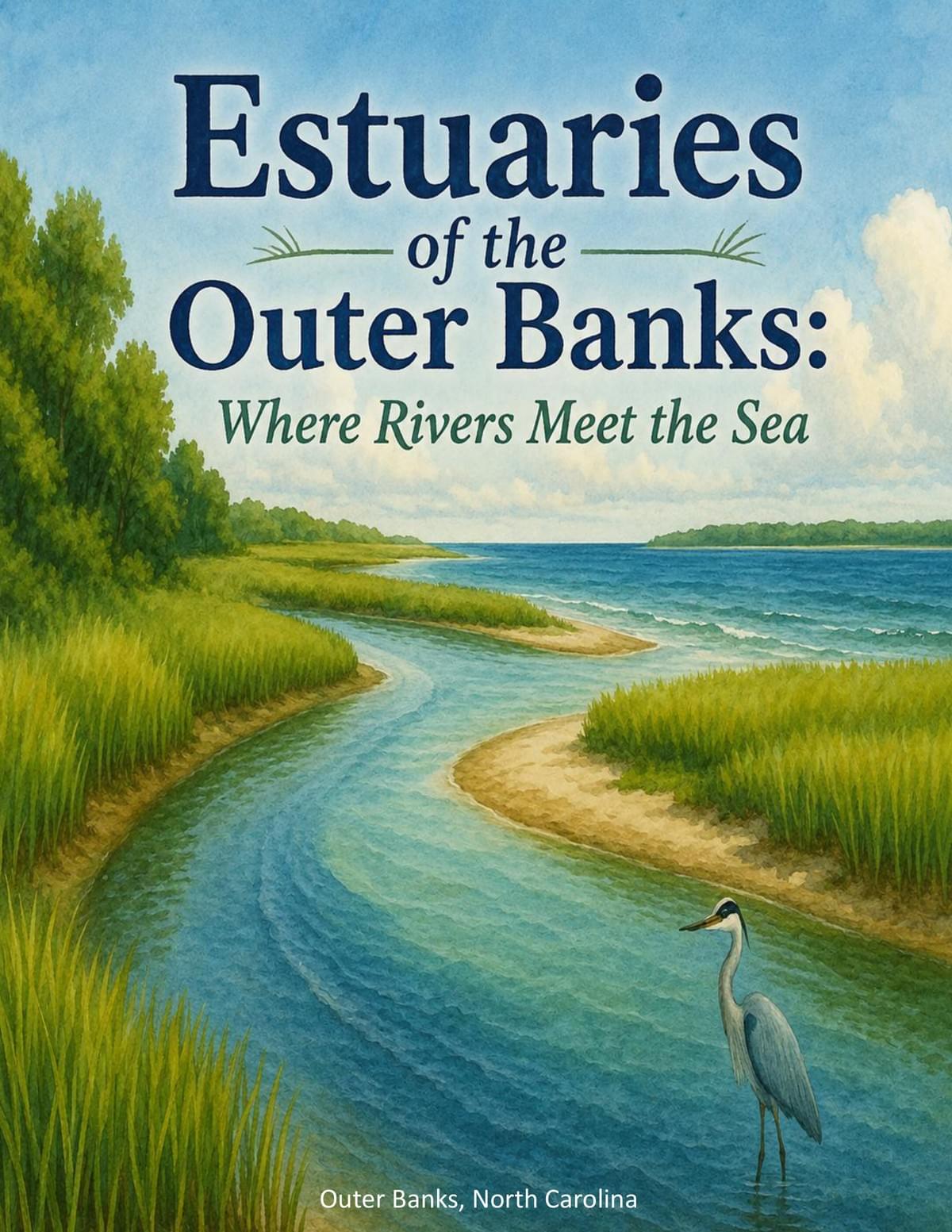
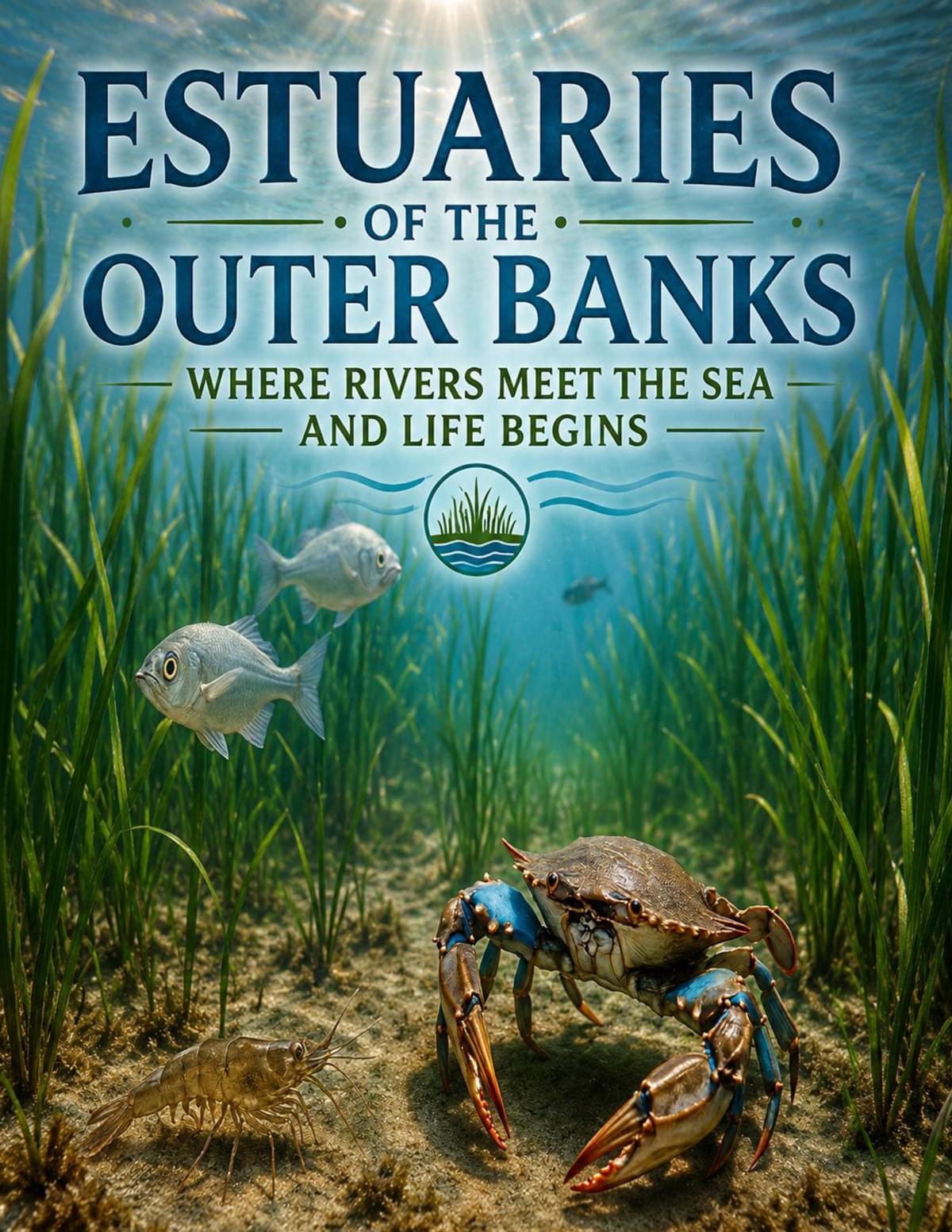
The Estuaries of the Outer Banks: Where Rivers Meet the Sea children’s book introduces young readers to the magic of estuaries—where freshwater rivers meet the salty sea to create brackish water teeming with life. It explains how estuaries like Pamlico, Albemarle, and Currituck Sounds serve as nurseries for fish, crabs, oysters, and birds, while also protecting people by filtering pollution, absorbing storm waves, and storing carbon. The book highlights threats such as pollution, development, and rising seas, but inspires action through simple steps kids can take—like picking up litter, planting native grasses, and saving energy. Filled with fun facts and vivid local examples, it encourages stewardship and curiosity about the Outer Banks’ vibrant coastal ecosystems.
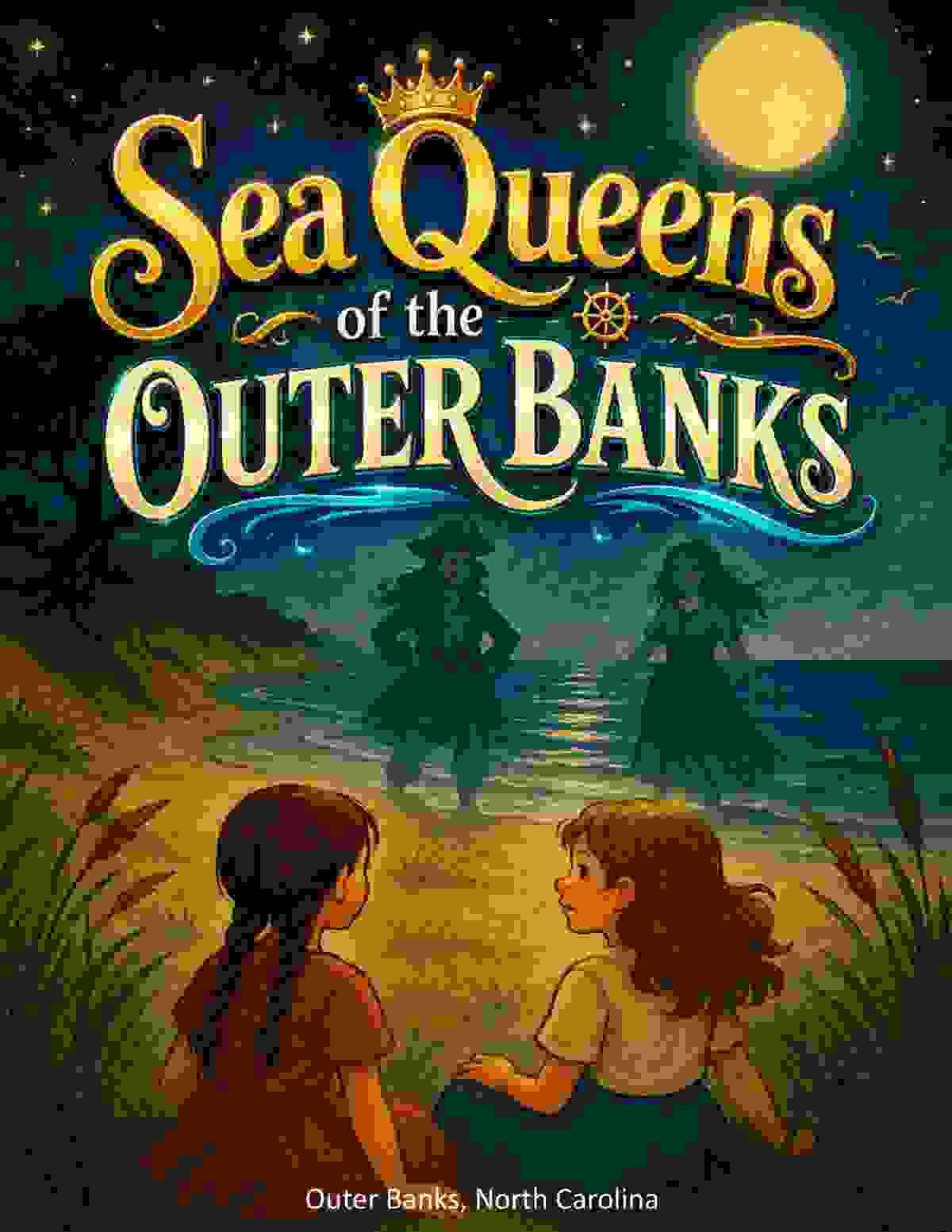
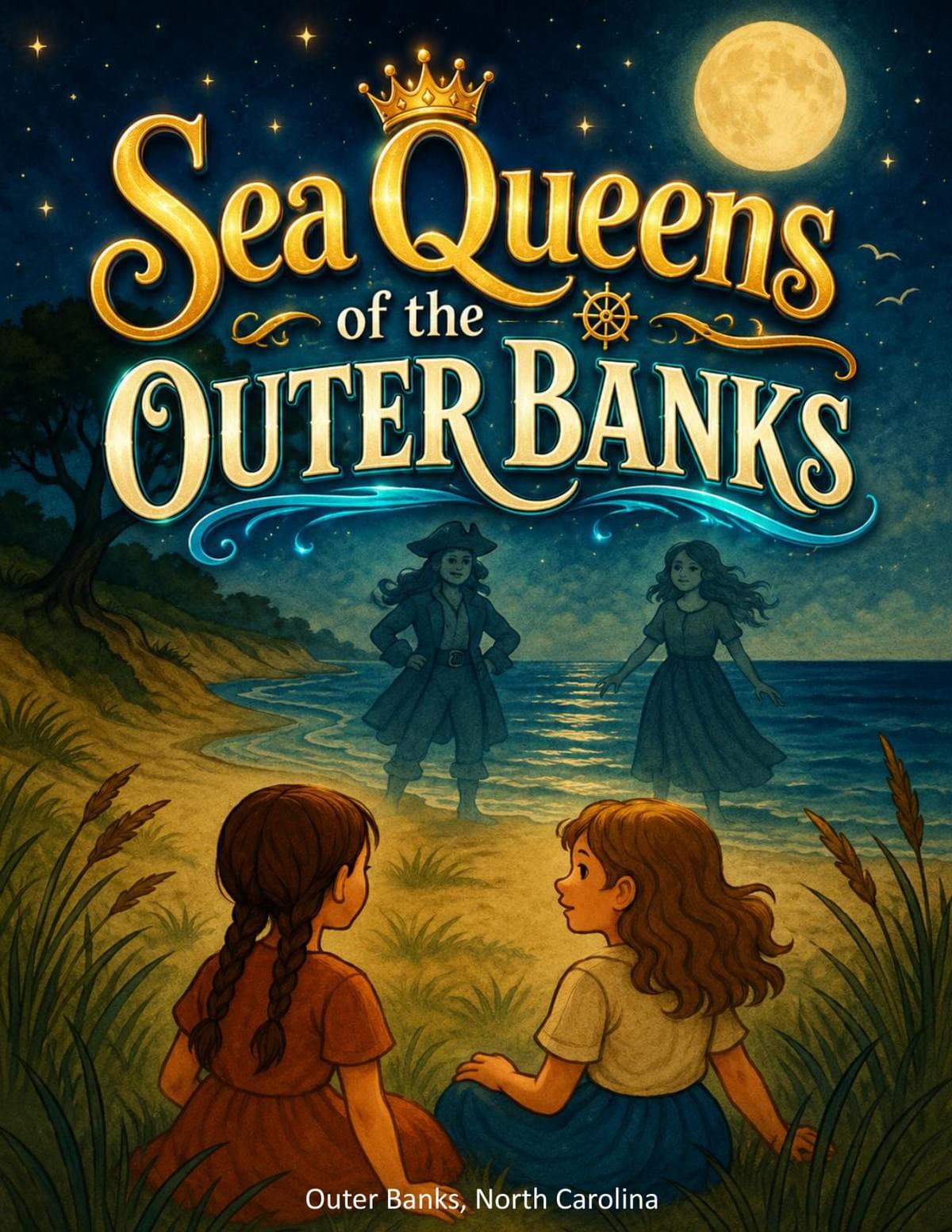
Sea Queens of the Outer Banks is a children’s storybook to inspire environmental stewardship and kindness through the legend of two brave girls, Anne and Mary, who grow up to become compassionate pirate queens. Set along North Carolina’s Outer Banks, the tale follows their journey from dreaming of the sea on Shell Island to learning navigation, sailing the Pamlico Sound, and protecting others during fierce storms. Known as “The Good-Hearted Ghost of the Banks,” they rescue fishermen, share their catch with the needy, and teach that courage and compassion are the greatest treasures. Blending folklore with history, the story highlights real-life female pirates Anne Bonny and Mary Read, connecting their courage to the legacy of women who lived and worked along the Carolina coast. It concludes with the message that anyone can be a “pirate queen” by leading with bravery, cleverness, and kindness.
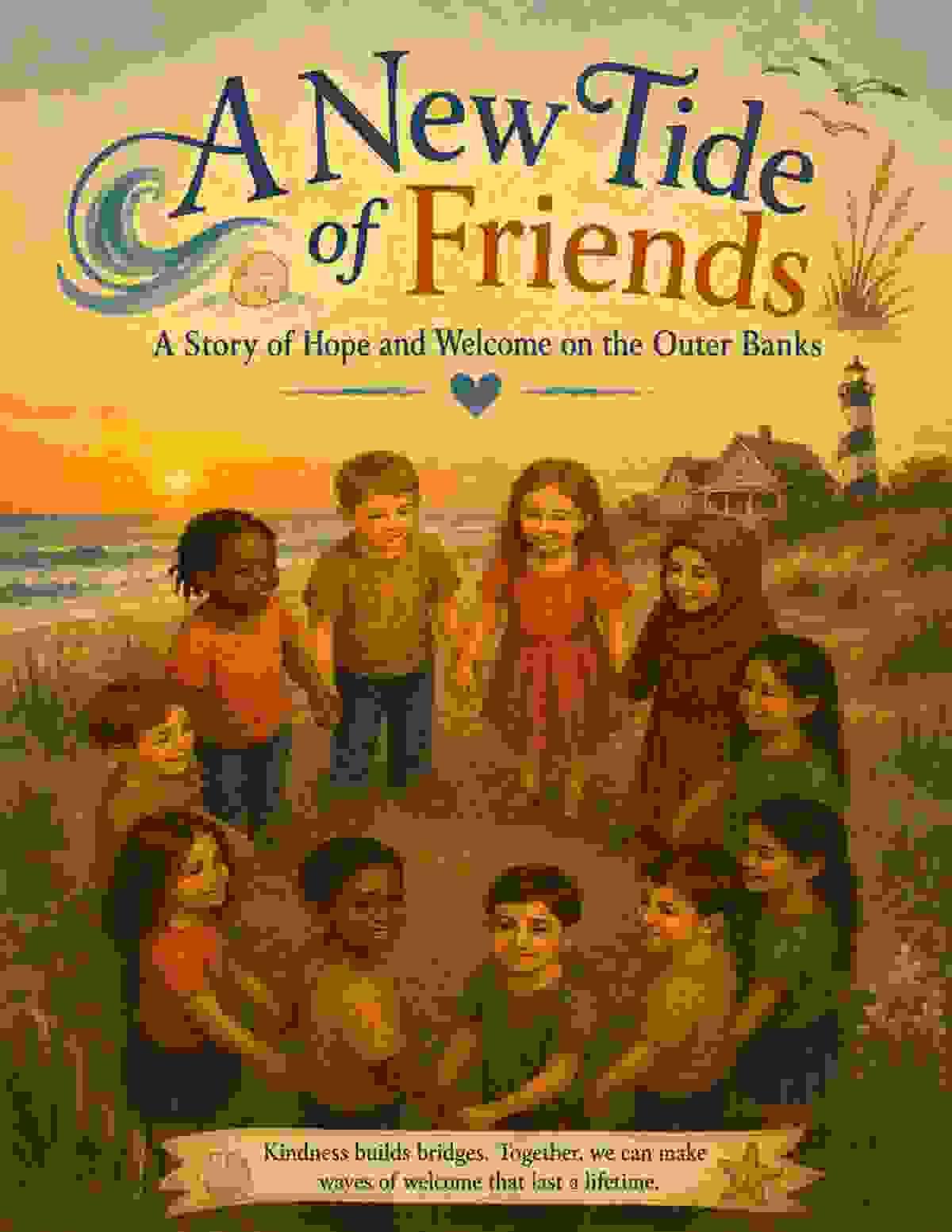
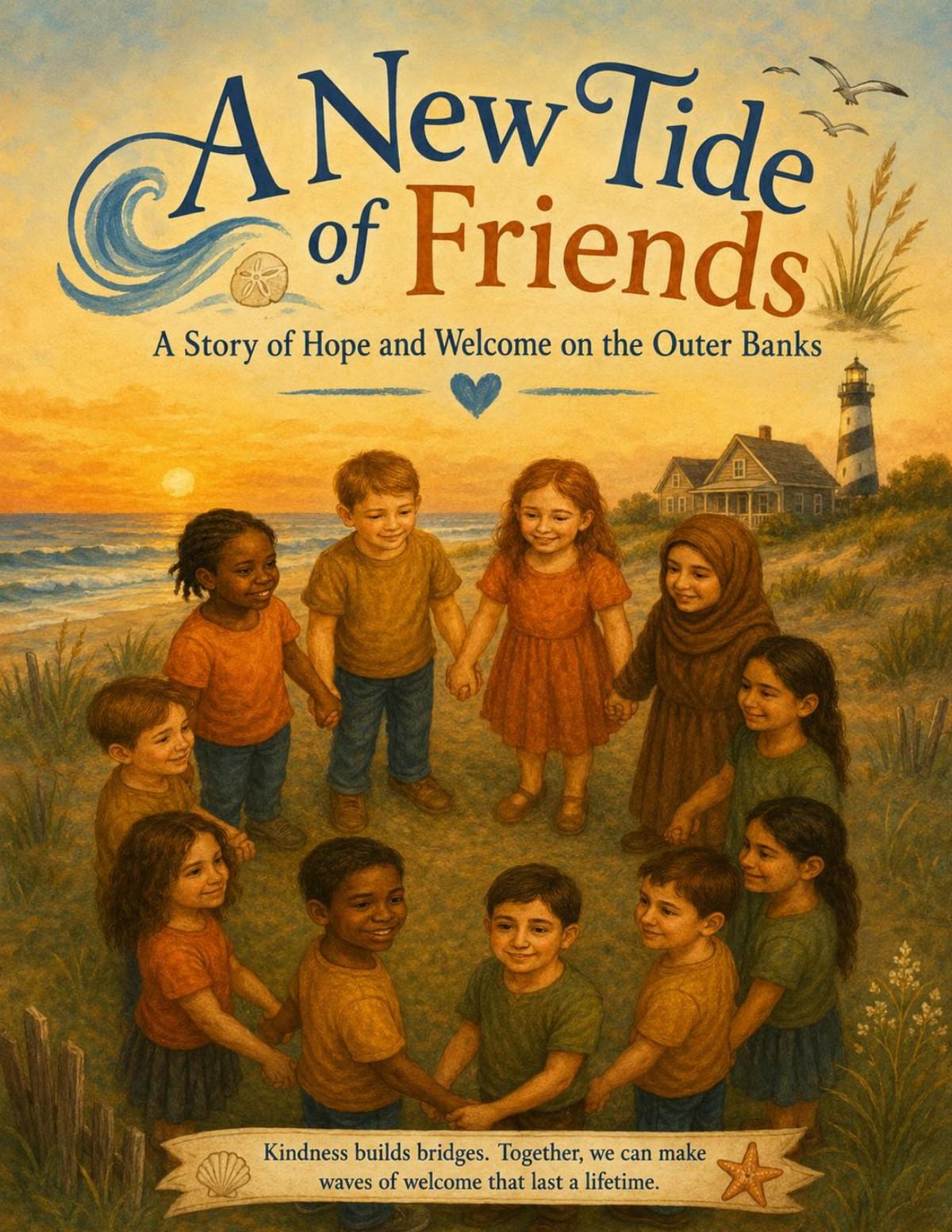
A New Tide of Friends: A Story of Hope and Welcome on the Outer Banks tells the story of Lila, her brother Kai, and their mother, who meet a refugee family newly arrived in Avon, North Carolina. The family — Amina, her brother Samir, and their parents — fled war and hardship to find peace by the sea. The Outer Banks Coastal Conservation Center comes together to welcome them, providing housing, supplies, and friendship. Through shared acts of kindness, such as beach cleanups, school projects, and a Lantern Festival celebrating peace, both newcomers and locals learn the power of compassion and inclusion. The story ends with Lila and Amina walking home together, reflecting that “the sea connects us, and kindness keeps us safe,” reminding readers that there is always room for new friends and hope.
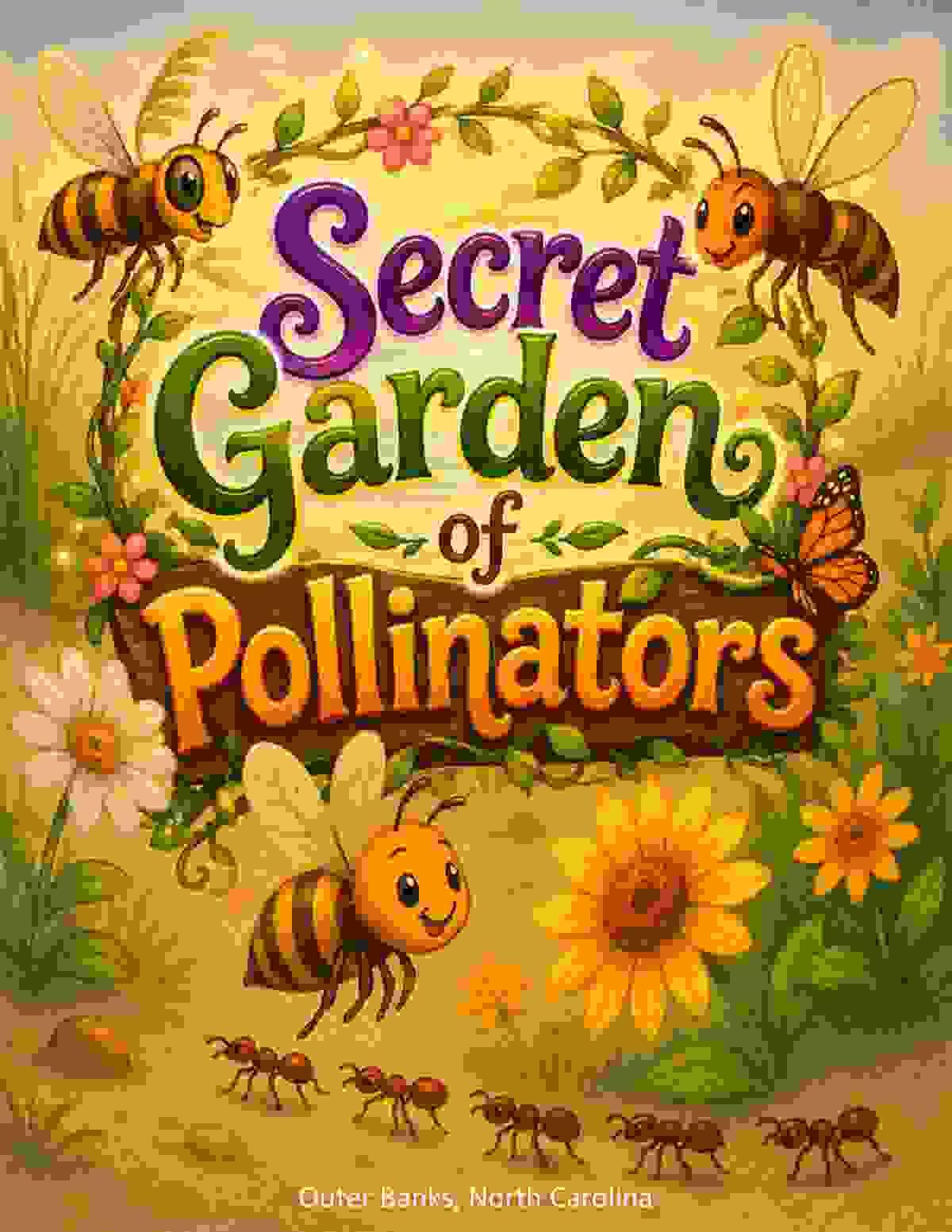
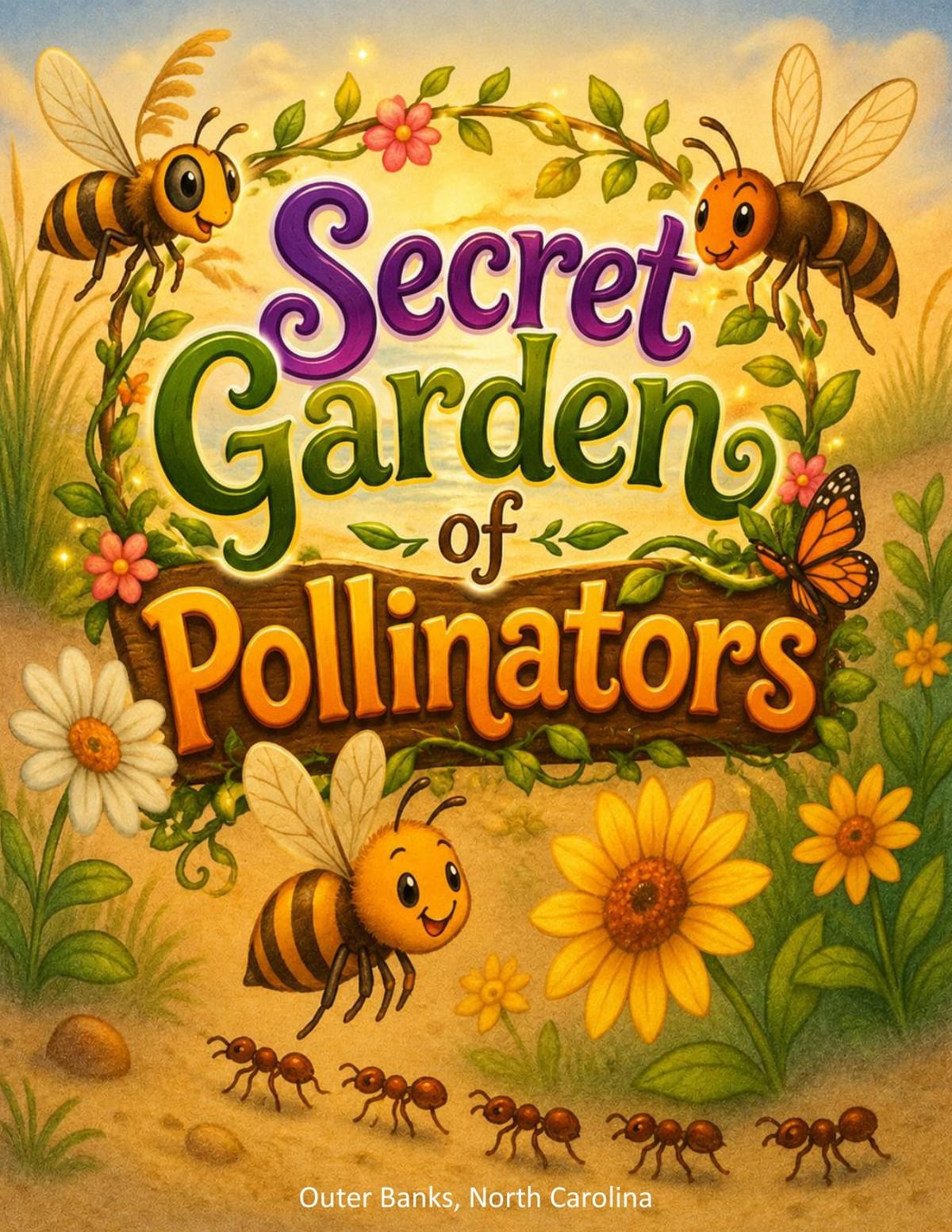
The Secret Garden of Pollinators tells the story of Bree the Bee and her discovery that pollination is a shared effort among many creatures on North Carolina’s barrier islands. Through lively encounters with beetles, flies, wasps, ants, moths, and even bats, Bree learns that every species—day and night—plays a vital role in keeping the coastal ecosystem thriving. When pesticides threaten the garden, two children, Maya and Finn, step in to restore it with native plants and care, reminding readers that human choices matter in protecting pollinators. The story concludes with a message of unity and stewardship: when all pollinators are valued, nature flourishes in harmony.
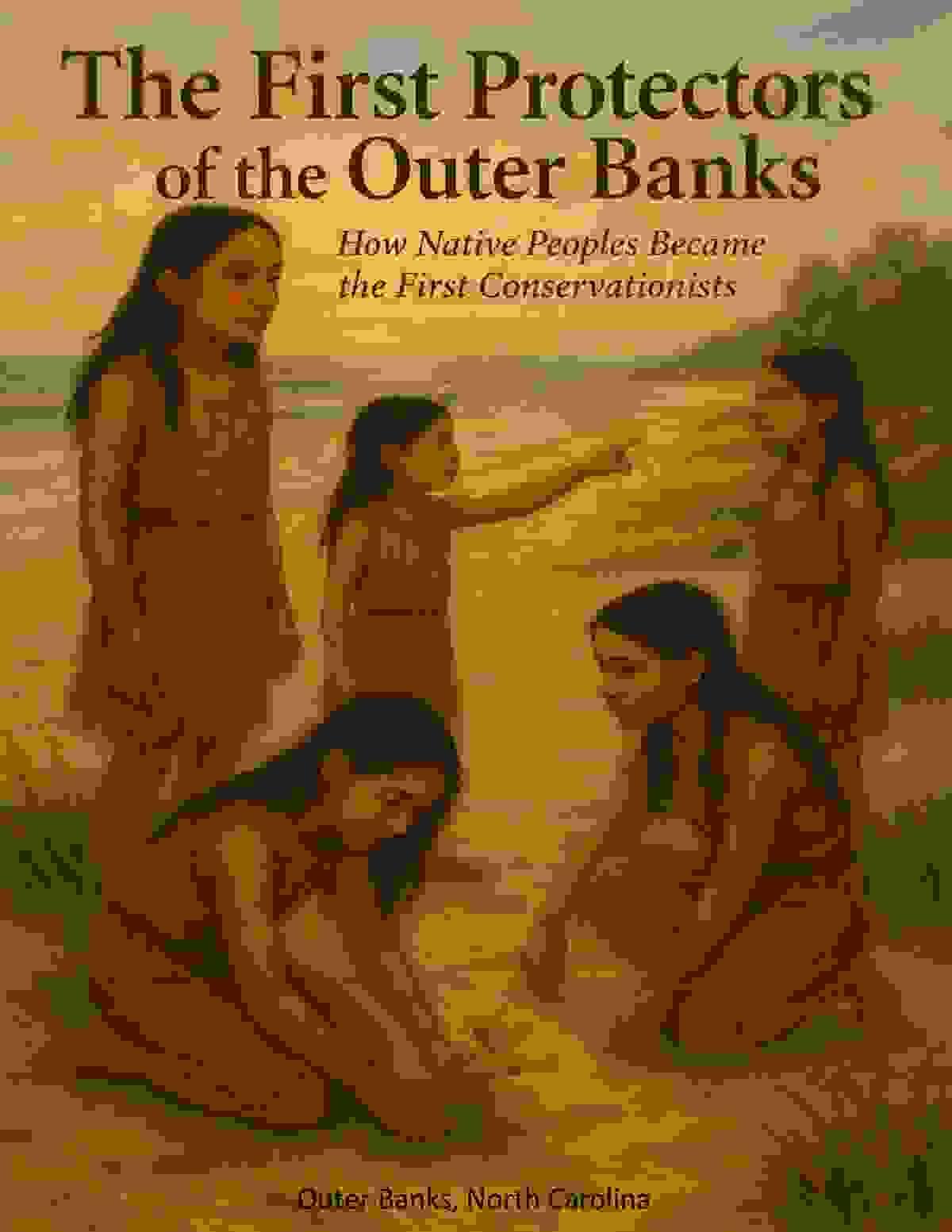
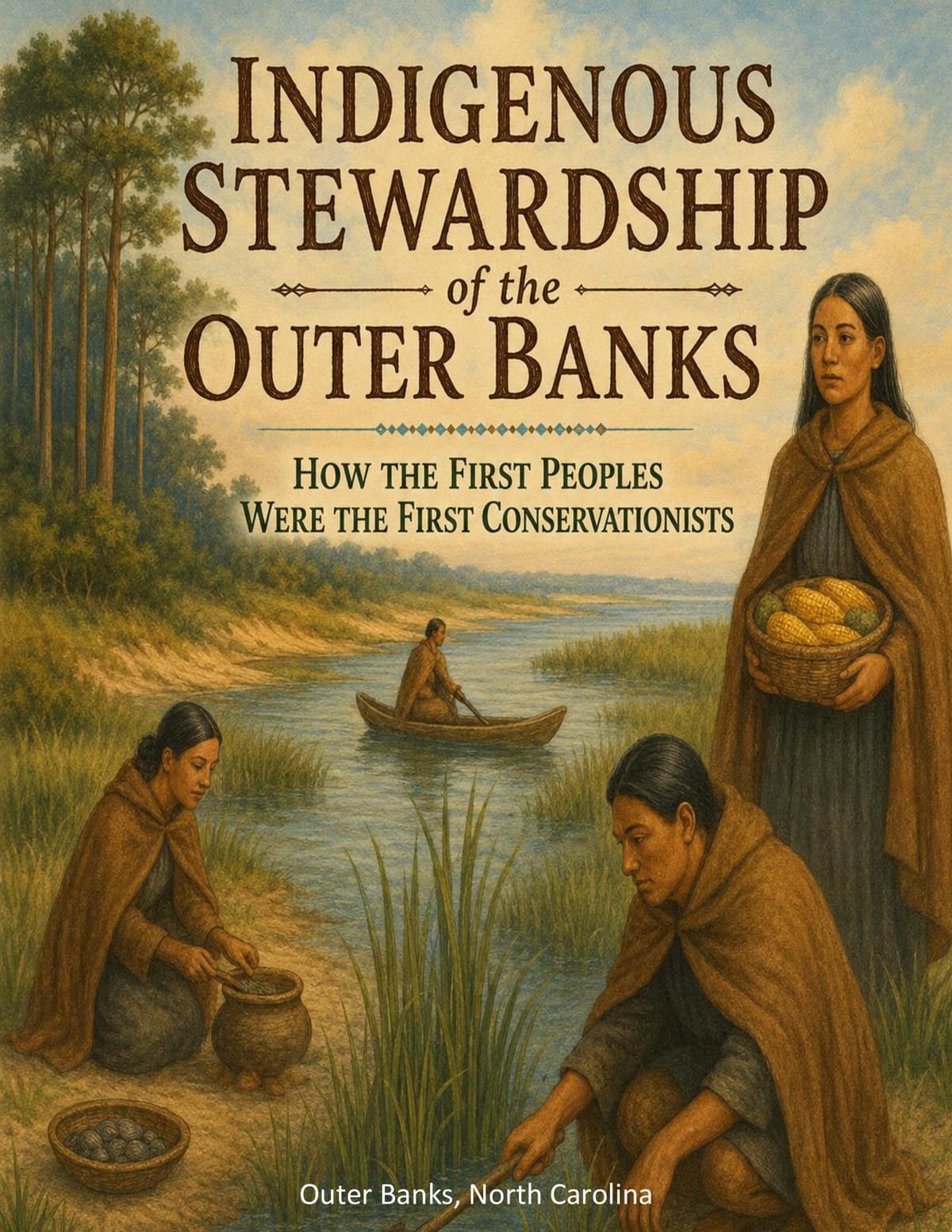
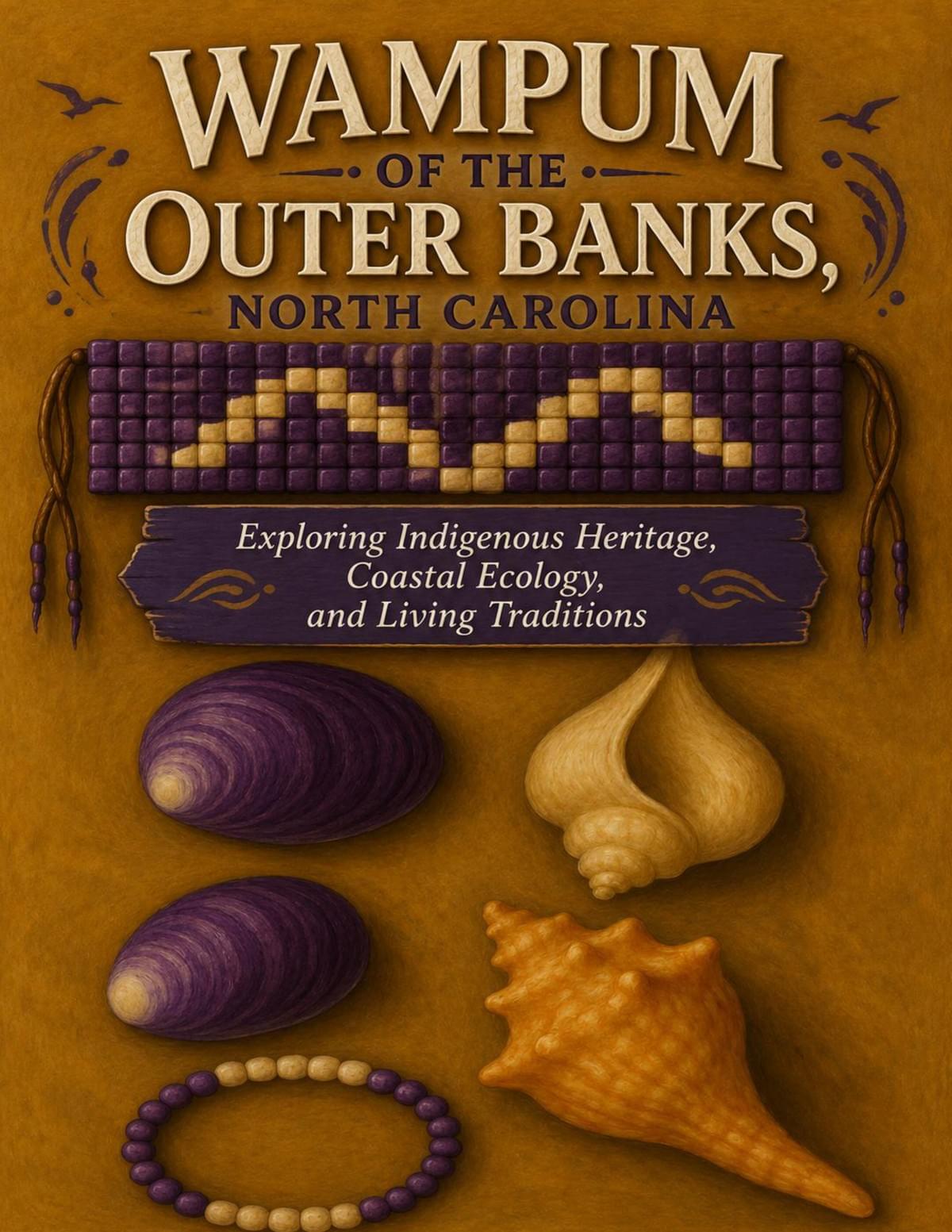
Native peoples of the Outer Banks — including the Croatoan, Secotan, Weapemeoc, and Chowanoke — were the region’s first conservationists, teaching their children to live with the dynamic islands rather than fight them. They practiced sustainable fishing, protected marshes, honored water sources, and planted cooperative crops like the Three Sisters. They used controlled fire to renew forests, built lightweight homes that worked with storms, and treated the land as part of their family — with the ocean as a grandmother and wildlife as relatives. Their deep respect for nature offers modern lessons: let dunes grow, keep waters clean, protect marshes and turtles, and care for the shifting islands with gentle, informed stewardship.
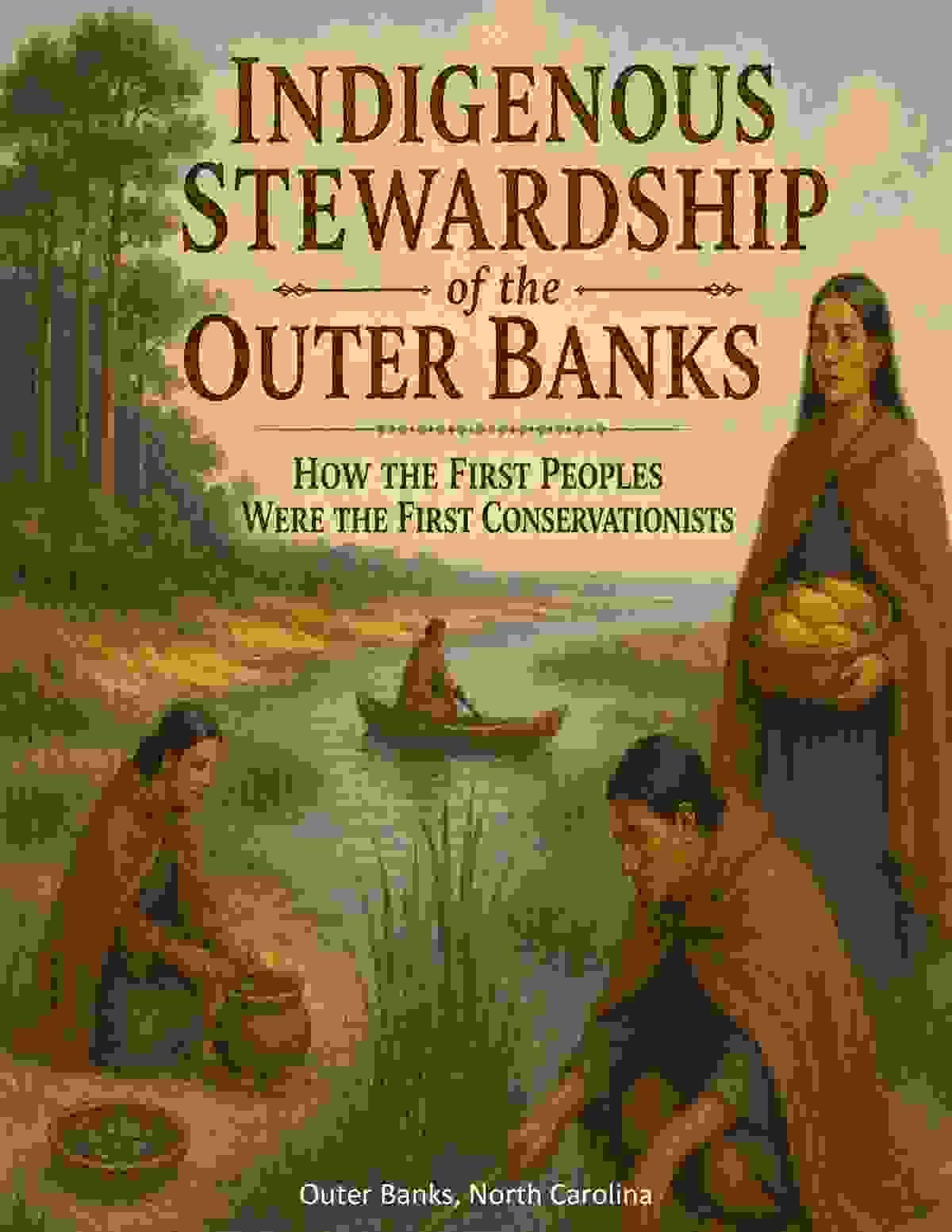
This book explains how the Indigenous peoples of the Outer Banks lived in harmony with nature for thousands of years. They used sustainable fishing, hunting, farming, and forestry practices while protecting water, wildlife, and coastal habitats. Guided by values of respect, responsibility, and balance, they treated the land and sea as living relatives rather than resources to be exploited. The book shows how their wisdom can help us protect the Outer Banks and its wildlife today.
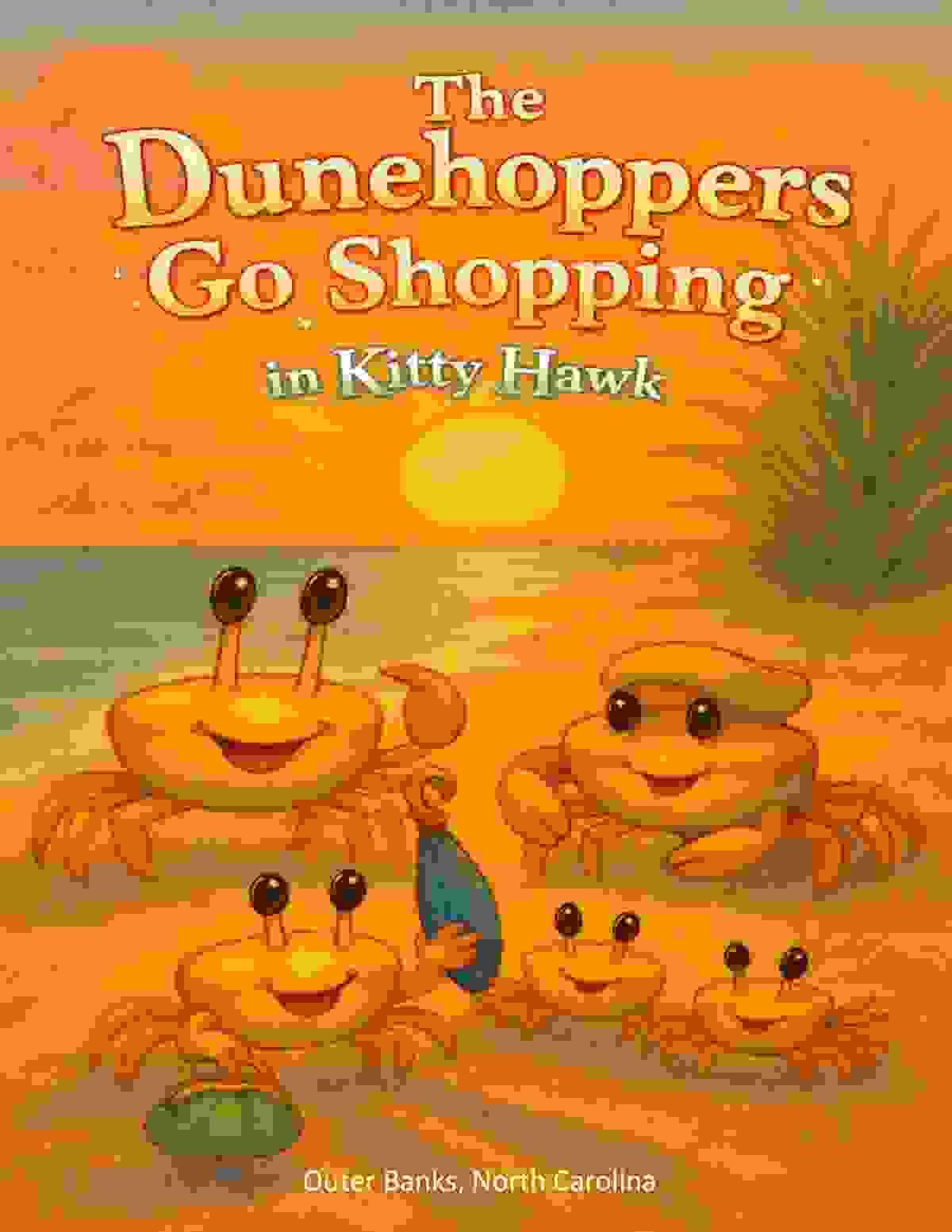
The Dunehoppers spend a joyful day exploring the Kitty Hawk Outlets, scurrying along a tiny crab-sized path to visit colorful shops, imagining giant flip-flops as surfboards, discovering a coin purse perfect for seashell treasures, and politely sampling a shared vanilla ice cream cone before heading home at sunset. Filled with sandy claws, big smiles, and tiny new treasures—including a keychain umbrella for baby Shellby—they end their adventure happy and dreaming of their next outing, maybe even donuts in Duck.

The story follows the Dunehopper Ghost Crab family as they set out on a magical nighttime camping adventure along the Outer Banks, beginning with an excited departure from their burrow and a sideways hike across moonlit dunes to find the perfect campsite. Together they prepare their cozy “tent,” enjoy a glowing plankton “campfire,” share stories under the stars, and join a shimmering midnight parade of fellow ghost crabs. As dawn approaches, the family snuggles into their seaweed blanket, wrapped in warmth, love, and the simple joy of being together, ending their night in peaceful driftwood dreams.

The Dunehoppers Celebrate Christmas With a Visit from Santa Claws follows the cheerful Dunehopper Ghost Crab Family as they enjoy a magical Christmas night on the Outer Banks. After decorating a sandy dune-tree with glowing plankton and sharing heartfelt gifts from nature, they hear a tiny jingle in the sky and are delighted by a surprise visit from Santa Claws, who arrives in a seashell sleigh pulled by sand fleas. Santa gives each family member a thoughtful gift and reminds them that kindness shines brightest of all. Later, the whole beach gathers for the shimmering Christmas Moon Parade, and the Dunehoppers end the night snuggled together under the glowing moon, grateful for love, joy, and being together.
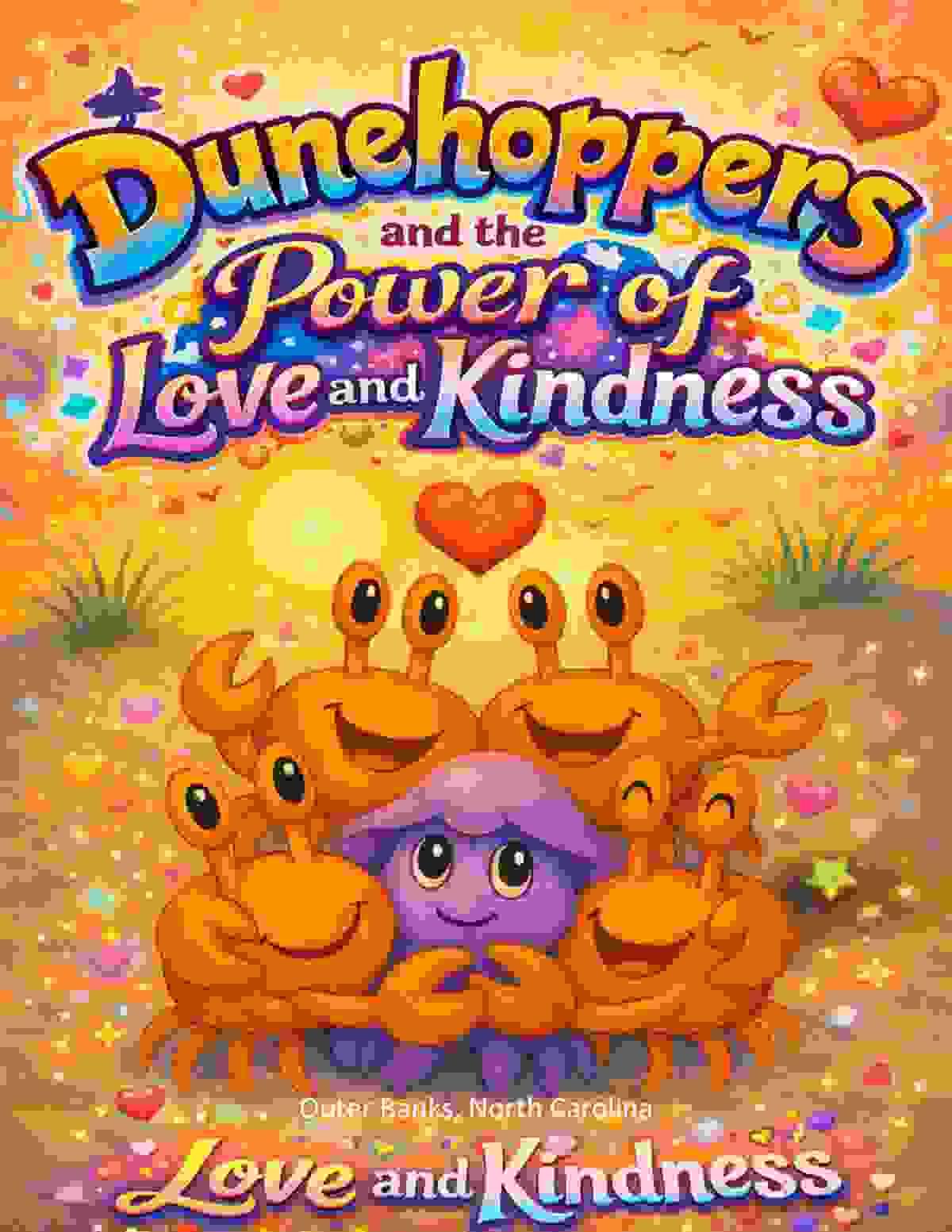
The Dunehopper Ghost Crab family begins a joyful day on the Outer Banks, where they soon meet a lonely lavender crab named Lilac who feels unwelcome because she looks different. With warmth and compassion, the Dunehoppers invite her to explore, play, and discover the beauty of being accepted just as she is. Through shared adventures—zig-zagging across dunes, chasing glowing plankton, and laughing together—the family teaches Lilac that every creature belongs and that kindness makes the world brighter. As the stars rise, the crabs return home as one loving family, strengthened by the simple but powerful truth that love and respect connect all who share the beach.
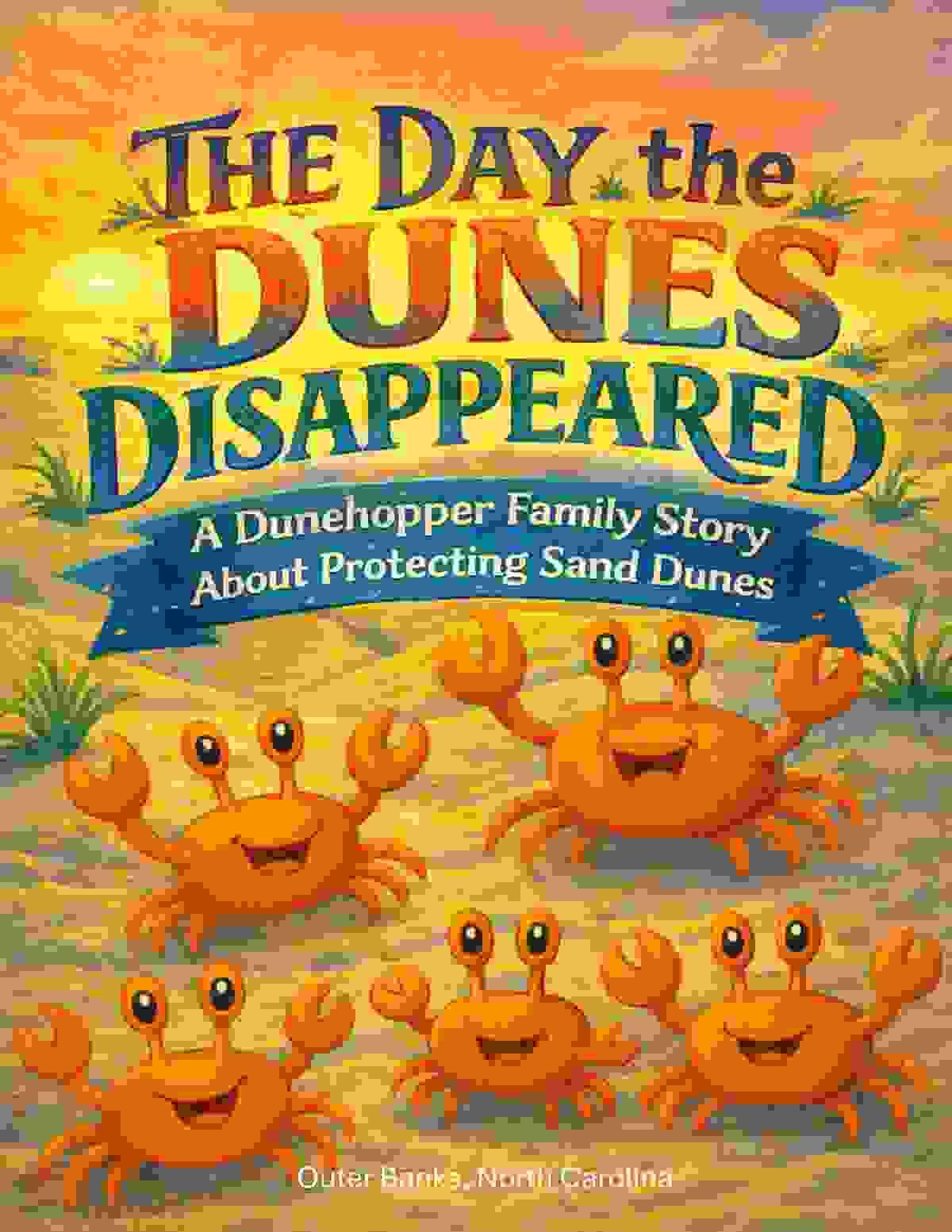
The Dunehopper Ghost Crab family wakes to find that a storm has washed away much of their dune, prompting them and their neighbors to work together to rebuild their sandy home and protect it for the future. With guidance from the sea oats—whose strong roots help hold dunes together—the crabs learn how important it is for all creatures, including humans, to stay off fragile dune plants so they can grow. As the day unfolds, humans join the effort by planting dune grasses, shaping a living shoreline, and roping off areas to help sea oats recover. By sunset, the rebuilt dune stands proudly, and the Dunehoppers realize that everyone, big or small, plays a vital role in caring for the beach they share.
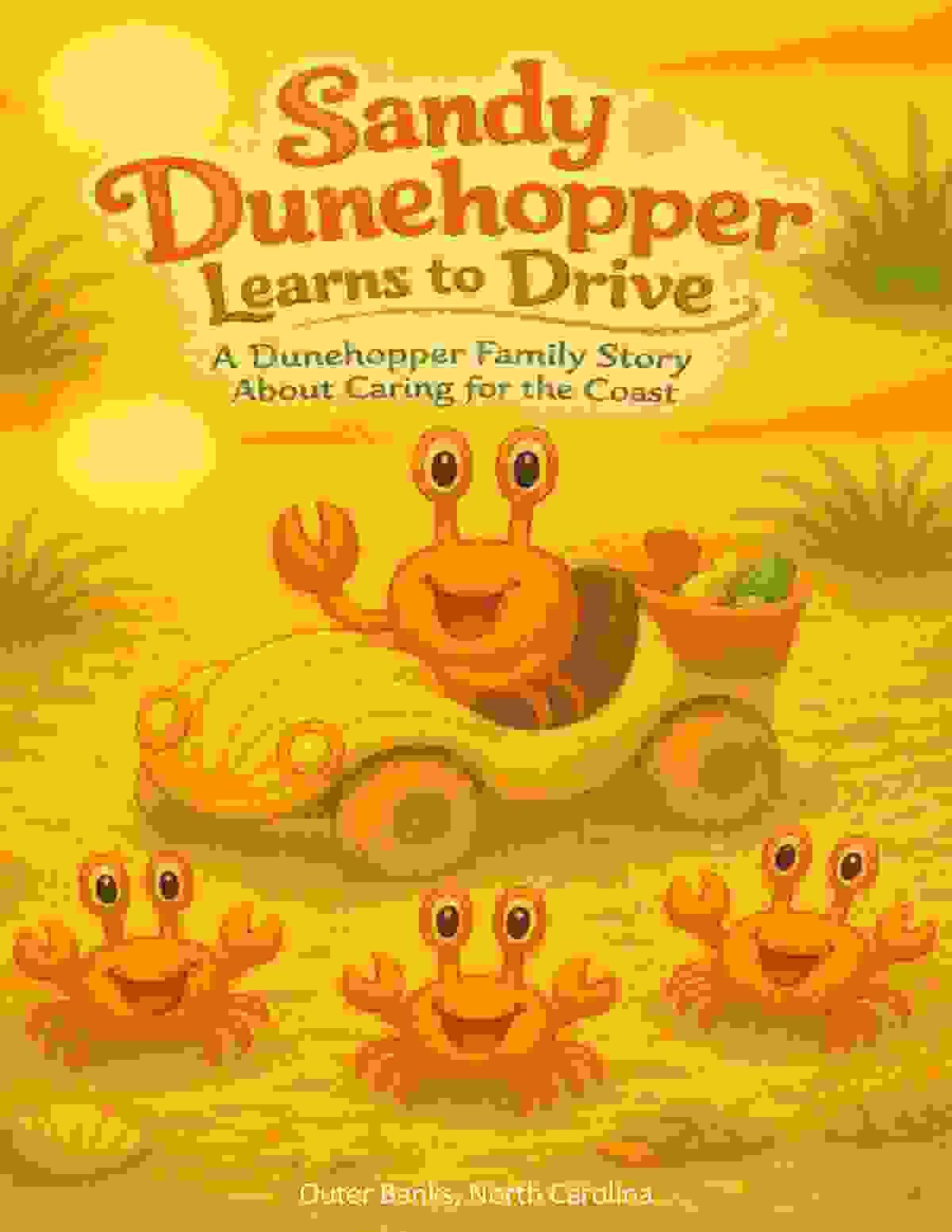
Sandy Dunehopper Learns to Drive: A Dunehopper Family Story About Caring for the Coast follows young Sandy as she practices driving her family’s tiny dune-friendly Dunebuggy on the Outer Banks, learning along the way how caring for the coast is part of every journey. Guided by Papa, Mama, and her siblings, she discovers the importance of staying on marked paths to protect fragile dunes, picking up litter to keep beaches healthy, watching for wildlife like baby sea turtles, and helping restore damaged areas with natural materials. Through each lesson, Sandy realizes that responsible driving is really about being a good steward of the beach she loves, and by the end, she proudly embraces her new role as a “Coastal Caretaker.”
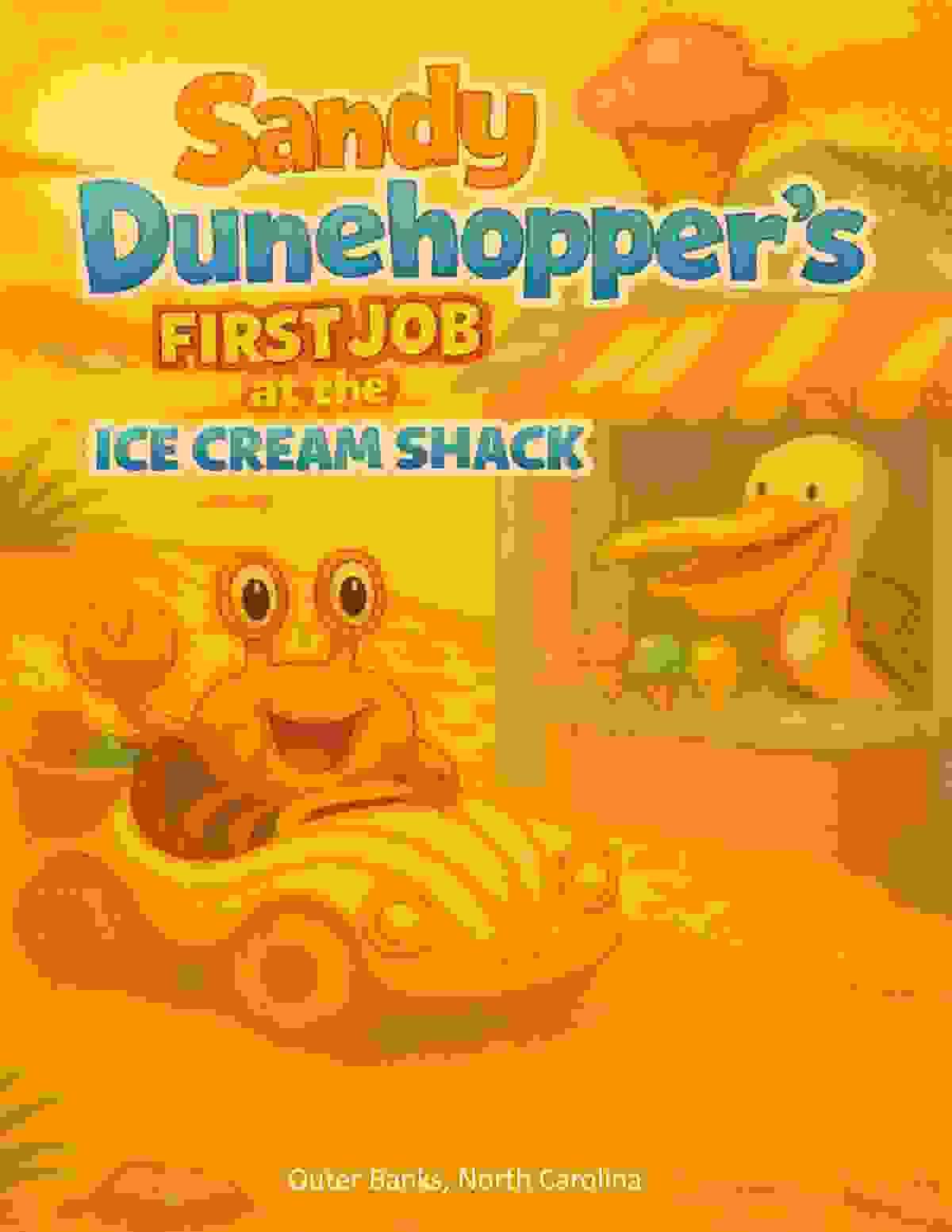
Sandy Dunehopper’s First Job at the Ice Cream Shack follows Sandy, a cheerful young ghost crab in Kitty Hawk, NC, as she begins her first job and quickly discovers how everyday actions can protect the coast. With guidance from Mr. Driftwood the pelican, Sandy learns to scoop ice cream—but also notices how litter blowing toward the dunes can harm sea oats and wildlife. She springs into action by promoting reusable containers, offering rewards for eco-friendly choices, and setting out a “Windy-Day Trash Basket,” helping keep the beach cleaner. By the end of the day, Sandy realizes her job isn’t just about ice cream—it’s about caring for the environment, earning her the title of “Ice Cream Hero.”

Scoot Dunehopper and the Eco-Kite Contest follows Scoot, an enthusiastic young ghost crab from the Outer Banks, as he prepares for the annual Eco-Kite Contest by gathering only safe, washed-up materials to protect the fragile dunes and sea oats he loves. With help from his family, he builds a creative sea-oat-shaped kite that honors the coastline and demonstrates how reusing materials can reduce waste. On contest day, Scoot’s kite soars beautifully, earning him first place—not just for skill, but for showing excellent beach stewardship. In the end, Scoot learns that caring for the coast makes him more than a kite flyer—it makes him a true Coastal Caretaker.
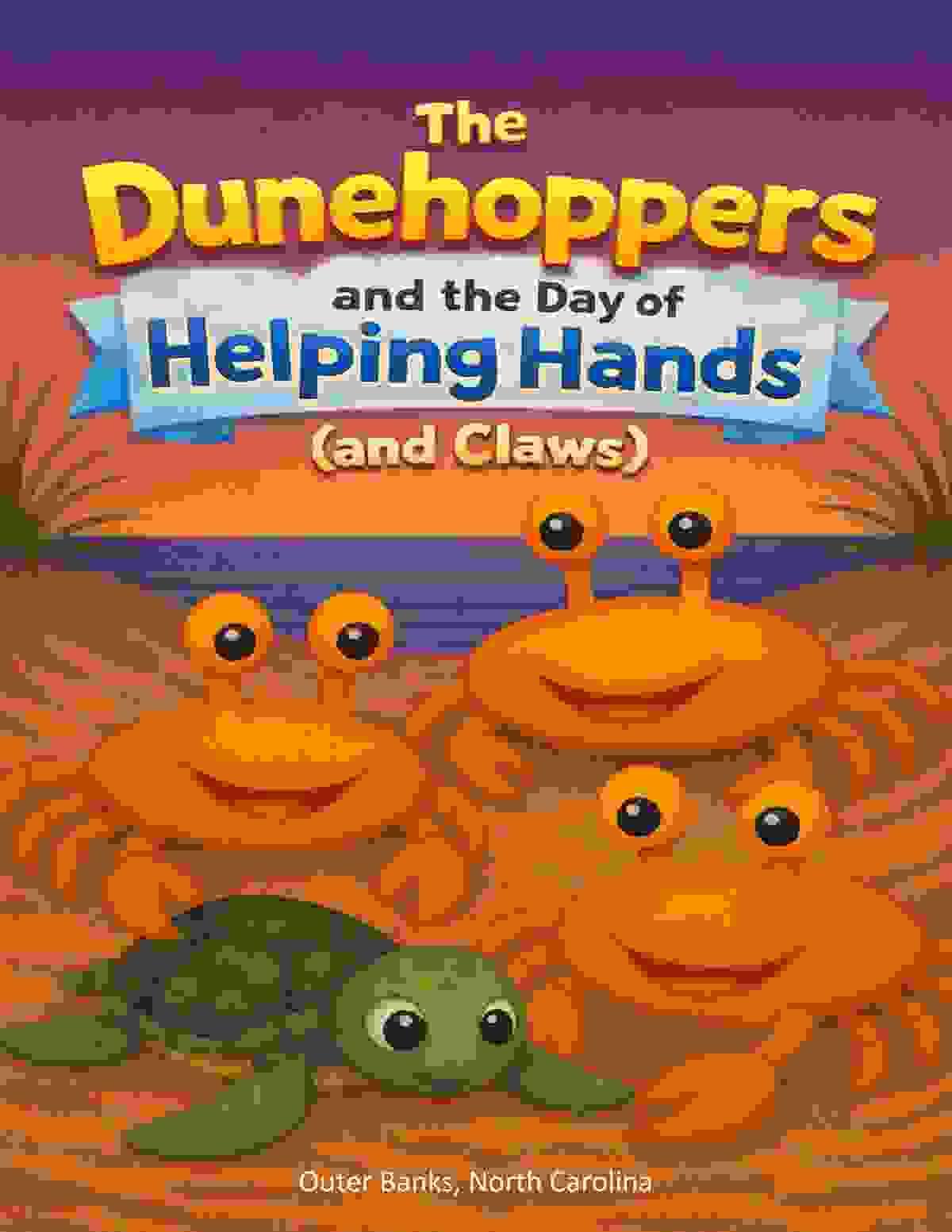
The Dunehopper family spends a bright Outer Banks day helping their beach neighbors, beginning with fixing young Gulliver’s tangled kite, guiding a stranded loggerhead hatchling safely to the ocean, and clearing a blocked path so a sandpiper can reach her nest, all while carefully protecting the dunes and surrounding habitat. With each act of kindness, the family discovers how good it feels to lend a claw where it’s needed. As the sun sets and they return to their burrow, they reflect on the simple truth that shapes their whole day: kindness—toward wildlife, the land, and each other—makes their home stronger and grows wherever it’s planted.
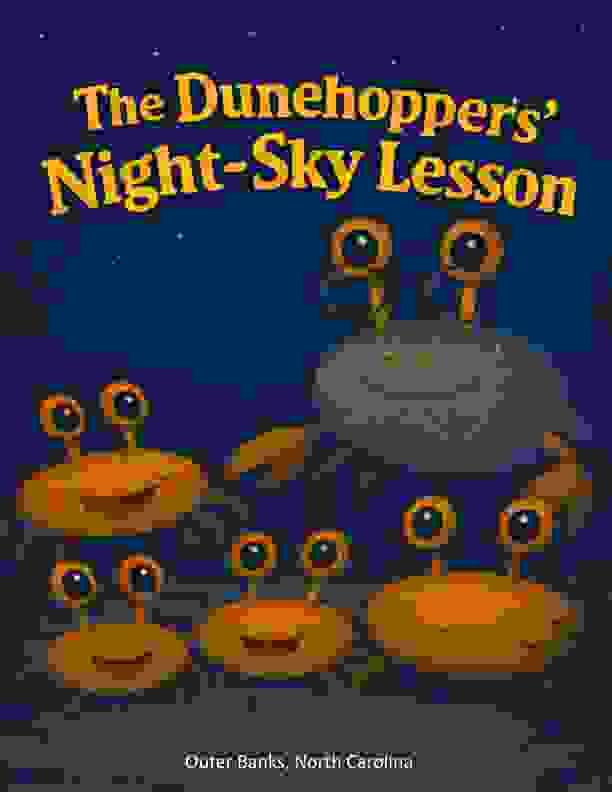
In this charming Outer Banks tale, Sandy and Scoot Dunehopper join their wise teacher, Professor Twinkleclaws, for a magical nighttime adventure where they learn about the Milky Way, the Big Dipper, and the Little Dipper, discovering how even the smallest stars—and the smallest crabs—can shine with importance; after tracing constellations, whispering wishes, and listening to the professor’s gentle wisdom, the young crabs return home filled with wonder, reminded that the night sky is full of stories made just for brave little hearts like theirs.

The Fishing Line Tangle: A Dunehopper Safety Story follows Sandy, Scoot, and their loving Dunehopper family as they discover how dangerous discarded monofilament fishing line can be for wildlife on the Outer Banks. When Scoot’s claw becomes tightly tangled, the whole family works together—steadying him, finding the knot, snipping the line, and safely collecting every piece—showing young readers how teamwork can protect animals. Through both story and the educational “Did You Know?” section, children learn that fishing line can injure crabs, birds, turtles, and even people, and that using beachside recycling stations helps keep the coastline safe, healthy, and clean for everyone.

The Dunehoppers Welcome New Neighbors! is a children’s story set on the Outer Banks of North Carolina in which the Dunehopper ghost crab family learns the importance of kindness, teamwork, and belonging when a shy new family—the Glowclaws—arrives after a storm washes away their home; through welcoming gestures, shared work, and caring words, both families discover that helping one another during times of change makes the dunes a warmer, safer place for everyone and shows that love grows when it is shared.

Papa’s Dunebuggy “Tune-Up” is a humorous children’s story set on the Outer Banks in which Papa Dunehopper tries to fix a mysterious rattle in the family’s beloved Dunebuggy by poking, tightening, twisting, and listening carefully, only to discover—with the help of Mama, Sandy, and Scoot—that the “problem” is Scoot’s snack shell hiding in the back basket; the mix-up ends in laughter, teamwork, and a joyful ride, reminding young readers that patience, curiosity, and family cooperation can turn small worries into happy moments, while also introducing real facts about speedy ghost crabs and their beachside lives.
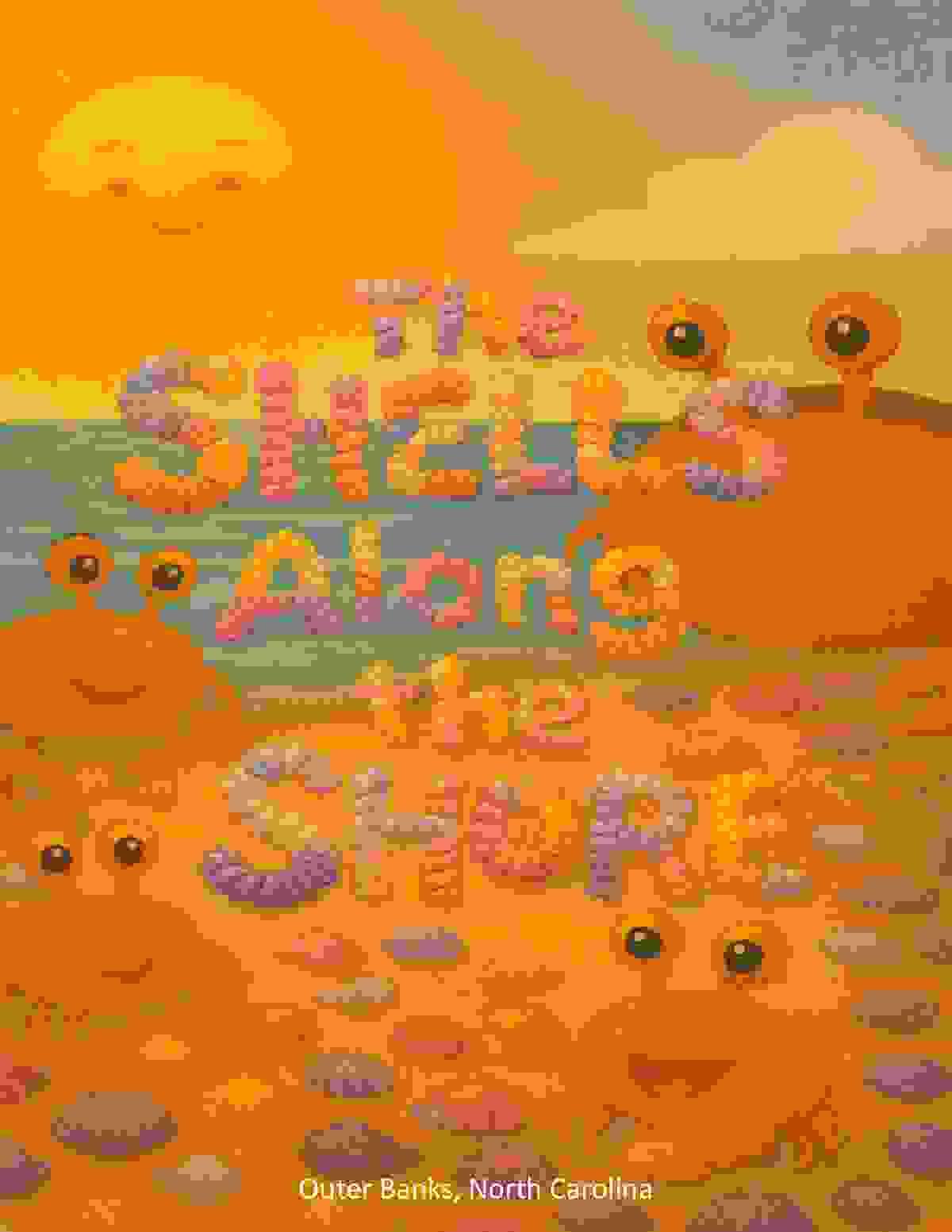
The Shells Along the Shore is a children’s story set on the Outer Banks of North Carolina in which Papa and Mama Dunehopper lead their children on a morning beach walk to collect seashells, using the many colors, shapes, and textures they find as a way to teach an important lesson about acceptance. As the family compares smooth and bumpy shells, bright and muted ones, and those shaped by different journeys, they discover that no two are the same—yet every shell belongs on the shore. Through simple dialogue and calm ocean imagery, the story helps children understand that people, like shells, are shaped by their experiences and differences, and that the world becomes kinder, stronger, and more beautiful when everyone is welcomed and valued just as they are.

The Dunehopper Family Food Pantry is a heartwarming children’s story set on the Outer Banks of North Carolina that follows a ghost crab family who notice their neighbors struggling after a hard winter and decide to help by creating a simple food pantry in the dunes, offering shared food, water, and comfort items to any crab in need. As word spreads, families come together to give and receive support, and kindness is returned when those once helped come back to share what they can, showing that generosity grows when it is shared. Through gentle storytelling and warm illustrations, the book teaches young readers about compassion, community, and caring for others while also introducing real facts about ghost crabs and the importance of protecting coastal dune habitats.

Mystery of the Missing Flip-Flop is a children’s story set on the Outer Banks, where the Dunehopper ghost crab family discovers a giant human flip-flop stranded in their dune. As curiosity, humor, and a bit of mischief unfold—especially when Scoot declares himself a “Sand Knight”—the crabs learn that human objects don’t belong in fragile beach ecosystems. With help from a cheeky gull and a relieved human owner, the family works together to return the flip-flop to the shore, reinforcing themes of teamwork, kindness, and environmental stewardship while gently teaching young readers why keeping beaches clean protects wildlife and the dunes they call home.

The Dunehoppers’ Boo-tiful Beach Halloween follows a ghost crab family on the Outer Banks as they dress up in imaginative costumes and set out on a moonlit Halloween adventure, visiting neighboring burrows, sharing treats, and laughing through playful surprises—including a run-in with a very real seagull—before returning home together. Blending gentle humor, warmth, and coastal magic, the story celebrates family, community, and creativity while teaching young readers to respect dunes and nighttime wildlife, ending with a cozy reminder that the best part of Halloween isn’t the candy, but being together and caring for the beach they call home.

Dunehoppers and the Smoke That Didn’t Belong is a children’s story set on the Outer Banks, where the Dunehopper ghost crab family learns firsthand how dangerous smoking materials can be to wildlife and fragile dune habitats. When smoke from a discarded cigarette fills their burrow and later a hot cigarette butt injures Sandy, the family works together to stay safe and understand the risks humans may not realize they cause. Through empathy, teamwork, and courage, the Dunehoppers turn a frightening experience into a lesson, choosing to educate others by placing signs and spreading awareness. The story emphasizes compassion, environmental stewardship, and the shared responsibility of keeping beaches smoke-free so that both wildlife and people can safely enjoy these special places.
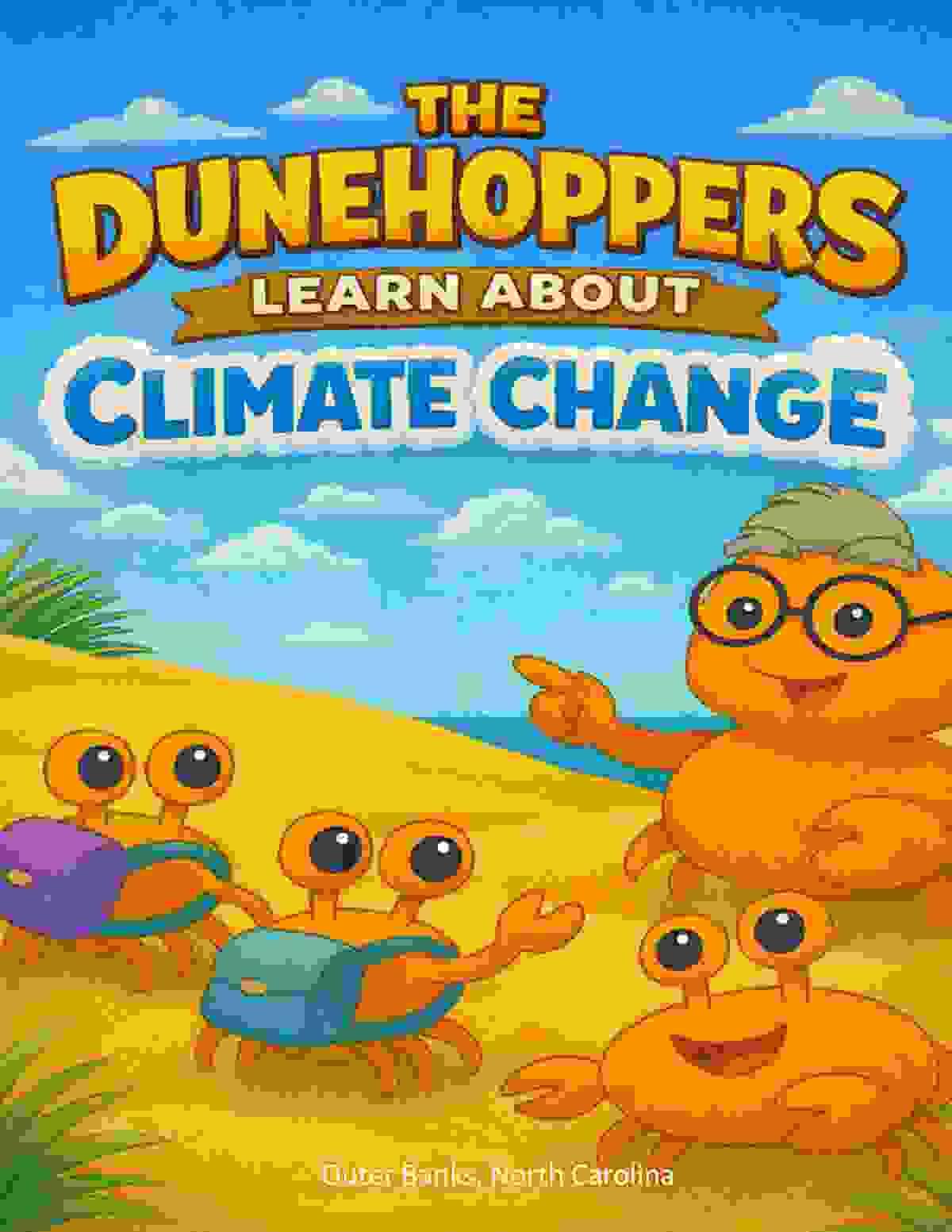
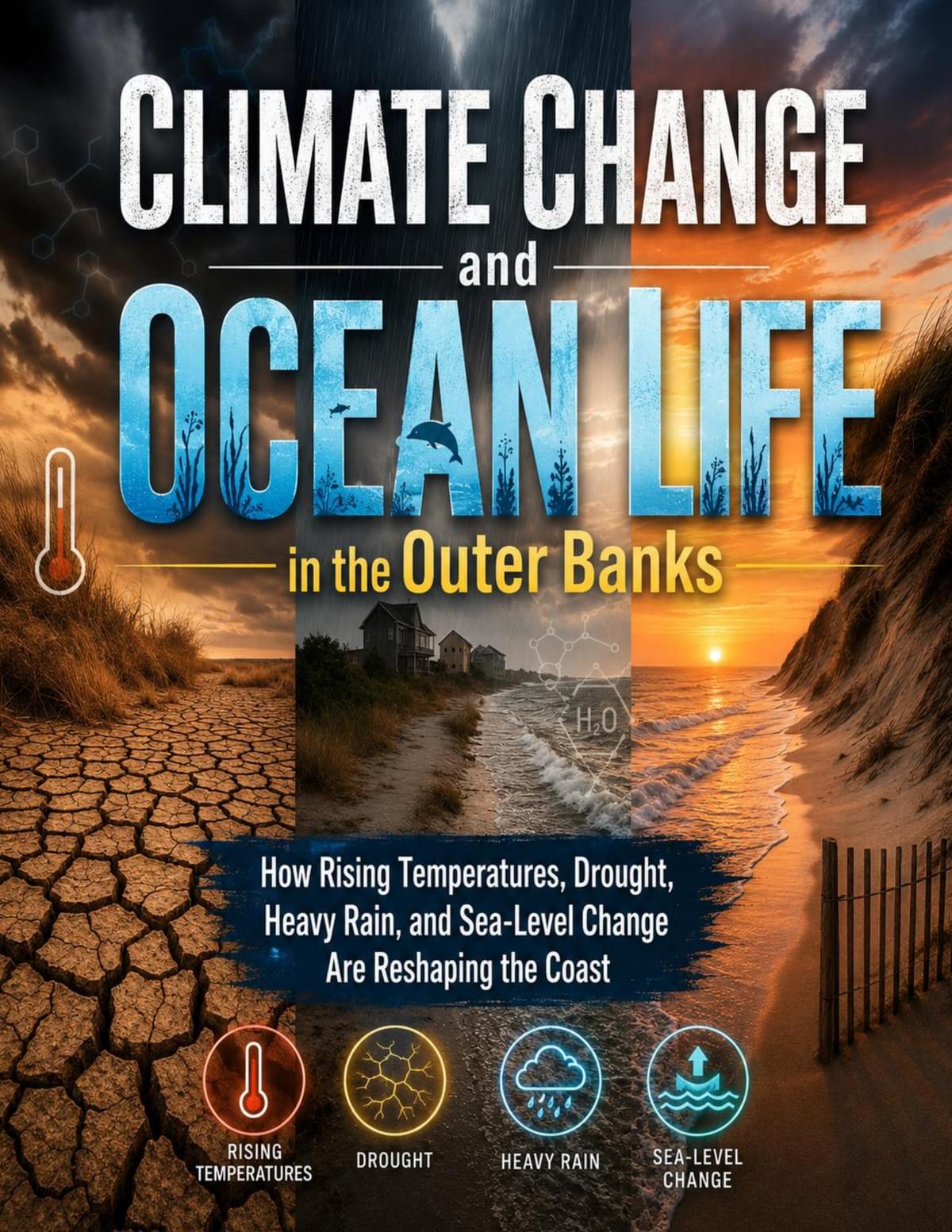
The Dunehoppers Learn About Climate Change is a children's story set on the Outer Banks of North Carolina that helps young readers understand what climate change is, why it’s happening, and how it affects coastal dunes and the animals who live there. Through the curious questions of the Dunehopper children and the calm, caring explanations of Professor Driftclaw and Papa Dunehopper, the story explains global warming, rising seas, stronger storms, and habitat loss in simple, reassuring language. Most importantly, it emphasizes hope and empowerment, showing that even small actions—like protecting dunes, using less plastic, conserving energy, and sharing knowledge—can make a big difference, reminding children that taking care of the planet is also a way of taking care of each other.

Sandy Saves a Hermit Crab Named Milo is an illustrated children’s story set on the Outer Banks of North Carolina that follows Sandy, a caring young crab who discovers a hermit crab named Milo trapped in a plastic bottle cap because he cannot find a proper shell. With the help of her family, the Dunehoppers teach Milo—and young readers—why shells are essential homes for animals, how litter can harm wildlife, and why taking shells from the beach can have unintended consequences. Through teamwork, kindness, and simple conservation actions, the story shows how small choices can protect habitats and help all living creatures, reinforcing the message that caring for the beach means caring for everyone who calls it home.

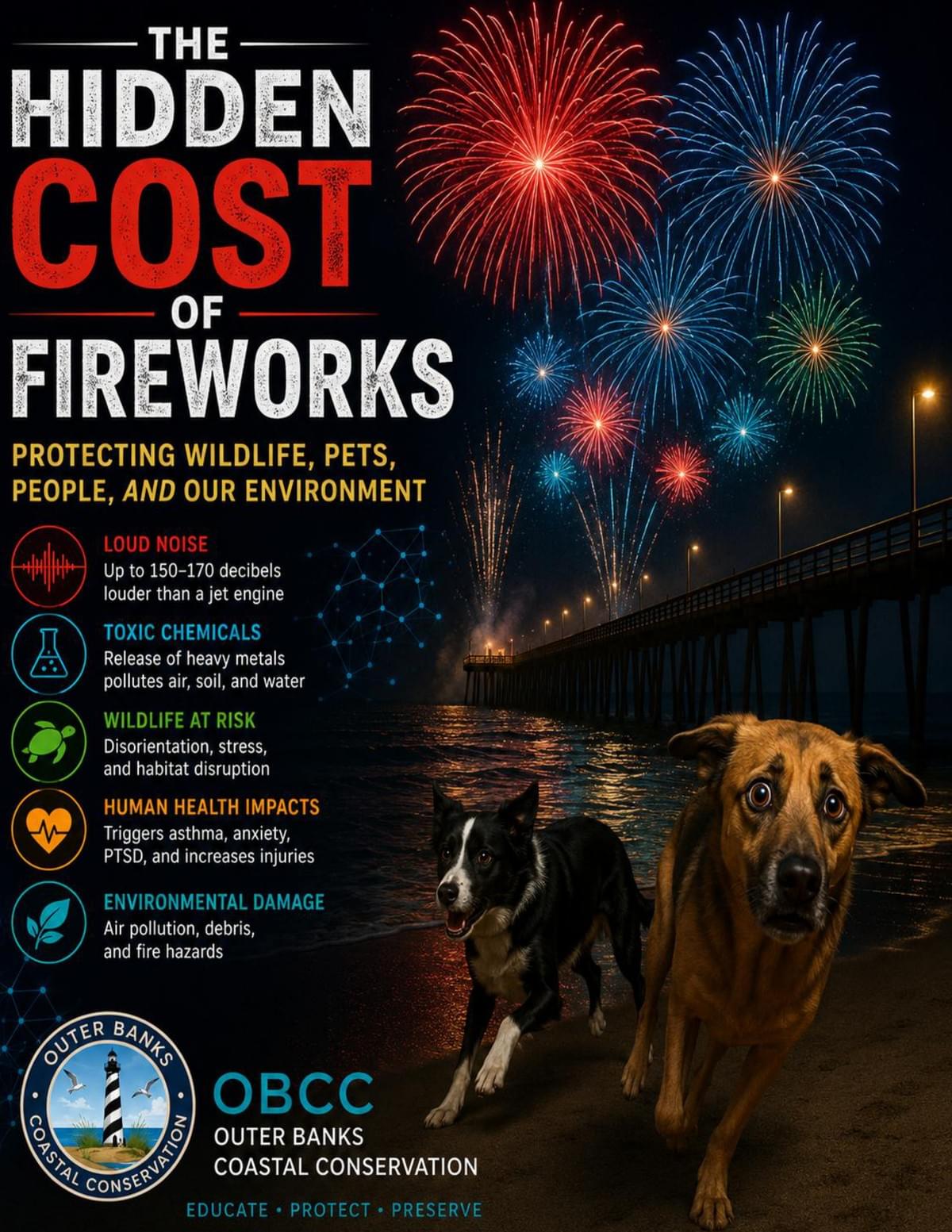
The Night the Dune Went “Boom”: A Dunehopper Story follows the Dunehopper family as a peaceful beach day turns frightening when loud fireworks erupt at night, startling wildlife, shaking the dunes, and leaving behind sparks, trash, and danger; guided by Papa and Mama Dunehopper, the children learn how noise, fire, and debris can harm birds, turtles, and other animals, and the family responds with care by cleaning up and creating a gentle sign asking humans to celebrate kindly, which leads to a quieter, more thoughtful evening where people choose lanterns, music, and stargazing instead of explosions, allowing the beach to return to calm and reminding readers that celebrations are happiest when they respect nature and keep all homes—seen and unseen—safe.

The Dunehoppers and the Magic of Kind Words is an illustrated children’s story set along the beaches of the Outer Banks, North Carolina, where Papa and Mama Dunehopper guide their children through a day of simple experiences that teach respect, kindness, and gratitude. As the Dunehopper family practices saying “please,” “thank you,” “sorry,” and “excuse me,” they show how kind words and thoughtful actions help others feel safe, heal small mistakes, and protect both people and wildlife—from letting tiny creatures pass to rescuing a tangled gull and leaving shells where they belong. Through calm, relatable moments and a closing “Did You Know?” section, the story connects everyday manners to environmental stewardship, reminding young readers that kindness, like ocean waves, spreads outward and helps care for the beach we all share.

Scoot and the Ghost Gear Mystery follows Scoot Dunehopper and his family as they discover a tangled fishing net drifting near the shore of the Outer Banks. With help from a watchful pelican and playful dolphins, the Dunehoppers learn that “ghost gear” is lost fishing equipment that can continue harming ocean life if not handled safely. Rather than touching the dangerous net themselves, they alert trained human rescuers, who carefully free trapped fish and remove the gear from the water. Along the way, Scoot learns how fishermen and beachgoers can prevent ghost gear by securing, repairing, labeling, and recycling fishing equipment. The story ends with the ocean calm once more, showing young readers that when animals and people work together responsibly, the beach becomes safer and healthier for everyone.

The Dunehoppers Escape from the Plastic Dome follows a ghost crab family on Avon Beach in the Outer Banks who wake up to find their burrow trapped under a windblown plastic bag from an unsecured trash can; working together, Papa Dunehopper frees the family, and the experience inspires them to take action by cleaning the beach, making signs, and teaching others how securing trash protects dunes, wildlife, and the coast. Through gentle storytelling, the book explains how strong Outer Banks winds can spread litter, shares a true-to-life lesson about a sea turtle harmed by plastic, and ends with kid-friendly facts that encourage young readers to care for the beach and understand how small actions can make a big difference.
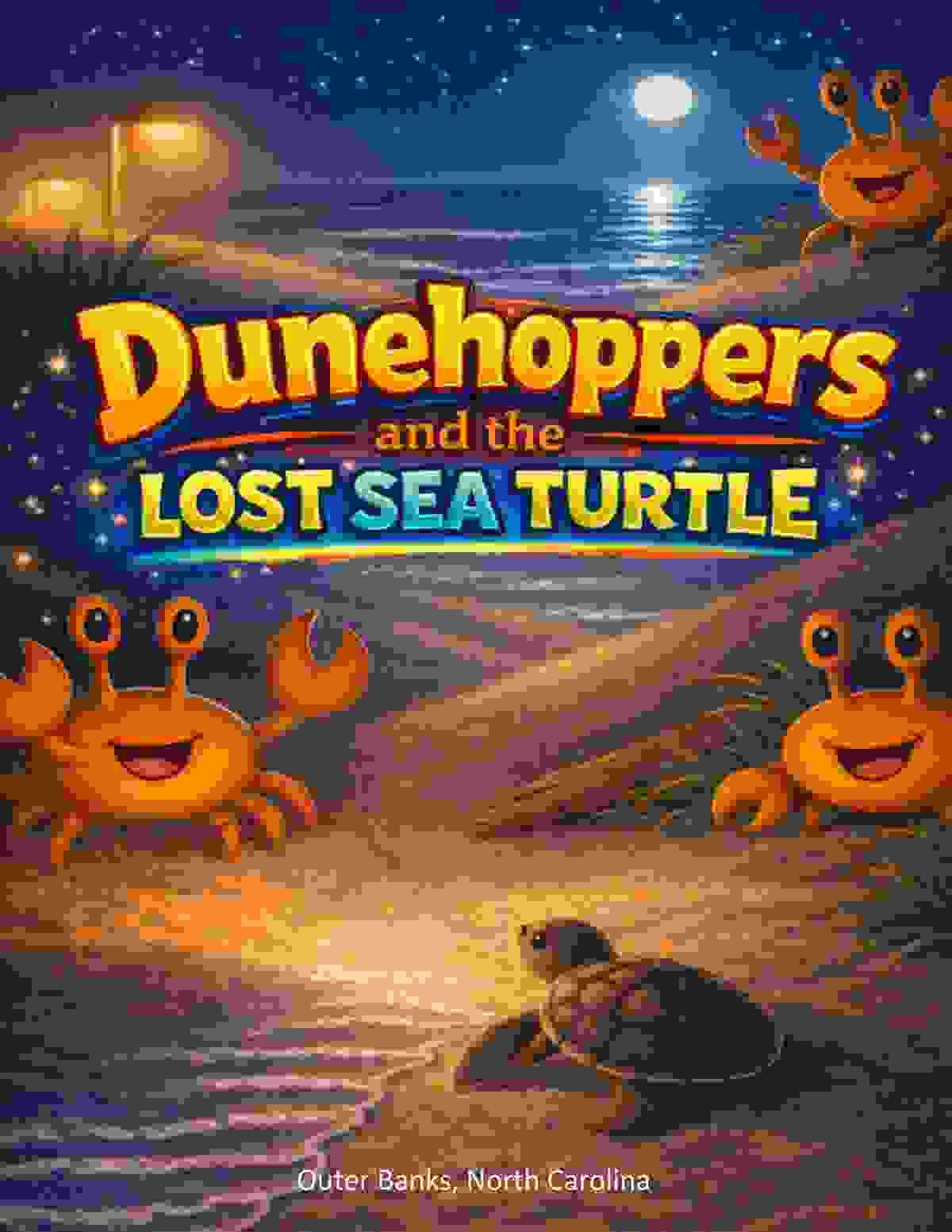
Dunehoppers and the Lost Sea Turtle tells the child-friendly story of the Dunehopper crab family who discover a confused baby sea turtle on an Outer Banks beach at sunrise and learn that bright lights can lead hatchlings away from the ocean; by working together—without ever touching the turtle—they block artificial lights, guide her using the moon’s glow, and help her safely reach the sea, teaching young readers important lessons about light pollution, respecting wildlife, and how even small, caring actions can protect coastal ecosystems.
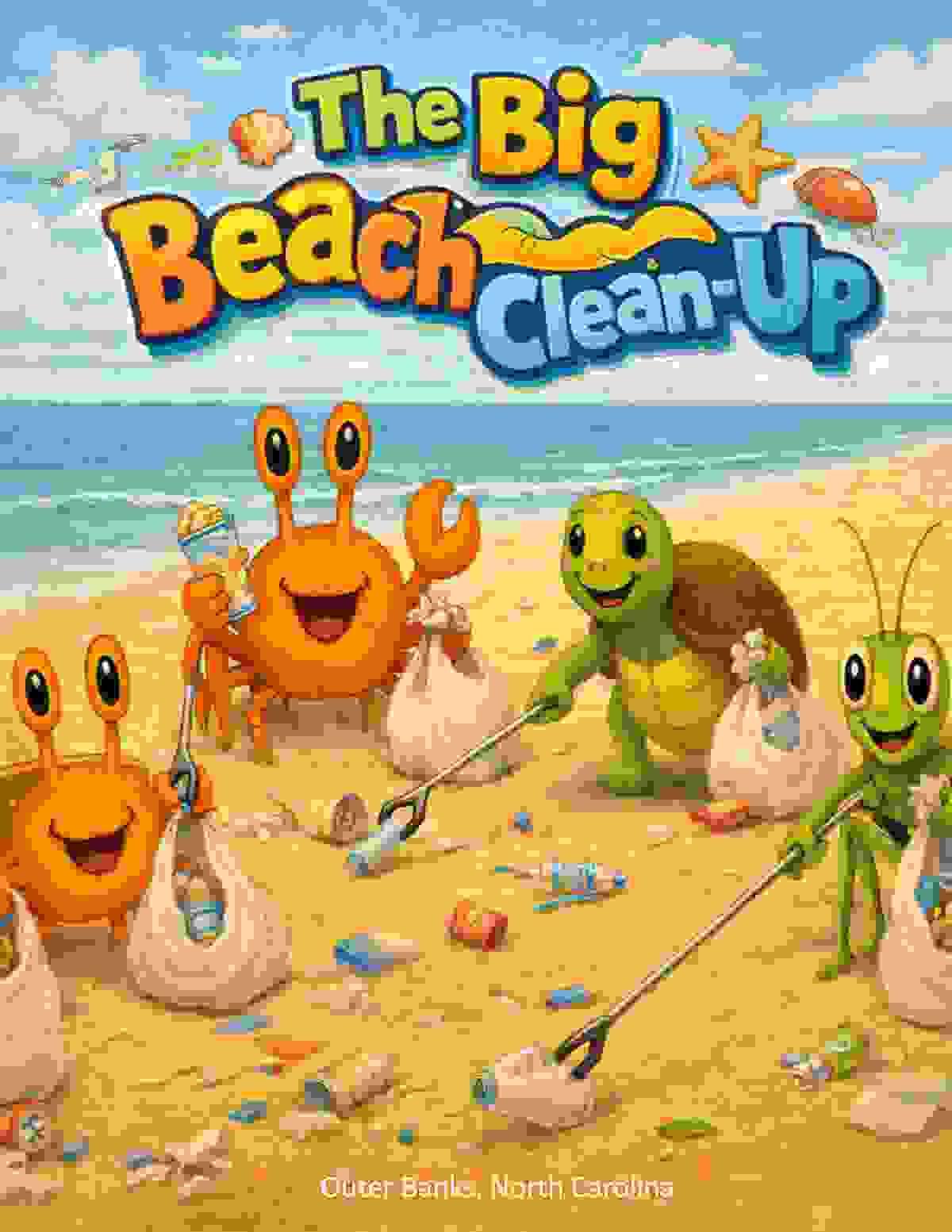
The Big Beach Clean-Up follows the Dunehoppers and their friends as they discover how litter left on Avon Beach can harm their home and the animals who live there. After seeing trash scattered by careless visitors and learning important facts about pollution at Sea Oats School, the group decides to take action by organizing a beach clean-up. Working together, they collect litter, protect the dunes, and help keep the ocean safe. By the end of the day, the beach sparkles again, and the Dunehoppers learn that even small claws—and helping hands—can make a big difference when caring for the place they call home.

The Dunehoppers’ Great Escape from the Sand Hole is a children’s conservation story set on the Outer Banks of North Carolina that follows a family beach day that unintentionally creates danger for wildlife when a deep sand hole is left unfilled. That night, Papa and Mama Dunehopper, two ghost crabs, fall into the hole as the tide rises, prompting their children—Sandy, Scoot, and Shellby—to bravely search for them with the help of their beach friends, including a sea turtle, grasshopper, and mole crab. Through teamwork and quick thinking, the crabs are rescued, and the animals create signs to warn humans about the hidden dangers of sand holes. When the Jones family returns the next morning, they realize their mistake and commit to filling in holes, reinforcing the story’s central message that small, thoughtful actions can protect wildlife and keep beaches safe for everyone.

Scoot Dunehopper’s Golden Lesson: A Beachtime Tale of Doing the Right Thing is a children’s story set on the Outer Banks where a young ghost crab named Scoot follows the tempting smell of French fries from a family’s beach picnic and makes the wrong choice by taking them, then lies about it when questioned. With patient guidance from his parents, Scoot learns that stealing and dishonesty leave a heavy feeling inside, while telling the truth takes courage and helps trust grow. The next day, Scoot bravely apologizes to the child he wronged, who responds with kindness, reinforcing that doing the right thing feels better than any stolen treat. Through this beachside tale, the story weaves together themes of honesty, responsibility, empathy, and wildlife awareness, reminding readers that respectful choices help people and animals share the beach safely and happily.
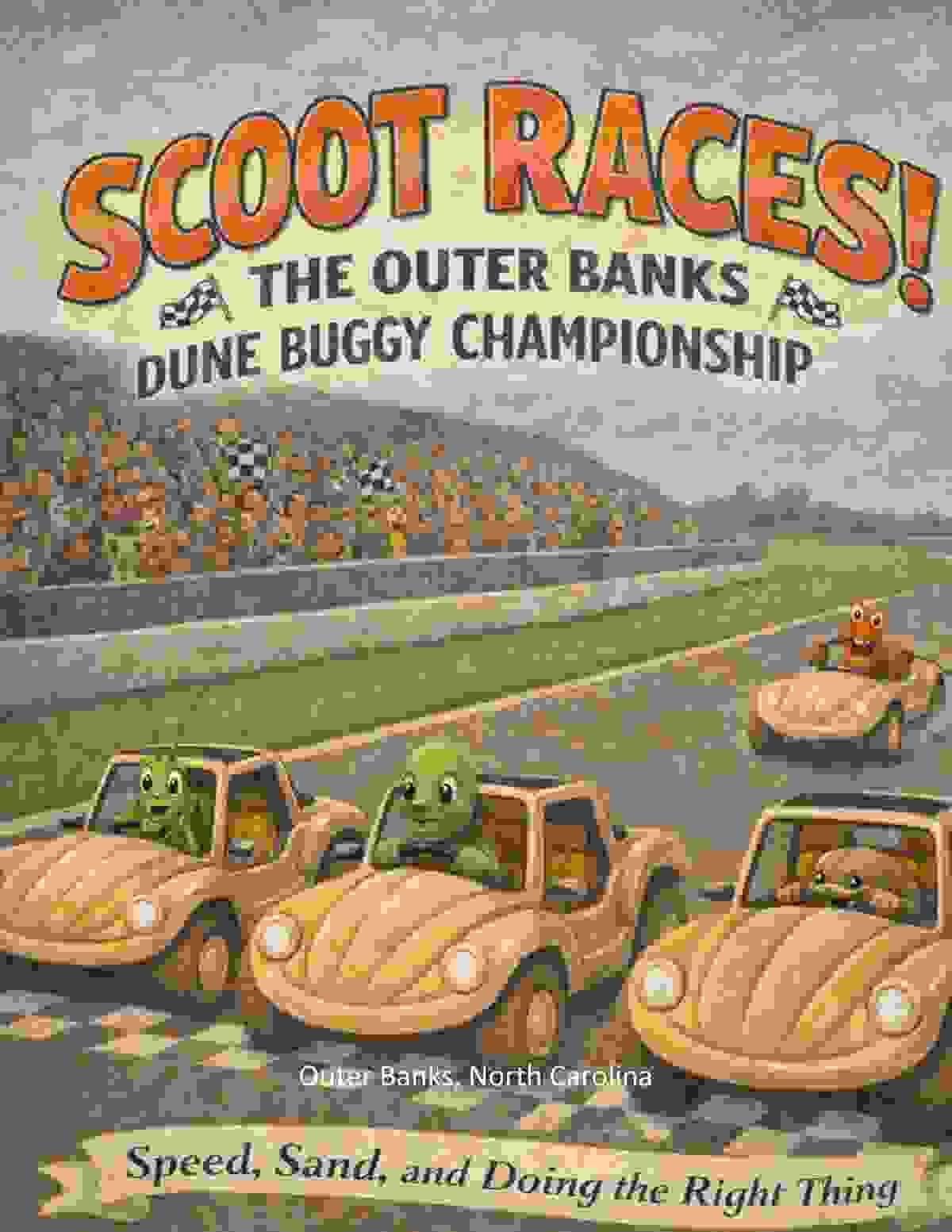
Scoot Races! The Outer Banks Dune Buggy Championship is a children’s story set on the Outer Banks of North Carolina that follows Scoot, a young crab competing in an exciting dune buggy race where the prize is a brand-new sand dune to call home. Eager to win, Scoot makes a poor choice by cheating, only to discover that winning without honesty leaves him feeling uneasy and disappointed. With gentle guidance from his parents, Scoot learns that fairness, trust, and doing the right thing matter far more than trophies or prizes. Through Scoot’s experience, the story teaches children an important life lesson: true success comes from trying your best, following the rules, and caring about others—values that help both hearts and habitats grow strong.
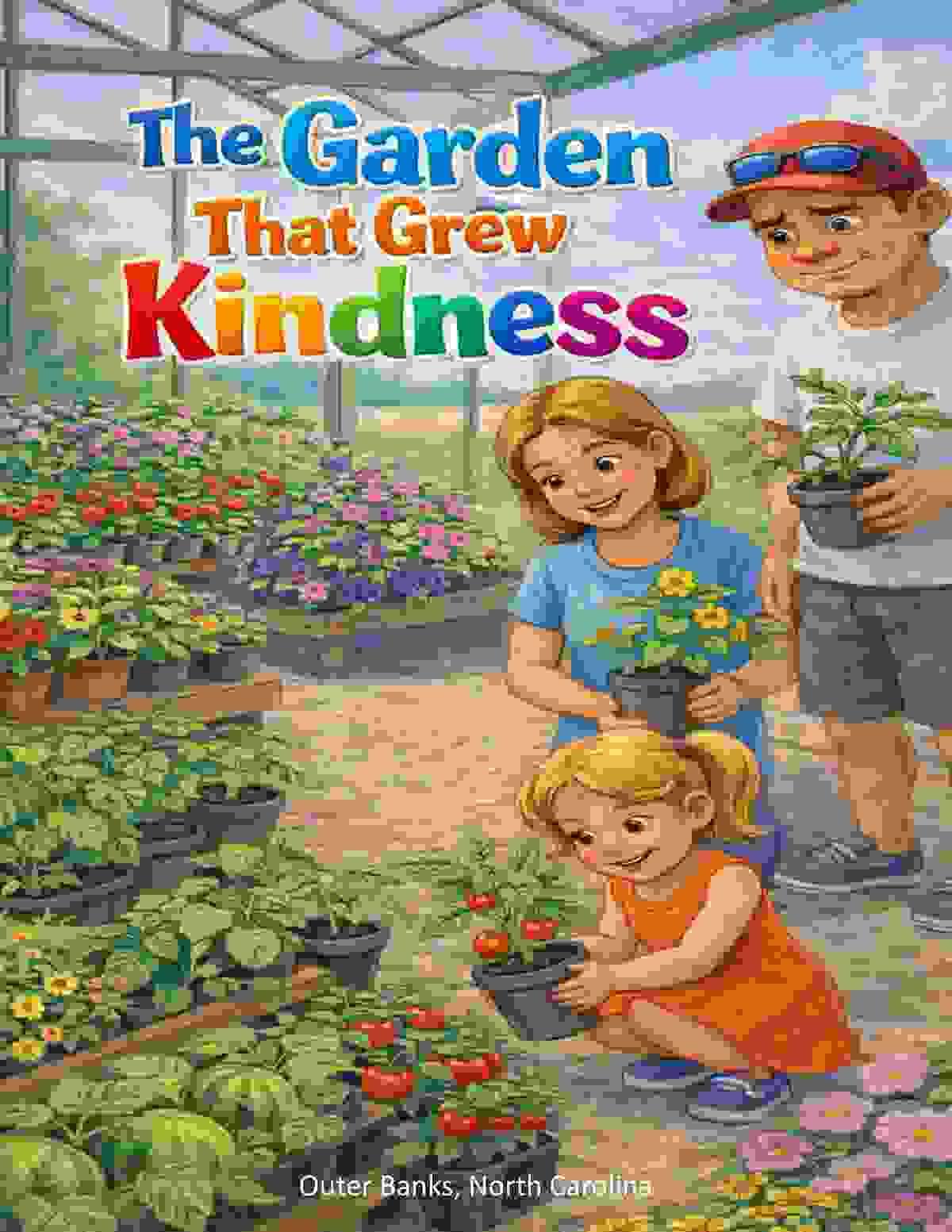
The Garden That Grew Kindness is an Outer Banks–based children’s story about a young girl named Sara who learns that caring for nature and caring for others go hand in hand. When a chemical spray used in her family’s garden harms George the grasshopper, Sara and her crab friends—the Dunehoppers—come together to help him and learn how everyday choices can affect plants, animals, and people. Through community support, compassion, and an important lesson at school about safer, nature-friendly gardening, the story shows how kindness, responsibility, and teamwork can help both gardens and communities grow strong.

The Outer Banks Science Fair 2025 is a children's story set on the beaches and dunes of North Carolina’s Outer Banks, where young animal friends—Sandy the ghost crab, George the grasshopper, and Sam the sea turtle—work together to create inventions that protect the environment. As they prepare for a science fair focused on coastal conservation, the friends design solutions powered by clean energy, including a wind-powered dune saucer, a solar-powered Sky Vacuum, and an electric cleanup boat that removes trash from the ocean. Through teamwork, creativity, and curiosity, the story teaches children how renewable energy, pollution reduction, and caring for nature can help protect beaches, wildlife, and the planet for future generations, while showing that even small ideas—and young changemakers—can make a big difference.
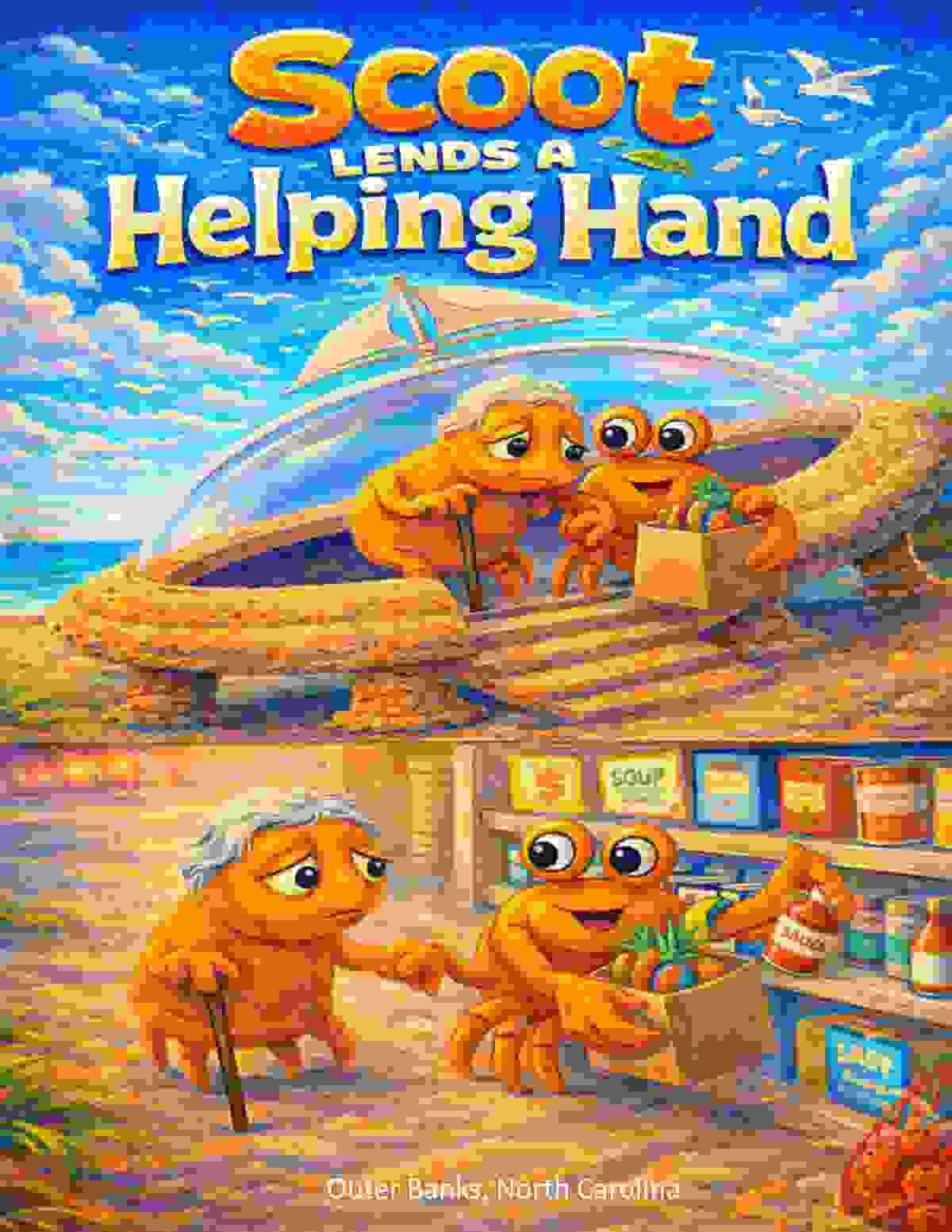
Scoot Lends a Helping Hand is a story about a young ghost crab named Scoot who learns the true meaning of kindness and community. After a powerful storm damages the burrow of his elderly neighbors, Mr. and Mrs. Spooner, Scoot and his family rush to help dig them out and make sure they are safe. Scoot continues to help the Spooners by offering rides in his wind-powered dune saucer, assisting with grocery shopping, cooking meals, and doing chores—never asking for payment, because helping others is reward enough. Through his actions, Scoot discovers that volunteering not only helps those in need, but also makes his own heart grow stronger, showing readers that even small acts of kindness can make a big difference.

Surfboards, Stick Ball, and Second Chances follows the Dunehopper ghost crab family on the Outer Banks as Sandy, Scoot, and Shellby eagerly rush into a fun-filled Saturday but forget an important rule: chores come before play. Sneaking off to surf and play ball, they soon face Mama’s gentle disappointment and a calm, loving lesson about listening, respect, and responsibility. Through warm family moments and coastal imagery, the story shows how teamwork and obedience keep both a burrow and the beach safe and healthy—teaching young readers that when we listen, help, and do our part, there’s more time for joy, trust, and adventure together.

Scoot the Prankster: Googly Eyes, Silly Tricks, and One Big Lesson tells the story of Scoot, a playful young crab on the Outer Banks who loves making others laugh—especially on April Fools’ Day. Excited by pranks, Scoot places a fake snake on the school path and covers the classroom with googly eyes, but his jokes cause confusion and disrupt learning. Guided by gentle teachers and loving family, Scoot realizes that while humor can be fun, kindness and consideration matter most. By the end of the day, he learns that the best jokes are the ones that make everyone smile—and that growing up means knowing when to choose compassion over tricks.
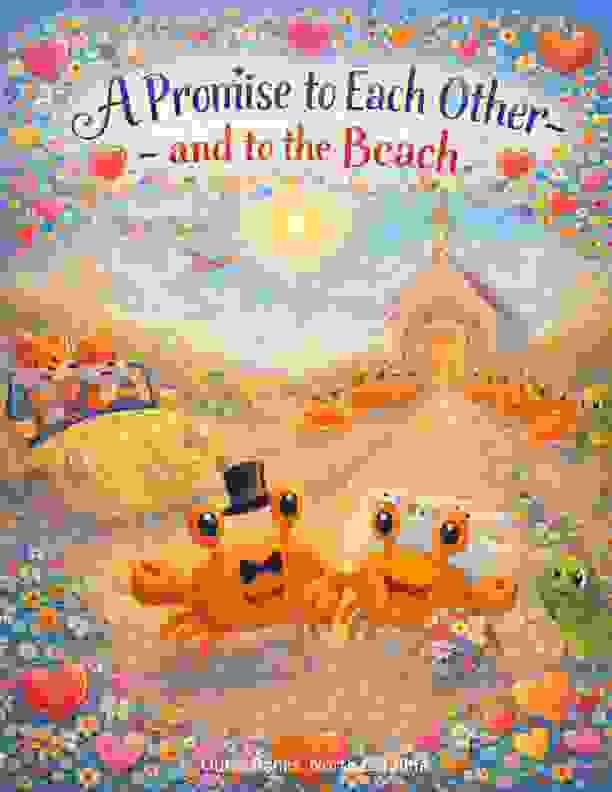
A Promise to Each Other—and to the Beach is an illustrated children’s story set on the Outer Banks of North Carolina, where the Dunehopper family attends a joyful crab wedding that becomes an unexpected lesson in environmental stewardship. When the celebration reveals the hidden dangers of balloons and plastic straws to sea turtles, crabs, and other coastal wildlife, the characters come together to make kinder choices and clean up the beach. Through warmth, community, and simple actions, the story shows young readers that protecting the coast doesn’t require big gestures—just care, awareness, and the willingness to help—proving that even small choices can make a big difference for the places and creatures we love.
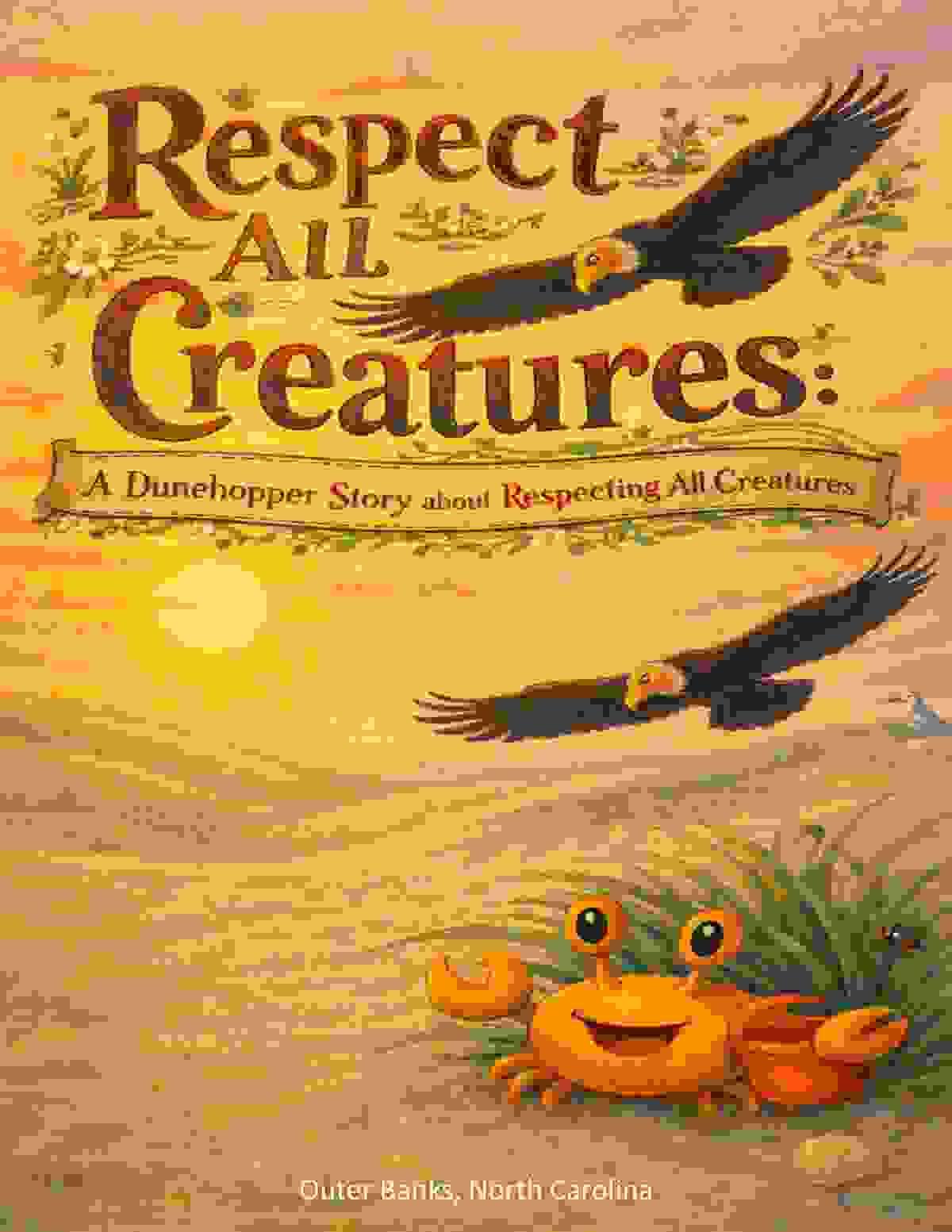
Respect All Creatures: A Dunehopper Story about Respecting All Creatures is an illustrated children’s story set in the dunes of the Outer Banks, North Carolina, that follows Sandy Dunehopper, a thoughtful ghost crab, as she moves through her day showing kindness and respect to every living thing she encounters. From protecting sea turtle nests and giving space to jellyfish, snakes, spiders, and birds, Sandy learns that all creatures—big and small, familiar or frightening—play an important role in keeping nature healthy and balanced. Through simple moments and calm choices, the story teaches young readers that respecting wildlife, staying aware of their surroundings, and choosing kindness can help protect fragile coastal ecosystems and make the dunes a safer home for everyone.
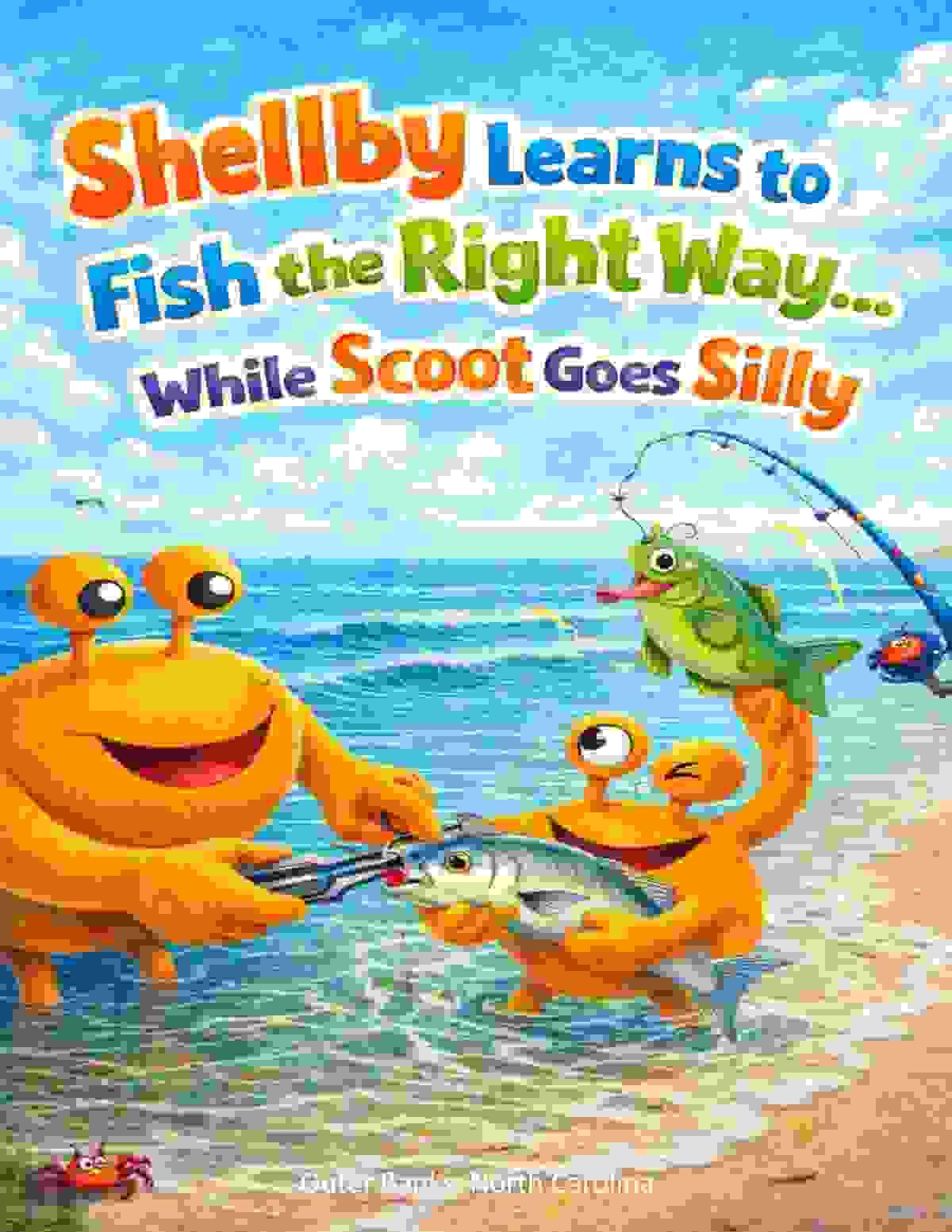
Shellby Learns to Fish the Right Way… While Scoot Goes Silly is a cheerful, educational children’s story set on the Outer Banks of North Carolina that teaches young readers how to fish safely, kindly, and responsibly. Through Shellby’s gentle lessons with Papa—using fish-friendly hooks, careful casting, wet hands, and proper catch-and-release—the story shows how small actions can protect ocean life, while Scoot’s silly rubber-fish prank adds humor and fun. Blending colorful characters, coastal scenery, and real-world conservation practices, the book encourages respect for wildlife, responsible recreation, and a lifelong love for the beach and its creatures.

Sandy Serves Up Smiles at the Ice Cream Shack is a cheerful children’s story set on the Outer Banks of North Carolina that follows Sandy, a hardworking and kind ghost crab, during a busy day at her favorite job. From making homemade waffle cones and handling windy, flour-filled mishaps to serving colorful ice cream creations to a line of friendly customers, Sandy discovers that surprises are part of the fun. Along the way, she learns that patience, laughter, and a positive attitude can turn even melty messes into moments of joy. By the end of the day, Sandy heads home tired but happy, knowing that spreading smiles—through ice cream, kindness, and care for the beach—is important work that makes a big difference.
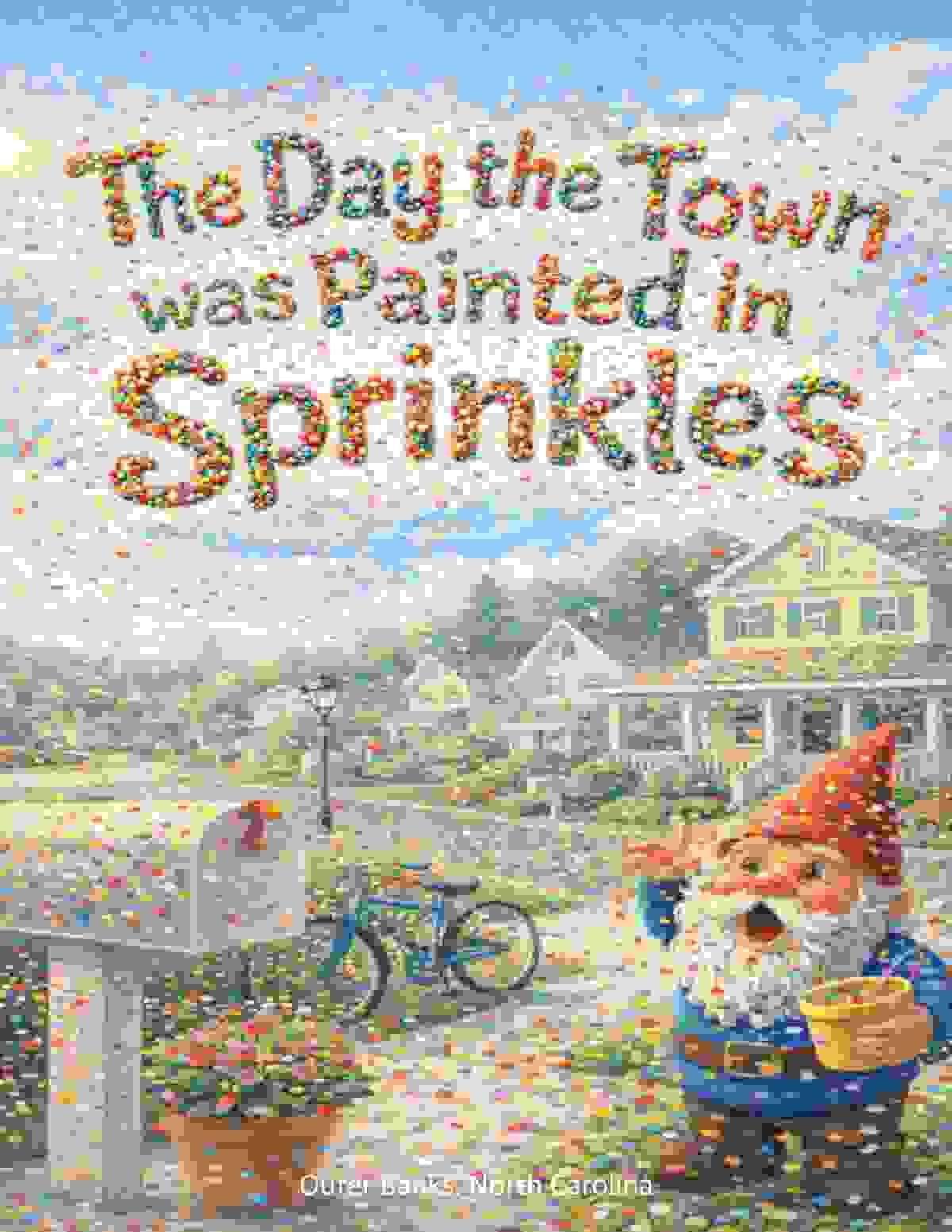
The Day the Town Was Painted in Sprinkles is a whimsical children’s story set in the Outer Banks, where Sandy Dunehopper the ghost crab is working at the Ice Cream Shack on a breezy summer day. When a sudden coastal gust sends rainbow sprinkles swirling through the air, they drift across the neighborhood, decorating houses, mailboxes, and gardens in colorful dots and delighting everyone they touch. As neighbors laugh, sweep up sprinkles, and share ice cream together, the town learns that surprises can bring joy and community—and that nature’s playful winds are powerful reminders of how land, sea, and sky come together in unexpected, happy ways.

From Paw Prints to Crab Smiles is a children’s story set in the Outer Banks that follows the Dunehopper crab family as they adopt an older dog named Pedro and learn what it truly means to be responsible pet owners. Through gentle storytelling, the book shows how everyday choices—like picking up after dogs—help protect beach wildlife, keep people healthy, and care for the ocean they all share. Blending kindness, community, and environmental stewardship, the story teaches young readers that loving animals also means respecting nature, and that a clean beach leads to happy crabs, healthy oceans, and smiles all around.

This children’s science storybook follows the Dunehopper ghost crab family as they learn where Outer Banks sand comes from, how dunes are formed, and why dunes are essential to protecting barrier islands. Through a visit from Professor Sandstone at Sea Oats School, young readers discover that beach sand began as ancient rock from the Appalachian Mountains, carried by rivers to the sea and shaped by wind and waves over millions of years. The story explains how plants like sea oats trap sand to build dunes, how barrier islands naturally move and change, and how dunes protect wildlife, freshwater, homes, and people from storms and flooding. The book introduces climate change and emphasizes that protecting dune plants and respecting natural coastal processes helps keep the Outer Banks healthy for all who live there.

Sea Oats School Science Lesson: The Beach: A Living Ecosystem follows Sandy, Scoot, and Shellby Dunehopper as they attend a special science lesson at Sea Oats School, where ecologist Dr. Sandbright reveals the hidden world beneath the sand. Through engaging examples, students learn that beaches—especially barrier islands like the Outer Banks—are busy, living ecosystems filled with microscopic helpers, worms, crabs, clams, beach bugs, and plant roots that clean, aerate, and stabilize the sand. The story explains how each organism plays an important role in keeping the beach healthy and protecting it from storms, while also teaching why human actions matter. The lesson concludes with a simple but powerful message: when we protect the sand, we protect wildlife, people, and the future of the beach itself.

The Night the Sea Serpent Growled is a spooky bedtime story set on the Outer Banks, where Papa Dunehopper, a ghost crab who loves telling ghost stories, spins a chilling tale to his children during dinner—especially for picky eater Scoot, who refuses his seaweed lasagna with clams. That night, Scoot’s imagination runs wild as mysterious growls and shadows outside the burrow make him fear the sea serpent has come ashore, only to discover that the scariness of the dark often comes from ordinary ocean sounds. By morning, Scoot realizes Papa’s lesson: sometimes the things that seem frightening are just the beach being itself, and a little bravery—and finishing your dinner—can make the night much less scary.

Scoot’s Poppity-Pop Summer Surprise follows a young ghost crab on the Outer Banks who dreams of surfing, earning money, and running his own summer business. After his first idea—selling seaweed funnel cakes—fails, Scoot doesn’t give up. With encouragement from Papa, he tries again with a popcorn stand, which becomes a huge success… until the popcorn machine pops a little too well and covers the whole town in popcorn. Through humor and seaside adventure, Scoot learns that creativity, persistence, and learning from mistakes can turn small ideas into big surprises, while also reminding readers about caring for clean, healthy beaches.
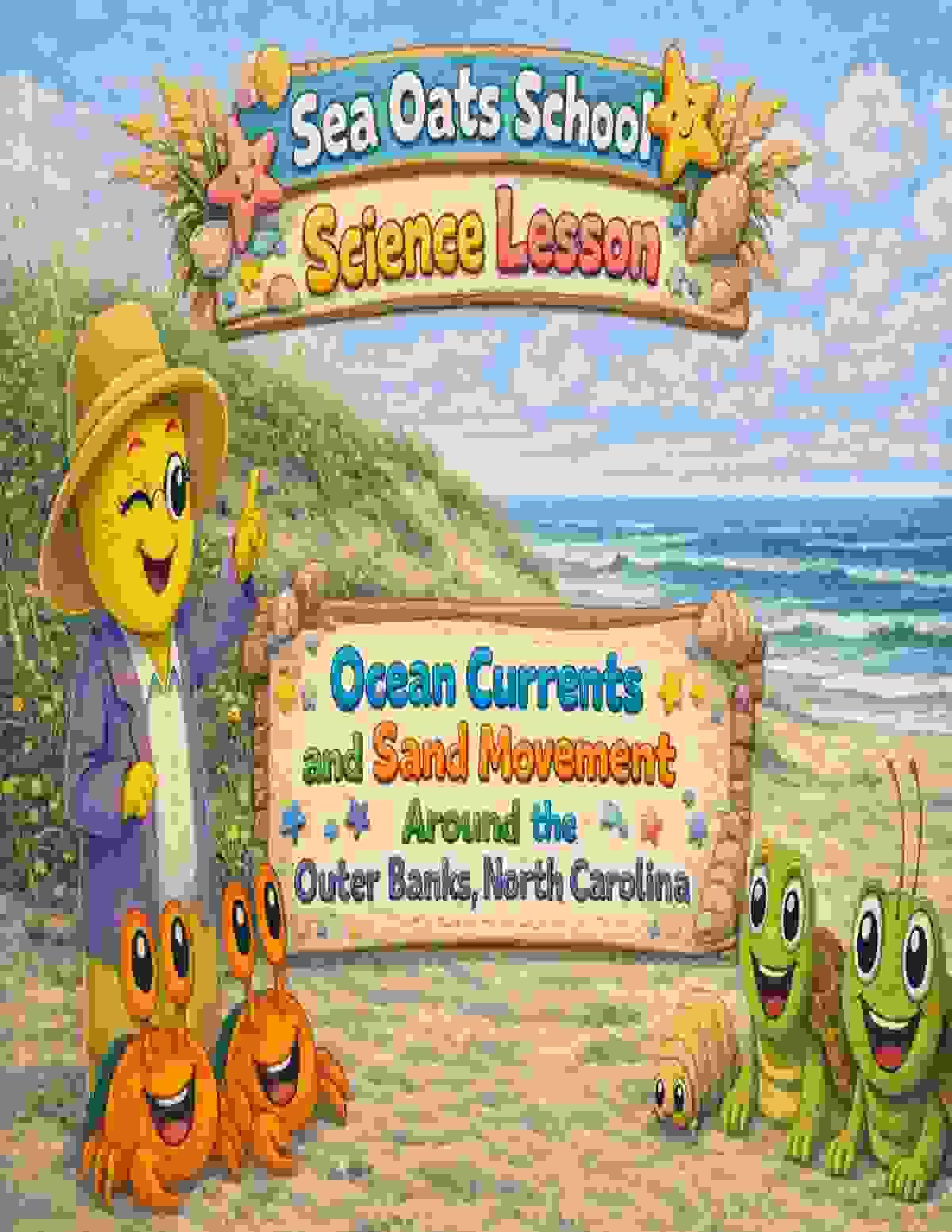
This children’s storybook introduces young readers to the dynamic, ever-changing nature of the Outer Banks through a friendly classroom lesson at Sea Oats School, where Professor Sandstone explains how ocean currents, waves, wind, storms, and sand movement work together to shape barrier islands. Using cheerful animal characters and simple, engaging explanations, the book shows how the Gulf Stream and Labrador Current influence the coast, how dunes and sea oats protect the islands, and why natural sand movement is essential for wildlife and island survival. The story emphasizes that the Outer Banks are not broken when they change—they are alive—and teaches children that working with nature by protecting dunes and letting islands move naturally helps keep beaches, animals, and communities safe.

This children’s story follows Sandy, Scoot, and Shellby Dunehopper as they attend a special lesson at Sea Oats School, where Professor Tidewater teaches how the Moon, gravity, and Earth’s movement create tides and shape life along the Outer Banks. Through clear explanations and gentle storytelling, young readers learn how moon phases affect high and low tides, why barrier islands are always changing, and how ghost crabs depend on tides and moonlight for feeding, safety, and survival. Blending science with warmth and curiosity, the book helps children understand that the beach is a living, moving system—and that learning to “read the sea” helps protect both wildlife and the coast they call home.
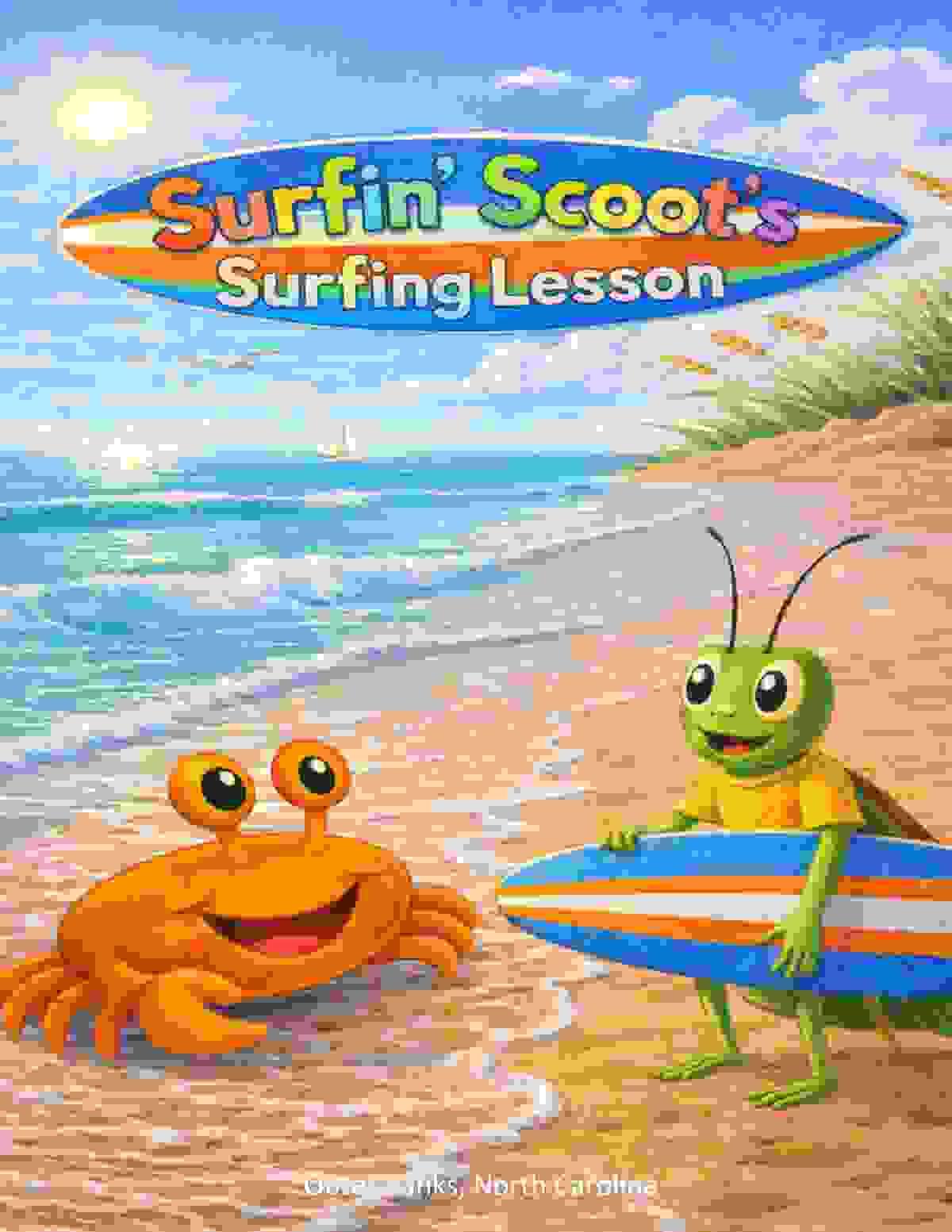
Surfin’ Scoot’s Surfing Lesson follows Scoot the ghost crab as he turns his love of surfing into a fun, safe lesson for his friend George the grasshopper on the beaches of North Carolina’s Outer Banks. With patience and encouragement, Scoot teaches George important surf safety rules, practices pop-ups on the sand, and helps him learn how to paddle and balance in gentle waves. George tumbles, laughs, and tries again—gaining confidence with every splash—until he finally rides a wave on his own. As the sun sets, the two friends celebrate a day of learning, friendship, and respect for the ocean, showing young readers that trying new things, staying safe, and caring for the beach make adventures even more rewarding.
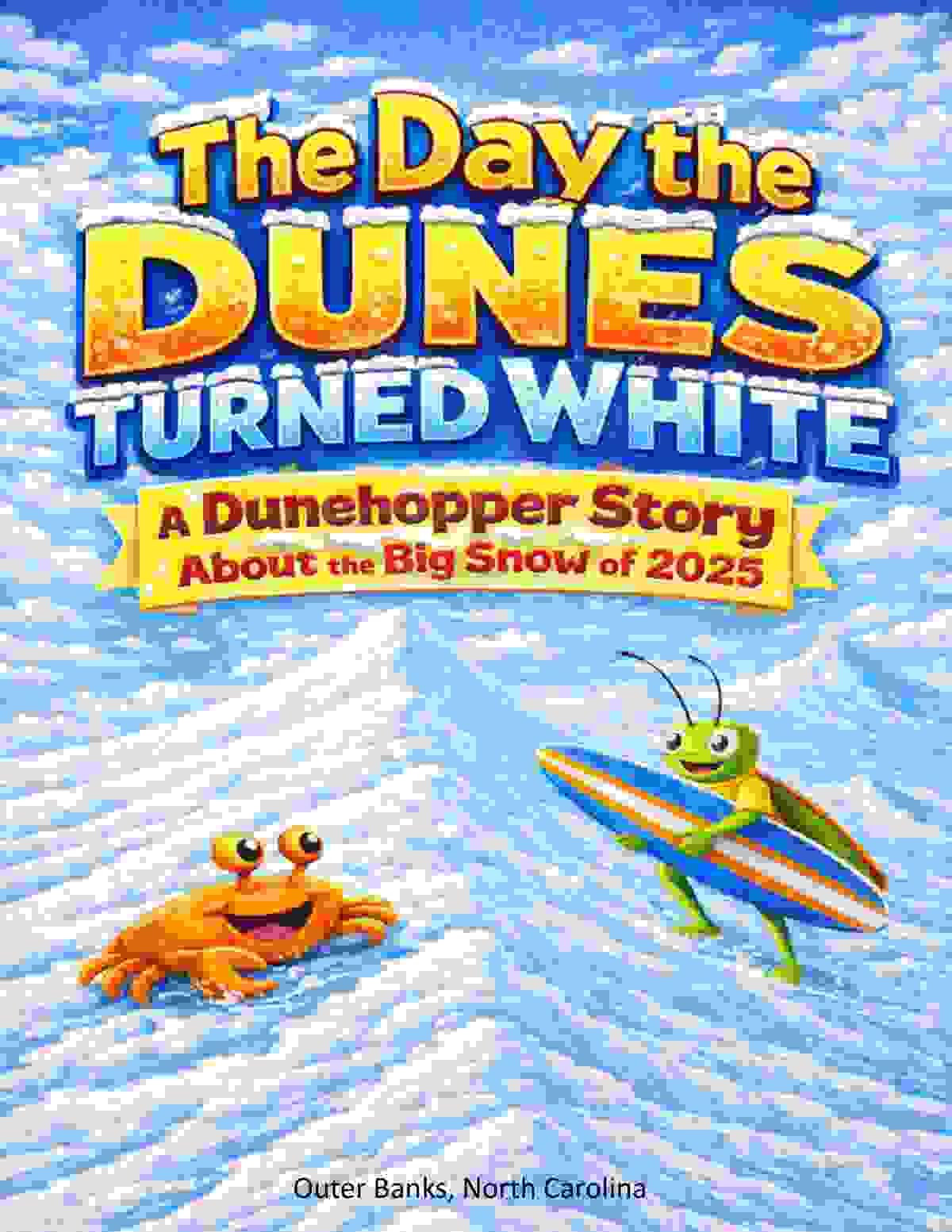
The Day the Dunes Turned White: A Dunehopper Story About the Big Snow of 2025 is a heartwarming Dunehopper story set on North Carolina’s Outer Banks, where a rare winter storm transforms the familiar sandy dunes into a magical snowy landscape. When the Dunehopper family learns a snowstorm may be coming, excitement fills their cozy burrow, leading to a surprise snow day, playful adventures, and creative fun as Scoot and his friend George turn a surfboard into a sled. While the children delight in the snow, Papa works hard to protect the burrow, and the family learns the importance of patience, teamwork, and adapting to nature’s changes. Through wonder, laughter, and care for their home, the Dunehoppers discover that even rare and unexpected moments can become unforgettable adventures—reminding readers that every season brings its own kind of magic.
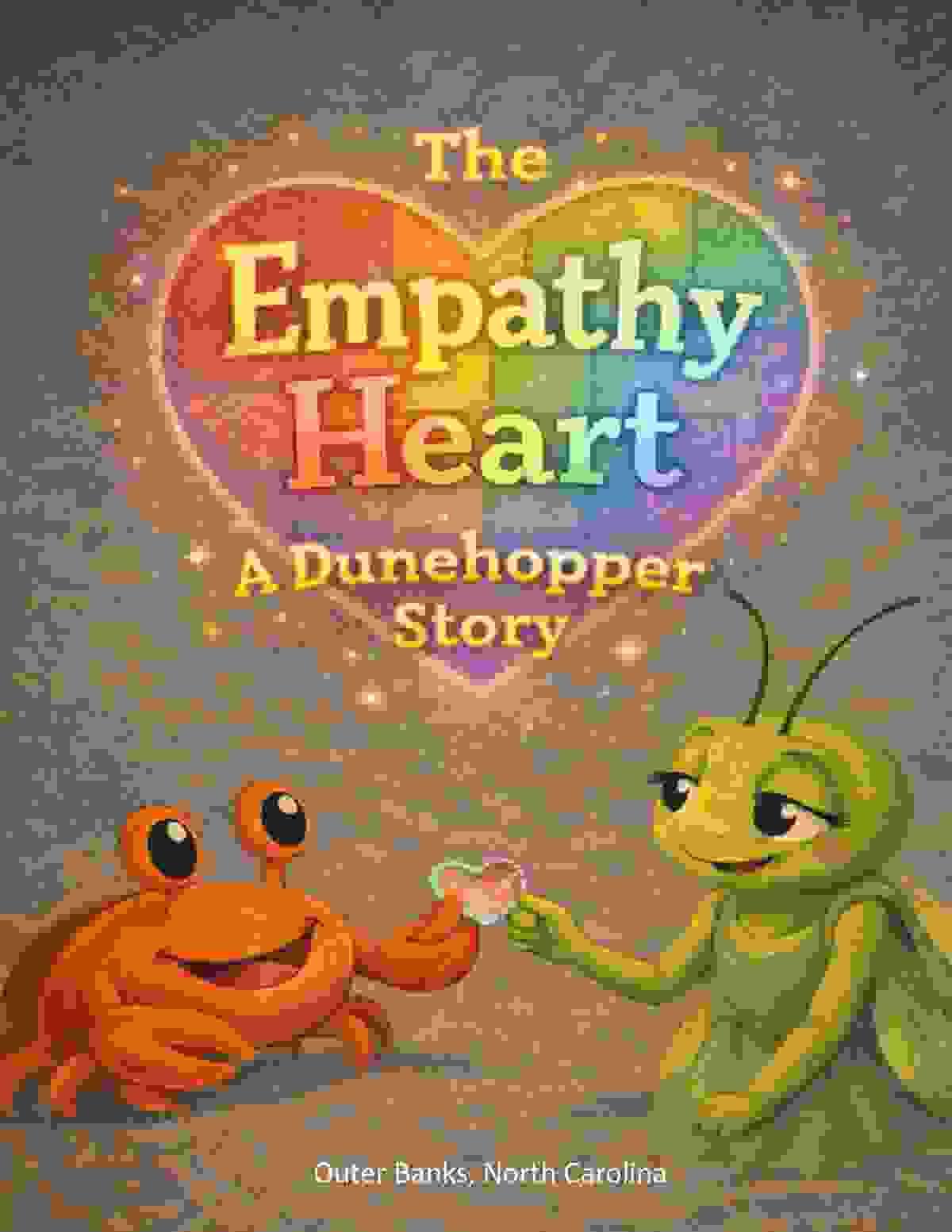
The Empathy Heart: A Dunehopper Story is a child-friendly story set at Sea Oats School on North Carolina’s Outer Banks, where Sandy the ghost crab learns how noticing and responding to others’ feelings can change a whole community. When Sandy shows kindness to Georgina, a quiet grasshopper who feels left out, that small act sparks a chain reaction of caring in the classroom. Through shared lunches, helping hands, and welcoming new classmates—including Claudia, a ghost crab who looks different—the students fill their teacher’s “Empathy Heart” with color, learning that empathy means listening with your heart. By the end of the story, the children discover that even the smallest acts of kindness can brighten someone’s day and inspire others to do the same.

Shellby’s Escape from the Plastic Soda Rings tells the story of a young ghost crab who becomes trapped in discarded plastic soda rings along the Outer Banks of North Carolina. As Shellby struggles to free herself, her family and the local ghost crab police search the dunes until she is finally rescued by Papa, who carefully cuts the plastic loops. Safe at last, Shellby learns an important lesson about the dangers plastic waste poses to wildlife. The story gently teaches children how small actions—like cutting soda rings before throwing them away—can protect animals and help keep beaches and oceans safe.
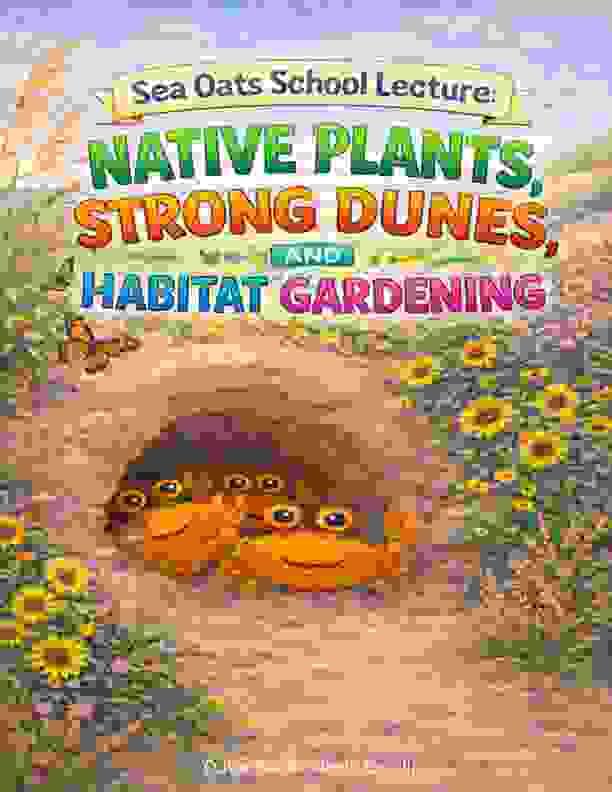
Sea Oats School Lecture: Native Plans, Strong Dunes, and Habitat Gardening. This story follows Mama Dunehopper and her family as they learn how native plants help protect the Outer Banks. After attending a Sea Oats School lecture, the Dunehoppers discover the difference between native and invasive species, why sand dunes are important, and how habitat gardening supports birds, bugs, and other wildlife. Through examples like sea oats, beach sunflowers, and switchgrass, they learn that healthy dunes protect homes, animals, and burrows from storms and erosion. By the end of the day, the Dunehoppers realize that caring for native plants means they aren’t just gardeners—they are proud protectors of the coast.
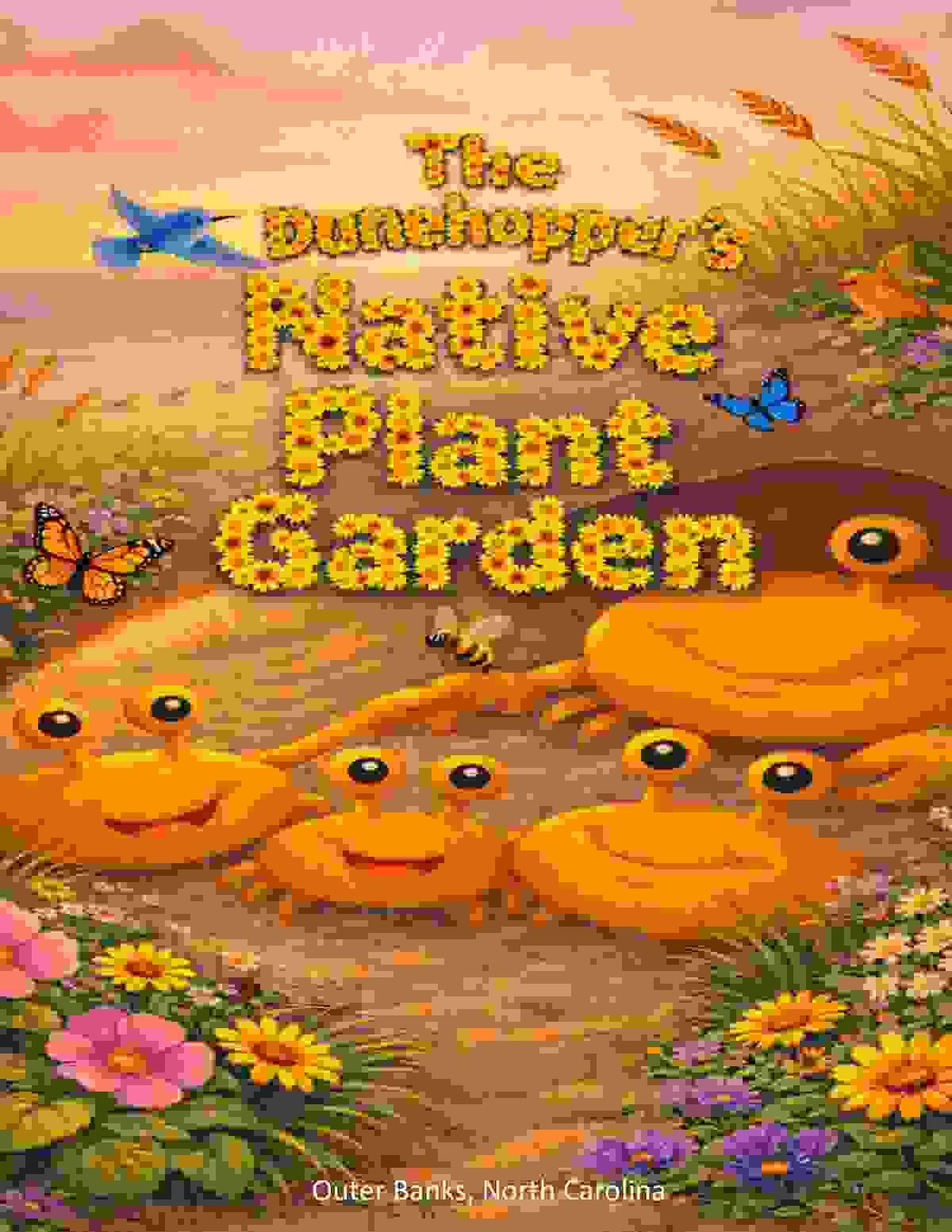
The Dunehopper’s Native Plant Garden is an educational children’s story set in the Outer Banks of North Carolina that follows Mama Dunehopper and her children as they learn how planting native plants can protect dunes and help wildlife. Inspired by a lesson on habitat gardening, the family creates a garden filled with beach sunflowers, sea oats, and American beach grass, attracting bees, birds, and butterflies—including a monarch named Buttercup. Through Buttercup’s migration journey, the Dunehoppers learn how safe, pesticide-free gardens provide crucial rest stops for wildlife. By sharing what they’ve learned with neighbors, they help spark a ripple of conservation across the dunes, becoming proud protectors of the coast and showing young readers how small actions can make a big difference for nature.
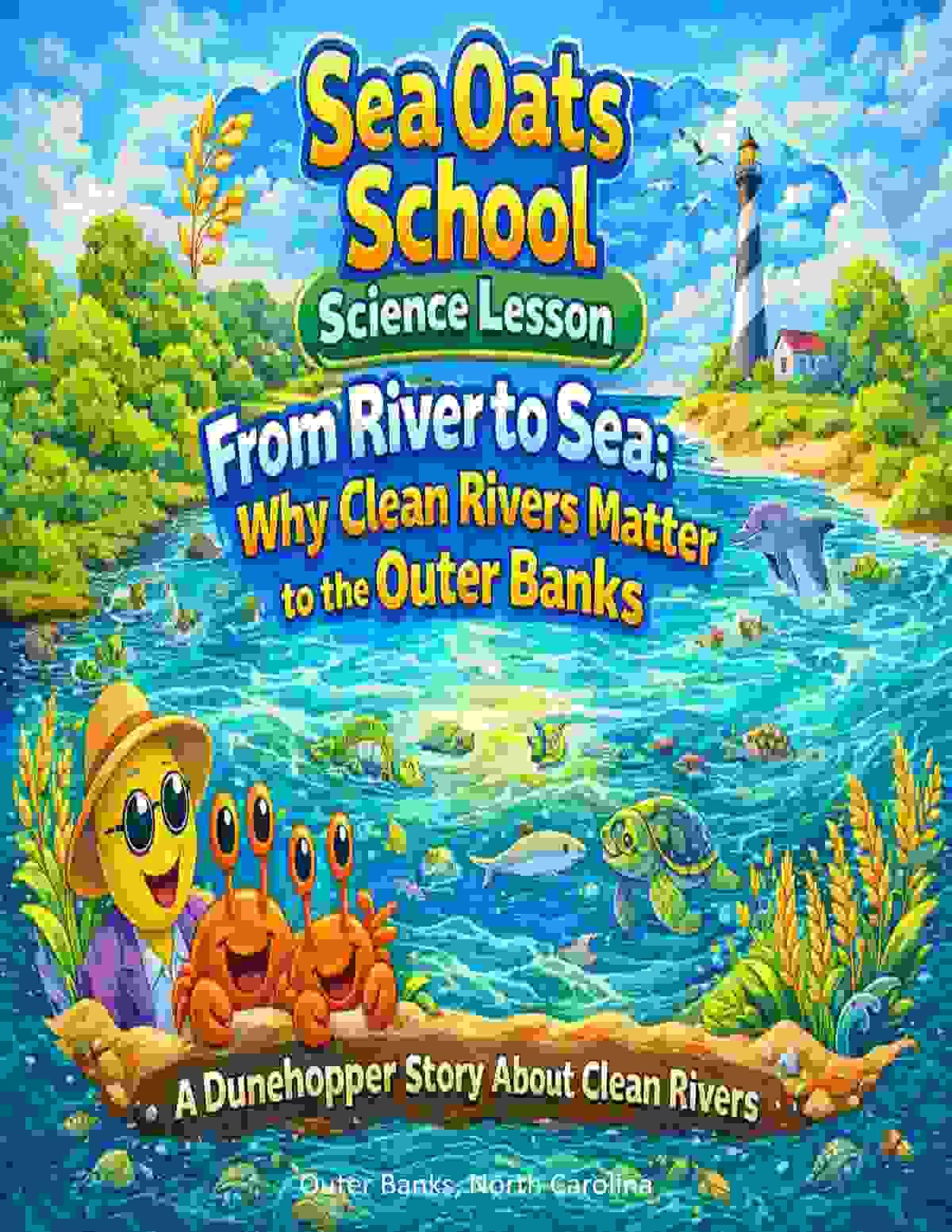
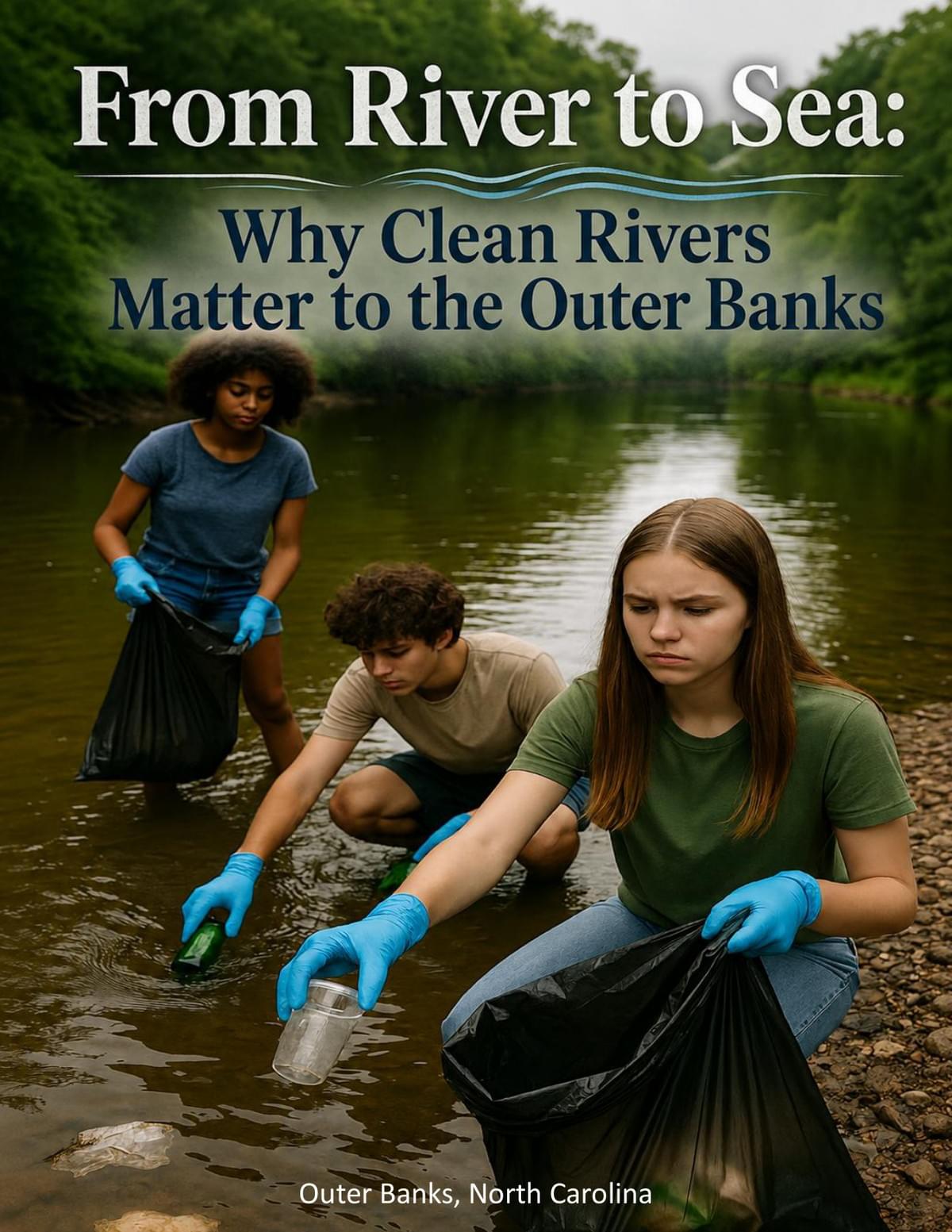
Sea Oats School Science Lesson: From River to Sea: Why Clean Rivers Matter to the Outer Banks is a colorful, child-friendly Sea Oats School Science Lesson in which Professor Sandstone teaches her students that the health of the Outer Banks begins far inland. Through engaging explanations and relatable examples, she shows how rivers carry not only water but also trash and pollution from cities, farms, and highways into sounds, estuaries, and ultimately the ocean. The story explains ocean currents like the Gulf Stream and Labrador Current, how marine debris harms wildlife, and why clean water is essential for sea turtles, fish, birds, tourism, and coastal communities. Most importantly, it empowers children to see how everyday choices—like not littering, reducing plastic use, and helping with cleanups—can protect rivers, oceans, and the Outer Banks we all love, reminding readers that everything truly flows together.
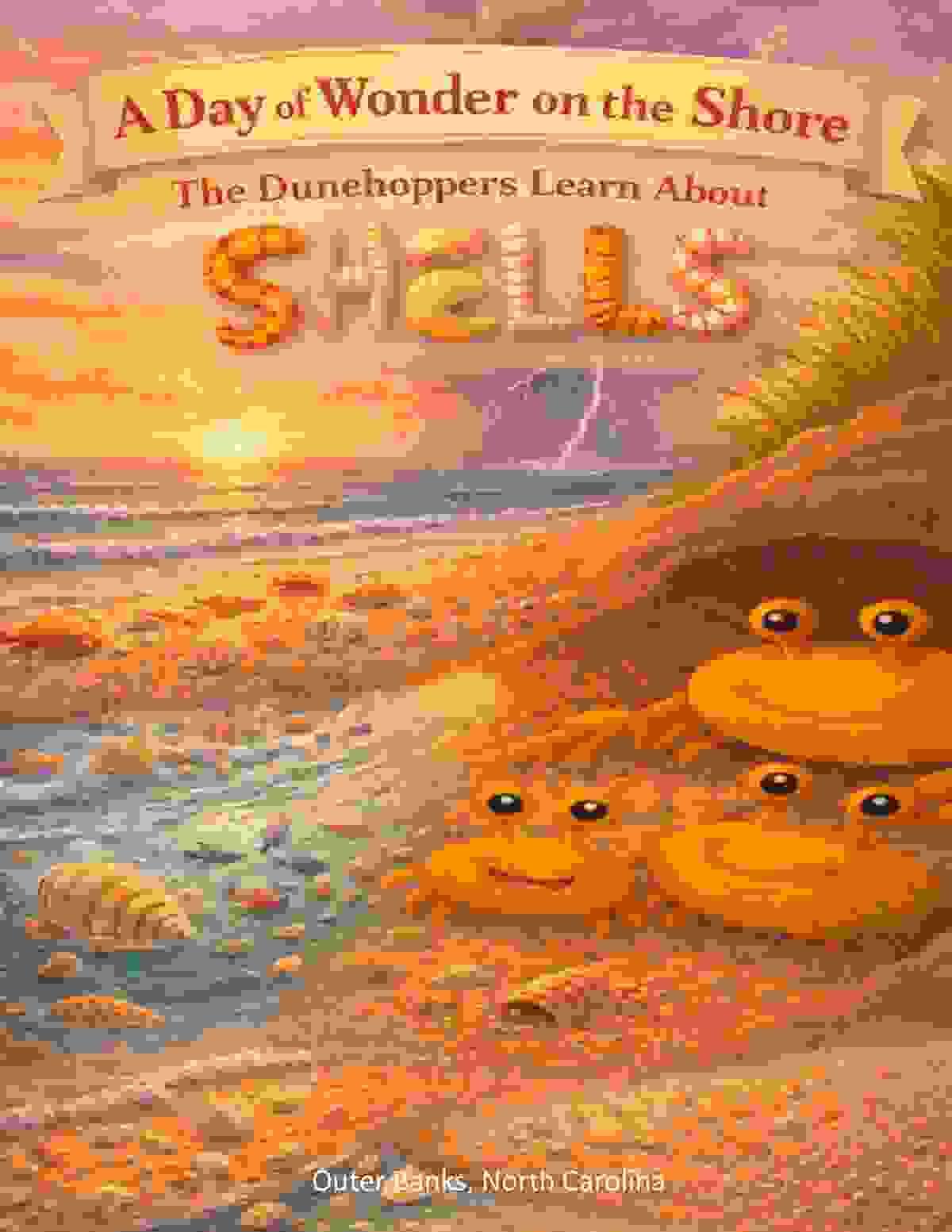
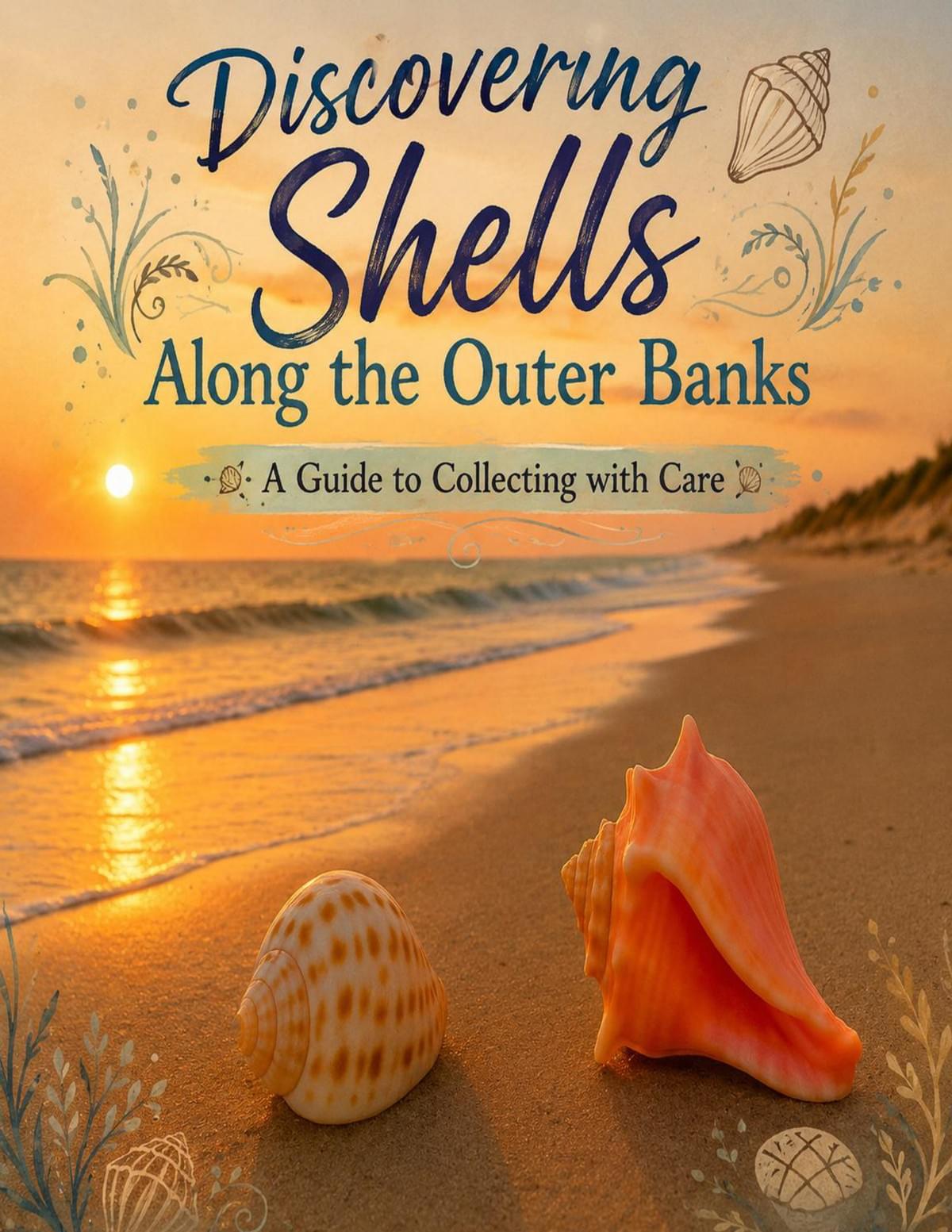
On a sunny day on the Outer Banks, Sandy, Scoot, and Shellby Dunehopper set out to discover the secrets behind the beautiful shells scattered along the shore. Curious about where shells come from and why they look so different, the Dunehoppers learn that shells are carefully built homes made by ocean animals called mollusks, growing layer by layer as the animals grow. They explore how shells are formed, why they have different colors and shapes, and how waves and storms carry them to the beach. Along the way, they discover that even sand comes from broken-down shells and that every shell tells a story about life in the ocean. By the end of their adventure, the Dunehoppers realize that the beach is a living classroom—and that protecting clean oceans helps ensure these tiny wonders continue for generations to come.
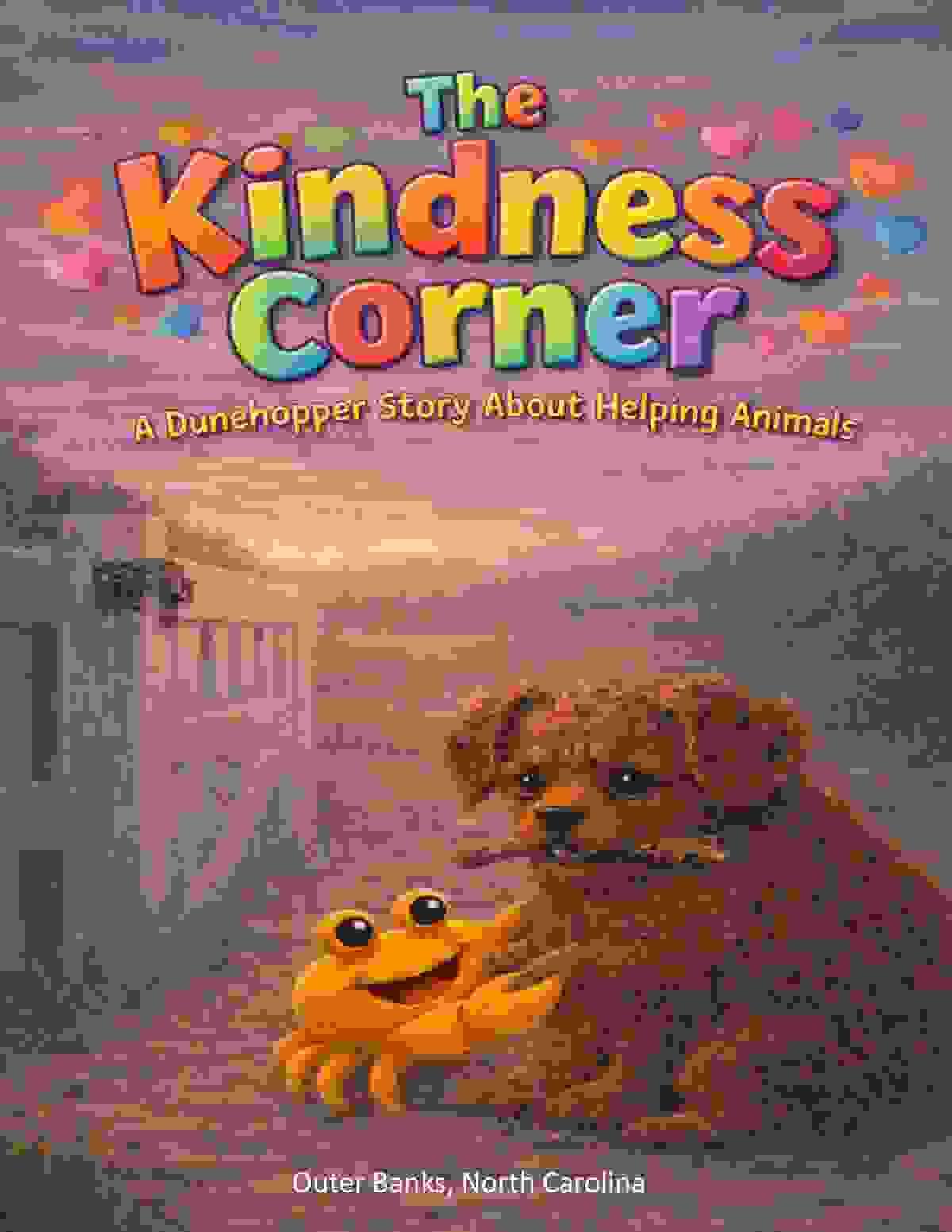
The Kindness Corner: A Dunehopper Story About Helping Animals is a Dunehopper story set on the Outer Banks of North Carolina about Sandy Dunehopper, a kind-hearted young ghost crab who loves animals, especially those with no home. When Sandy helps injured, hungry, and frightened animals—a shivering dog, abandoned kittens, and others—her small acts of care grow into something bigger with the help of her family and community. A simple spot in the dunes becomes “The Kindness Corner,” a place where animals are fed, comforted, and eventually find loving homes. Through Sandy’s journey, the story teaches children that kindness doesn’t have to be loud or grand—real love is shown through gentle actions, helping hands, and choosing compassion every day.
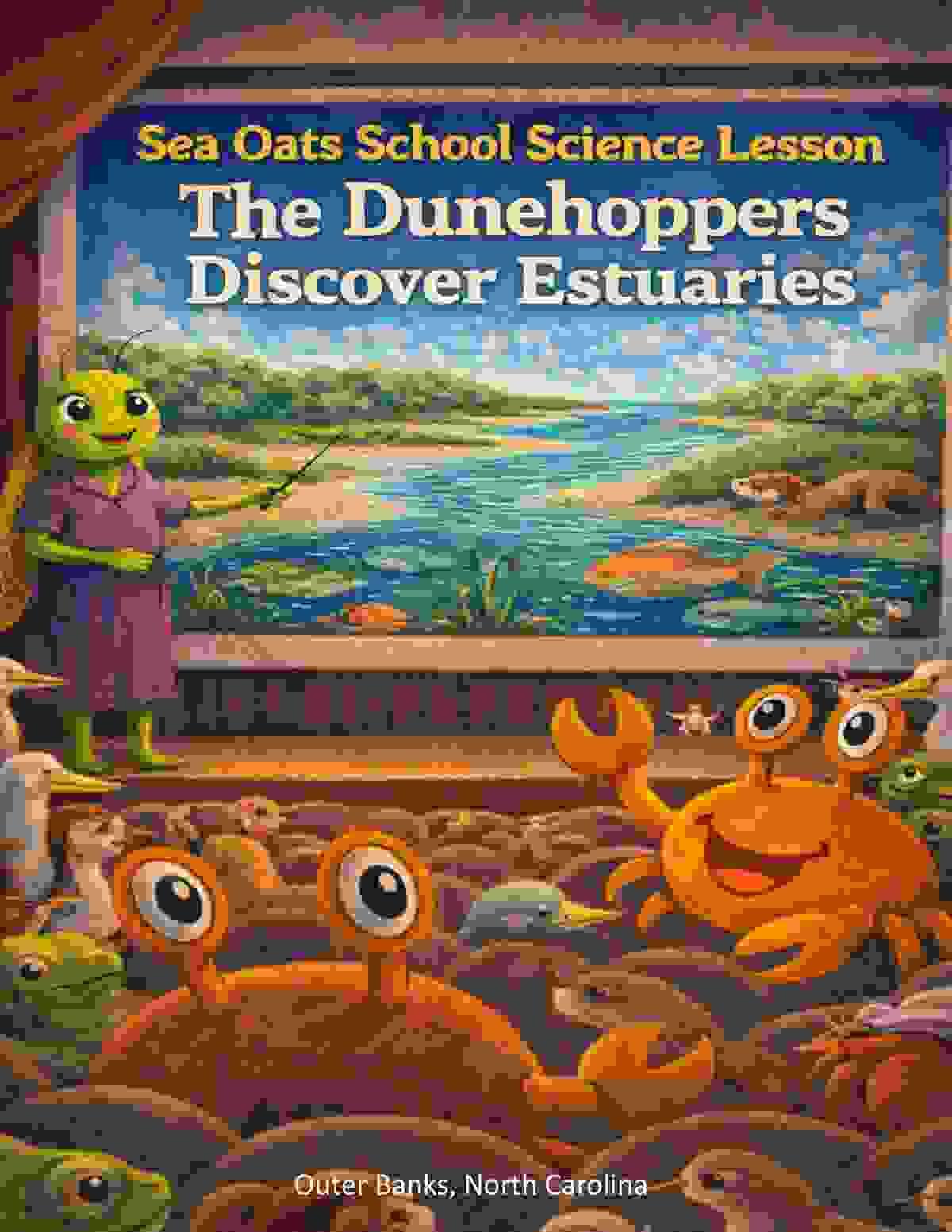
Sea Oats School Science Lesson: The Dunehoppers Discover Estuaries follows Sandy, Scoot, and Shellby Dunehopper as they attend a Sea Oats School science lesson on the Outer Banks of North Carolina, where Ms. Marsh teaches them about estuaries—the special places where rivers meet the ocean. Through colorful scenes and simple explanations, the story shows how estuaries mix fresh and salty water, serve as nurseries for fish and crabs, clean the water, protect shorelines from storms, and support both people and wildlife. The Dunehoppers learn how human activities can help or harm these important ecosystems and discover that even though ghost crabs don’t live in estuaries, healthy estuaries help keep their beach homes clean, safe, and full of food. The story ends by encouraging young readers to become “Estuary Heroes” by caring for nature and remembering that everything in the coastal environment is connected.
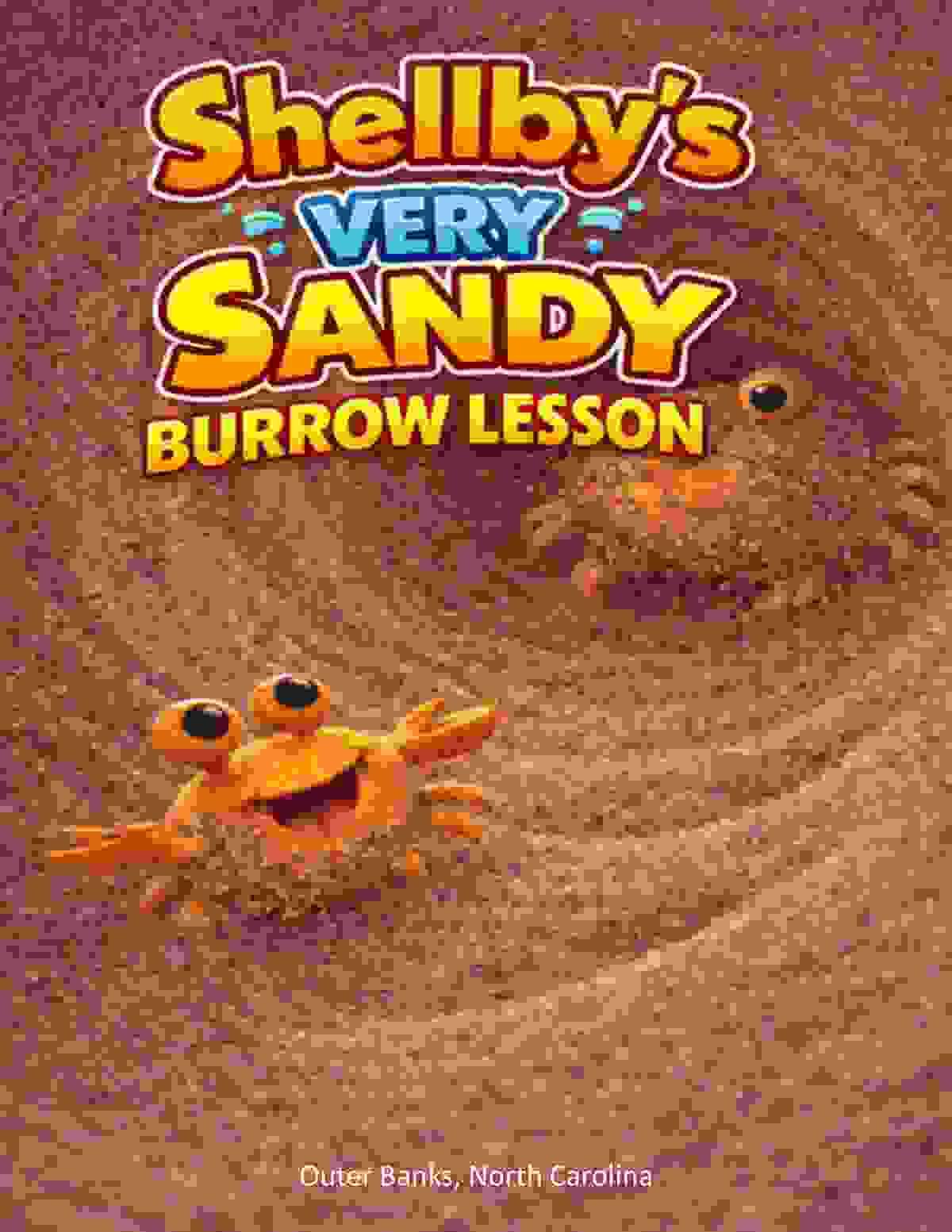
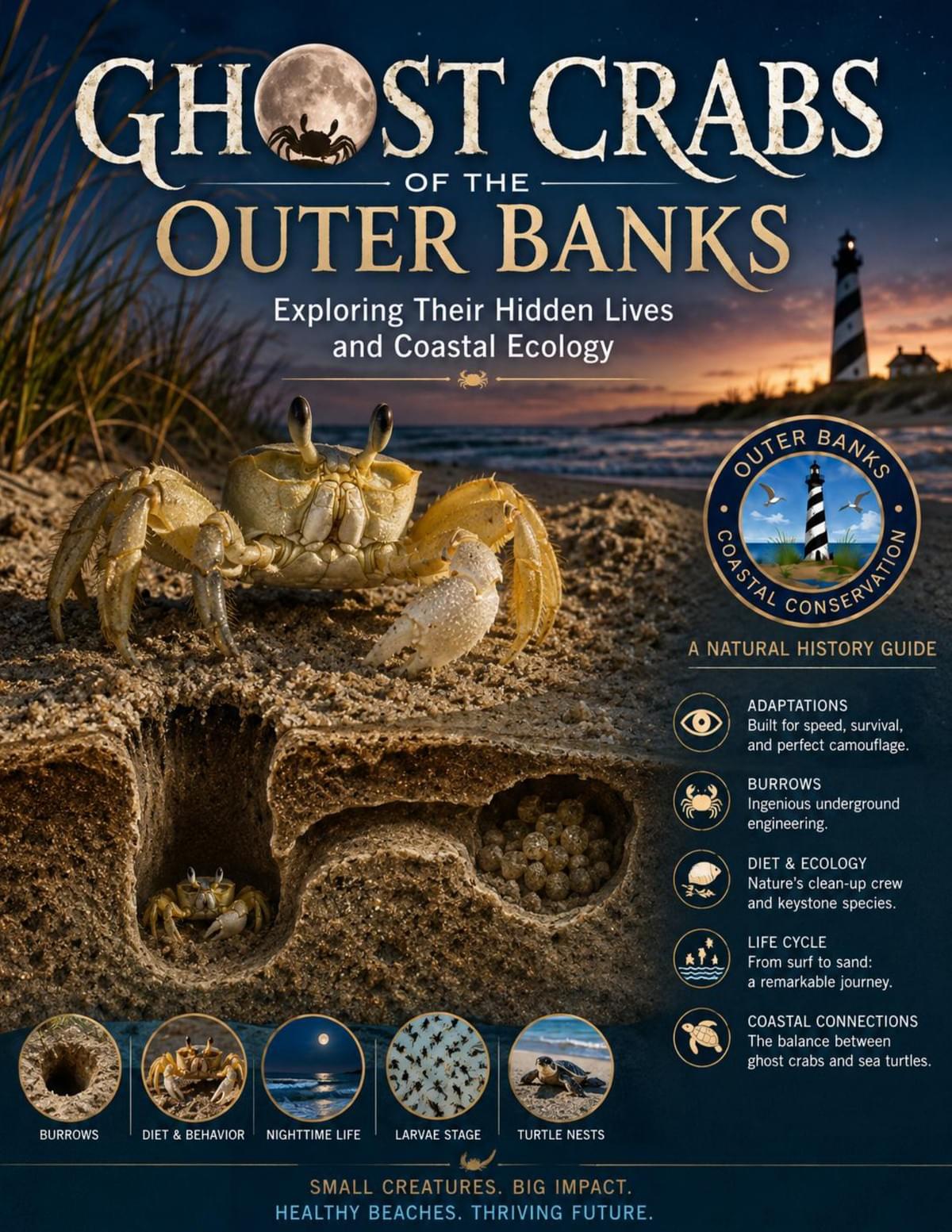
Shellby’s Very Sandy Burrow Lesson follows a curious young ghost crab named Shellby as Papa teaches her how to dig a proper burrow on the beaches of the Outer Banks. Through playful mishaps, teamwork, and gentle guidance, Shellby learns why burrows are essential for staying cool, safe, and protected from storms and predators. The story blends humor with real coastal science, showing how ghost crabs carefully choose locations, scoop and toss sand, and shape spiral tunnels. By the end of the day, Shellby is tired, sandy, and proud—having learned an important survival skill and discovered that even hard work can lead to the coziest “nap cave” of all.
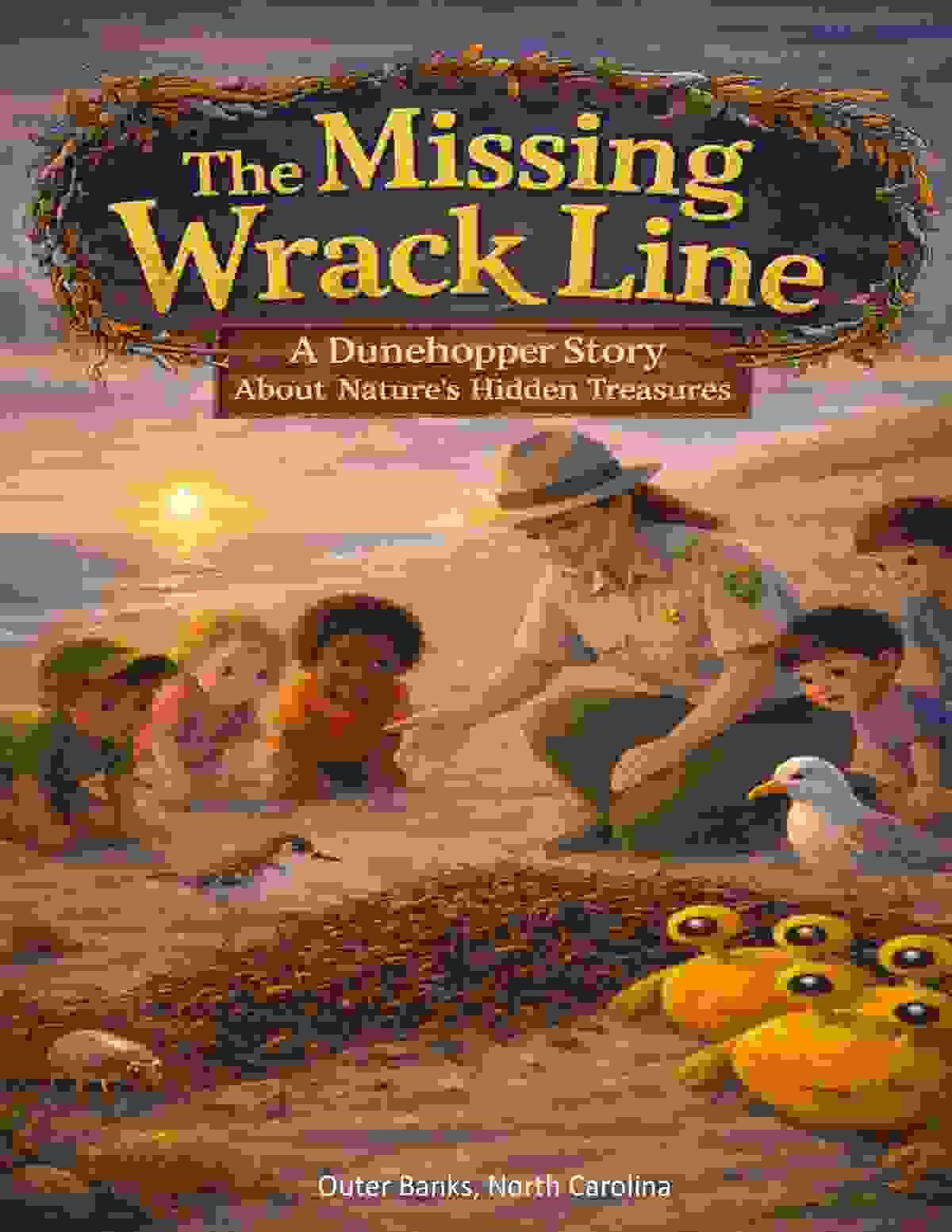
The Missing Wrack Line: A Dunehopper Story About Nature's Hidden Treasures is an educational children’s story set on an Outer Banks beach, where Scoot and Sandy Dunehopper and their animal friends discover that the natural wrack line—seaweed, shells, and driftwood left by the tide—has mysteriously disappeared. As they investigate, they learn that well-meaning beach “cleanups” removed this vital material, unintentionally harming insects, birds, dunes, and even sea turtles. With help from a park ranger, the children and animals learn why wrack is essential to a healthy beach ecosystem and how it supports the coastal food web and dune growth. The story ends with the wrack returning and a clear conservation message for young readers: clean trash, not nature’s treasures.
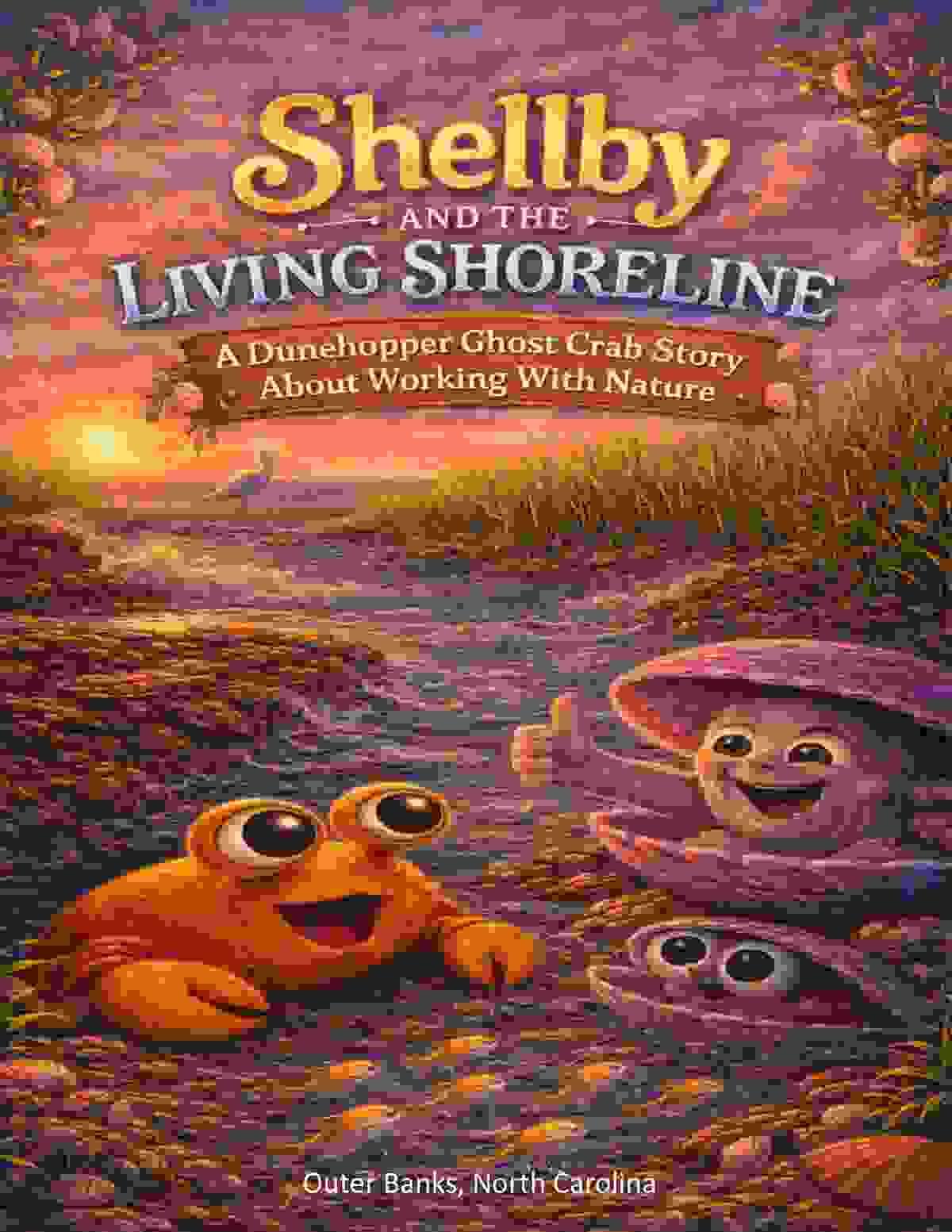
Shellby and the Living Shoreline: A Dunehopper Ghost Crab Story About Working With Nature is a Dunehopper ghost crab story set on the Outer Banks of North Carolina that follows Shellby and her friend Luna as they discover why their shoreline is shrinking and learn a better way to protect it. Guided by Oscar the Oyster, they explore a living shoreline made of oysters, marsh grasses, and teamwork, and see how nature can slow waves, prevent erosion, and create safe homes for wildlife. Through gentle storytelling and vivid coastal scenes, the book teaches that working with nature—rather than building hard walls—helps shorelines grow stronger over time, leaving young readers with the message: we don’t build walls, we build with life.
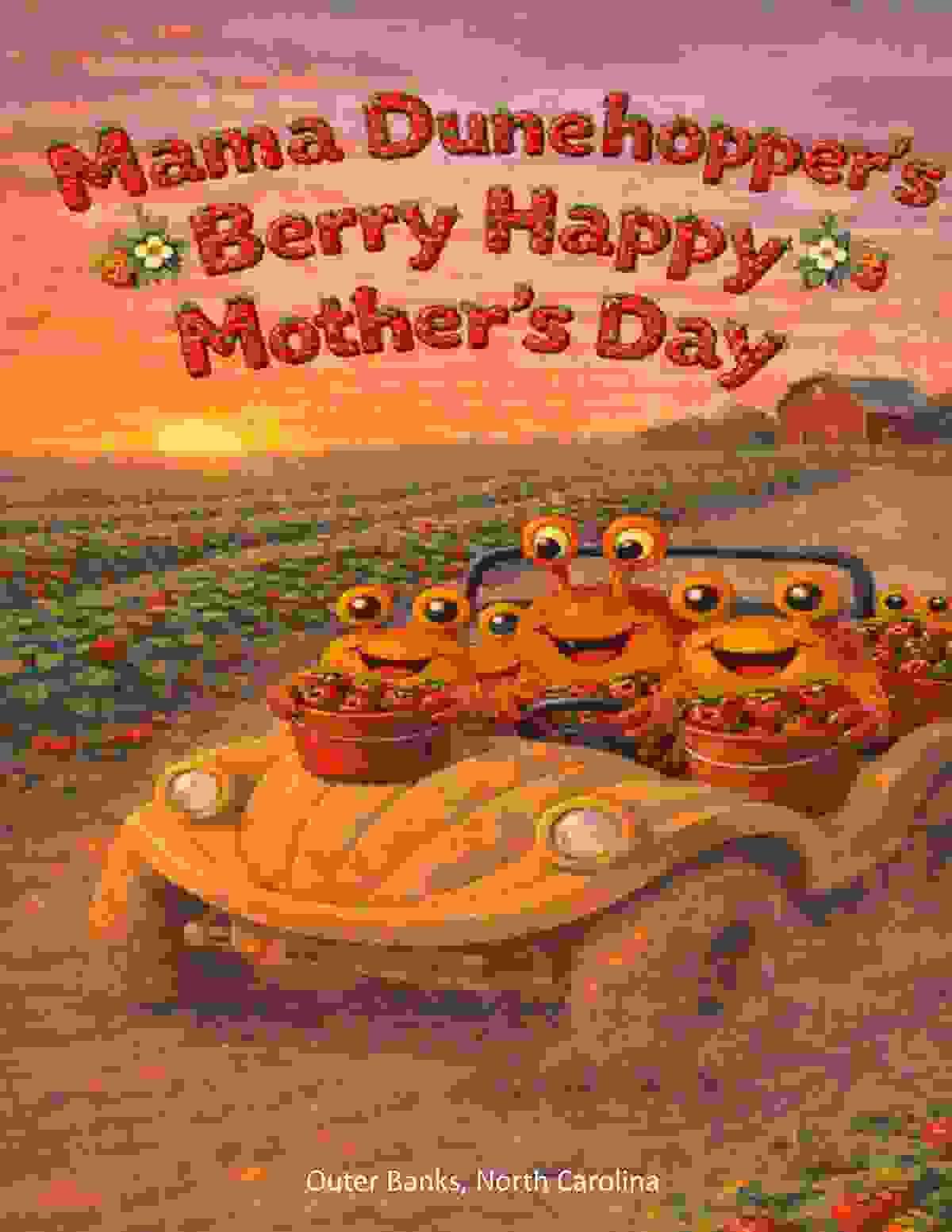
Mama Dunehopper’s Berry Happy Mother’s Day is a warm, playful Dunehopper ghost crab story set on the Outer Banks of North Carolina, where Sandy, Scoot, and Shellby plan a heartfelt Mother’s Day surprise for Mama by taking her strawberry picking. The family piles into their dunebuggy and spends the day laughing through mishaps, silly moments, and sweet discoveries in the strawberry fields—from flying berries to “tiny dragon” ants and heart-shaped strawberries. By the end of the day, with buckets full and claws stained pink, the Dunehoppers return home tired, happy, and grateful, celebrating family love, togetherness, and the simple joy of spending time with Mom.
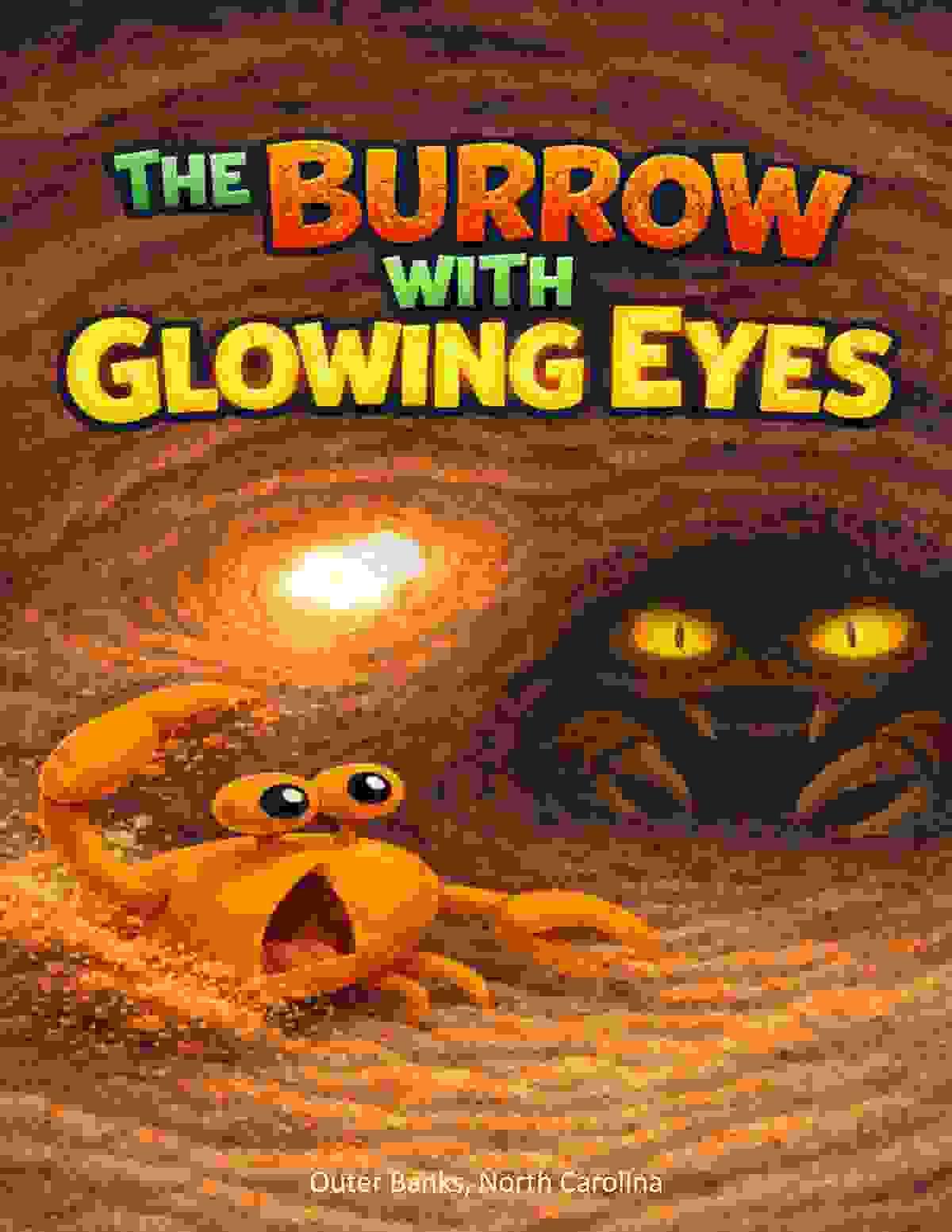
The Burrow with Glowing Eyes is a suspenseful children’s story set on the Outer Banks of North Carolina that follows young Shellby Dunehopper, a curious ghost crab practicing how to dig her very first burrow. When her digging adventure takes a scary turn and she encounters mysterious glowing eyes underground, Shellby remembers an important safety lesson from her parents: always plan an escape. Using quick thinking and a secret second tunnel, she makes it safely home, where her family celebrates her bravery and preparedness. Through a mix of mild nighttime thrills, warmth, and reassurance, the story teaches young readers about predator awareness, problem-solving, and the real-life survival skills of ghost crabs in a way that is both educational and comforting.
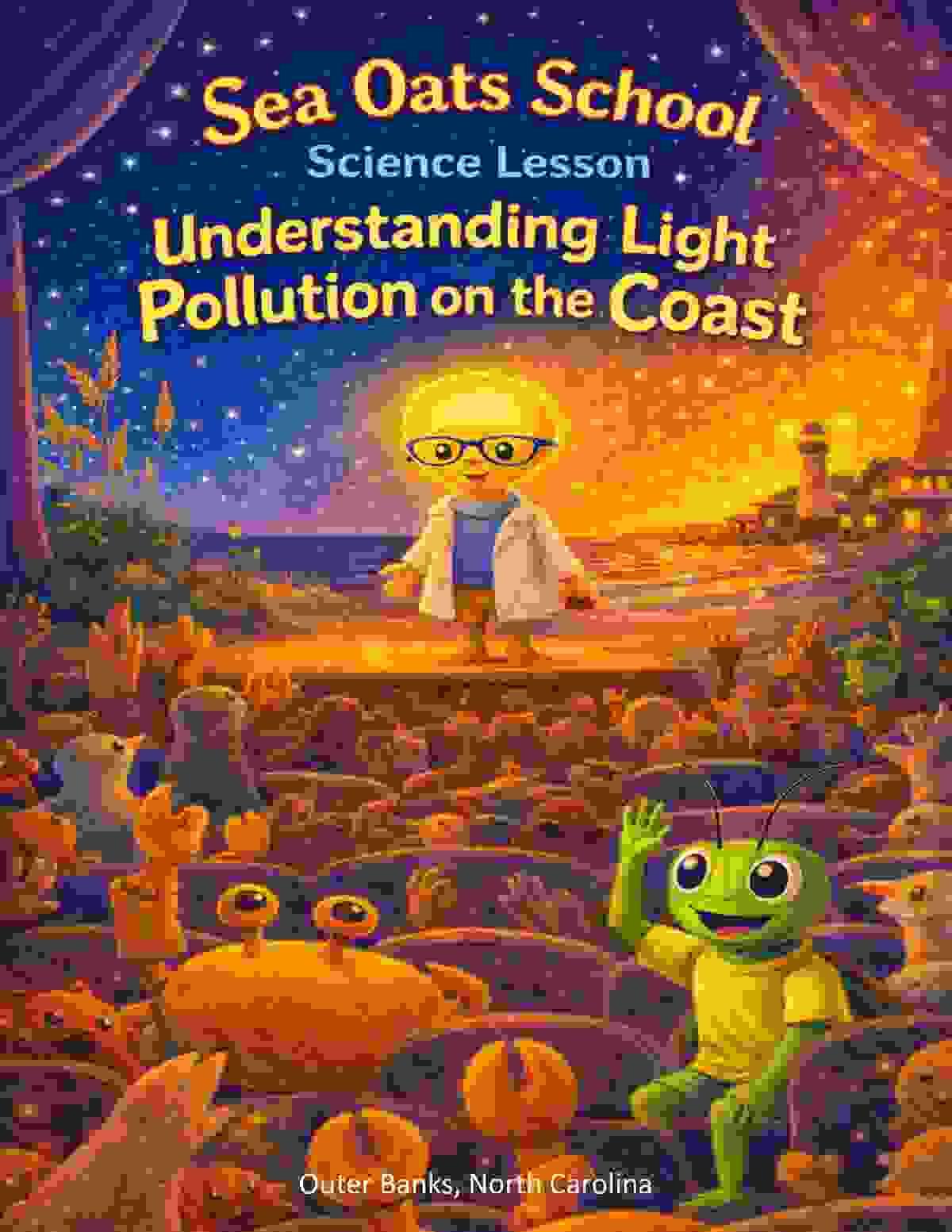
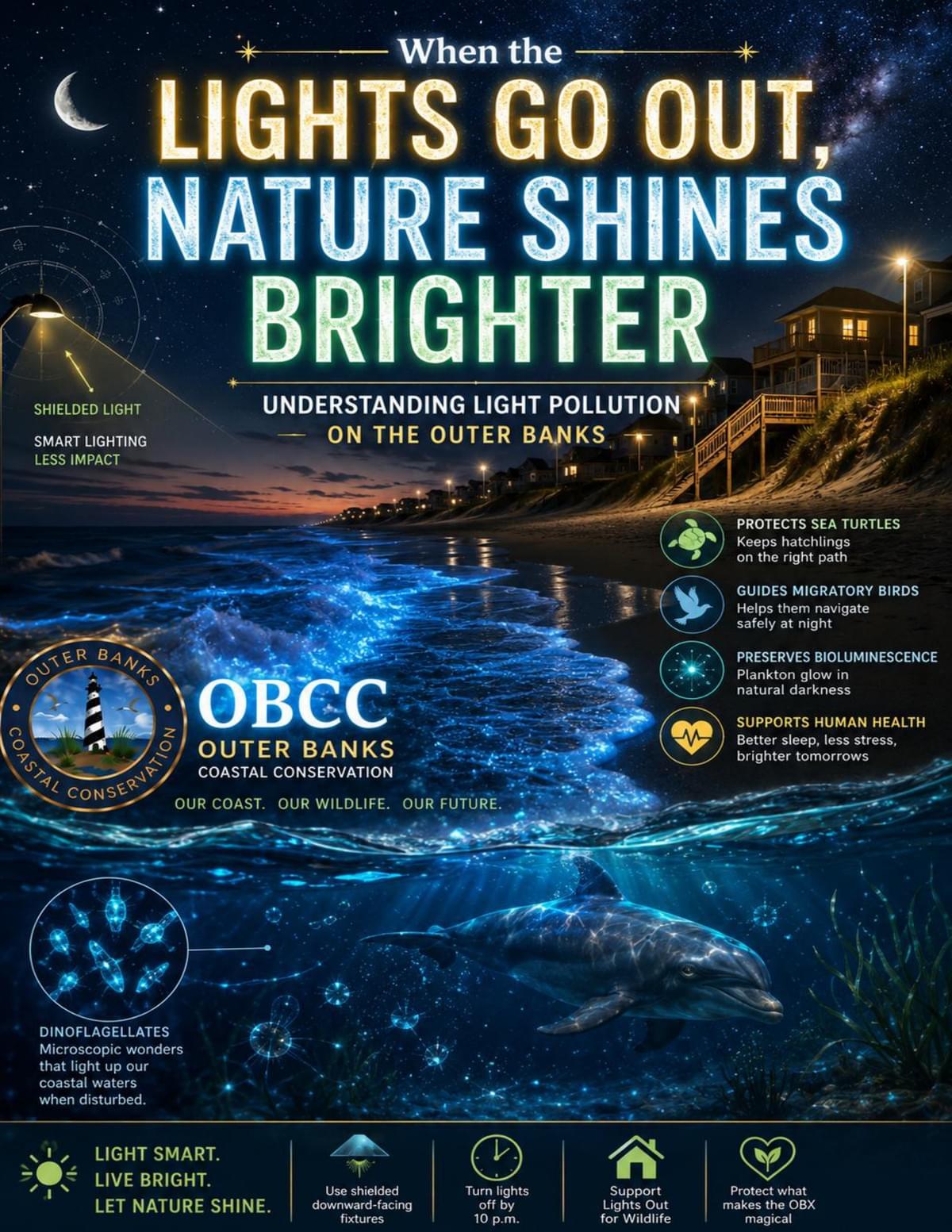
Sea Oats School Science Lesson: Understanding Light Pollution on the Coast follows the Dunehopper family as they discover how artificial light at night disrupts sleep and harms coastal wildlife. After a bright new porch light floods their burrow, the family learns from a glowing firefly educator that many animals—like sea turtles, shorebirds, ghost crabs, and insects—depend on natural darkness to navigate, find food, reproduce, and stay safe. Through clear examples and friendly guidance, the story explains how excessive or poorly placed lighting can confuse wildlife and damage entire food webs, while also affecting people’s sleep and sense of place. The lesson concludes with simple, practical tips—using less light, choosing warmer colors, keeping lights low and shielded—to show that protecting dark skies is an easy, powerful way to care for coastal ecosystems and keep the night full of stars.
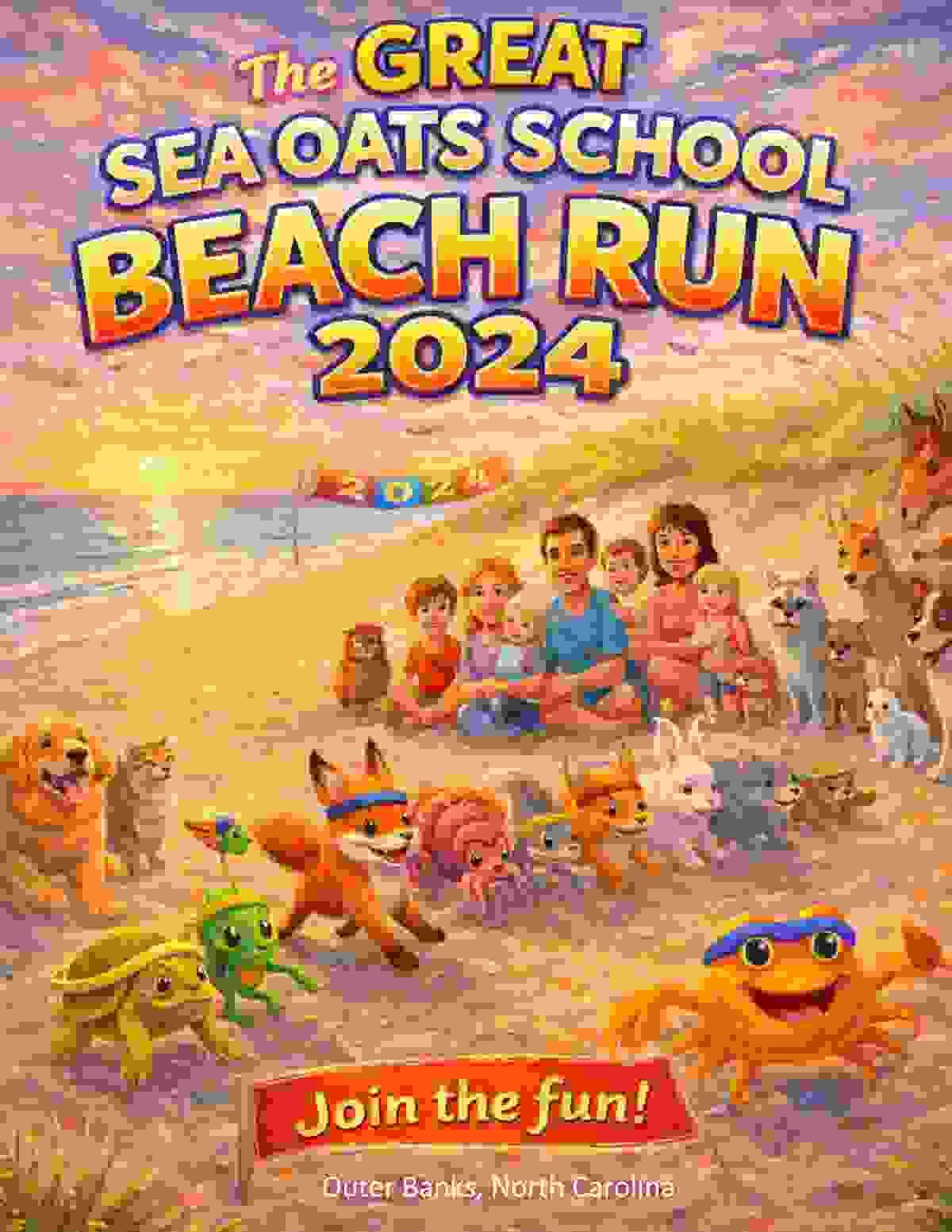
The Great Sea Oats School Beach Run 2024 is an Outer Banks story about Shellby Dunehopper, a determined ghost crab who trains for her school’s annual charity beach race with help from her brother Scoot. As excitement builds, a popcorn-machine mishap sends kernels scattering onto the racecourse, changing the outcome in an unexpected way—allowing slow-and-steady Tom the Sea Turtle to win. Rather than focusing on victory, the story celebrates perseverance, teamwork, kindness, and good sportsmanship, reminding readers that doing your best, supporting others, and sharing joy (and ice cream!) matter far more than crossing the finish line first.
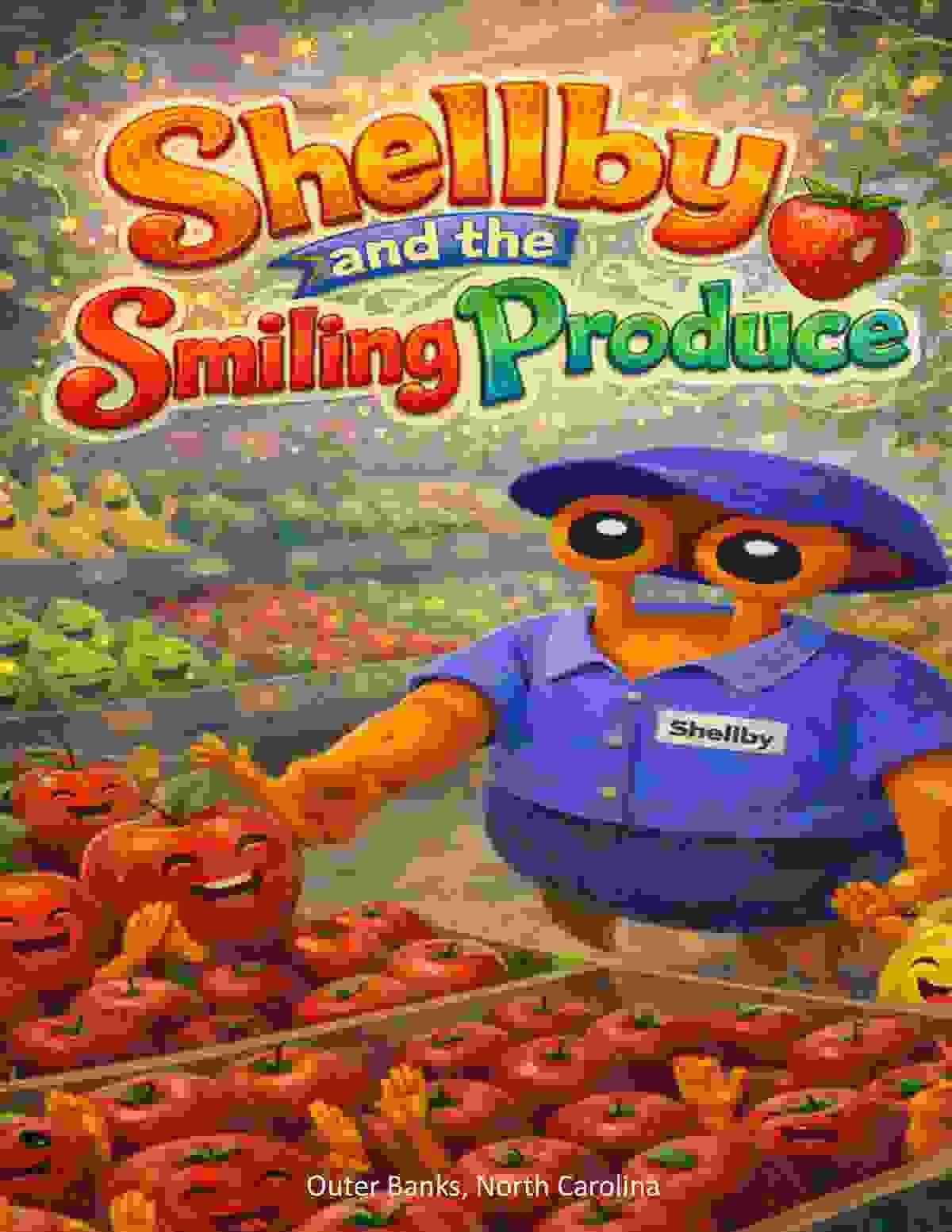
Shellby and the Smiling Produce follows Shellby Dunehopper, a thoughtful young ghost crab from the Outer Banks, as she starts her first summer job in the produce department at the Dunes Market. Eager to do well, Shellby becomes confused when fruits and vegetables seem to “talk” to her—bananas shiver in the cold, tomatoes squish, apples complain, and lettuce worries customers—until her manager, Mr. Pete, helps her understand that produce doesn’t talk but does give important clues about freshness and care. Through mistakes, patience, and gentle guidance from her family and coworkers, Shellby learns how to properly care for fruits and vegetables and discovers that paying attention, being kind, and learning from experience can turn a challenging first day into a hopeful tomorrow.
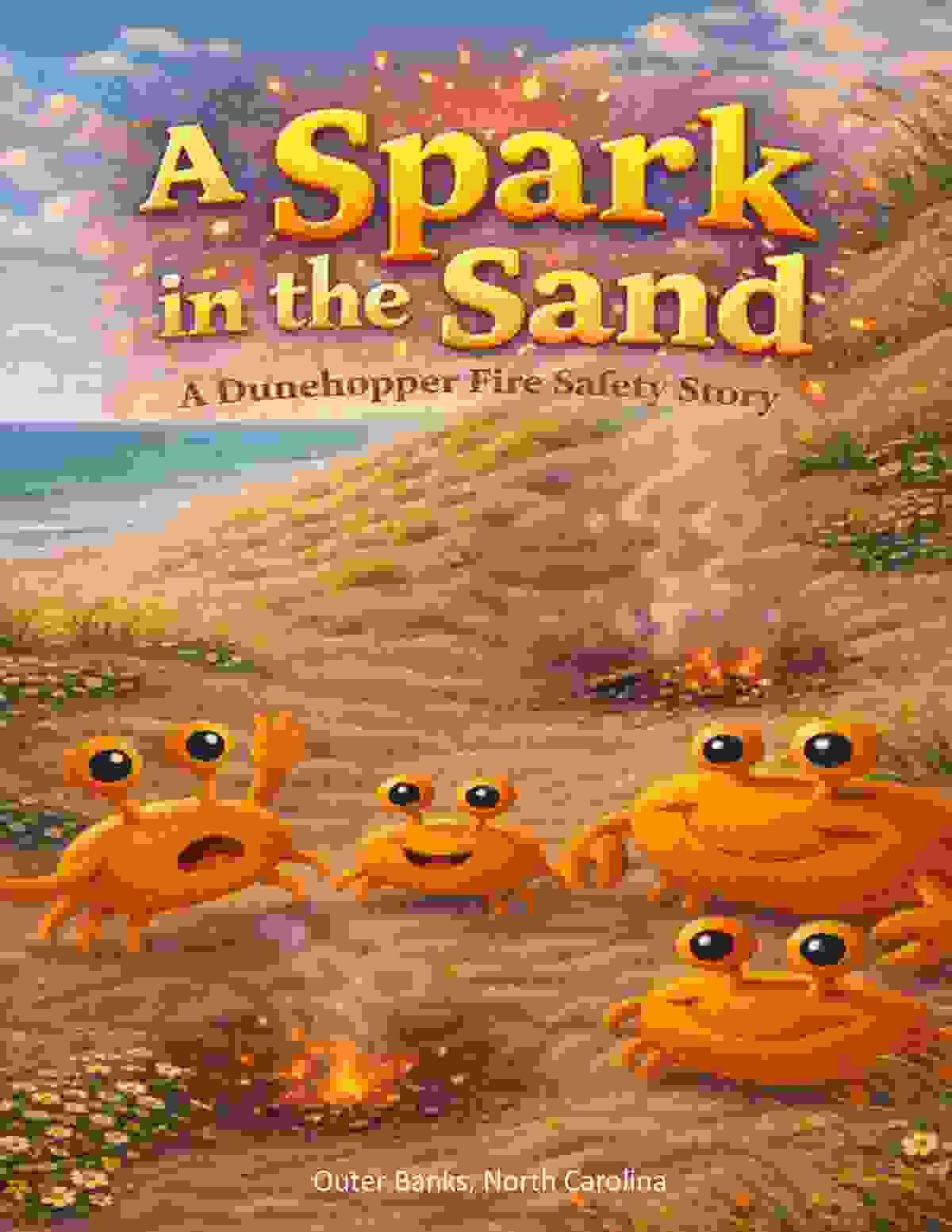
A Spark in the Sand: A Dunehopper Fire Safety Story follows the Dunehopper ghost-crab family on the Outer Banks as a peaceful beach day turns dangerous when they discover a smoldering campfire left in the dunes. Working together, Mama, Papa, Sandy, Scoot, and little Shellby carefully put out the fire and explain why dunes—full of dry sand, roots, plants, and animal homes—can burn easily and must be protected. Through kindness and calm teaching, they help visiting tourists understand proper fire safety and respect for nature. The story ends with the dunes safe once again, reinforcing the message that every spark matters and that responsible actions help protect fragile coastal homes and wildlife.
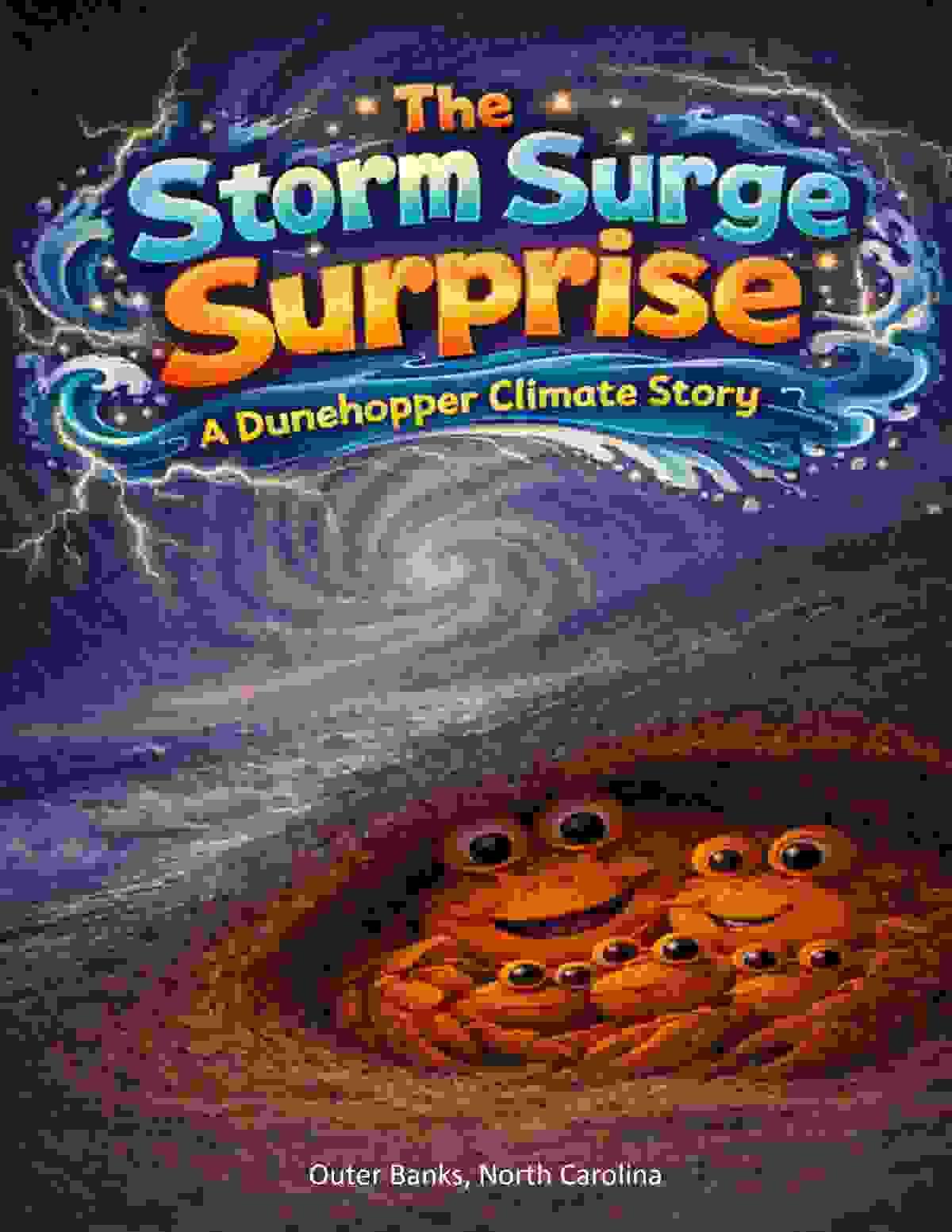
The Storm Surge Surprise: A Dunehopper Climate Story is an educational children’s story set on the Outer Banks of North Carolina, where the Dunehopper ghost crab family prepares for a hurricane during peak storm season. As they listen to a weather alert and remember lessons from Sea Oats School, the crabs learn how climate change is making storms stronger and storm surge more dangerous. By moving to higher dunes protected by sea oats and working together with their community, they stay safe through the storm. When the sun rises, the Dunehoppers reflect on how healthy dunes, preparation, and caring for the coast protect not only wildlife but people too—showing young readers that even small actions can help protect our shared future.
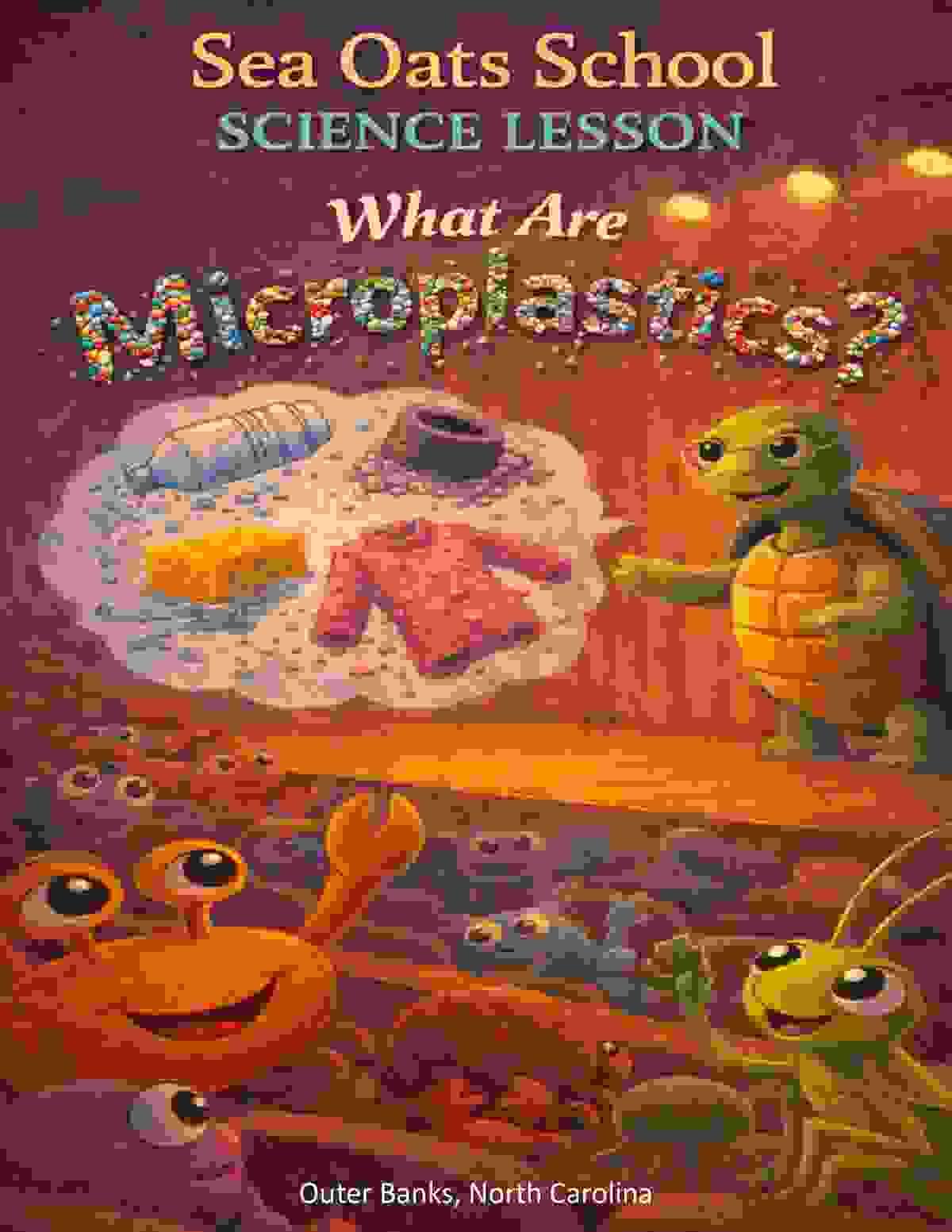
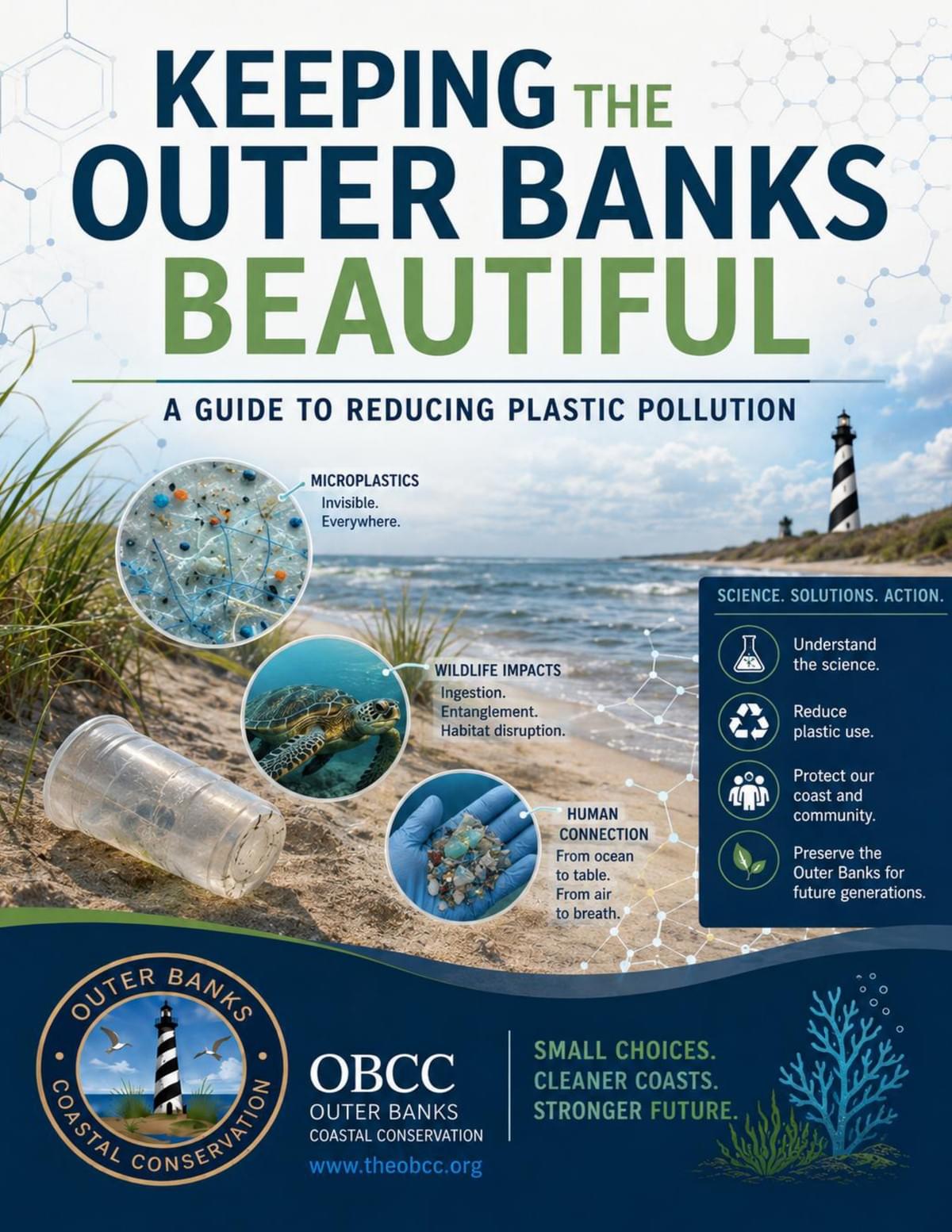
Sea Oats School Science Lesson: What Are Microplastics? is a child-friendly educational story set on the Outer Banks of North Carolina that follows Scoot Dunehopper, a curious ghost crab, as he learns about tiny pieces of plastic called microplastics and why they are harmful to wildlife and coastal ecosystems. Through a lively classroom lesson led by Professor Moontide and real-world examples involving sea turtles, seabirds, fish, and ghost crabs, young readers discover where microplastics come from, how they spread through beaches and oceans, and why animals often mistake them for food. The story emphasizes empathy, environmental stewardship, and simple actions humans can take—at the beach, at home, and with friends—to reduce plastic pollution, protect dunes, and help keep the Outer Banks healthy for both wildlife and people.
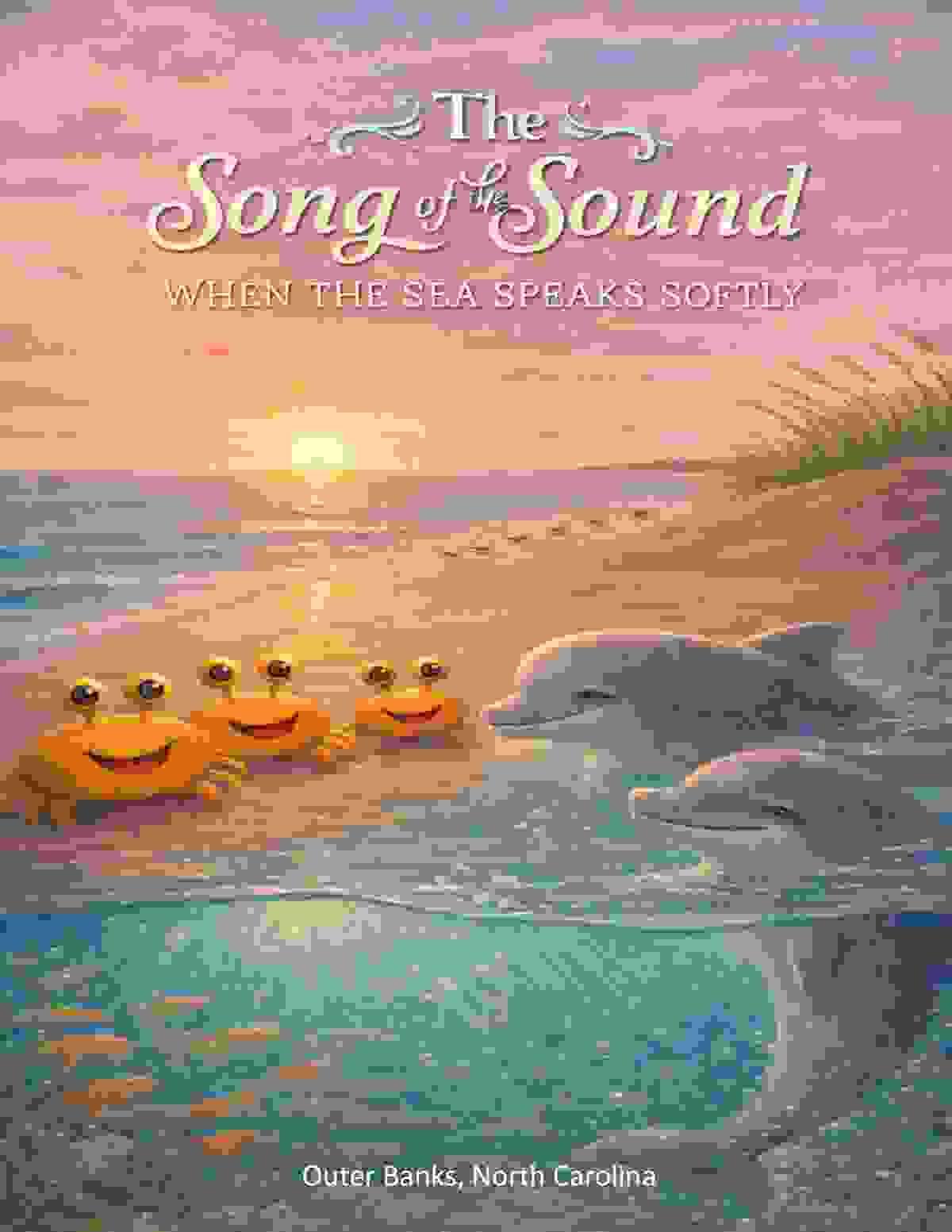
The Song of the Sound: When the Sea Speaks Softly is a story set in the Outer Banks of North Carolina that follows Echo, a young dolphin who loves to sing, and the Dunehopper ghost crab family who live along the dunes. When boat noise overwhelms the water and Echo can no longer hear his mother or the ocean’s natural “choir,” the animals notice that something is wrong with the Sound itself. Together, sea creatures, shoreline wildlife, and thoughtful humans work to create quiet zones and slow-speed areas that reduce underwater noise and allow nature to heal. As the Sound grows calm again, Echo’s song returns, teaching young readers that listening, balance, and small human actions can protect marine life and help coastal ecosystems thrive.
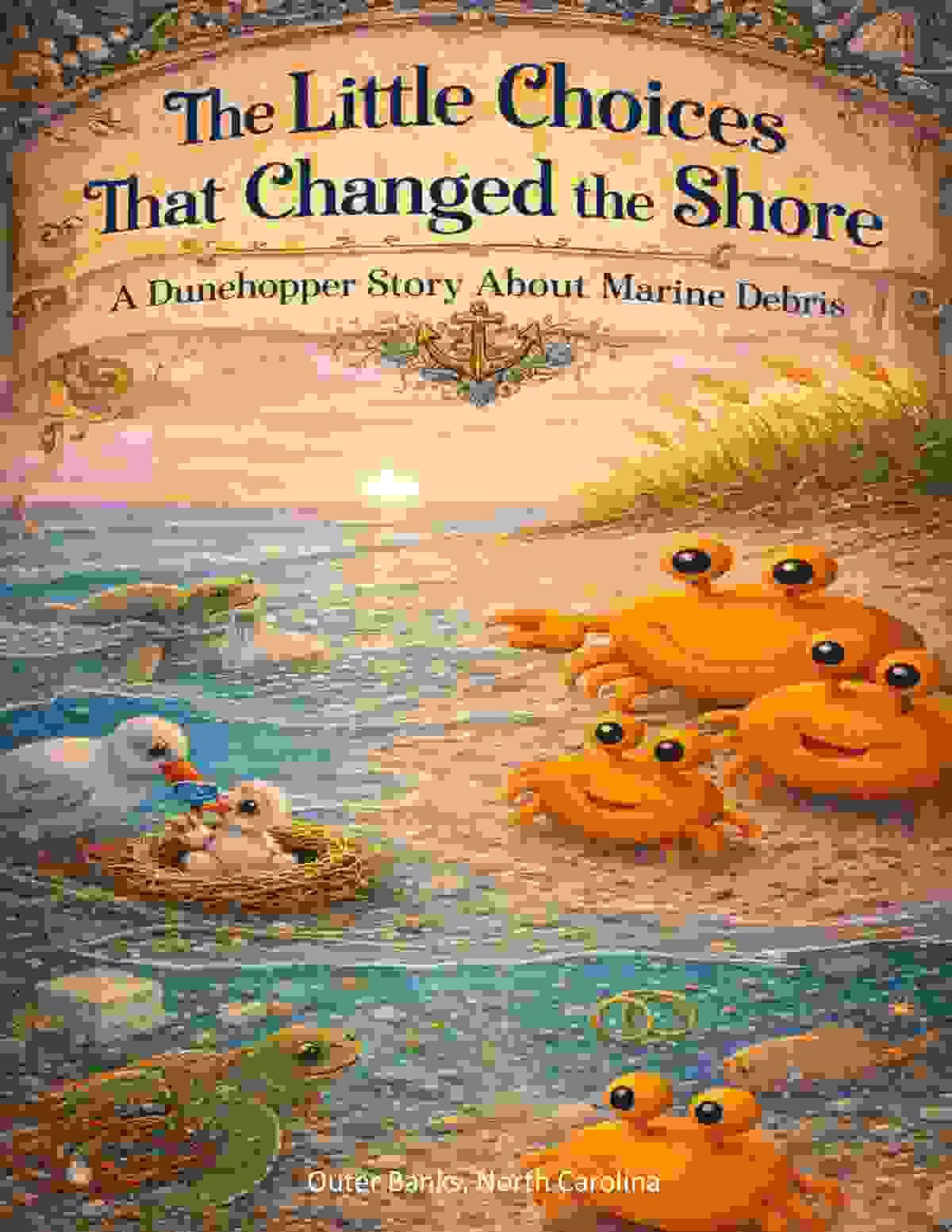
The Little Choices That Changed the Shore: A Dunehopper Story About Marine Debris follows the Dunehopper family on the Outer Banks as they discover marine debris along the beach and learn how everyday human actions can harm ocean life. Through gentle storytelling and clear examples, the crabs explore where marine debris comes from, how it affects animals like turtles and birds, and why plastic never truly goes away. Guided by family, school lessons, and community action, they learn to lead by example—using reusable items, cleaning up beaches, educating others, and speaking up for better policies. The story shows that while marine debris is a people-made problem, it is also a people-solvable one, and that even small, thoughtful choices can protect the shore and keep the ocean healthy.
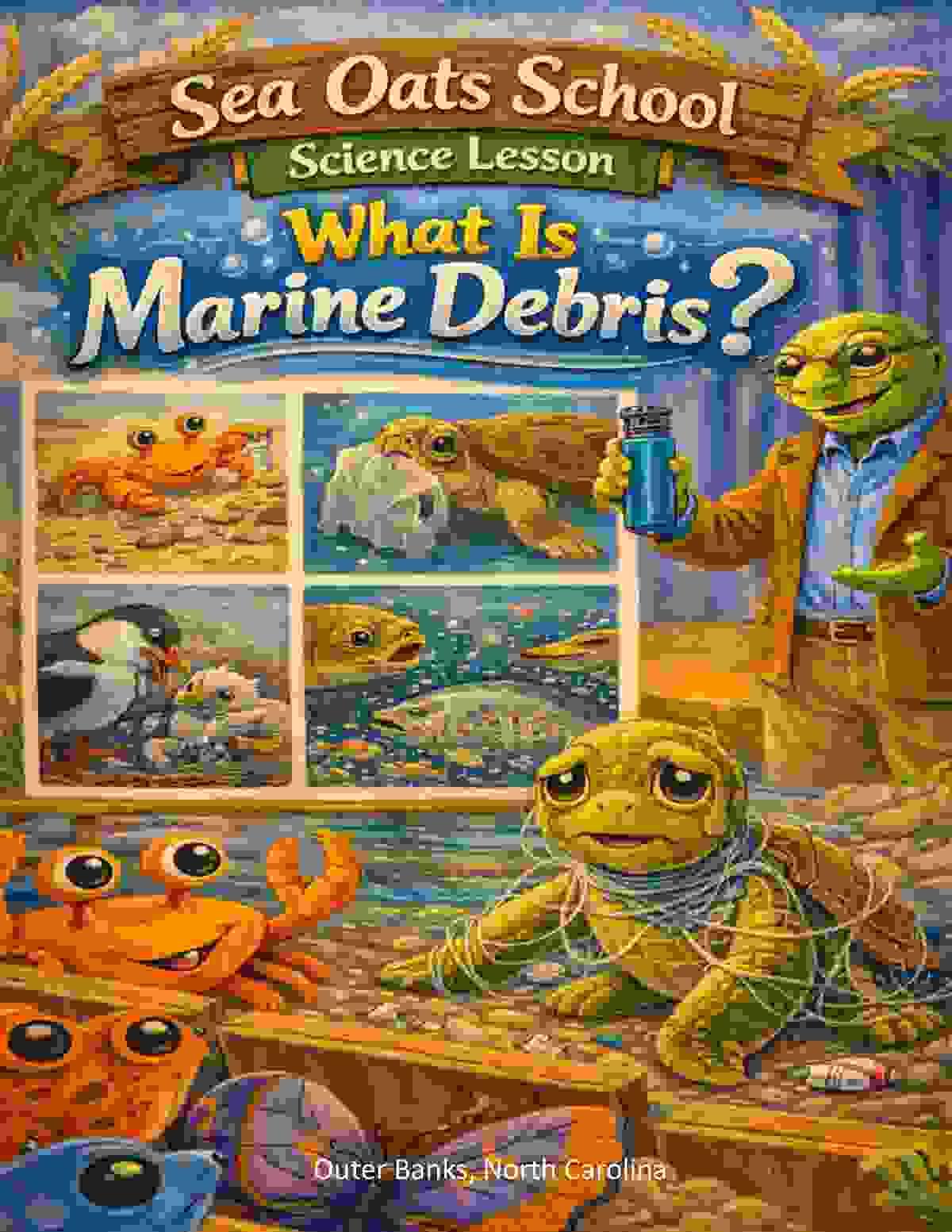
Sea Oats School Science Lesson: What Is Marine Debris? is a children's story set on the Outer Banks where Scoot Dunehopper and his friends discover trash mixed into their beach and learn how it got there. Guided by Professor Green at Sea Oats School, the students explore what marine debris is, where it comes from, why it harms wildlife and habitats, and how even tiny pieces can last a long time in nature. Through clear explanations, relatable examples, and hopeful actions families can take at the beach, at home, and in the community, the story shows that marine debris is a people problem—but one people can fix—reminding readers that small choices add up to healthier shores for everyone.
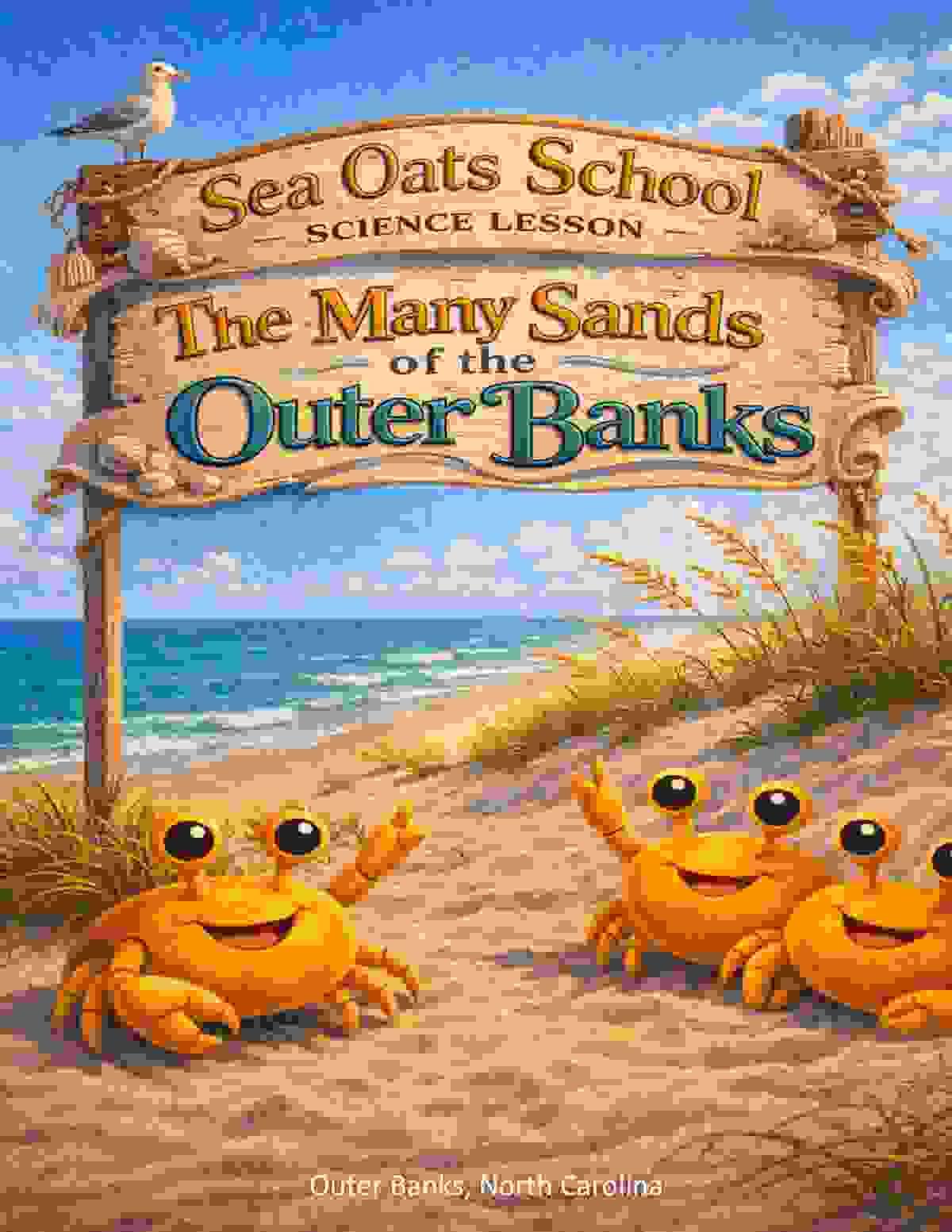
Sea Oats School Science Lesson: The Many Sands of the Outer Banks is a children's science story that follows the Dunehopper family as they attend a lesson with Professor Sandstone to discover why sand looks and feels different across the Outer Banks. Through lively dialogue and vivid coastal scenes, young readers learn about ocean beach sand, silky dune sand, crunchy shell-rich sand, darker soundside and estuarine sand, and even human-altered sand from beach nourishment. The story explains how wind, waves, plants, rivers, and time shape every grain, while gently teaching why dunes matter and how beaches are living, changing systems. Blending accurate coastal science with warmth, curiosity, and conservation values, the book helps children understand both the magic of the Outer Banks and their role in protecting it.
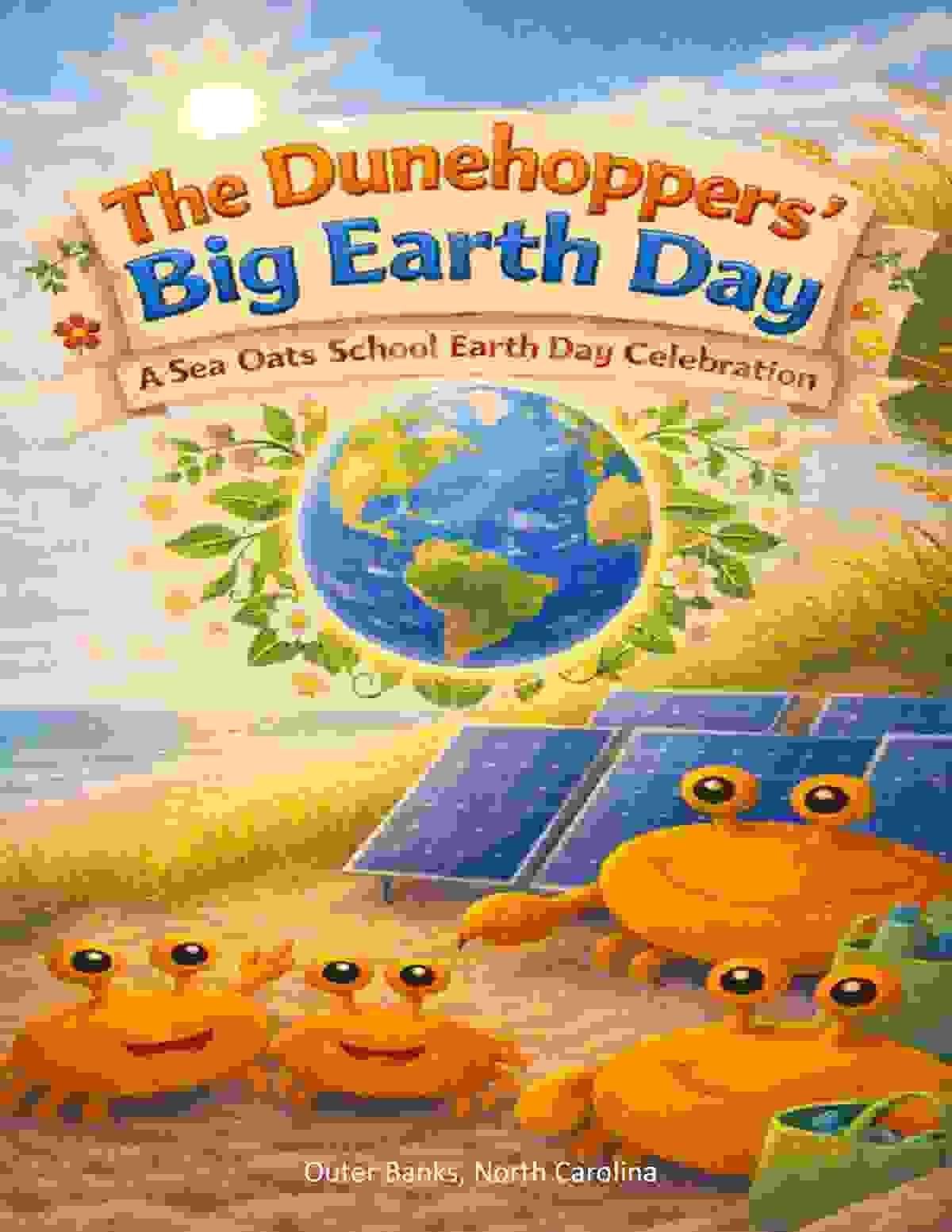
The Dunehoppers’ Big Earth Day: A Sea Oats School Earth Day Celebration follows the Dunehopper family and their Sea Oats School friends on the Outer Banks of North Carolina as they celebrate Earth Day through hands-on learning and caring actions. From installing solar panels at their burrow to cleaning the beach, planting native plants, exploring nature respectfully, reusing materials, and learning about wind and solar power, the characters discover how everyday choices protect wildlife and the coast they love. The story emphasizes stewardship, teamwork, and hope, showing young readers that small, thoughtful actions—like turning off lights, picking up litter, and respecting dunes—add up to a big difference for the planet, not just on Earth Day, but all year long.
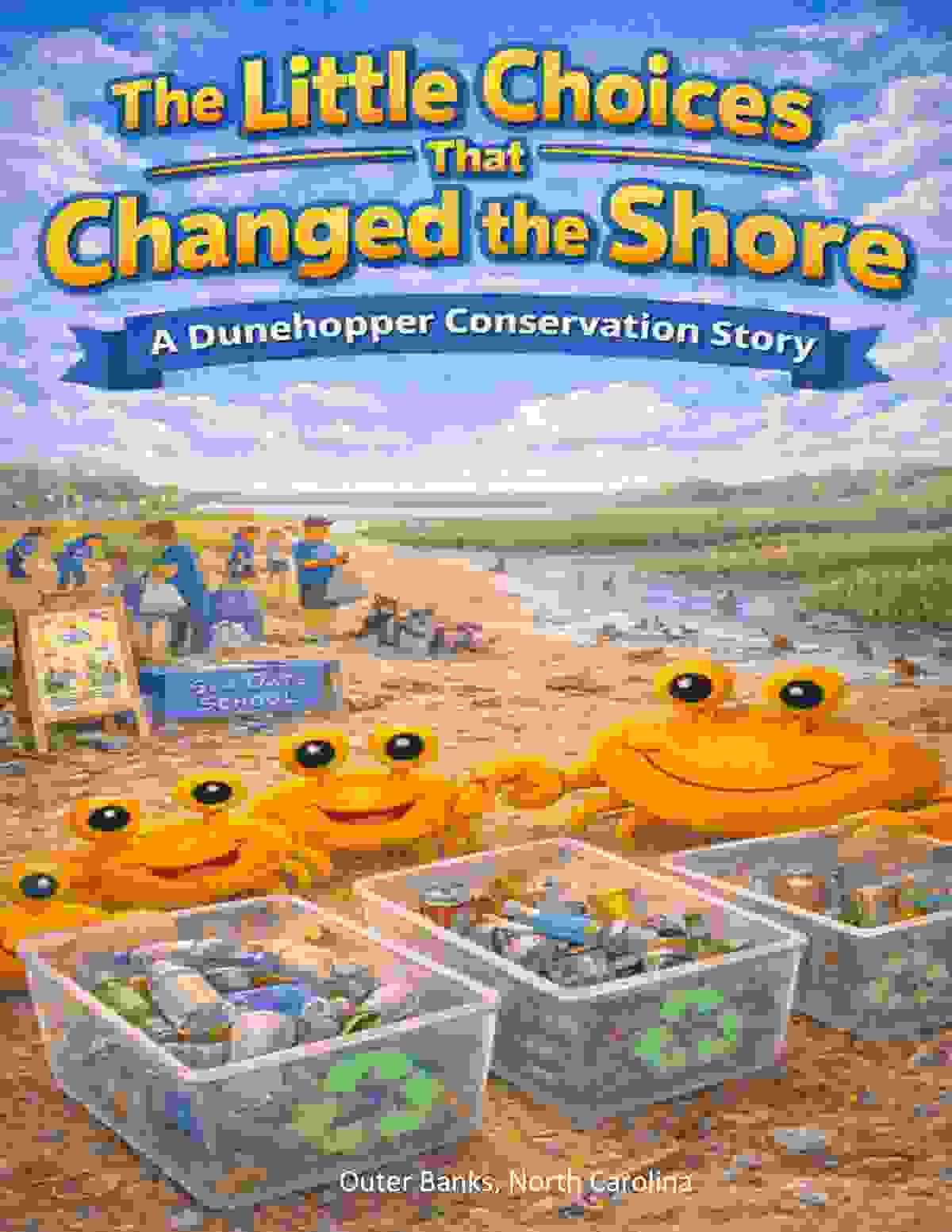
The Little Choices That Changed the Shore: A Dunehopper Conservation Story follows the Dunehopper family on the Outer Banks of North Carolina as they discover plastic pollution mixed among shells along the beach. When Scoot notices litter in the wrack line, Mama and Papa explain how single-use plastics travel through storm drains, creeks, and the Sound before reaching the ocean, where they break into harmful microplastics that affect wildlife and the food chain. Determined to help, the Dunehoppers lead by example—switching to reusable items, sewing canvas bags, supporting local farmers, educating classmates at Sea Oats School, writing letters to companies, and organizing cleanups. Through small, practical actions and community advocacy, they show that everyday choices—especially when shared with others—can protect barrier islands and prove that even little crabs can make a big difference.
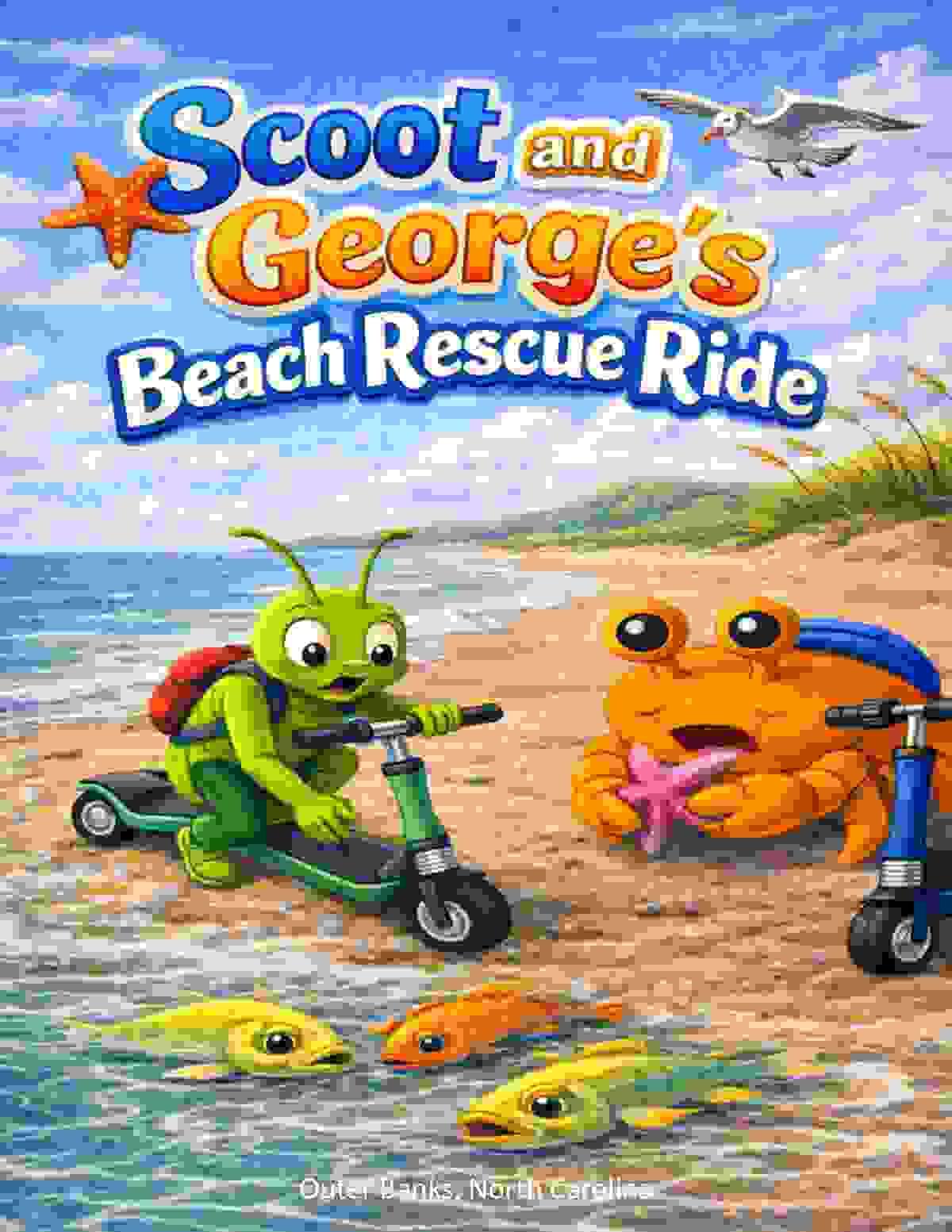
In Scoot and George's Beach Rescue Ride, Scoot the ghost crab and his best friend George the grasshopper enjoy the first signs of spring on the Outer Banks of North Carolina by riding their electric scooters along the beach. During their ride, they discover several stranded starfish that were washed ashore by the tide and gently return them to the ocean. Soon after, they find fish struggling on the sand and realize the animals may be cold-stunned from unusually cold winter water temperatures. The friends carefully help the fish back into the water and talk about how different animals survive winter on the beach. As the sun sets, they race home feeling proud and happy because they helped protect ocean wildlife, showing that small acts of kindness can make a big difference for animals along the shore.
For Adults and Educators:
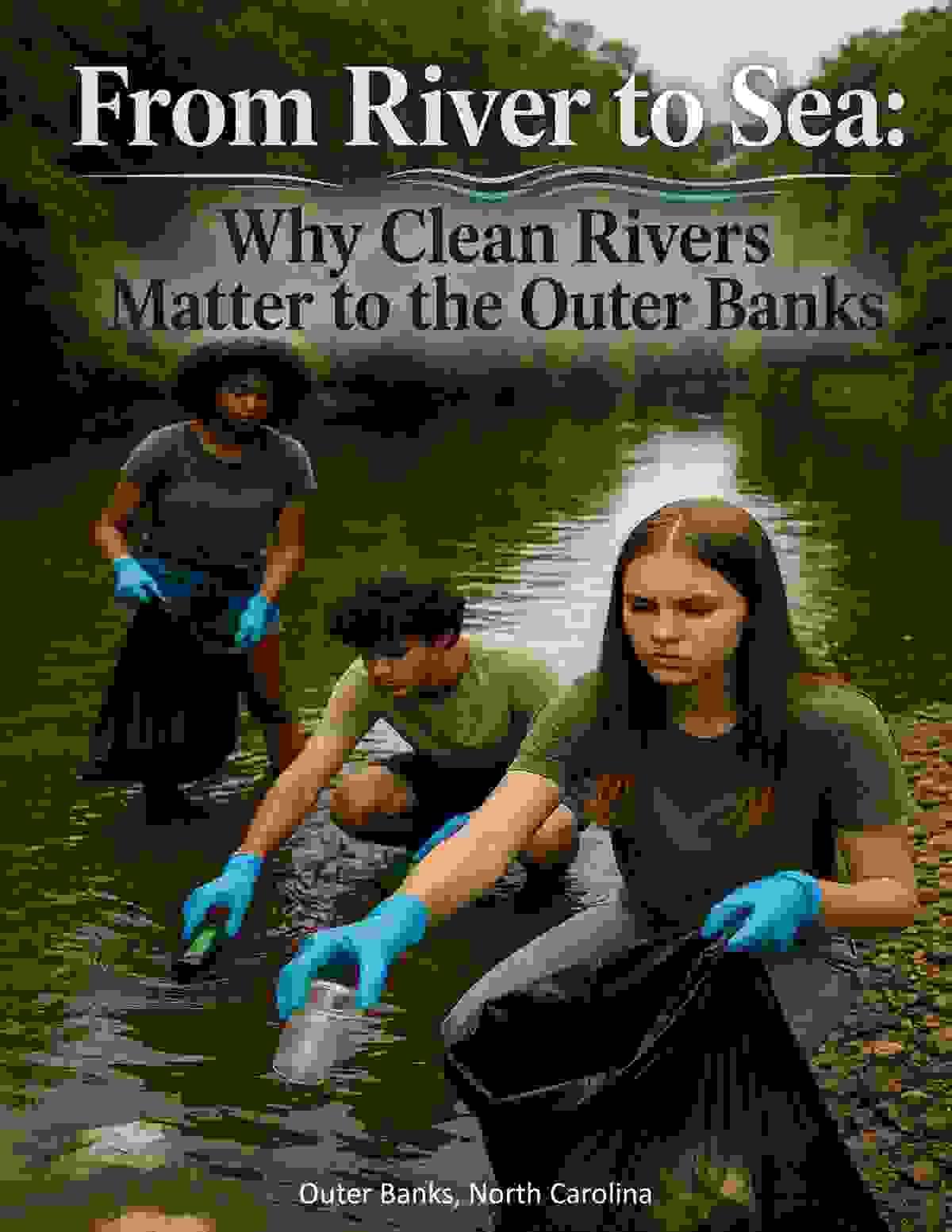
This book explains how protecting inland rivers directly impacts the health of the Outer Banks’ beaches, wildlife, and ecosystems. It emphasizes what happens hundreds of miles inland—such as littering or chemical runoff—eventually affects the coastal environment.
Protecting the Outer Banks: Why Coastal Conservation Matters introduces readers to the unique barrier islands of North Carolina and explains why conserving their beaches, dunes, wetlands, and wildlife is essential. The book highlights threats such as litter, dune damage, wildlife disturbance, and irresponsible beach activities, while providing simple actions everyone can take—including following Leave No
Trace principles, respecting dunes and wildlife, filling beach holes, and volunteering. It emphasizes that protecting coastal habitats safeguards both wildlife and the communities that depend on the Outer Banks, encouraging readers to become everyday stewards of this remarkable coastline.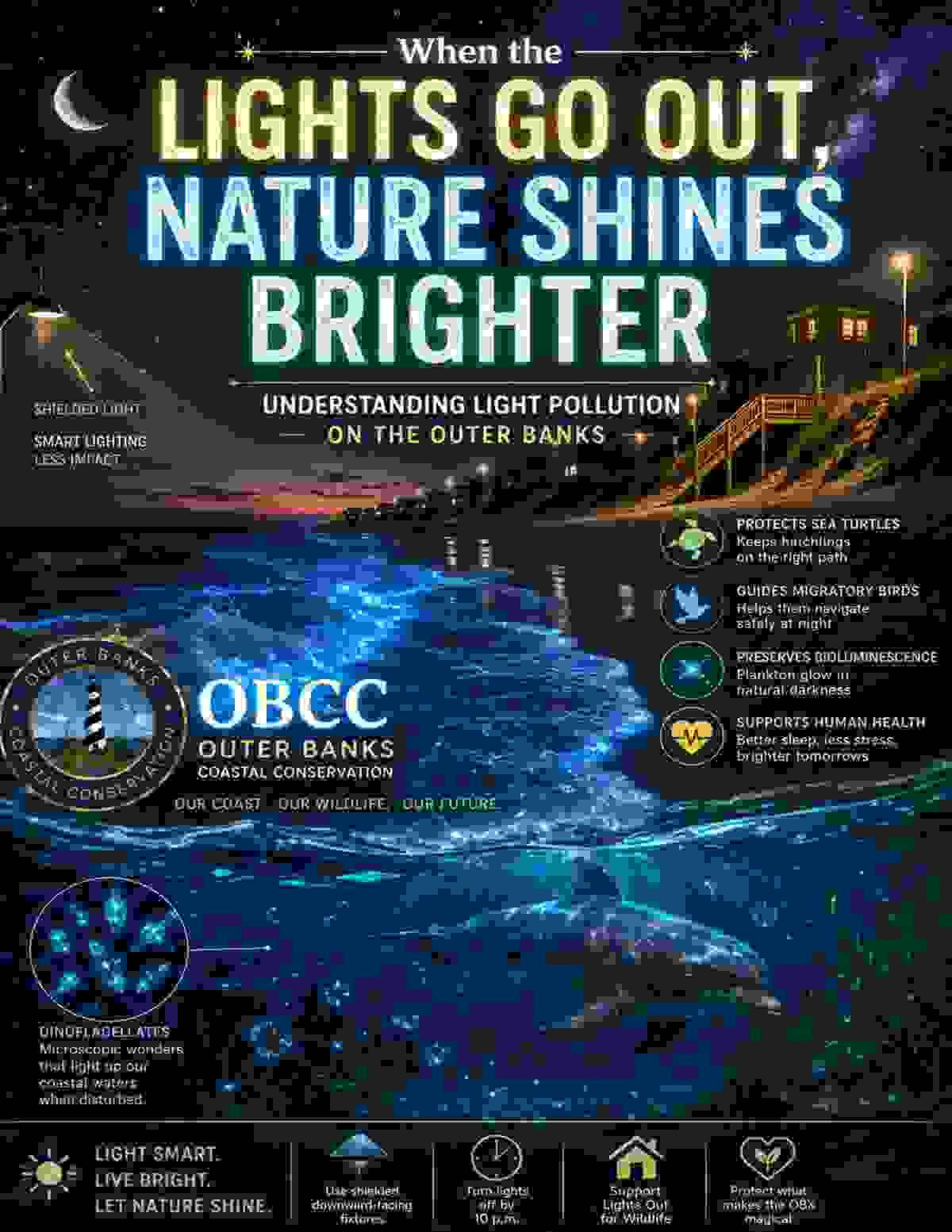
This book explains how artificial nighttime lighting affects the Outer Banks' fragile coastal ecosystems. It highlights the impacts on sea turtles, migratory birds, bioluminescent plankton, and human health, while explaining the science behind bioluminescence. The book offers practical solutions—such as using shielded, downward-facing lights, amber bulbs, motion sensors, and supporting "Lights Out for Wildlife" initiatives—to help protect wildlife, preserve natural dark skies, and keep the Outer Banks' nighttime
environment healthy for future generations.
This guide explains how fertilizers, pesticides, and other lawn chemicals can wash into the Pamlico Sound and Atlantic Ocean, harming water quality, seagrass, fish, shellfish, pollinators, and other wildlife. The guide
encourages simple, environmentally friendly practices—such as using compost, planting native species, reducing or eliminating chemical sprays, installing rain gardens and rain barrels, and maintaining healthy soil—to reduce runoff and protect the fragile coastal ecosystems of the Outer Banks. It emphasizes that small changes at home can help keep coastal waters healthy for future generations.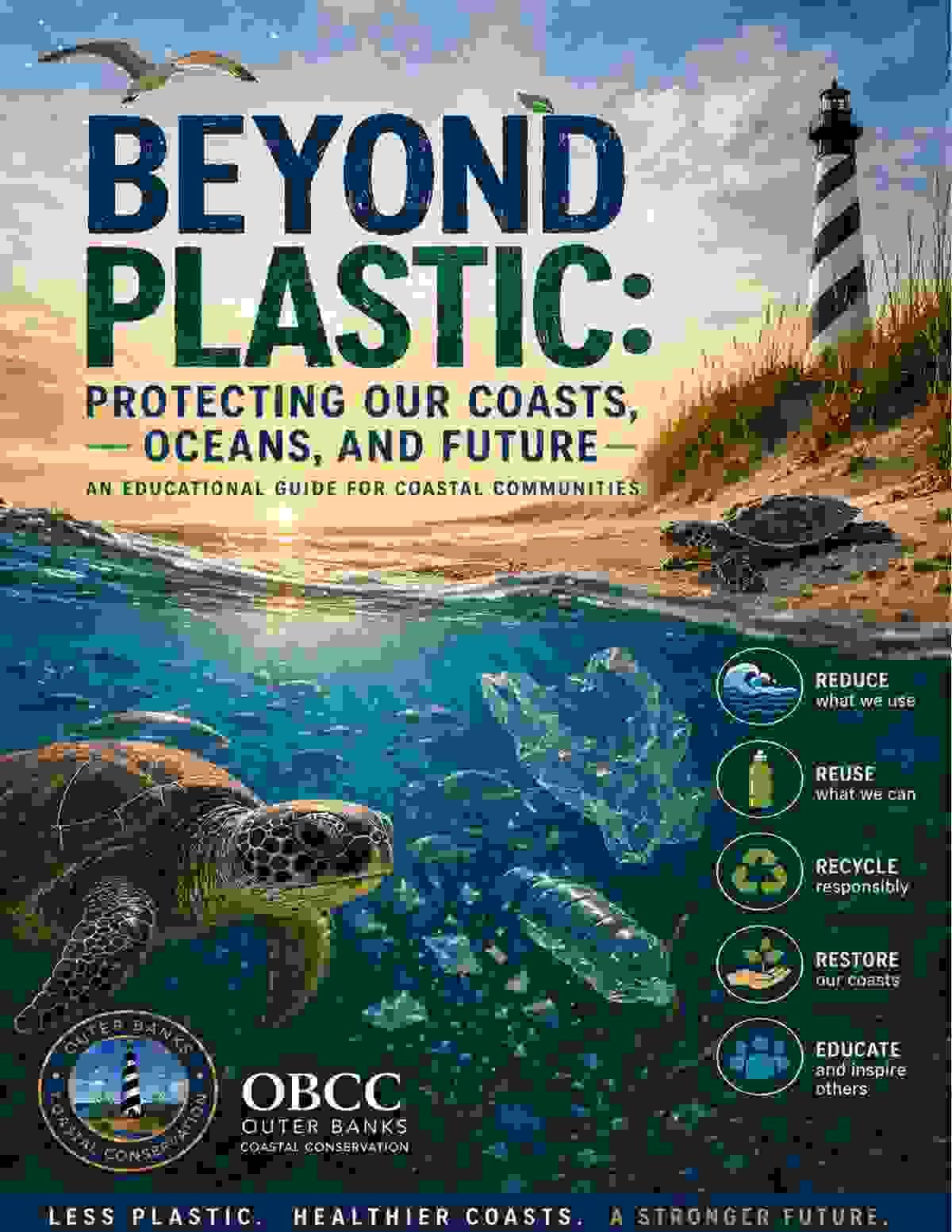
Beyond Plastic: Protecting Our Coasts, Oceans, and Future explains how plastic pollution threatens oceans, wildlife, and human health. It follows the journey of plastic from everyday use to rivers and the sea, where it breaks into harmful microplastics that enter the food chain. The guide highlights the impacts on
marine life, coastal habitats, and communities—especially in the Outer Banks—and emphasizes that local actions can make a global difference. It concludes with practical solutions, including reducing single-use plastics, recycling properly, choosing sustainable alternatives, supporting community initiatives, and participating in beach cleanups to help protect our coasts for future generations.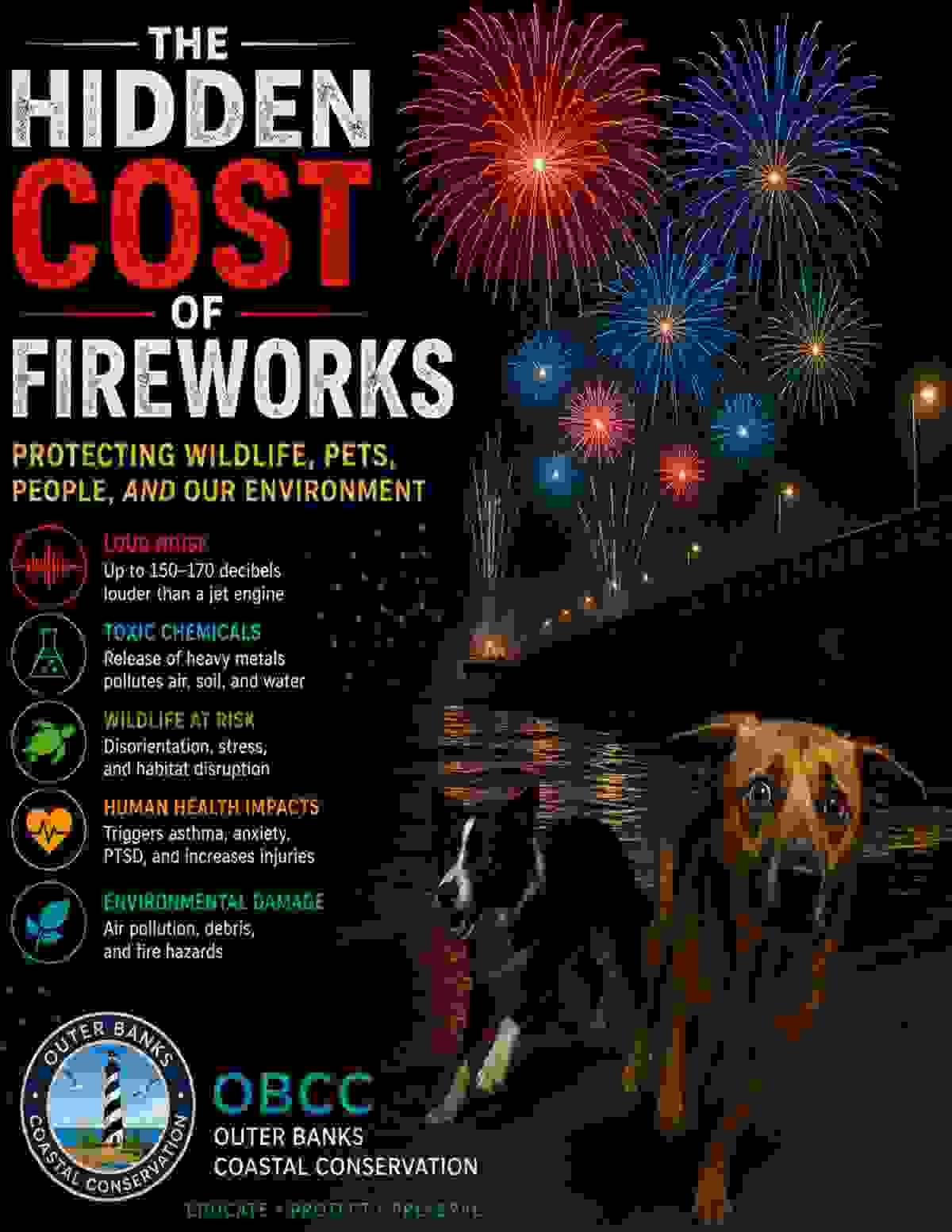
This guide educates the public about the environmental, health, and animal welfare impacts of fireworks — and to promote safer, eco-friendly celebrations.
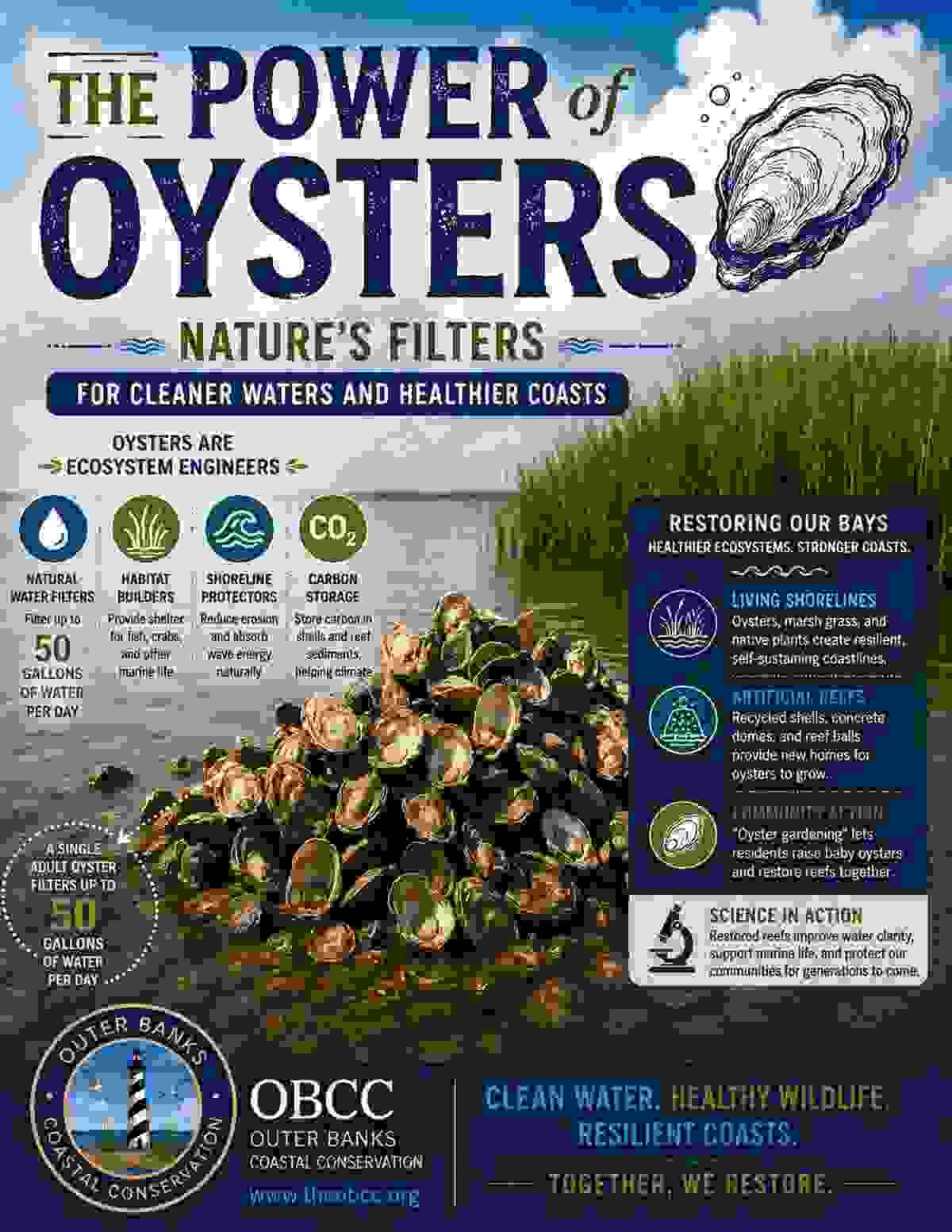
This book explains how oysters are essential to healthy coastal ecosystems. By filtering up to 50 gallons of water per day, oysters improve water quality, create habitat for marine life, reduce shoreline erosion, and store carbon. The book describes how pollution, nutrient runoff, sediment, and habitat loss lead to cloudy water, algal blooms, oxygen depletion, and dead zones. It highlights oyster reef restoration, living shorelines, and community conservation efforts as effective solutions, while encouraging simple actions—such as reducing runoff, recycling oyster shells, supporting restoration projects, and participating in
cleanups—to help protect the Outer Banks' waters and wildlife.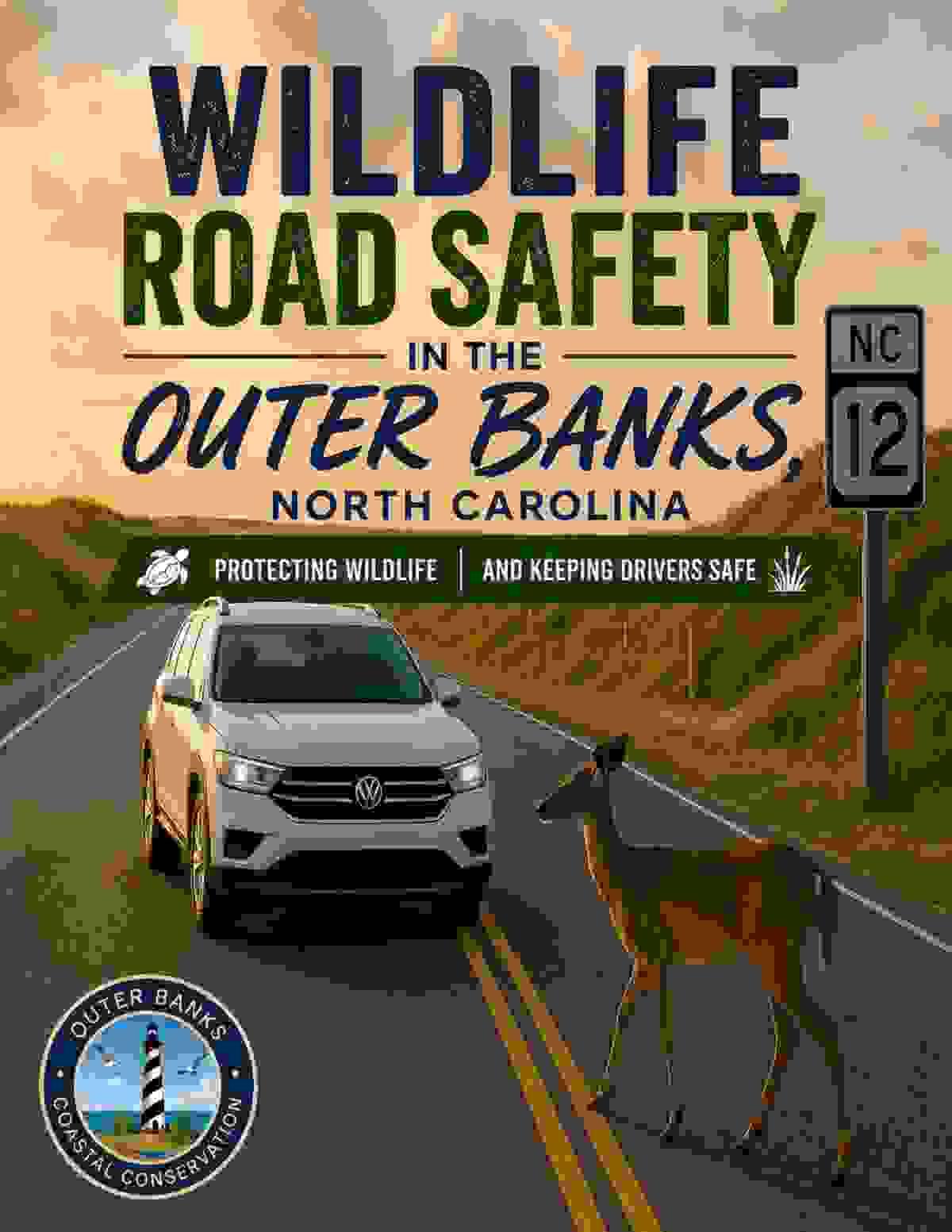
This guide promotes safe driving practices to protect local wildlife along North Carolina’s Outer Banks. It serves as an educational resource for residents, visitors, and teachers, emphasizing that careful driving helps preserve the area’s biodiversity.
Key Messages:
Drive slow, stay alert, protect wildlife.
Roads cut through sensitive habitats — slowing down prevents collisions with animals crossing between wetlands, dunes, and forests.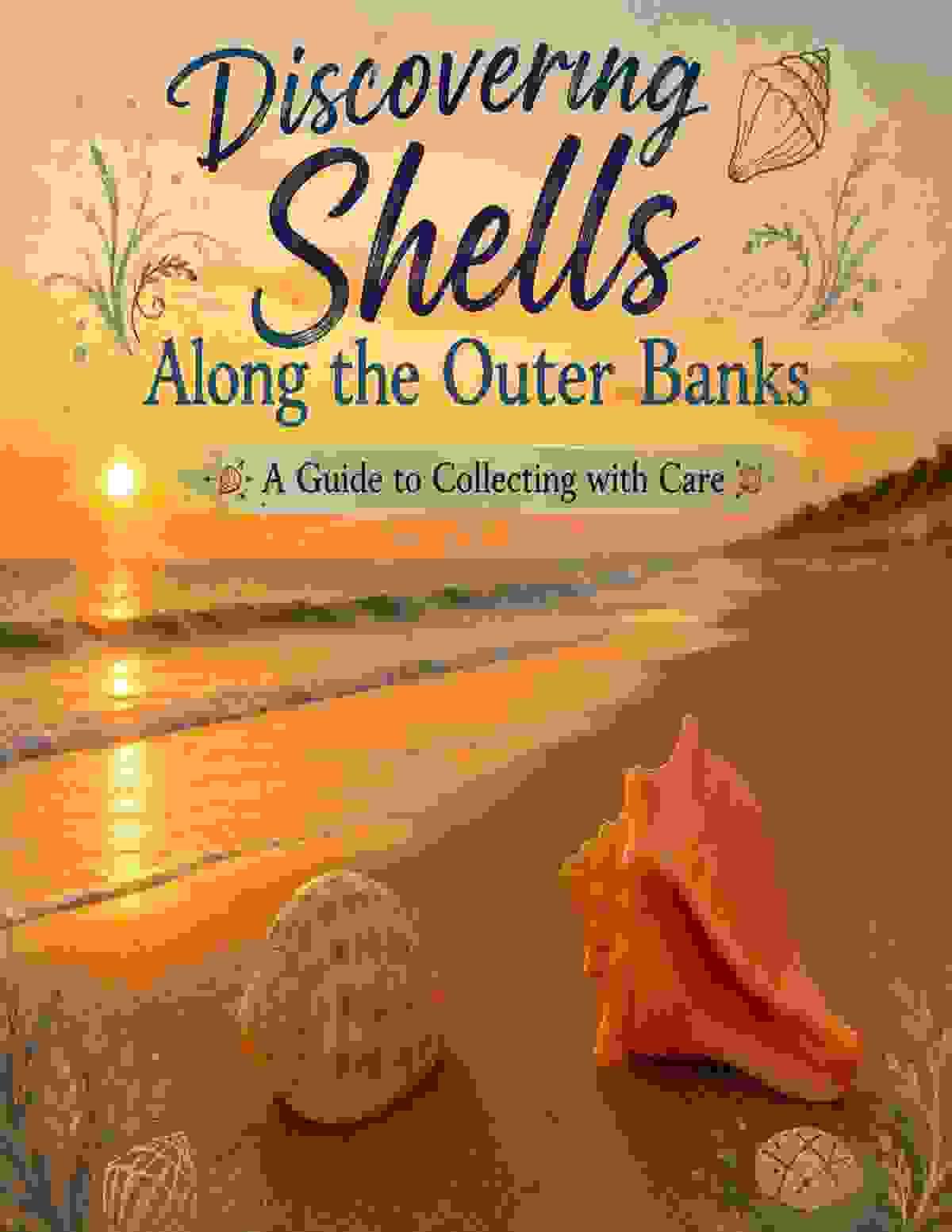
This guide promotes responsible shell collecting on North Carolina’s Outer Banks. It emphasizes environmental stewardship, respect for marine life, and community participation in coastal conservation.
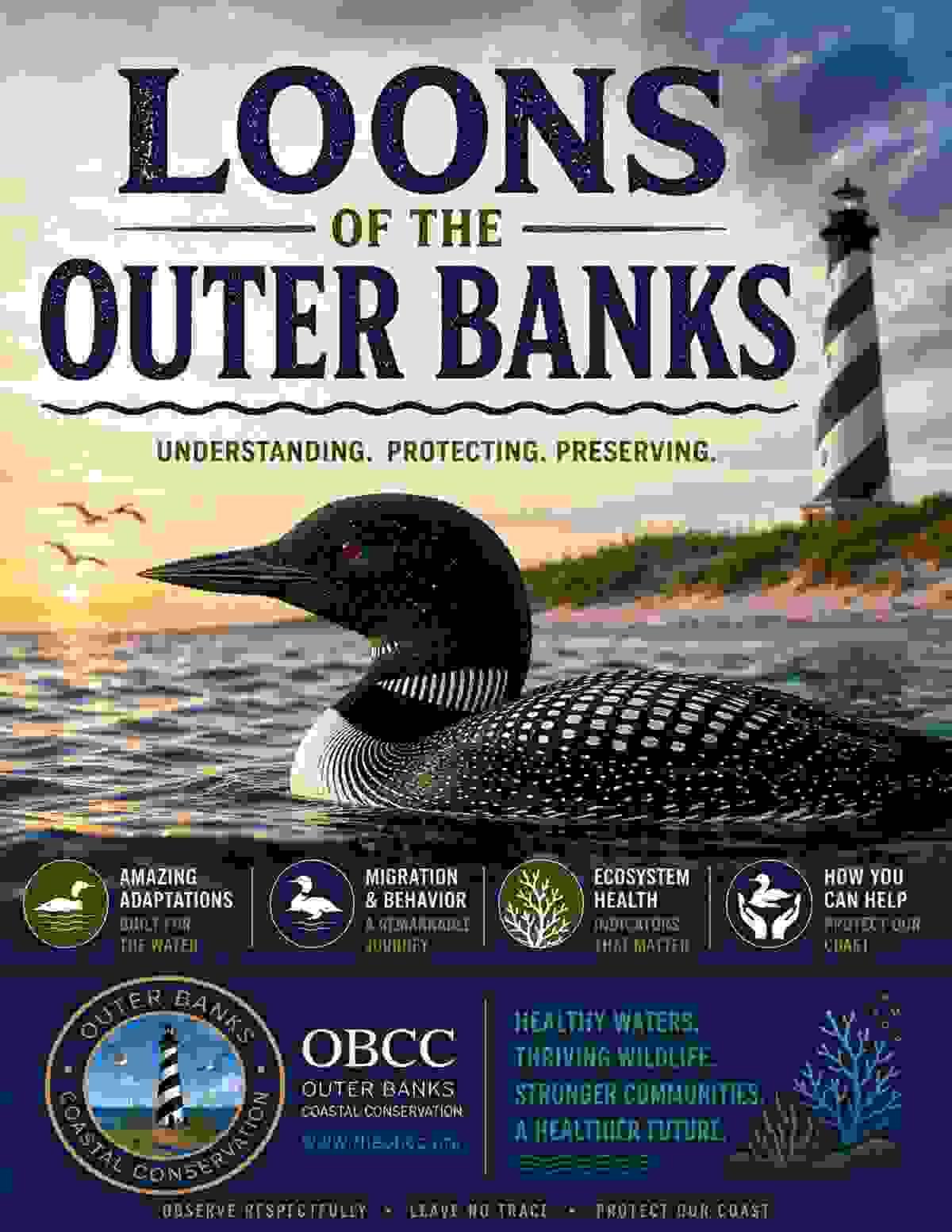
Discover the remarkable loons that winter along North Carolina's Outer Banks. Learn about their migration, unique adaptations, and role as indicators of healthy coastal ecosystems. The guide explains how to safely observe loons, recognize when they need help, understand threats such as lead fishing tackle, pollution, and habitat disturbance, and take simple conservation actions—like using non-lead tackle, properly disposing of fishing line, keeping pets leashed, and supporting clean beaches—to help protect these iconic coastal birds.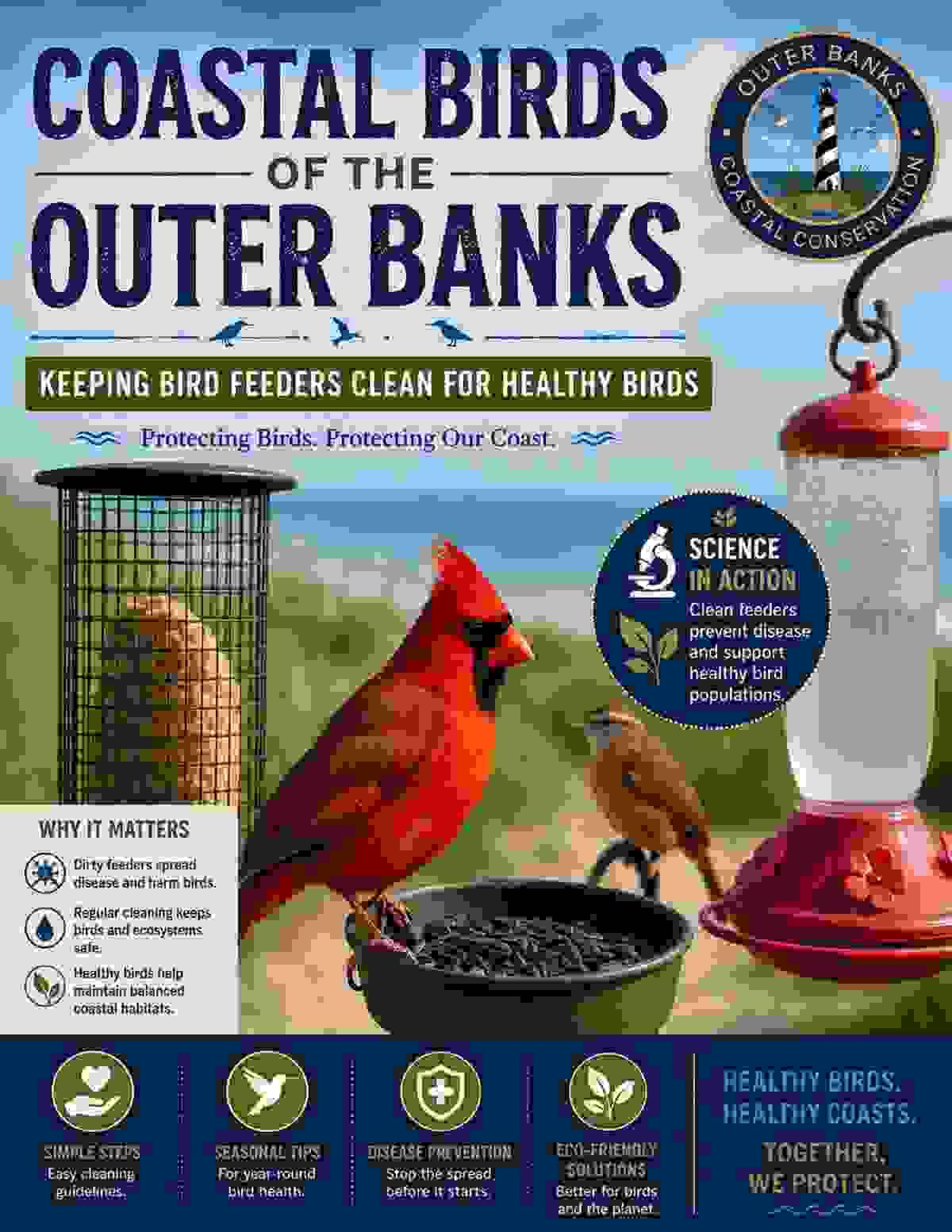
This book explains how proper bird feeder maintenance helps protect the Outer Banks' diverse bird populations from disease. It provides simple, science-based guidance for cleaning seed, suet, and hummingbird feeders, preventing mold and bacteria, choosing bird-friendly foods, and creating safe
feeding areas. The book also highlights common coastal bird species, seasonal feeding tips, and practical conservation actions that support healthier birds and coastal ecosystems.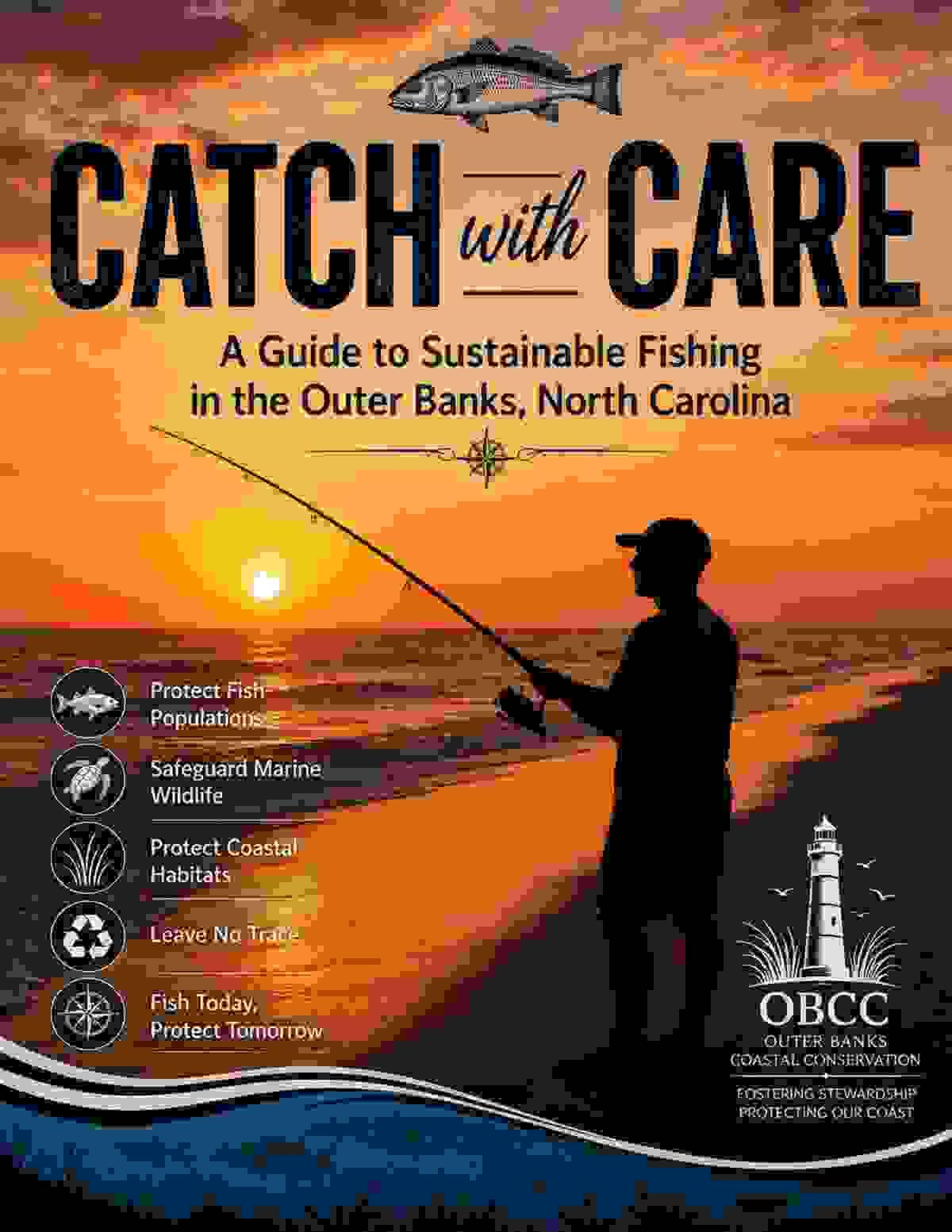
This guide explains how responsible fishing helps protect the Outer Banks' fish populations, marine wildlife, and coastal ecosystems. It encourages anglers to use fish-friendly gear such as circle or barbless hooks and non-toxic tackle, handle fish gently with wet hands, minimize air exposure, properly revive fish before release, and follow all size, bag, and seasonal regulations. It also emphasizes recycling fishing line, packing out trash, respecting dunes and nesting wildlife, and practicing ethical catch-and-release techniques so future generations can continue enjoying healthy fisheries and thriving coastal waters.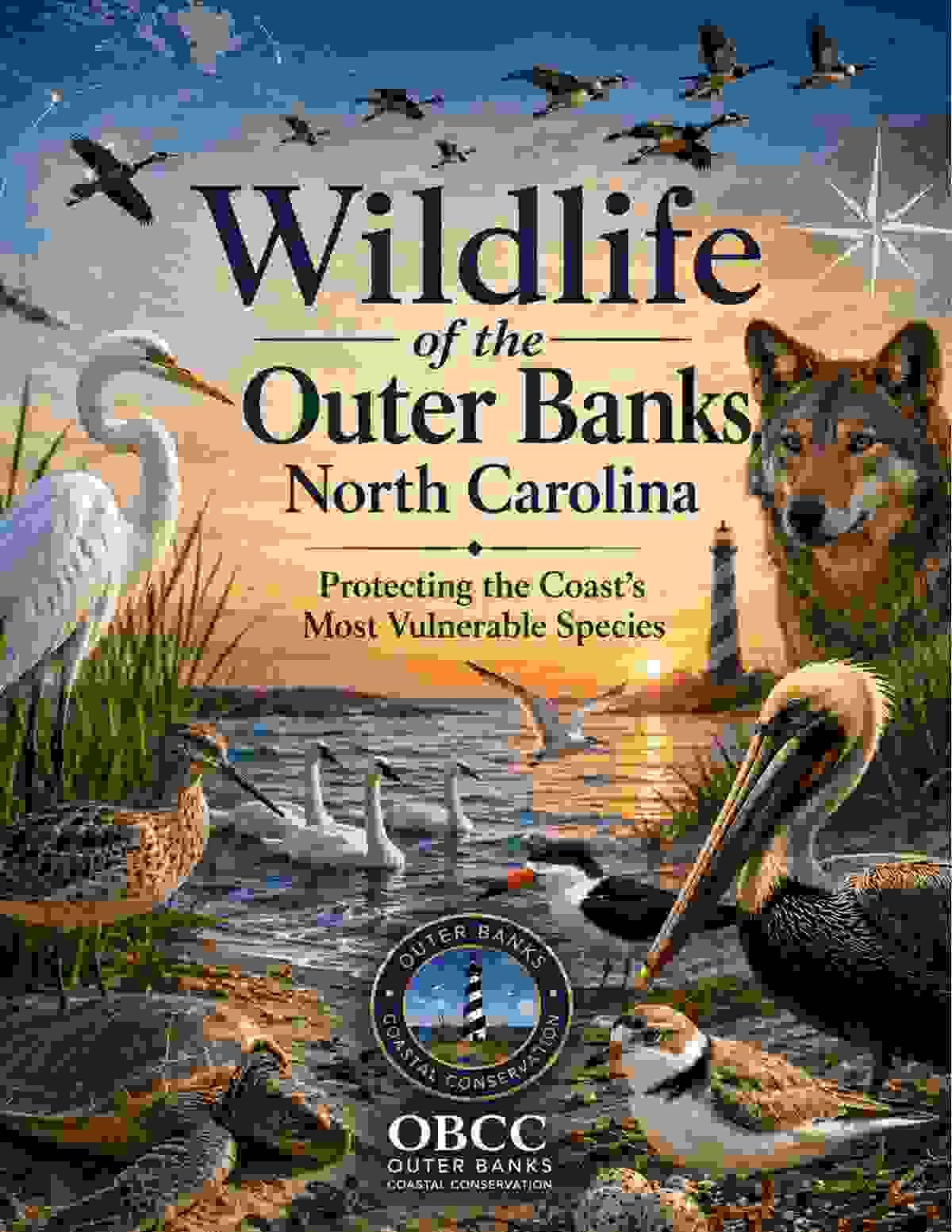
Discover the remarkable wildlife of North Carolina's Outer Banks and learn why protecting these iconic species is vital to the health of coastal ecosystems. This book highlights endangered and threatened animals—including sea turtles, piping plovers, red wolves, North Atlantic right whales, Eastern black rails,
manatees, roseate terns, and rufa red knots—explaining the threats they face, their ecological importance, and practical actions everyone can take to help conserve them. Through science-based information and conservation tips, the guide inspires readers to become stewards of one of America's most unique and
fragile coastal landscapes.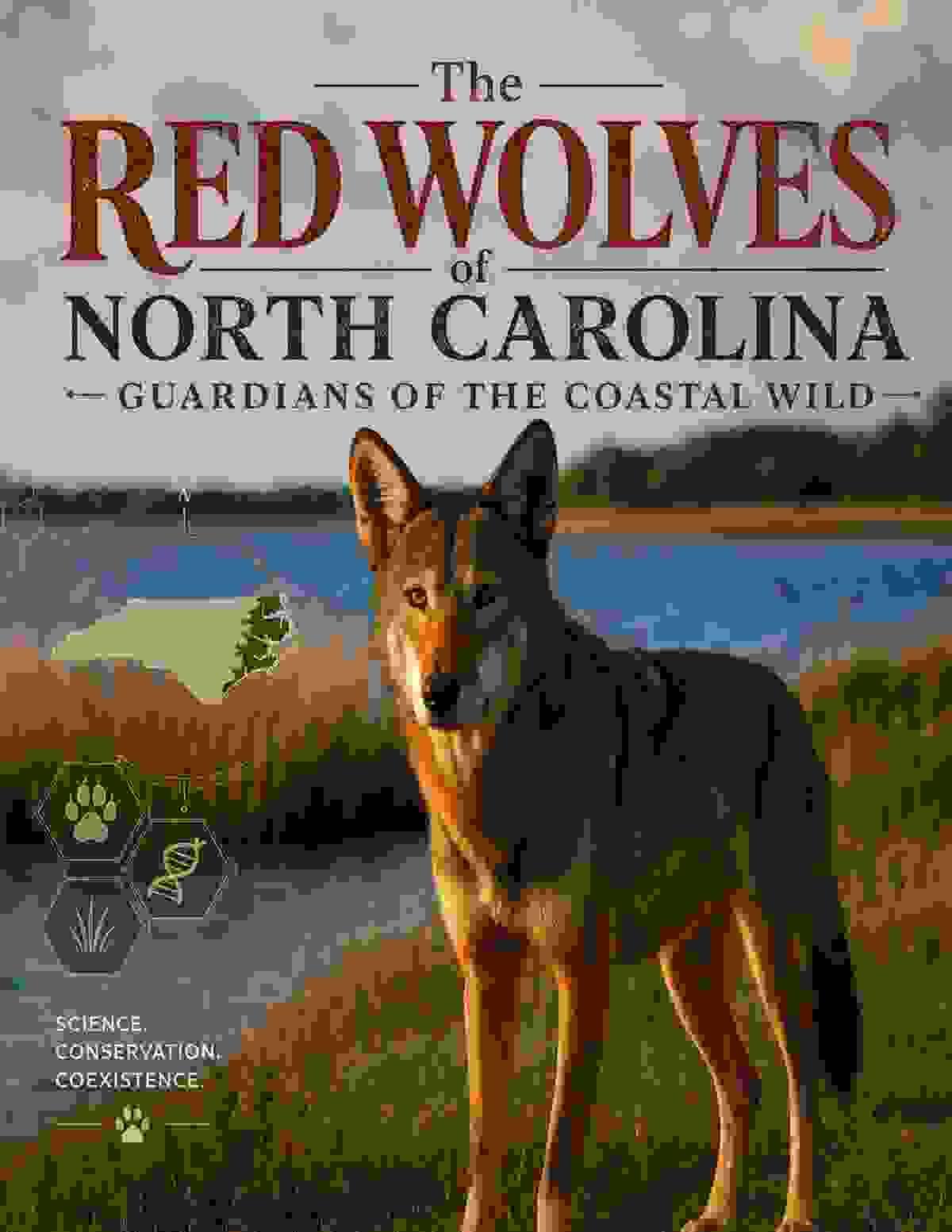
The Red Wolves of North Carolina: Guardians of the Coastal Wild explains the biology, history, and conservation of the critically endangered red wolf, the only wolf species native solely to the United States. Today, wild red wolves survive only on North Carolina's Albemarle Peninsula, where they inhabit forests, marshes, and coastal landscapes. The book describes their appearance, behavior, habitat, recovery from extinction in the wild, and the ongoing threats they face, including habitat loss, vehicle strikes, hybridization with coyotes, and human conflict. It also highlights conservation efforts and offers practical ways readers can help protect this iconic coastal predator.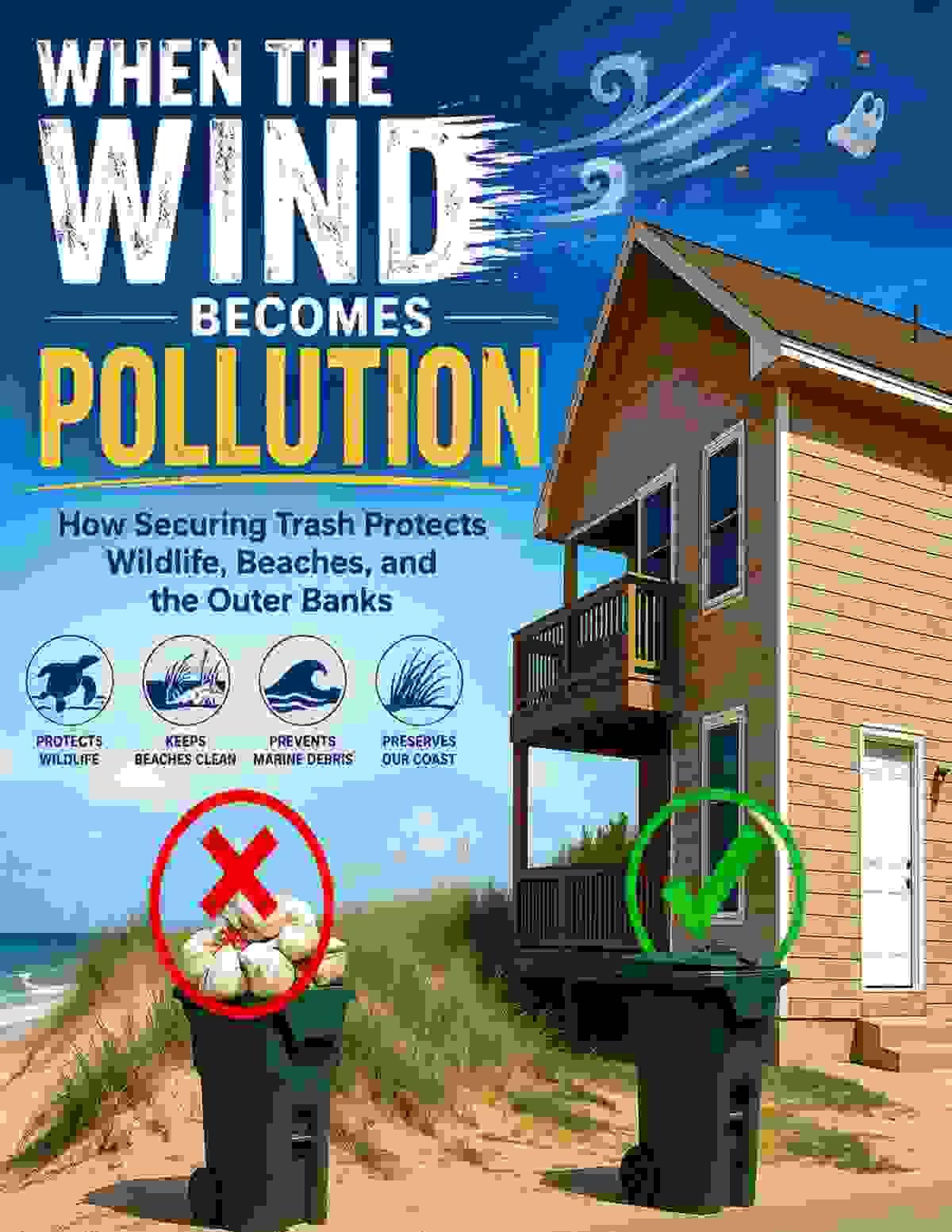
This book explains how the strong winds that make the Outer Banks unique can also turn unsecured trash into a serious environmental problem. The book encourages residents and visitors to secure their garbage to protect wildlife, beaches, and coastal ecosystems.
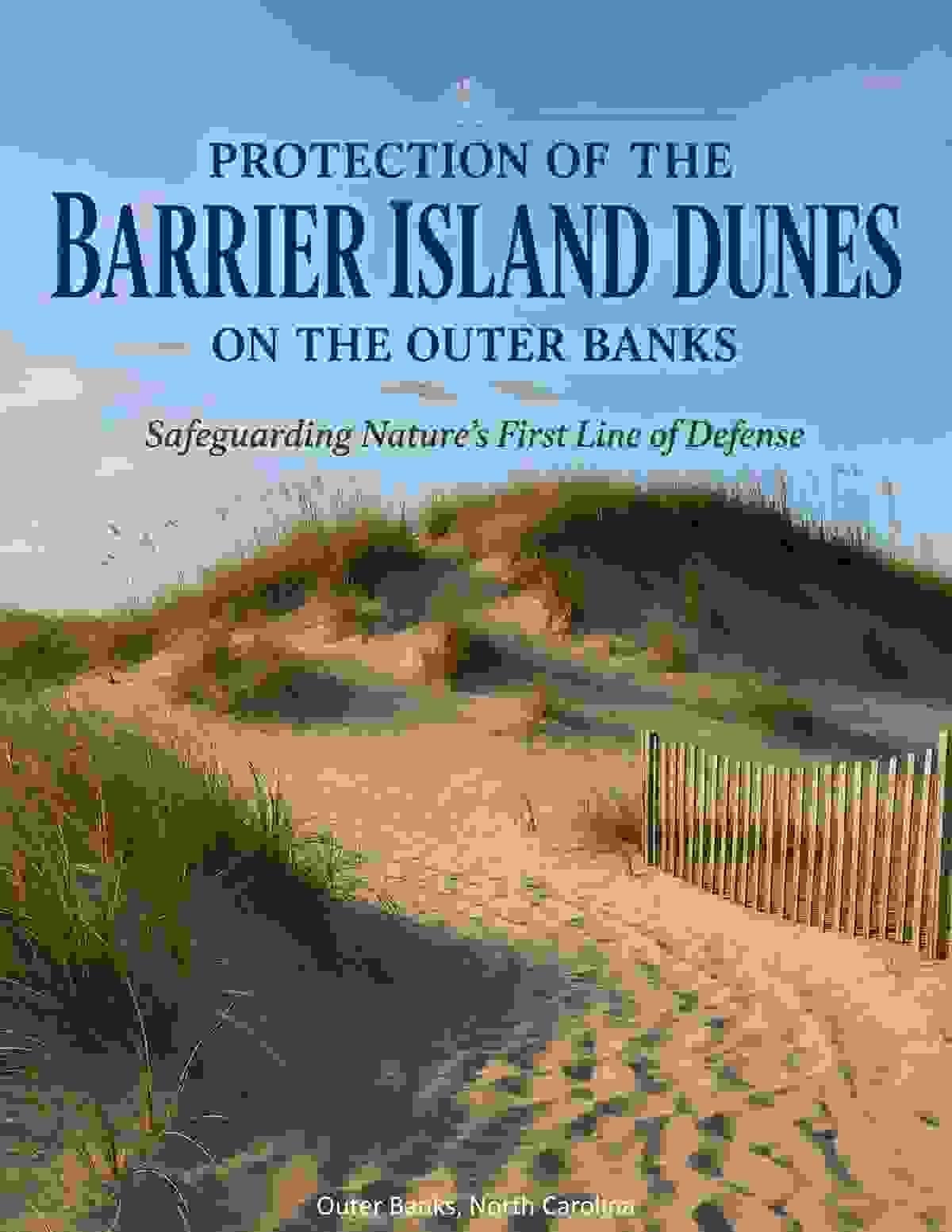
Protection of the Barrier Island Dunes on the Outer Banks: Safeguarding Nature's First Line of Defense explains how dunes—vital natural defenses formed by wind, waves, and vegetation—protect the coast from storms, erosion, and flooding while providing habitat for wildlife. It describes both naturally formed dunes and those reinforced by the Civilian Conservation Corps (CCC) in the 1930s–40s, emphasizing the threats they face from human activity, invasive species, and climate change. The guide outlines practical restoration strategies such as planting native dune grasses, installing sand fencing, limiting foot traffic, preserving natural debris, and rebuilding dunes after storms. It encourages residents and visitors to support conservation through responsible access, native landscaping, and community involvement, reminding readers that healthy dunes safeguard homes, roads, and ecosystems while maintaining the beauty and resilience of North Carolina’s Outer Banks.
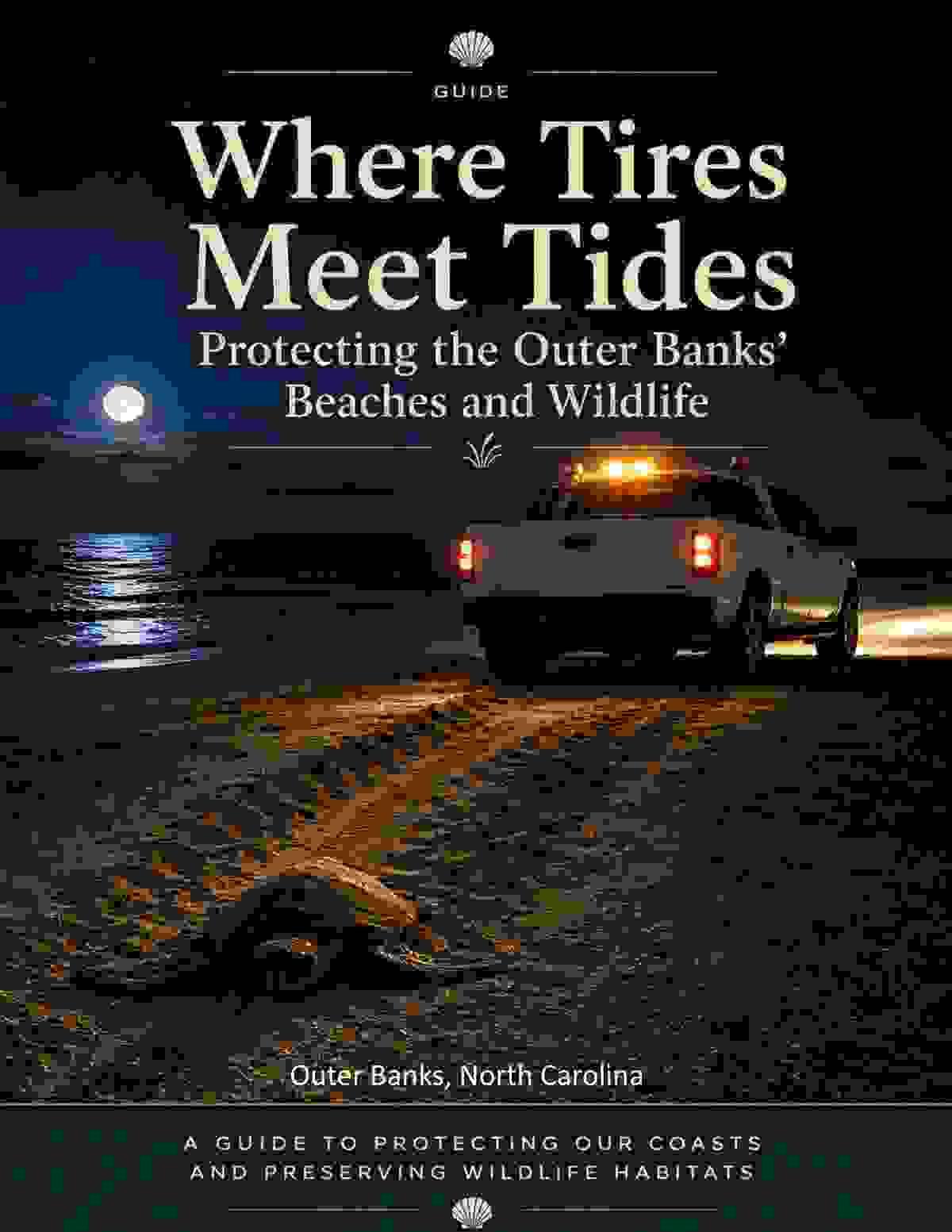
Beach driving is a long-standing Outer Banks tradition, but it poses serious threats to fragile coastal ecosystems and wildlife. Vehicle traffic compacts sand, destroys dune vegetation, and accelerates erosion, while headlights, tire ruts, and noise endanger sea turtles, shorebirds, and small invertebrates essential to the beach food web. Damaged dunes reduce natural storm protection and harm both habitats and tourism. To balance recreation with conservation, drivers should stay on designated routes, avoid dunes and nesting areas, limit speed, and avoid night driving. Local organizations like the National Park Service, NEST, Audubon North Carolina, and the North Carolina Coastal Federation work to protect wildlife reminding everyone that responsible driving and community stewardship can help preserve the Outer Banks’ beauty for generations to come.
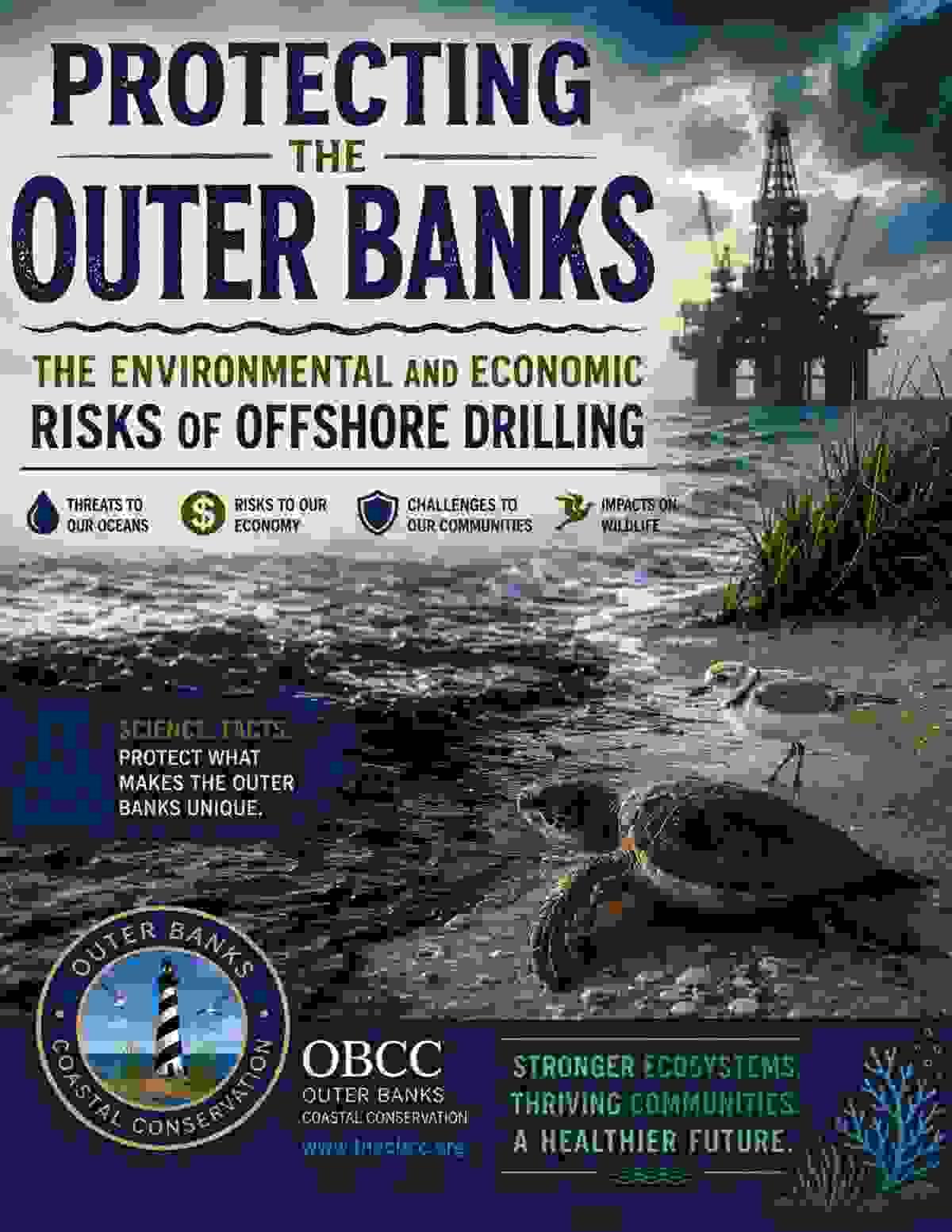
Learn why offshore drilling poses significant environmental and economic risks to North Carolina's
Outer Banks. This book explains how oil spills, chronic pollution, and seismic surveys can threaten marine wildlife, beaches, fisheries, tourism, and coastal communities. It also highlights the unique challenges of emergency response on the barrier islands, identifies vulnerable wildlife and protected habitats, and
outlines practical actions communities can take to help safeguard the Outer Banks' natural resources and coastal economy.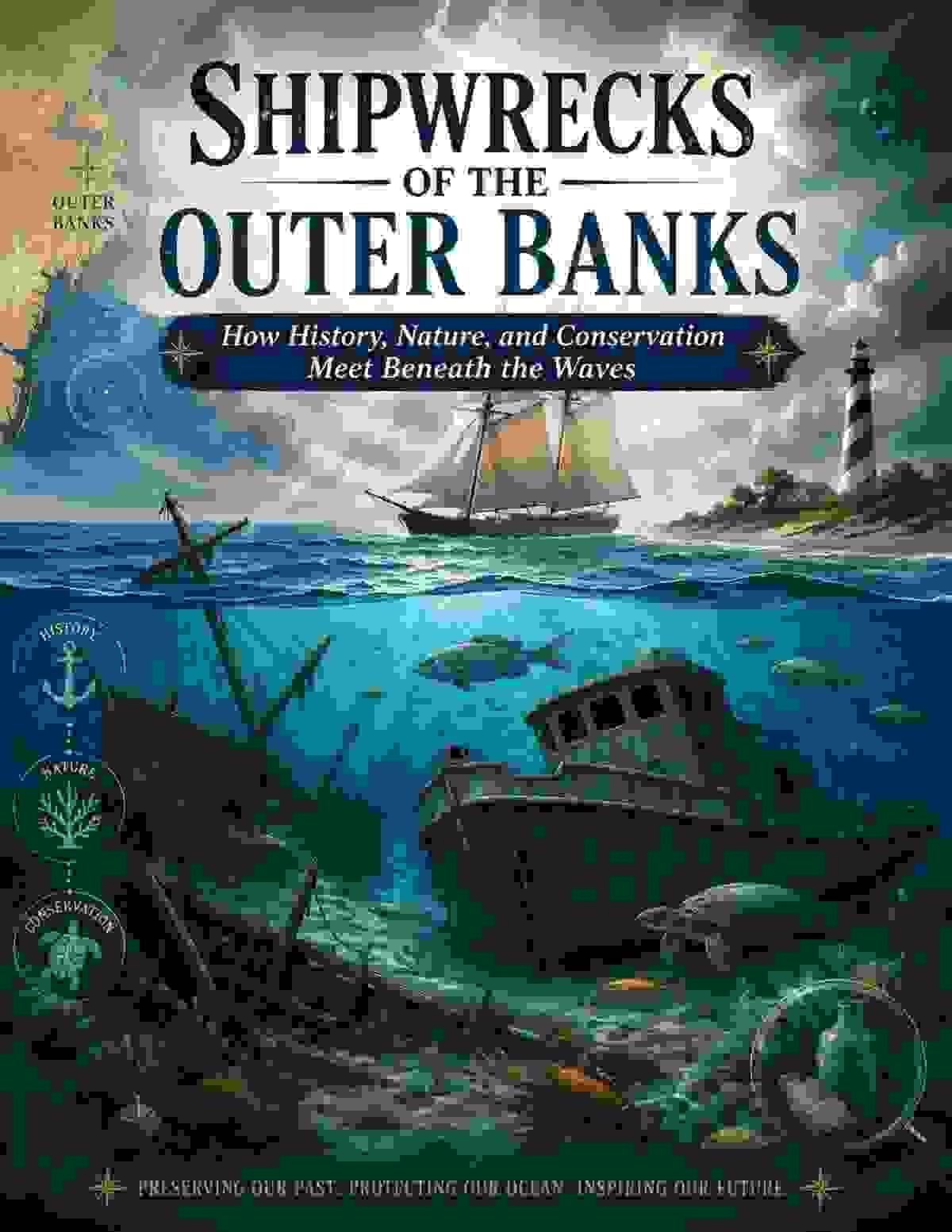
Discover why the Outer Banks are known as the "Graveyard of the Atlantic," where more than 2,000 shipwrecks preserve centuries of maritime history while serving as thriving artificial reefs for marine life. Learn how storms, erosion, conservation efforts, and responsible stewardship protect these underwater treasures, and explore how every visitor can help preserve this unique blend of history, science, and
coastal ecosystems for future generations.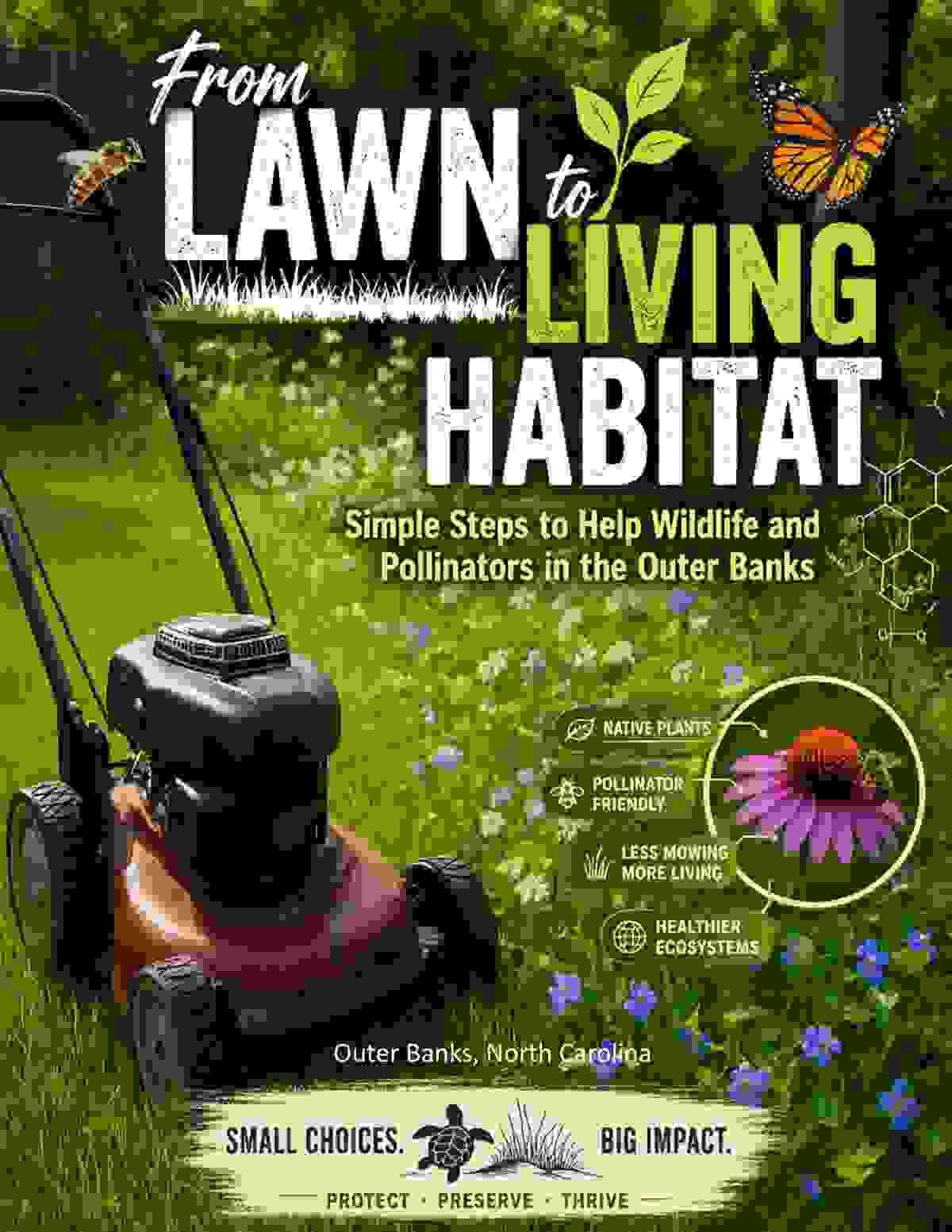
This book explains how homeowners can transform conventional lawns into thriving habitats that support biodiversity. It emphasizes reducing mowing frequency, avoiding chemical fertilizers and pesticides, and planting native species like seaside goldenrod, wax myrtle, and little bluestem suited to coastal North Carolina. The book encourages natural soil enrichment through compost and mulch, water conservation, and creating wildlife features such as bee hotels and birdbaths. It also highlights limiting light and noise pollution, practicing seasonal care, and engaging neighbors in pollinator-friendly practices. Ultimately, it connects backyard stewardship to broader ecosystem health—showing how small individual actions contribute to protecting dunes, marshes, and forests across the Outer Banks.
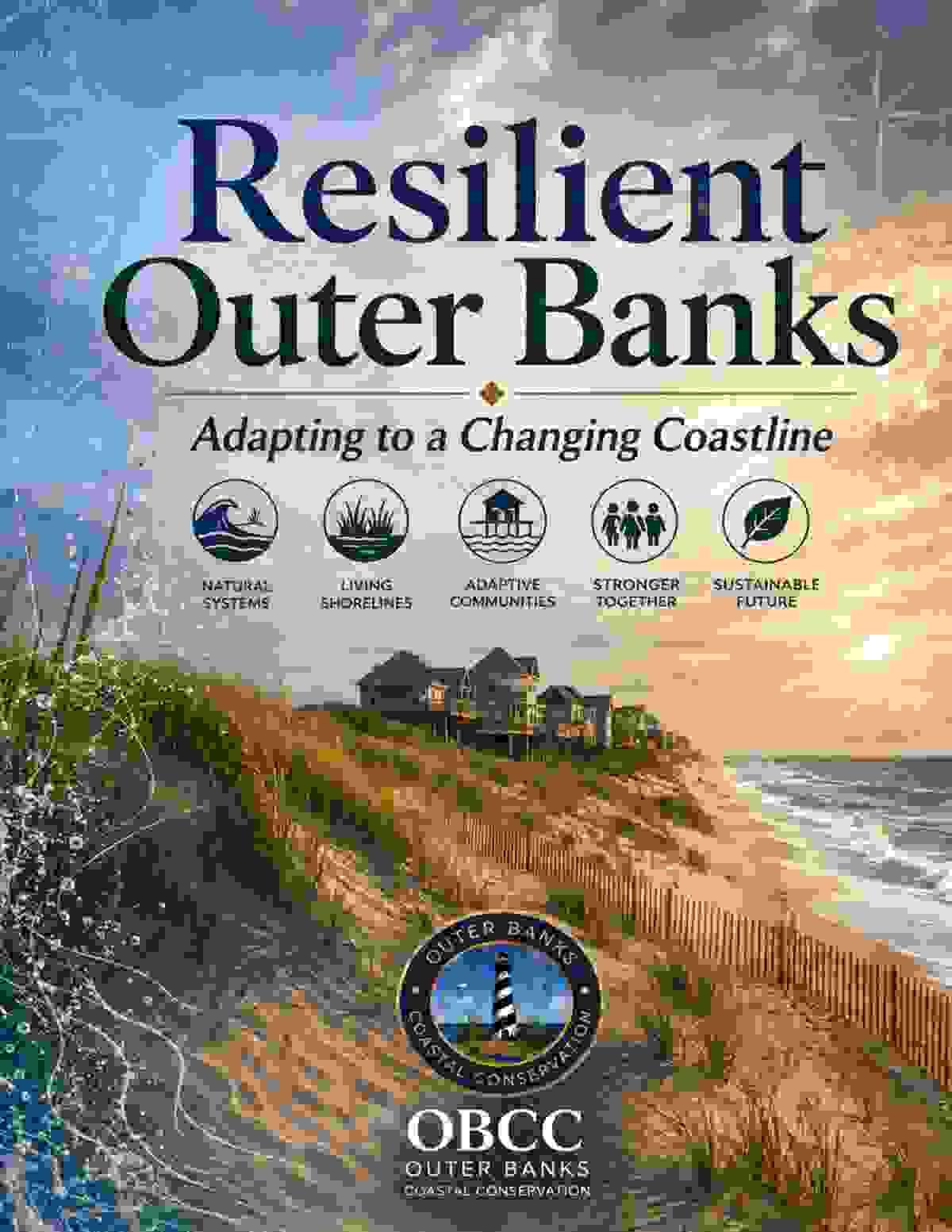
Resilient Outer Banks: Adapting to a Changing Coastline explains how the Outer Banks' barrier islands are constantly shaped by wind, waves, storms, and rising seas. Rather than resisting these natural processes, the book emphasizes science-based adaptation strategies that protect both coastal communities and ecosystems. It highlights nature-based solutions—including dune restoration, living shorelines, oyster reefs, wetlands, and green infrastructure—along with resilient planning, smarter development, and community preparedness. The book encourages residents and visitors to embrace resilience by working with nature
to help ensure the Outer Banks remain healthy, vibrant, and sustainable for future generations.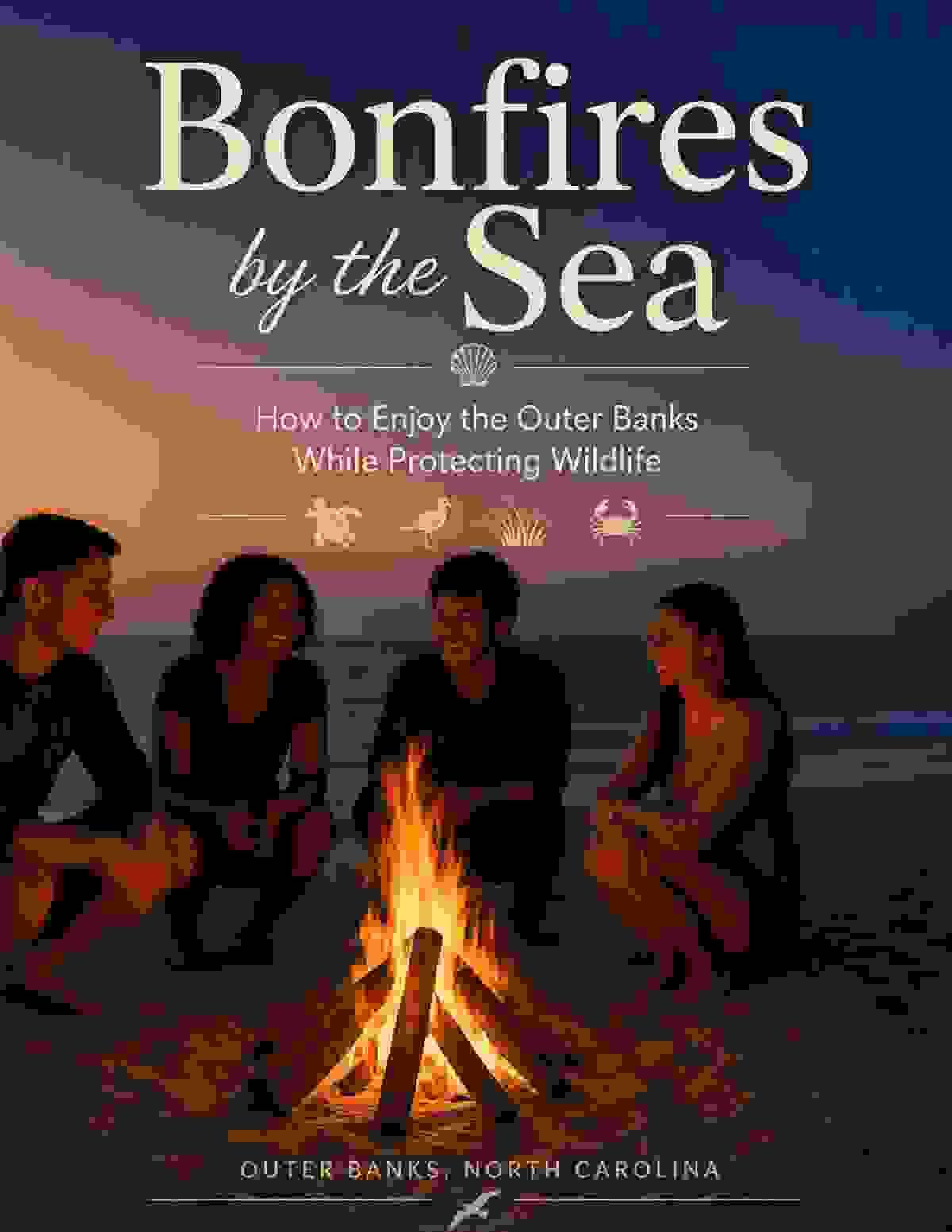
Bonfires by the Sea: How to Enjoy the Outer Banks While Protecting Wildlife guide explains how to enjoy traditional beach bonfires responsibly while protecting the fragile Outer Banks ecosystem. The guide details how bonfire light, heat, and debris can harm sea turtles, shorebirds, dune vegetation, and nocturnal species like ghost crabs. It promotes “Leave No Trace” practices—fully extinguishing fires, removing all waste, and avoiding bright lights or loud sounds—to minimize ecological disturbance.
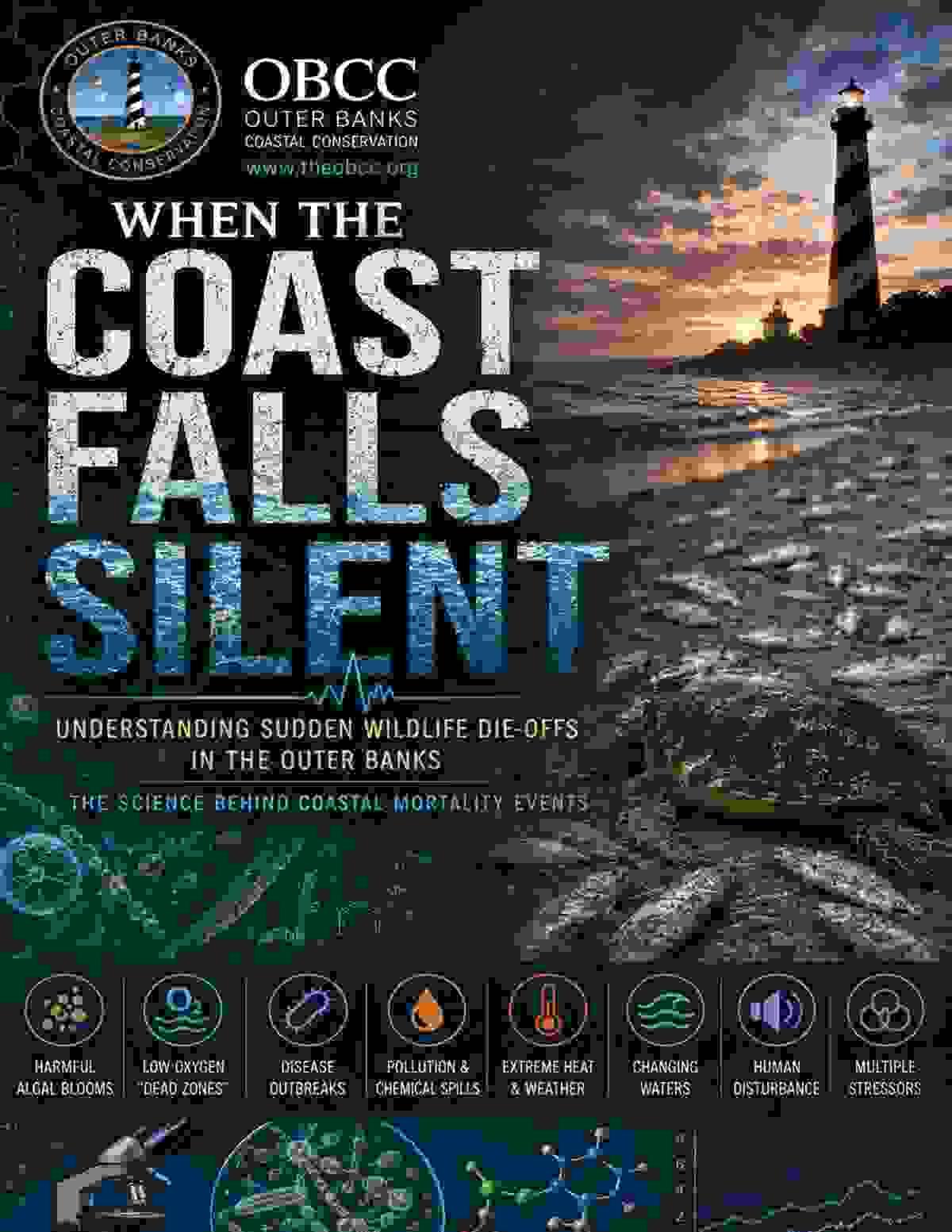
Sudden wildlife die-offs in the Outer Banks are important warning signs of environmental stress rather than isolated events. This guide explains the major causes—including harmful algal blooms, oxygen depletion ("dead zones"), disease outbreaks, pollution, extreme weather, salinity changes, underwater noise, and the combined effects of multiple stressors—and how they impact fish, sea turtles, dolphins, seabirds, and other coastal wildlife. It also helps readers recognize warning signs, report stranded or dead animals to the proper authorities, and take simple conservation actions that protect coastal ecosystems and improve the
health of the Outer Banks.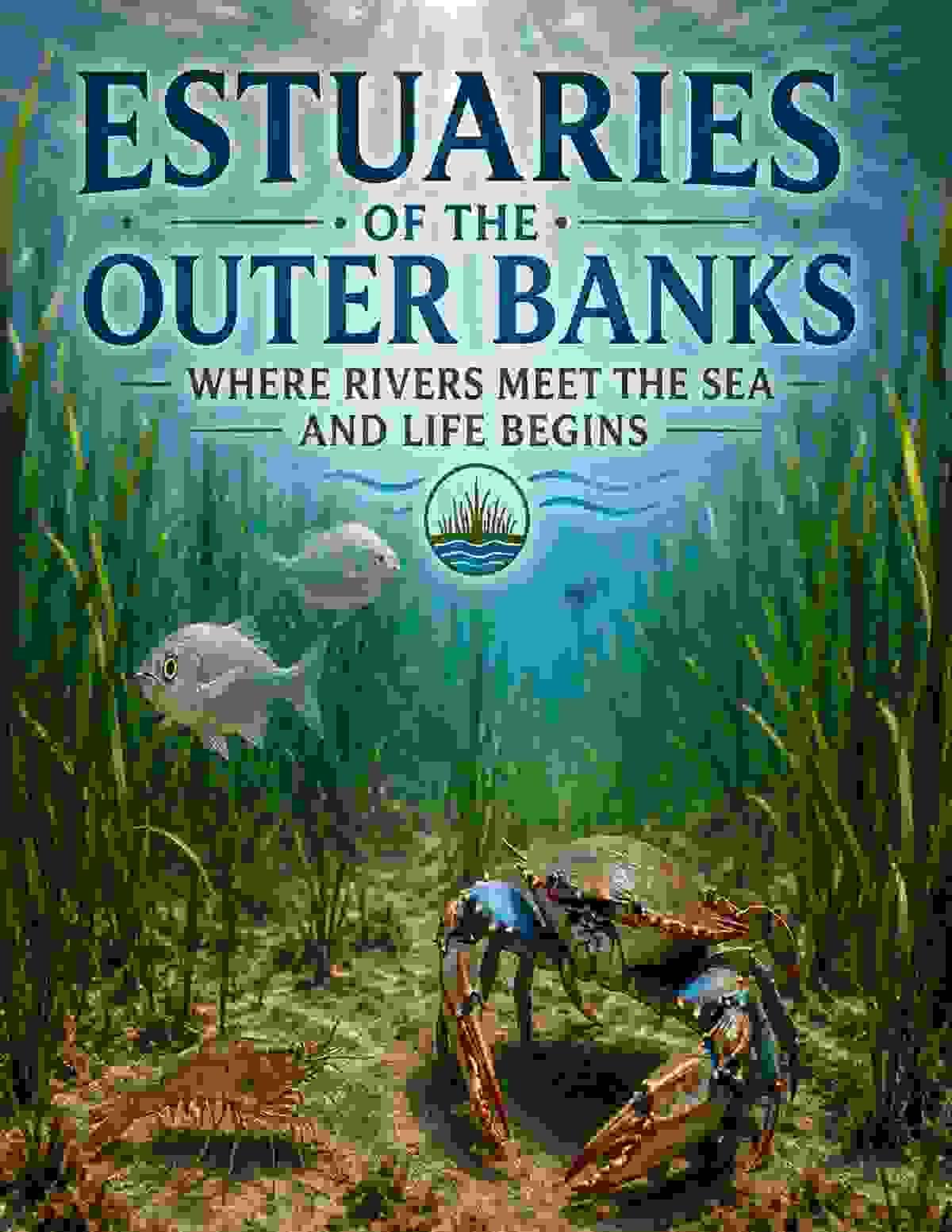
This book explores the estuaries of the Outer Banks, where freshwater rivers meet the Atlantic’s saltwater to form one of North Carolina’s most productive ecosystems. These sounds, marshes, and lagoons filter water, buffer storms, and provide essential habitat for fish, shellfish, birds, and other wildlife. It examines how these ecosystems were formed, the growing threats they face from pollution and climate change, and the conservation efforts helping to protect them. Rooted in Indigenous and coastal heritage, the Outer Banks’ estuaries remain vital to the region’s wildlife, economy, and way of life.
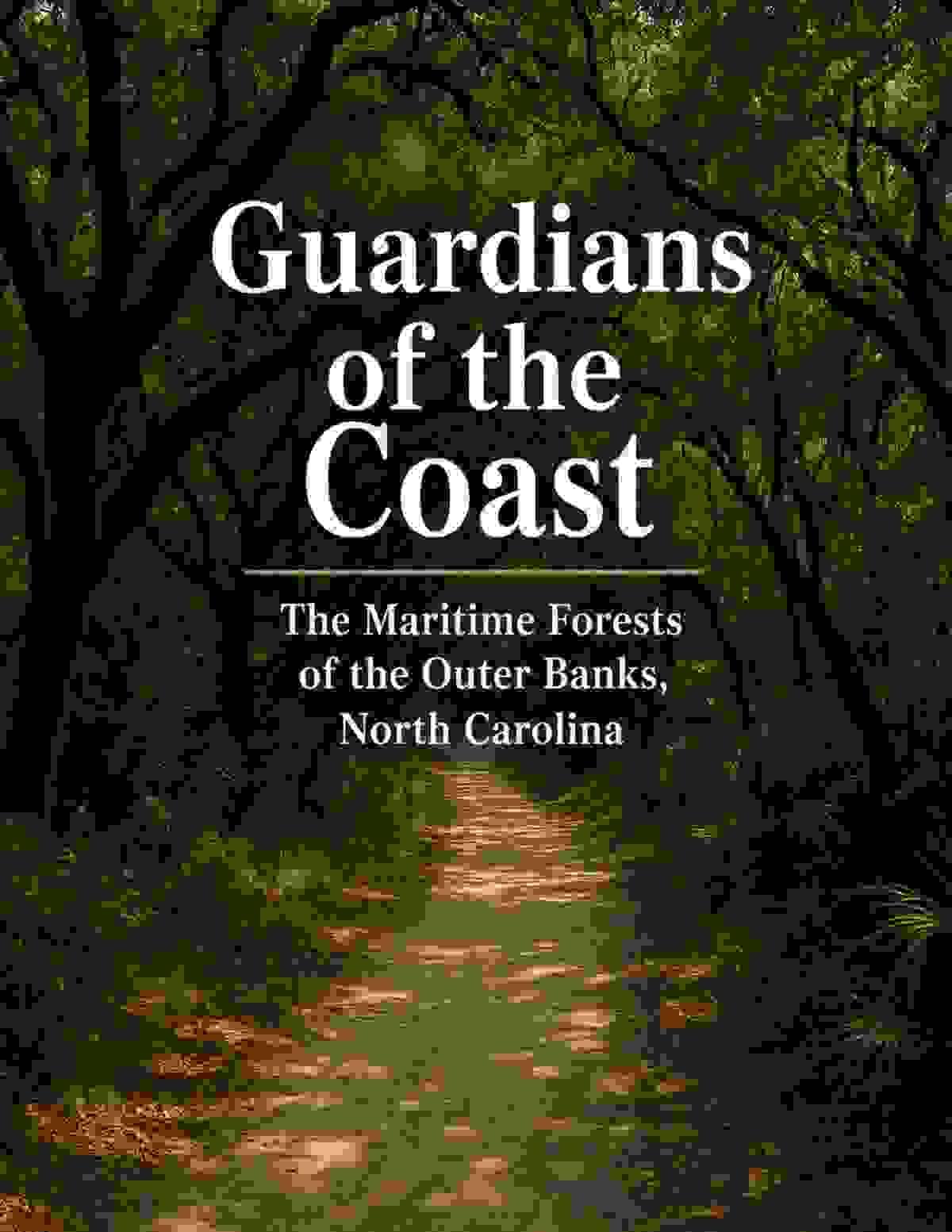
This book, Guardians of the Coast: The Maritime Forests of the Outer Banks, highlights the ecological, cultural, and climate importance of maritime forests — salt-tolerant woodlands that form the “green backbone” of North Carolina’s barrier islands. These forests stabilize dunes, reduce erosion, filter runoff, and serve as vital wildlife habitats and carbon sinks. Notable examples include Nags Head Woods, Buxton Woods, and Currituck Banks. Despite their resilience, they face growing threats from coastal development, sea-level rise, invasive species, and climate change. Conservation efforts led by groups like The Nature Conservancy and the National Park Service focus on restoration, replanting, and public engagement. The guide emphasizes that preserving these forests safeguards biodiversity, protects coastal communities, and maintains the natural and cultural heritage of the Outer Banks.
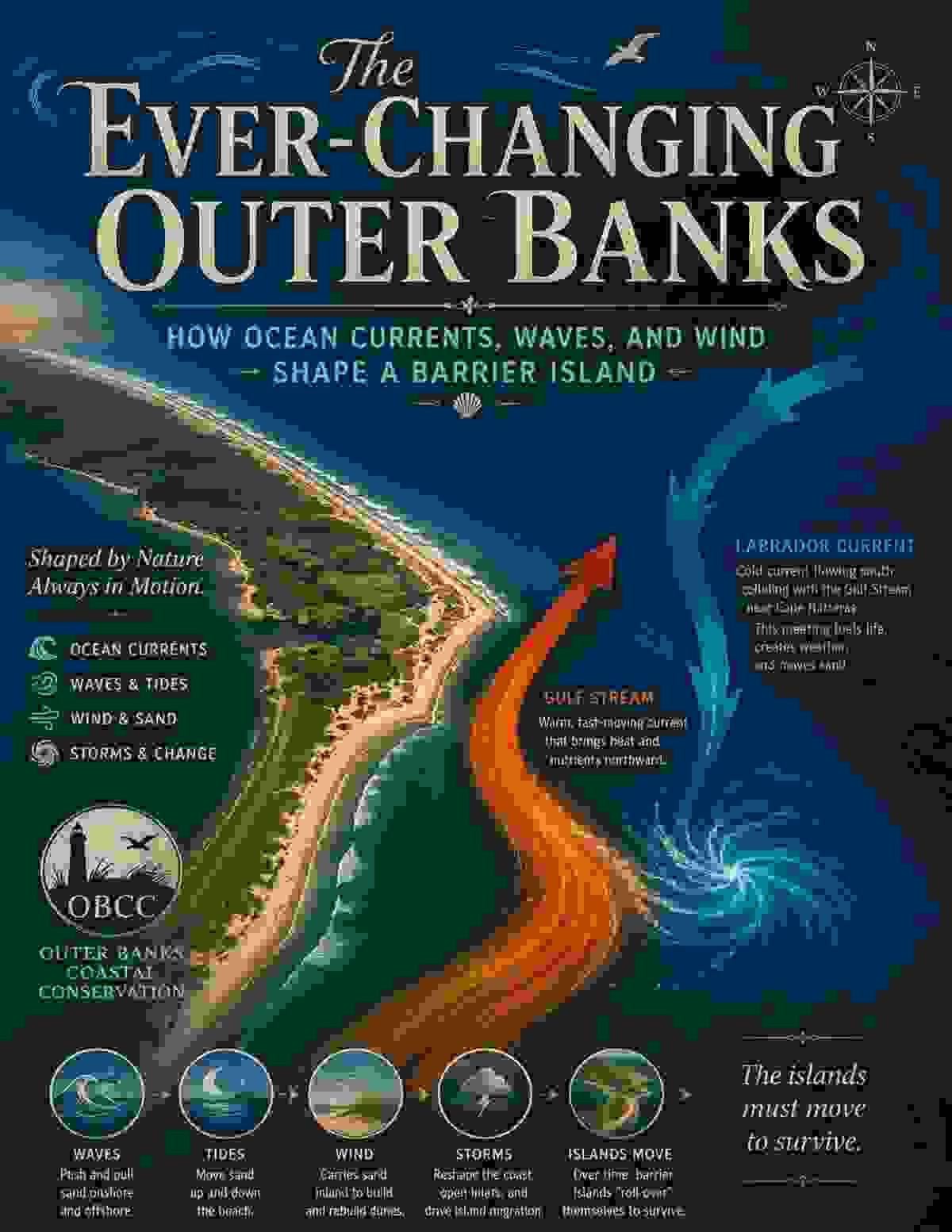
The Outer Banks are constantly reshaped by the interaction of ocean currents, waves, wind, tides, and storms. The warm Gulf Stream and cold Labrador Current meet near Cape Hatteras, influencing climate, marine life, and the formation of shifting shoals such as Diamond Shoals. Longshore currents transport sand along the coast, while storms move sand inland, create new inlets, and allow the barrier islands to migrate naturally. Although human activities such as beach nourishment, jetties, and coastal development can disrupt these processes, nature-based solutions—including dune restoration, living shorelines, and
managed retreat—help preserve the islands' resilience. The central message is that the Outer Banks remain healthiest when their natural movement is allowed to continue.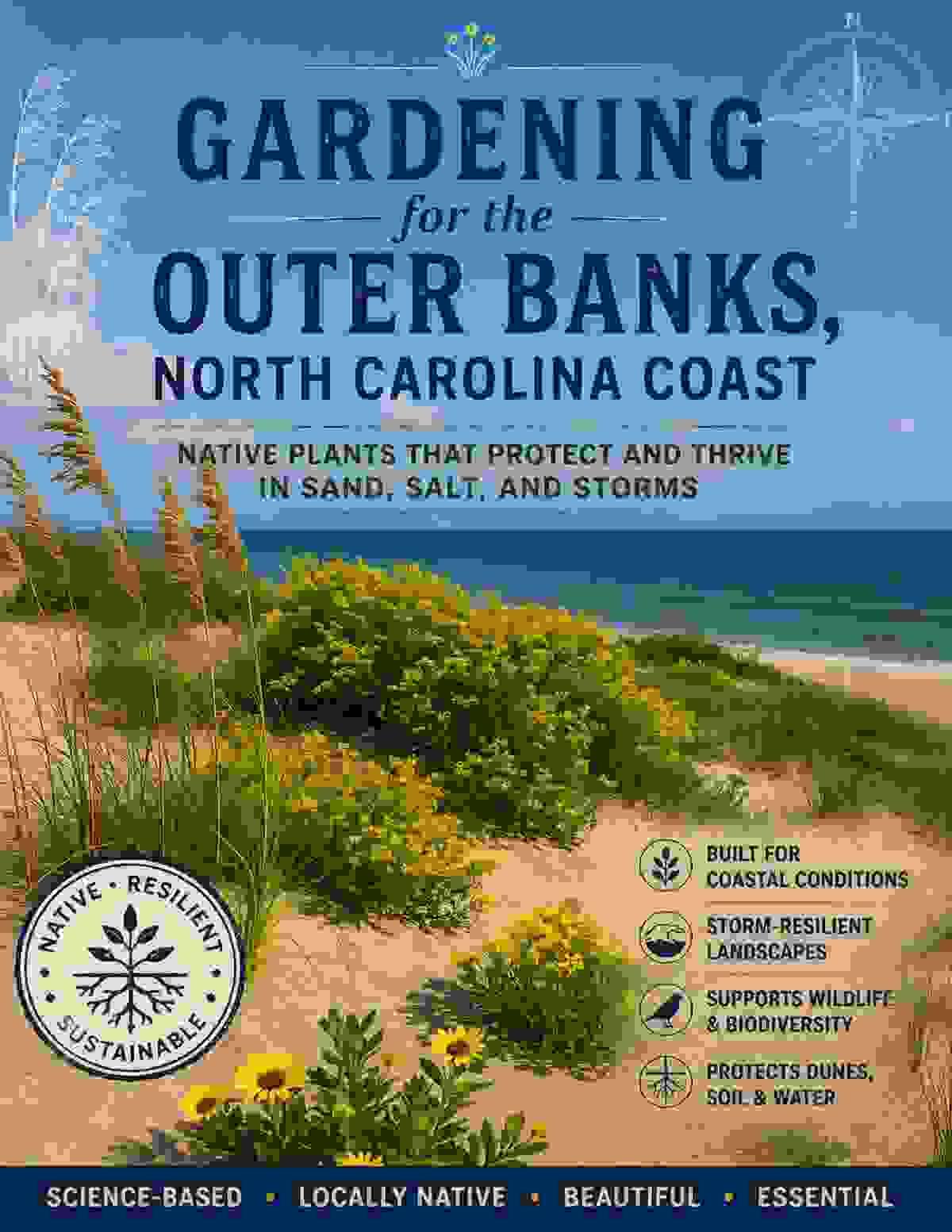
This book helps homeowners and educators design resilient, wildlife-friendly landscapes adapted to the region’s unique barrier island environment. It explains how native plants—such as sea oats, yaupon holly, wax myrtle, and muhly grass—stabilize dunes, reduce erosion, filter runoff, and support pollinators while requiring minimal maintenance. The book outlines layered landscape strategies from dune to inland zones, recommends rain garden species for flood-prone areas, and warns against invasive plants like pampas grass and Japanese honeysuckle. Emphasizing seasonal care, water conservation, and community stewardship, it frames gardening as a form of ecological restoration—creating “living landscapes” that mirror the natural rhythms and resilience of the Outer Banks ecosystem.
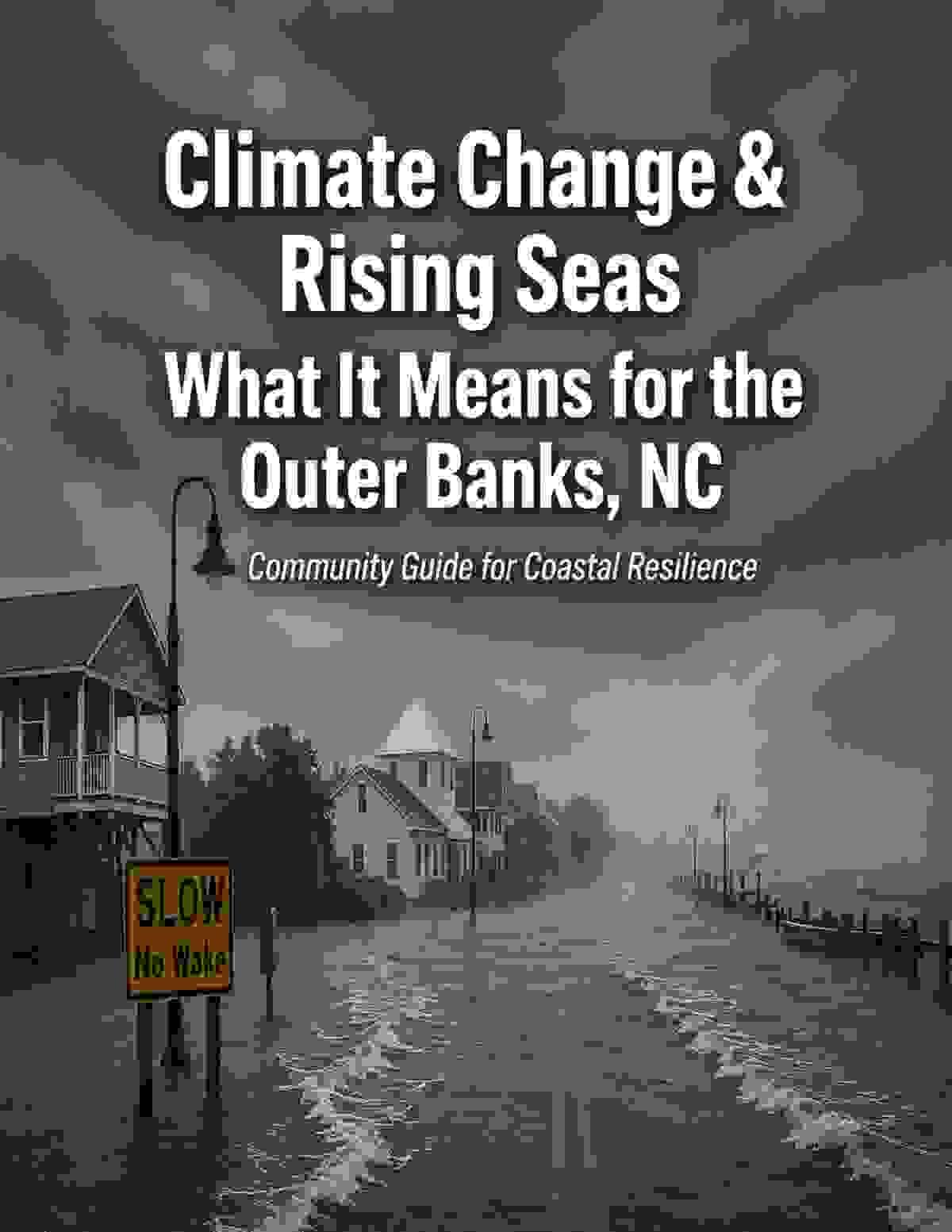
This guide explains how climate change and rising seas are rapidly reshaping the Outer Banks, one of the most vulnerable coastal regions in the United States. It outlines why sea levels are rising faster in North Carolina—due to warming oceans, melting ice, land subsidence, and changes in the Gulf Stream—and details the resulting impacts such as beach and dune erosion, new inlet formation, groundwater rise, marsh loss, and threats to wildlife, homes, infrastructure, tourism, and fisheries. The document also highlights current adaptation efforts including beach nourishment, new bridges, living shorelines, and home relocation, and offers strategies for communities and individuals to support resilience through marsh protection, soft engineering, groundwater management, and future-focused planning. Ultimately, the guide emphasizes that while the Outer Banks will continue to change, informed action rooted in science and natural coastal processes can help the region adapt and thrive.
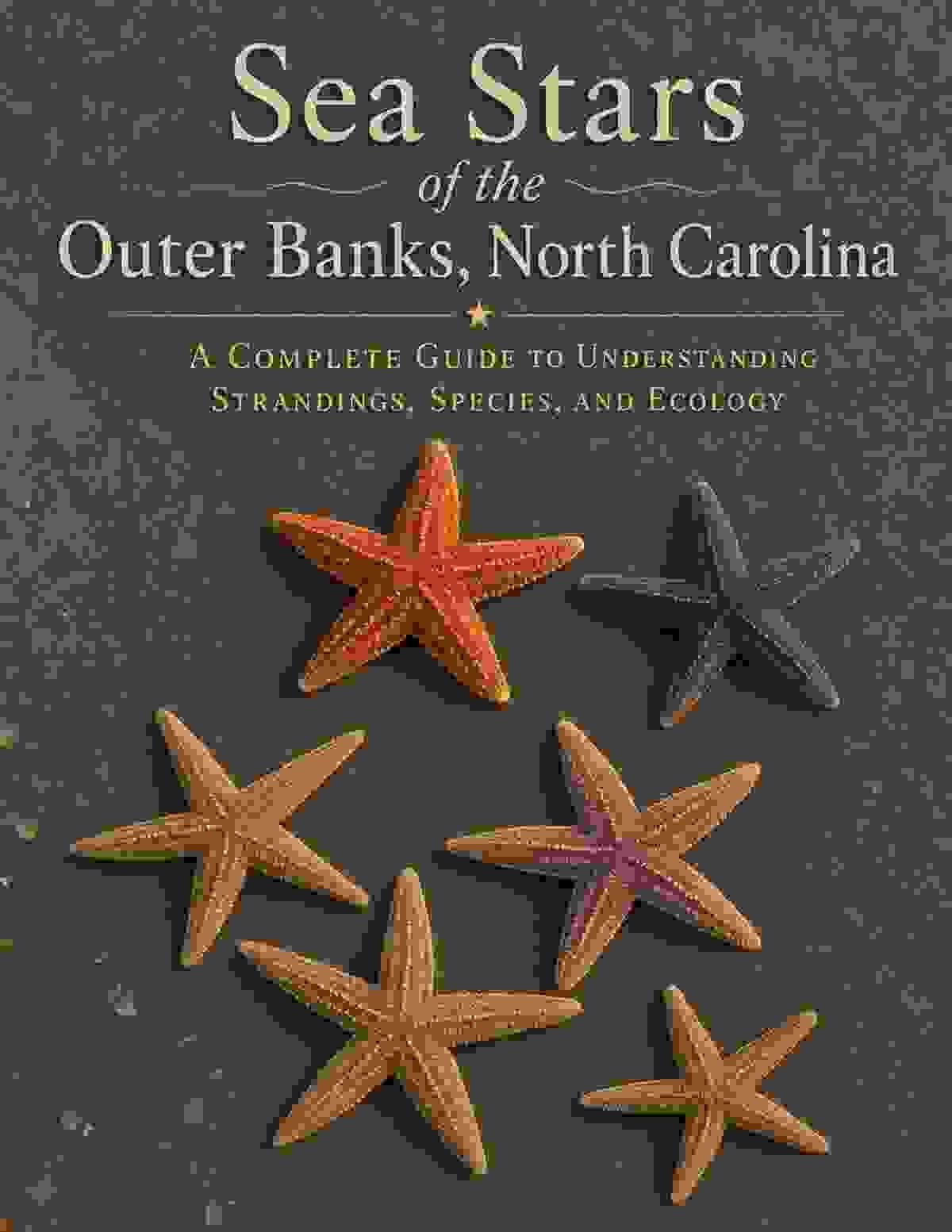
The Outer Banks of North Carolina are home to several sea star species—most commonly the Lined Sea Star, but also the Common Sea Star, Atlantic Slender Sea Star, and a few rarer offshore varieties—and their unique biology, including tube feet, external digestion, and sensitivity to temperature and surf, makes them vulnerable to being washed ashore during storms, strong currents, or sudden cold snaps. These strandings are usually natural events rather than ecological crises, and while some sea stars found on the beach may still be alive and can be gently returned to the water, many are already dead and should be left to decompose naturally. Sea stars play an important ecological role by regulating populations of clams and other invertebrates, and large wash-ups help scientists monitor changes in ocean conditions, sediment movement, and seasonal weather patterns.
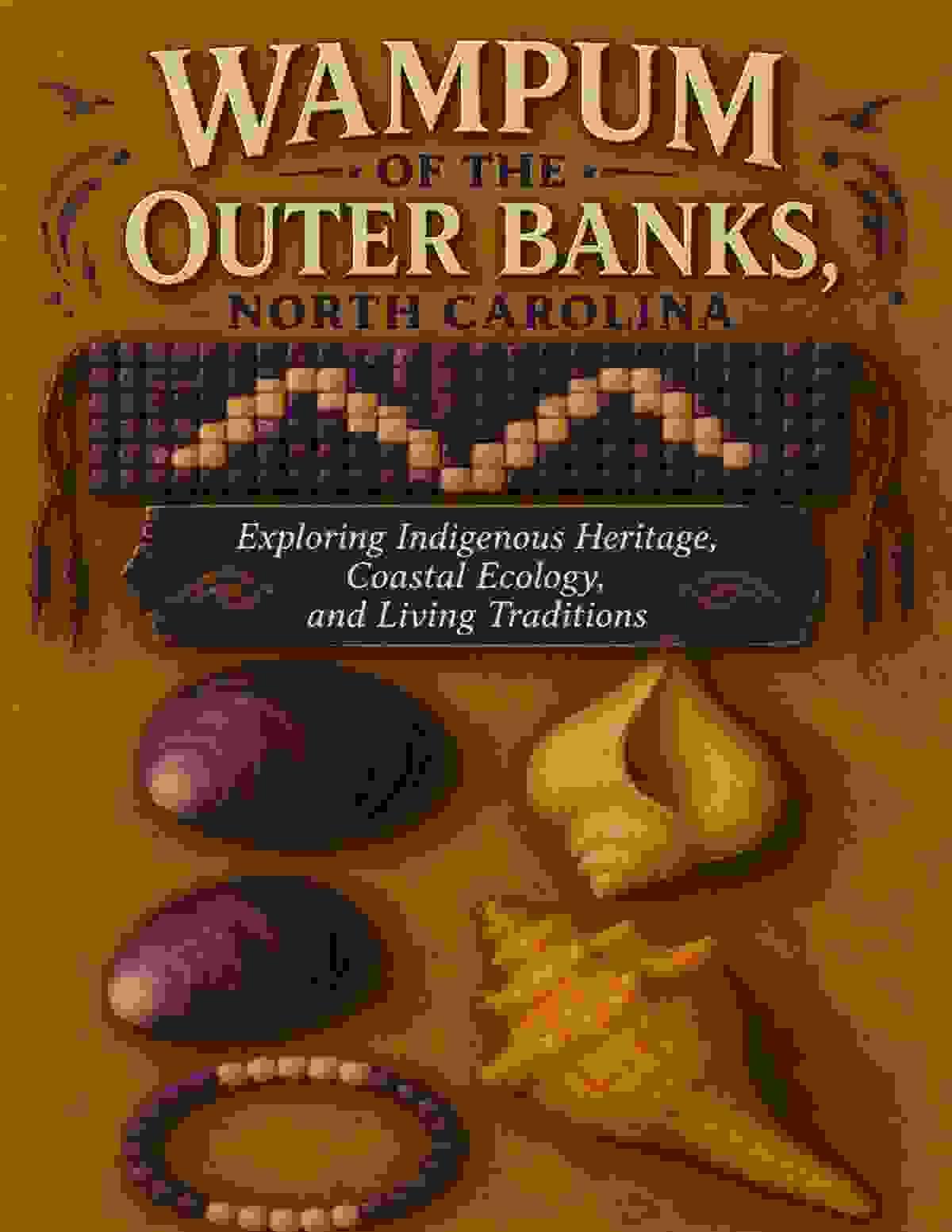
Wampum of the Outer Banks, North Carolina: Exploring Indigenous Heritage, Coastal Ecology, and Living Traditions explains how Indigenous peoples—including the Secotan, Croatoan, and other Algonquian-speaking communities—used quahog and whelk shells to craft meaningful beads and belts that served as tools for diplomacy, memory-keeping, ceremony, and cultural continuity, rather than as currency. The book describes the crafting process, the symbolism of purple and white shell colors, and the role of wampum in recording treaties, genealogies, and stories, while also highlighting the Outer Banks’ rich coastal context where artisans shaped beads from abundant shells. It encourages modern visitors to respect the cultural significance of wampum, avoid misrepresenting it as money, and support Indigenous artists who continue this living tradition today.
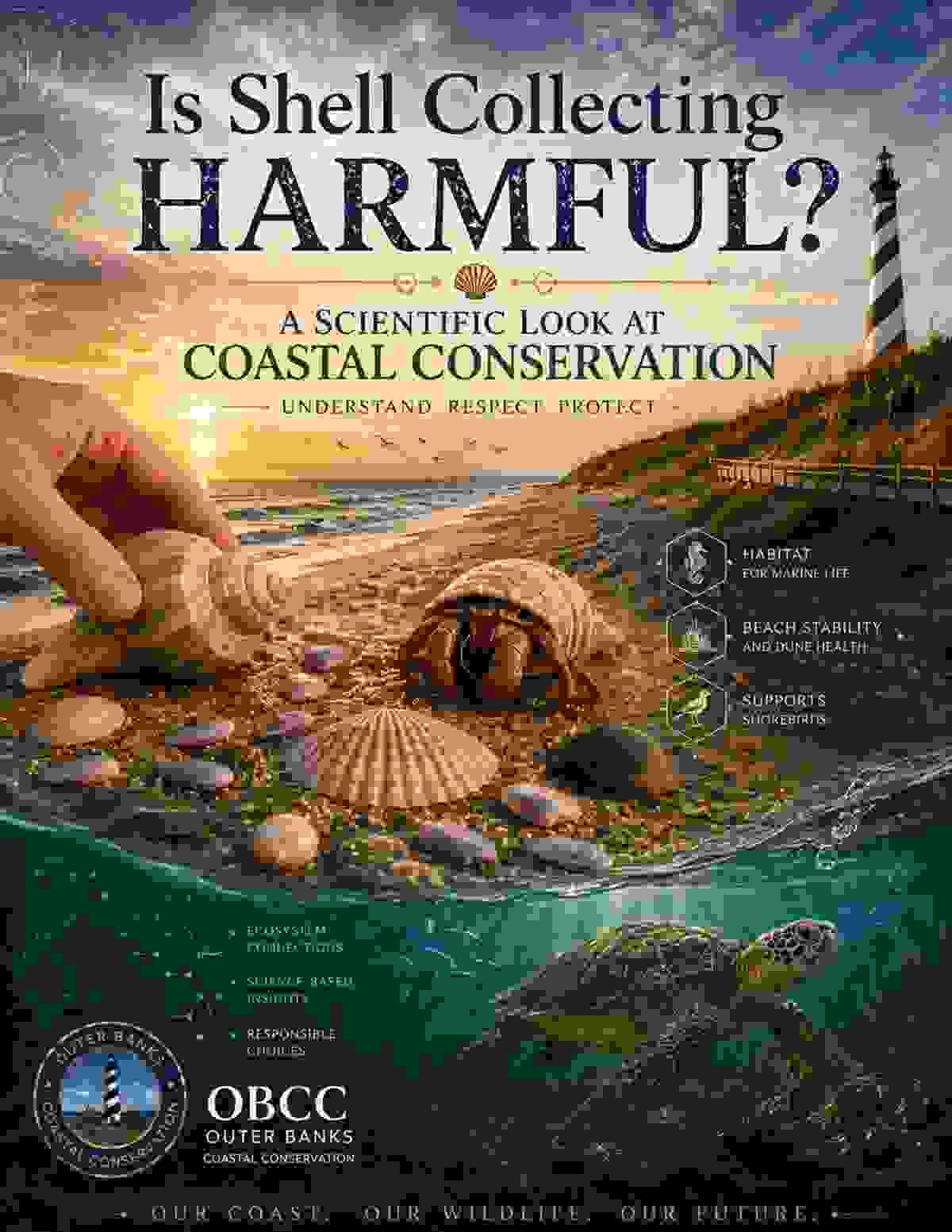
This book explains that shell collecting on the Outer Banks is a cherished activity, but shells play vital ecological roles even after the original animal is gone — providing habitat, stabilizing beaches, supporting dune formation, and helping shorebirds forage and nest. While taking a few shells is generally harmless, large-scale or commercial removal can reduce wildlife habitat, increase beach erosion, and weaken the coastline. The book encourages mindful collecting, avoiding rare or intact shells, steering clear of wildlife zones, and choosing broken shells or photography instead. The key message is balance: enjoy collecting, but leave enough shells to keep the beach functioning as a healthy, living ecosystem.
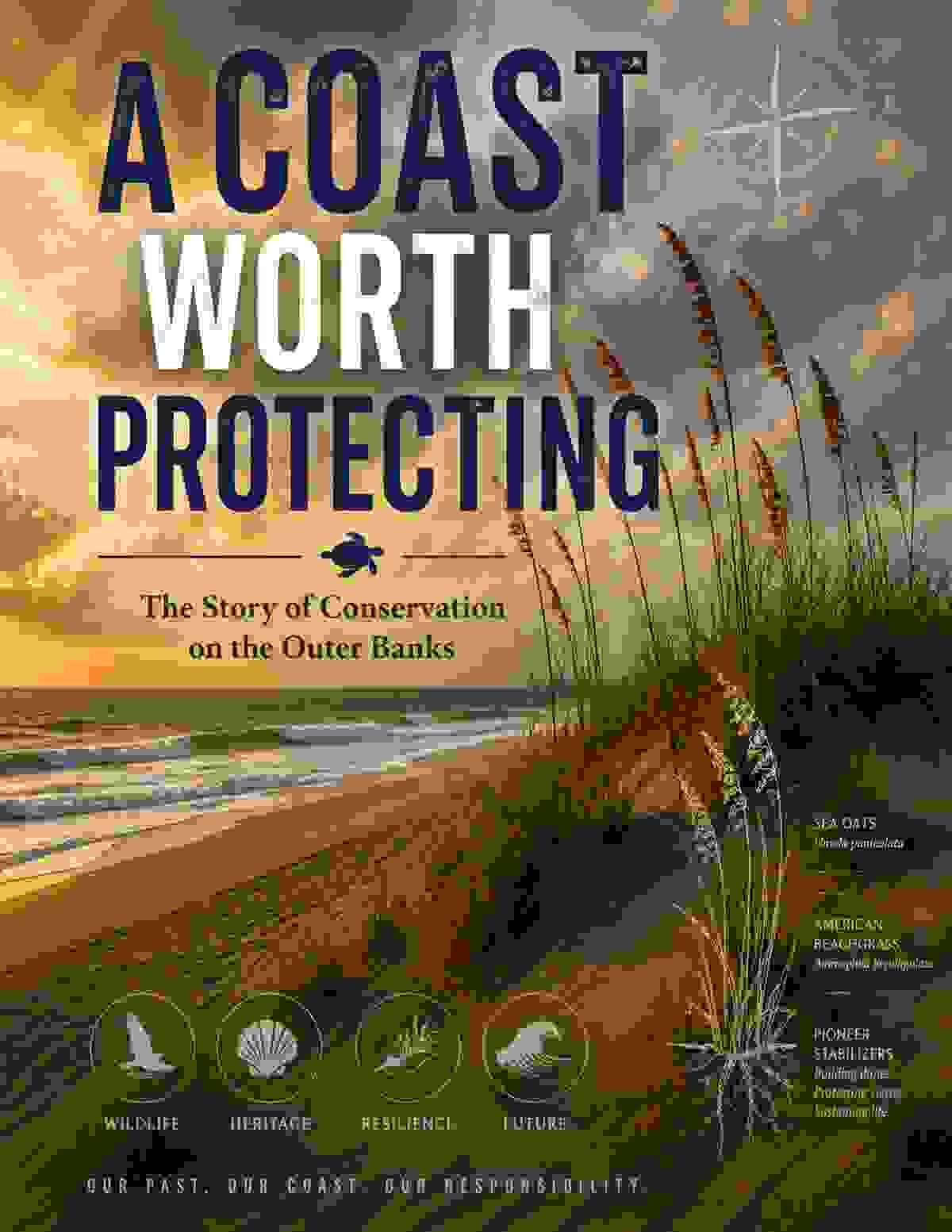
The Outer Banks of North Carolina are dynamic barrier islands shaped by centuries of natural change and evolving conservation. Indigenous communities lived sustainably, while European settlement brought development that increased ecological stress. During the 20th century, efforts to stabilize the islands
often disrupted natural processes. Today, conservation focuses on protecting wildlife, restoring dunes and marshes, and preparing for sea-level rise. By combining modern science with Indigenous stewardship principles, communities can help preserve the Outer Banks for future generations.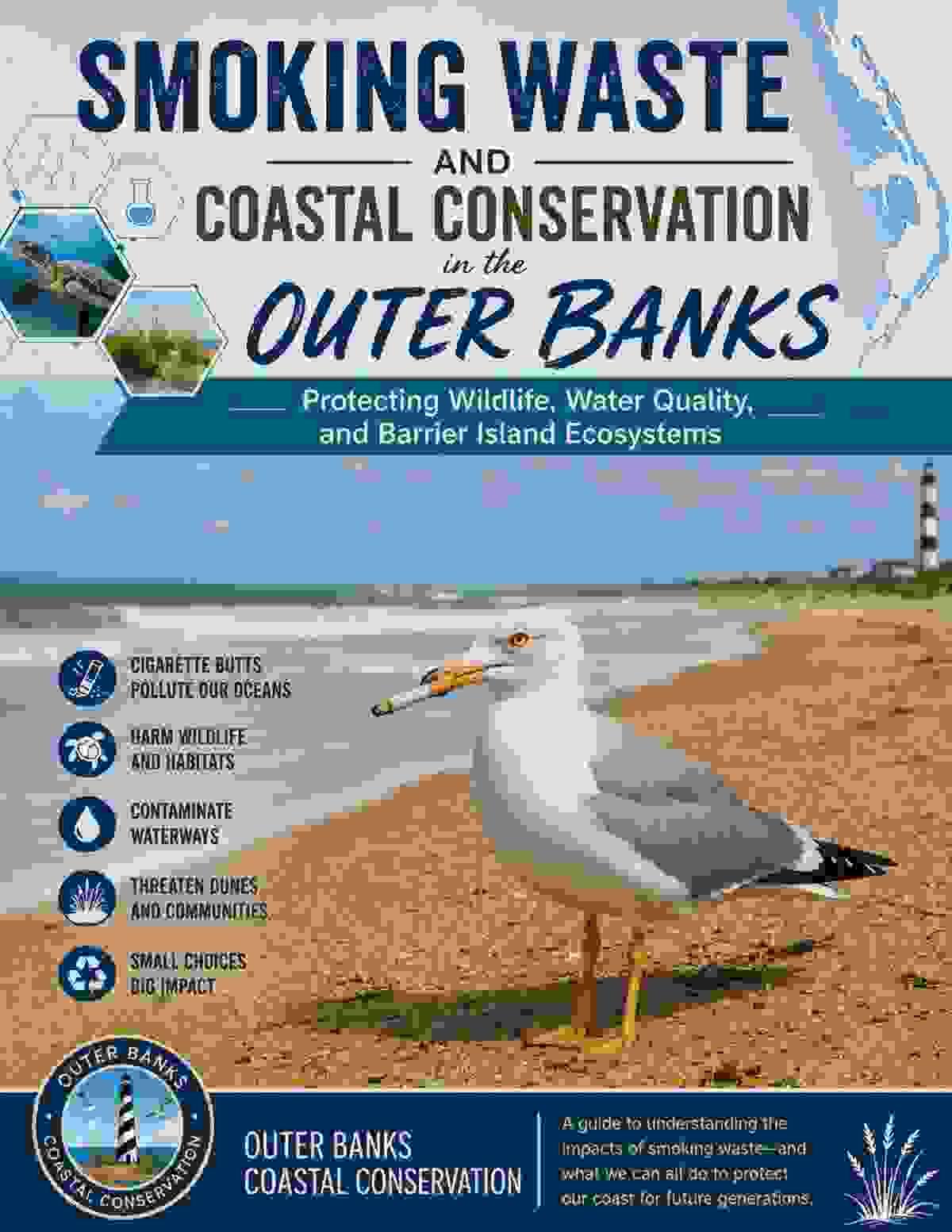
This book explains how cigarette butts, vape waste, and other smoking materials harm the Outer Banks by polluting beaches and waterways, releasing toxins and microplastics, causing fires, and threatening wildlife. It highlights why the barrier islands are especially vulnerable and offers practical solutions for individuals,
communities, and local governments to reduce smoking waste. Every cigarette butt removed helps protect the Outer Banks' fragile ecosystems and wildlife for future generations.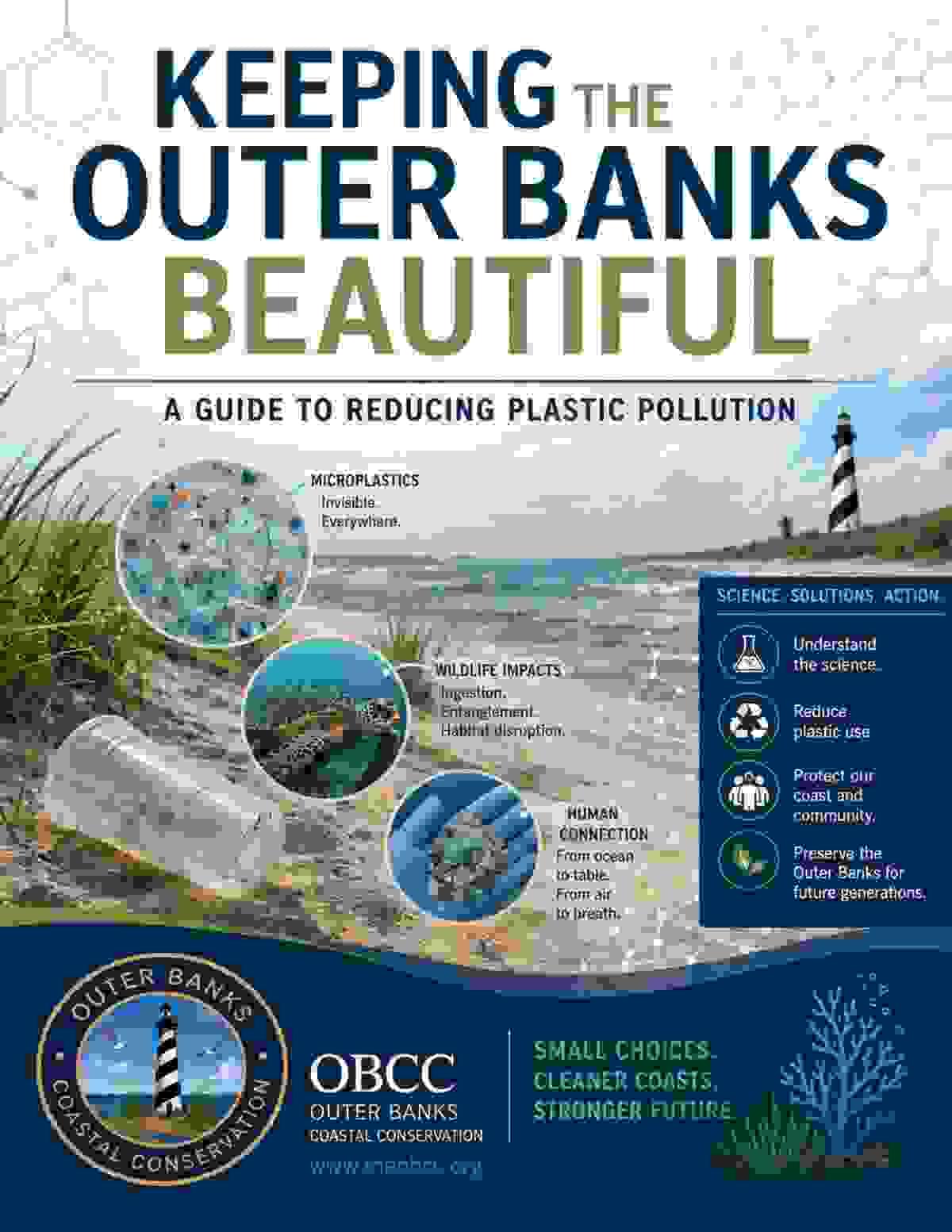
This guide explains how plastic waste threatens the Outer Banks' wildlife, waterways, and coastal
economy. It explores the sources and impacts of plastic pollution and offers practical, science-based solutions to help residents, visitors, and businesses reduce waste and protect the coast for future generations.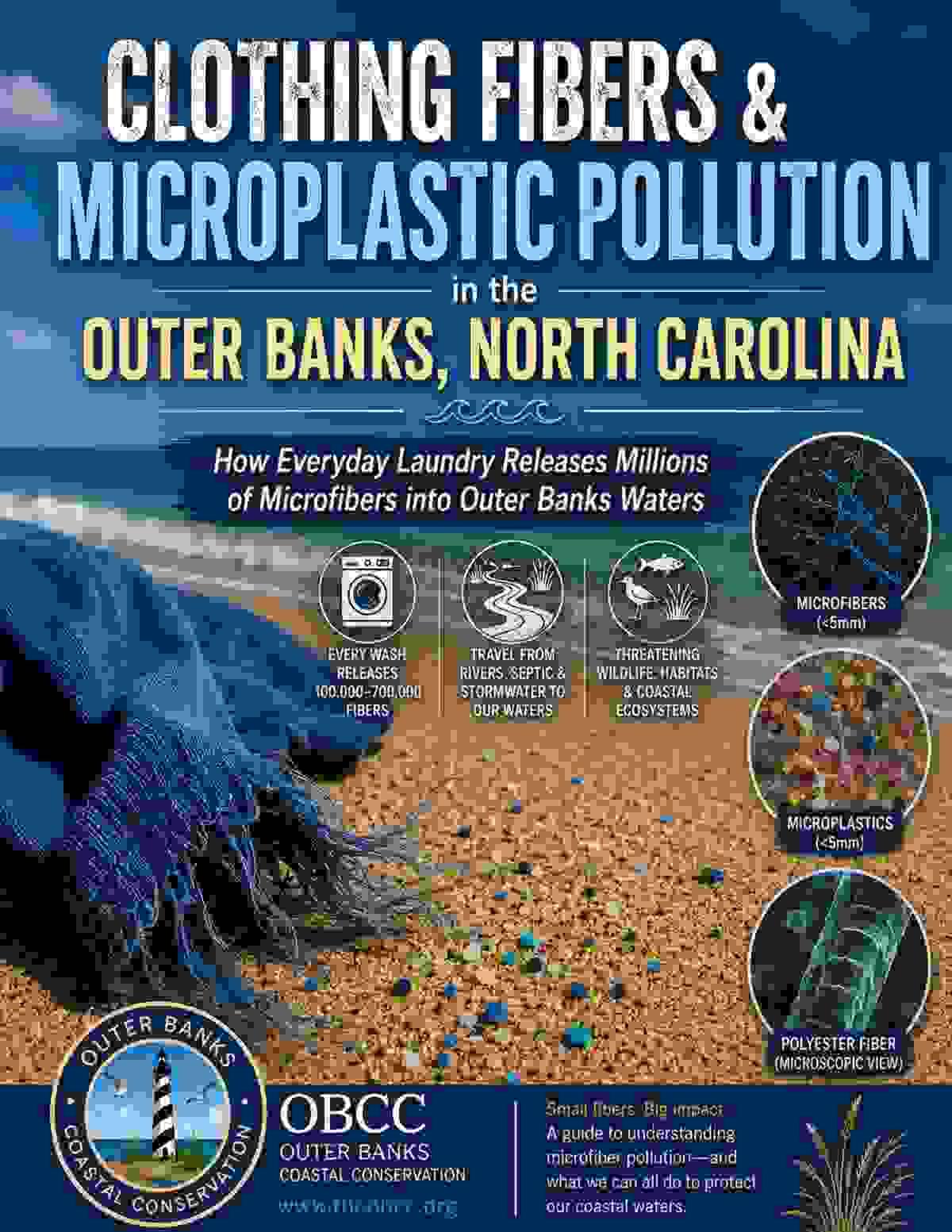
This guide explains how synthetic clothing sheds tiny plastic microfibers during everyday laundry, releasing hundreds of thousands of fibers per wash that eventually enter the Outer Banks' rivers, sounds, and coastal waters. These microplastics threaten oysters, fish, dolphins, shorebirds, sea turtles, marshes, and seagrass habitats while also raising concerns for seafood quality, tourism, and the local economy. The guide highlights practical solutions—including washing clothes less frequently, choosing natural fibers, installing microfiber filters, using laundry bags, and improving stormwater filtration and public education—to help reduce microfiber pollution and protect the Outer Banks' coastal ecosystems.
This guide explains that the Lined Seahorse (Hippocampus erectus) is a hidden but important resident of the Outer Banks’ seagrass meadows, salt marshes, and shallow flats, where it thrives in warm, calm estuarine waters and relies on camouflage, a prehensile tail, and constant feeding for survival. It highlights their unique biology—including male pregnancy—and their seasonal movements, while warning that seahorses are increasingly threatened by habitat loss, microplastics, warming waters, coastal development, storms, and bycatch. The guide stresses that protecting seagrass habitats, reducing microplastic pollution, promoting sustainable fishing, and supporting conservation planning are essential to their survival. Ultimately, safeguarding seahorses means protecting the broader estuarine ecosystems that support wildlife, fisheries, recreation, and coastal resilience in the Outer Banks.
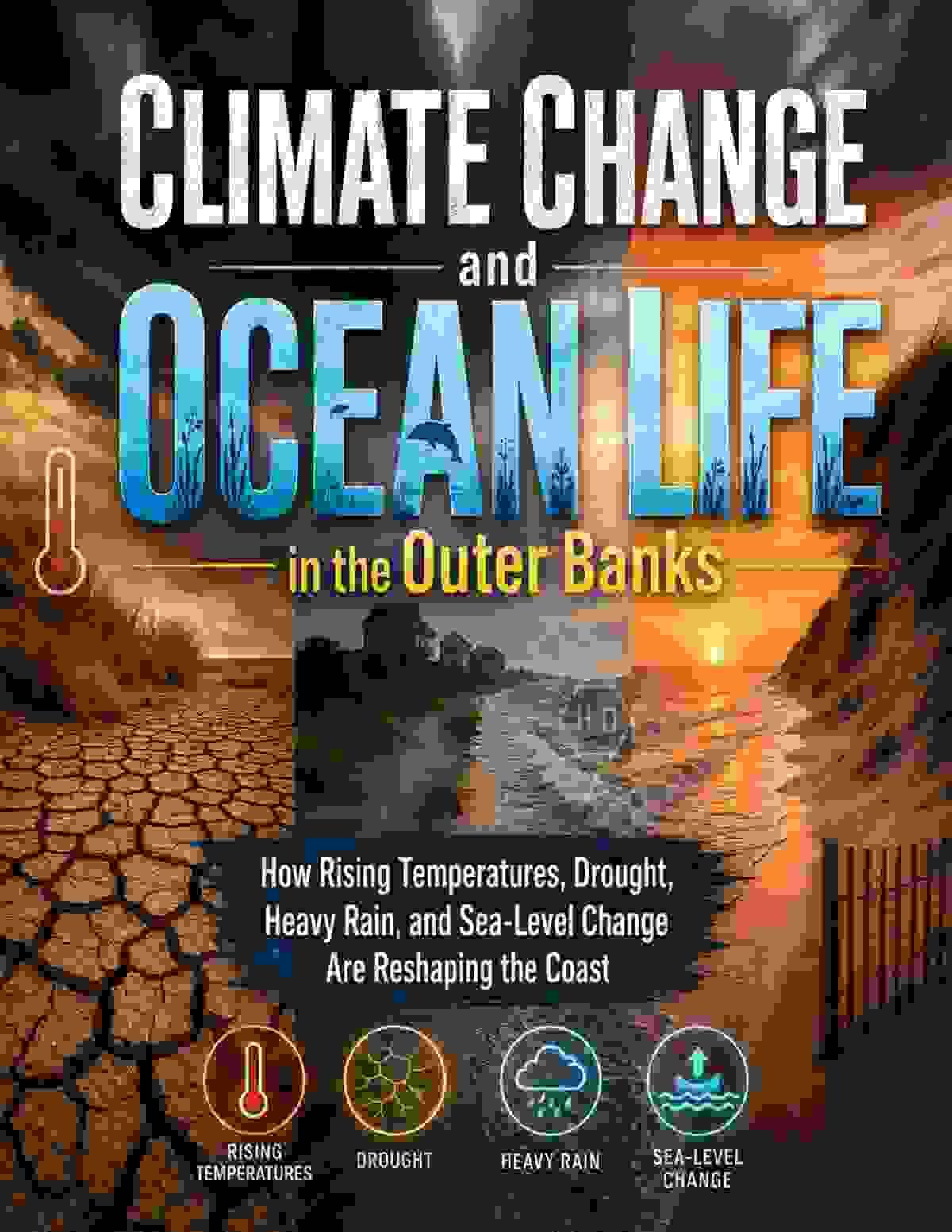
Climate change is rapidly transforming the Outer Banks by intensifying droughts, heavy rains, and rising water temperatures, which together create severe stress on coastal ecosystems and marine life. These shifts drive salinity spikes, temperature swings, low oxygen events, harmful algal blooms, and bacterial outbreaks, all of which damage seagrass meadows, oyster reefs, salt marshes, tidal creeks, and essential nurseries. Species from sea turtles and dolphins to fish, shellfish, blue crabs, and shorebirds experience disrupted feeding, disease, habitat loss, and population declines. These ecological impacts ripple into human communities—affecting fisheries, tourism, and water quality—highlighted throughout the book. Understanding these interconnected pressures is crucial for designing resilience strategies that protect both wildlife and coastal communities across the Outer Banks for future generations.
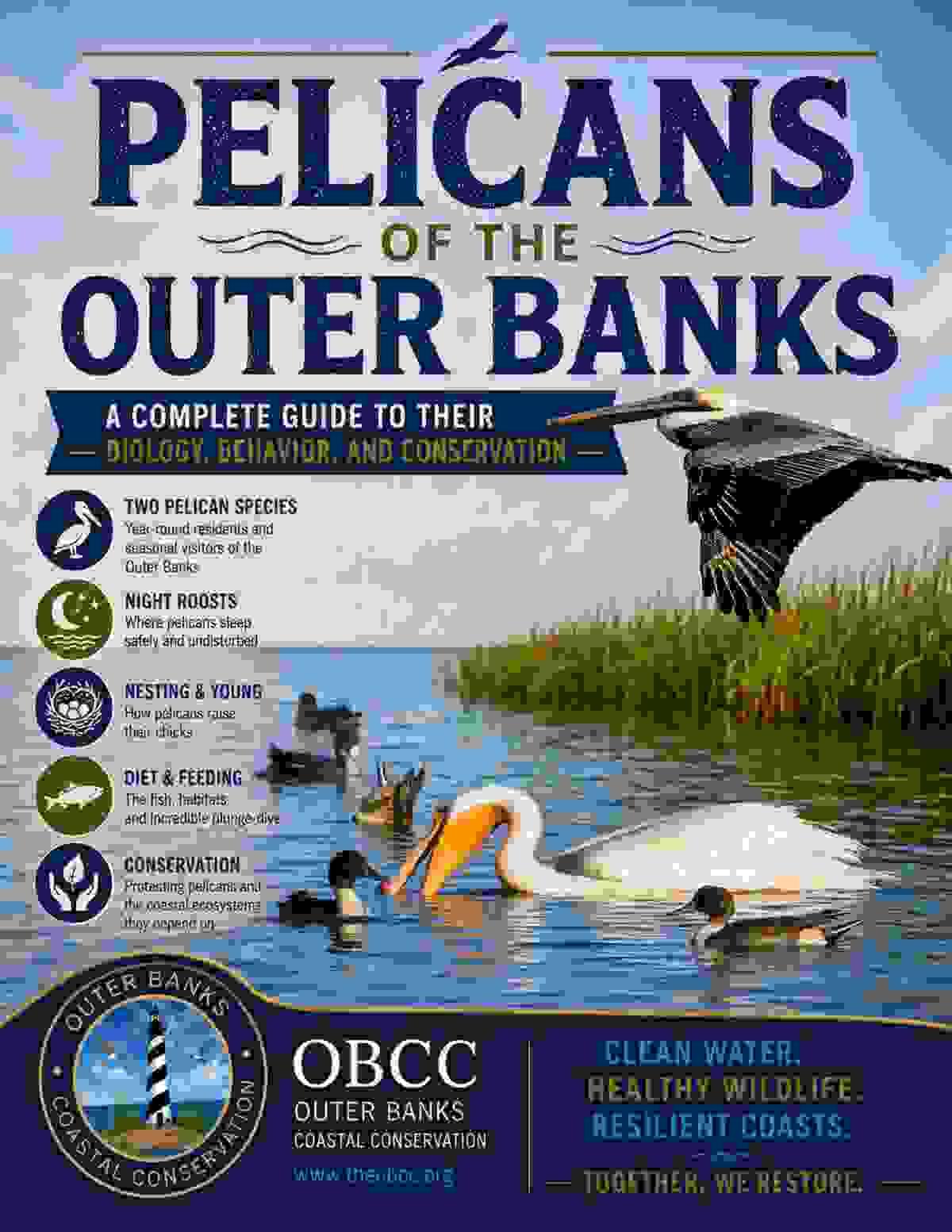
This guide explains the two species found in the region—Brown Pelicans, which live there year-round, and American White Pelicans, which visit in winter—describing their appearance, feeding behavior, seasonal patterns, roosting habits, nesting ecology, and primary food sources. It highlights differences between the species, outlines key conservation challenges such as habitat loss, disturbance, and pollution, and provides guidance for responsible wildlife viewing.
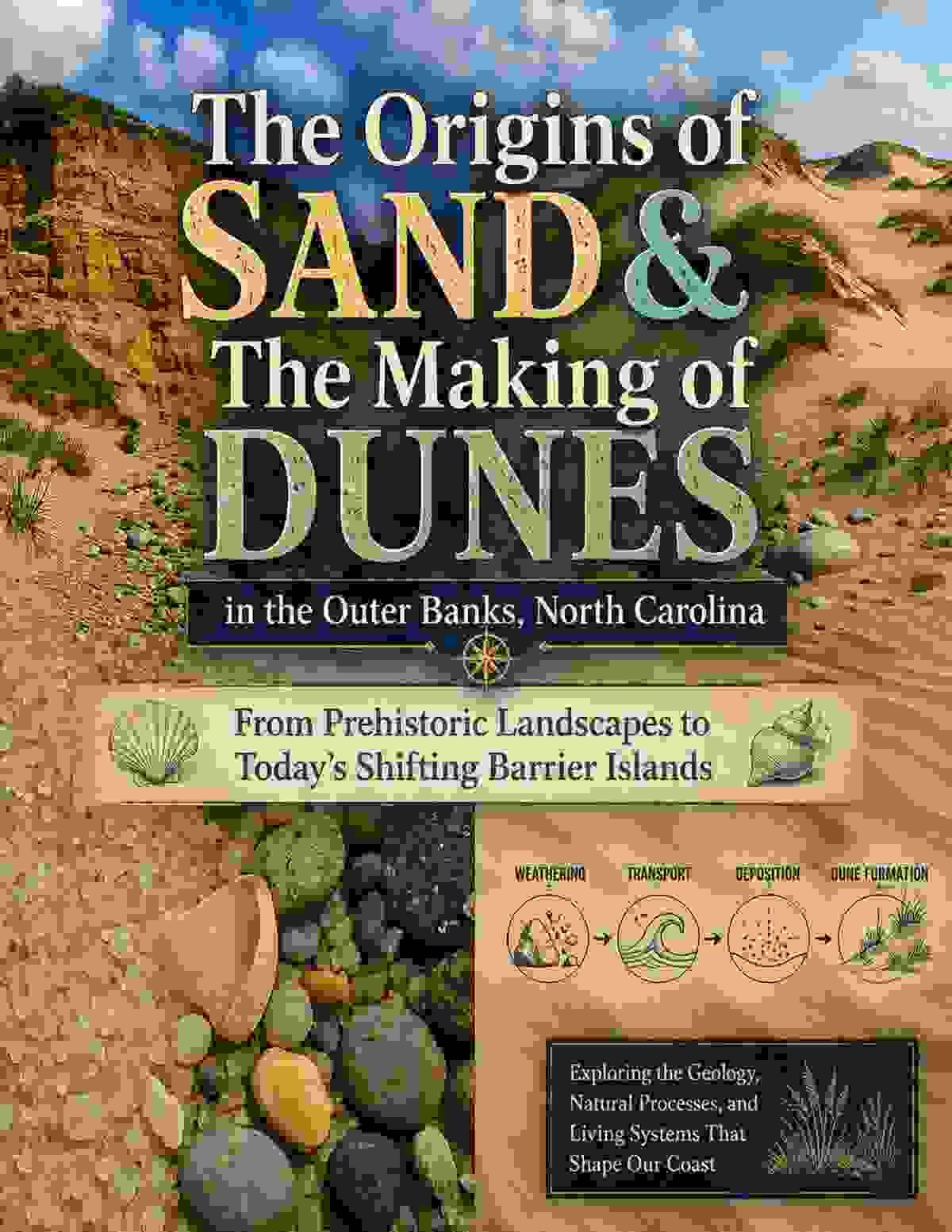
This book explains how the sand and dunes of the Outer Banks formed over millions of years—from the erosion of ancient Appalachian Mountains to shifting sea levels during the Ice Ages that pushed sediments landward and created early barrier islands. It describes how ocean waves, longshore drift, and wind continue to reshape the islands, how vegetation like sea oats traps blowing sand to build dunes, and how older “relict” dune systems differ from today’s young, shifting primary dunes. The book also outlines human impacts—from early vegetation loss to the CCC’s dune-building efforts—and highlights modern threats such as storms, sea-level rise, and development, emphasizing the need for nature-based restoration and allowing dunes to move naturally for long-term coastal resilience.
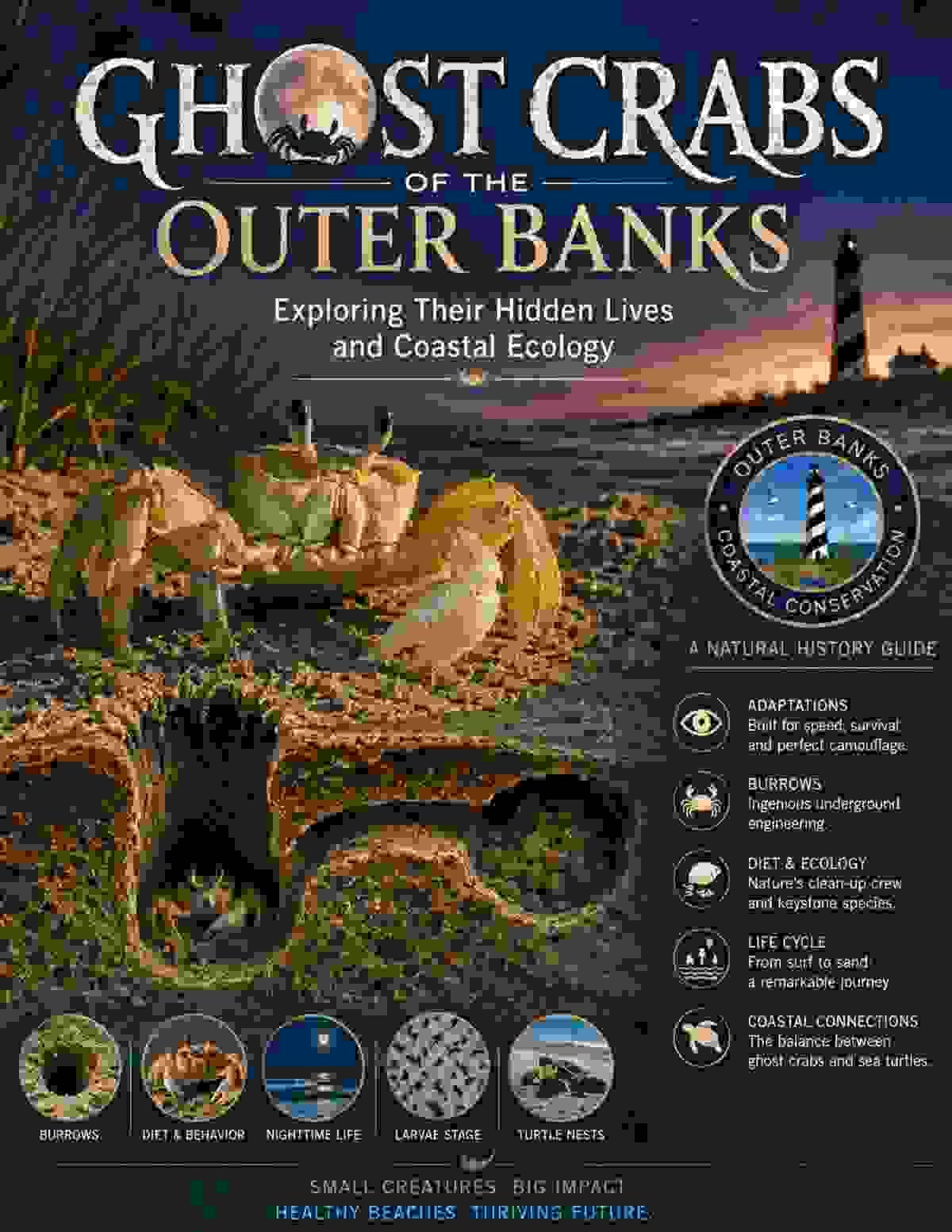
This guide provides a clear, detailed overview of the Carolina ghost crab, explaining its remarkable adaptations for life on the sandy beaches of the Outer Banks, including its camouflage, speed, burrow engineering, and ability to survive both on land and in the water. It describes their diet, lifecycle, seasonal behavior, predators, and interactions with sea turtles, while also highlighting their role as key indicators of beach health. The guide outlines major threats—such as beach nourishment, lighting, dogs, and human disturbance—and offers practical beach-etiquette tips to help protect ghost crabs and their habitat, all while emphasizing their ecological importance and the need for responsible coexistence on North Carolina’s barrier islands.
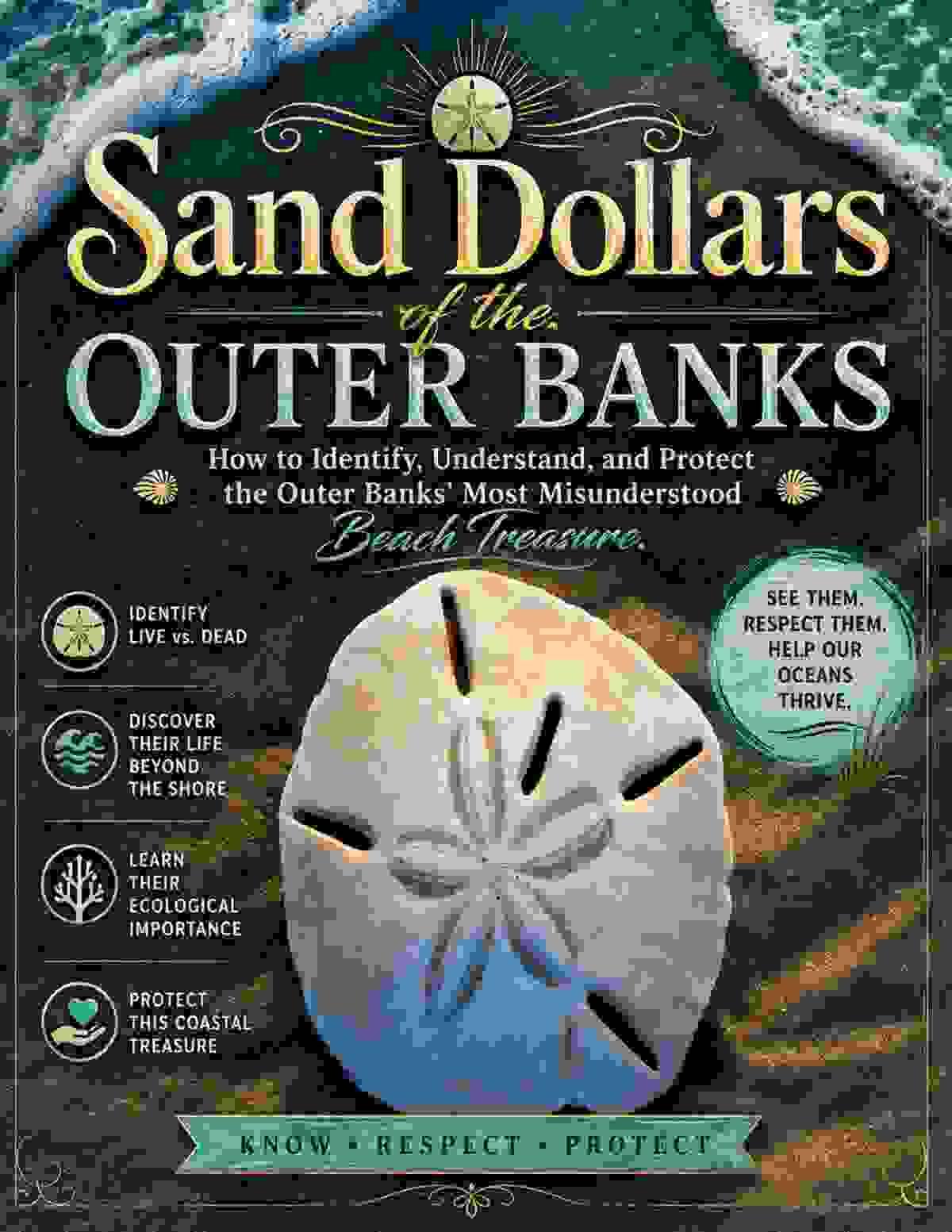
The Sand Dollars of the Outer Banks: How to Identify, Understand, and Protect the Outer Banks' Most Misundertood Beach Treasure explains what sand dollars are, how to distinguish live individuals from dead ones, and the important ecological roles they play in local coastal ecosystems. It describes their habitats, movement, diet, and life cycle, while also addressing why so many are found broken on Outer Banks beaches. The book offers ethical tips for interacting with sand dollars, debunks myths about the “doves” and star patterns, and highlights threats from storms, heat, freshwater pulses, and ocean acidification. It also identifies the best places to find them and encourages beachgoers to protect these fragile animals as part of preserving the Outer Banks’ natural heritage.
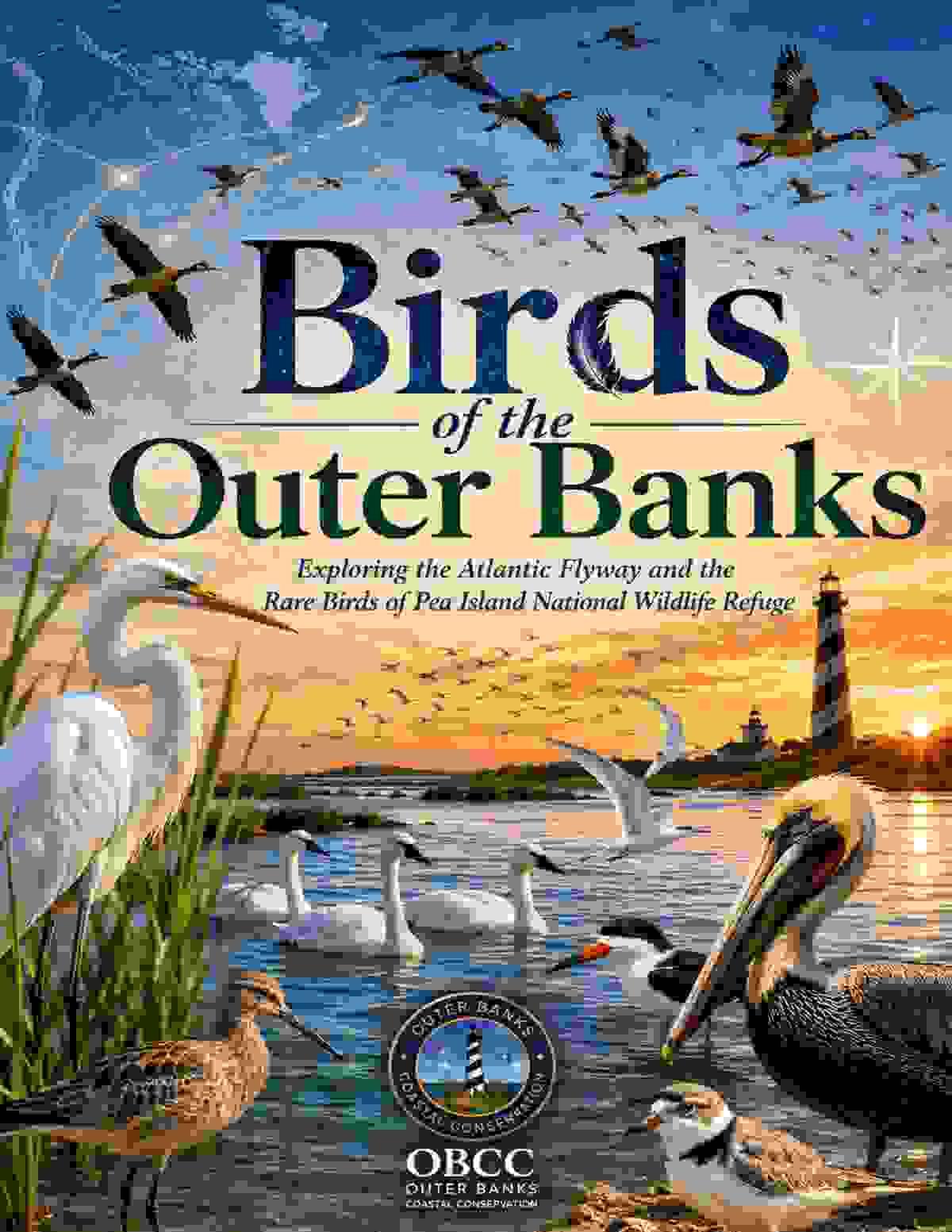
Discover why the Outer Banks is one of North America's premier bird migration destinations. This book explores the Atlantic Flyway, explains why Pea Island National Wildlife Refuge is a critical stopover for millions of migrating birds, highlights the region's most iconic and rare bird species, and offers practical birding tips, ethical viewing guidelines, and the best places and seasons to observe wildlife. Perfect for birders, nature enthusiasts, and anyone interested in the remarkable avian diversity of the Outer Banks.